




The Trump administration has launched what officials describe as the largest effort to strip U.S. citizenship from naturalized Americans accused of fraud or other serious offenses, filing cases against 17 people in courts across the country.
Get today's headlines by email 
The move marks a significant expansion of the government's use of denaturalization powers, a legal process that allows authorities to seek the removal of citizenship from foreign-born Americans who are found to have obtained it unlawfully.
Broadening denaturalization efforts
The Justice Department announced the latest cases on Monday, following an earlier round of denaturalization actions unveiled last month. Officials said the new filings represent the largest single effort of their kind by the federal government.
Denaturalization has long been permitted under U.S. law, but it has historically been used sparingly. Government records indicate that between 1990 and 2017, the Justice Department filed an average of 11 denaturalization complaints each year.
To succeed, federal authorities must convince a judge that a naturalized citizen obtained citizenship through fraud, misrepresentation or concealment of important information. The process can take place through civil or criminal proceedings in federal court.
Cases target fraud and serious crimes
According to court filings, the administration argues that the 17 individuals either concealed criminal conduct during the naturalization process or otherwise failed to meet eligibility requirements for citizenship.
Federal officials said some of those targeted were convicted of violent crimes, including sexual offenses involving children. Others were accused or convicted of fraud-related offenses or immigration violations.
Among those named in the latest filings are a Haitian-born man accused of sexually abusing his daughter; a man from the former Yugoslavia convicted of sexually abusing a child under 15; a Mexican-born immigrant convicted of receiving sexually explicit images of minors; a former Catholic priest from Colombia accused of child sexual abuse; and a Filipino-born man who pleaded guilty to a child sex offense.
The cases also include an Indian-born immigrant accused of submitting fraudulent H-1B visa petitions, the daughter of a Colombian drug trafficker accused of money laundering, a Jamaican-born man convicted of wire fraud, and a Cuban-born woman accused of defrauding a tribal casino. Other individuals were accused of using false identities.
Part of wider immigration crackdown
The initiative forms part of the administration's broader immigration agenda. Since returning to office last year, President Donald Trump has pledged a major expansion of immigration enforcement, including deportations.
In 2025, the Justice Department widened the categories of naturalized citizens considered priorities for denaturalization proceedings. Last month's announcement of 12 cases was described at the time as the largest such action in years.
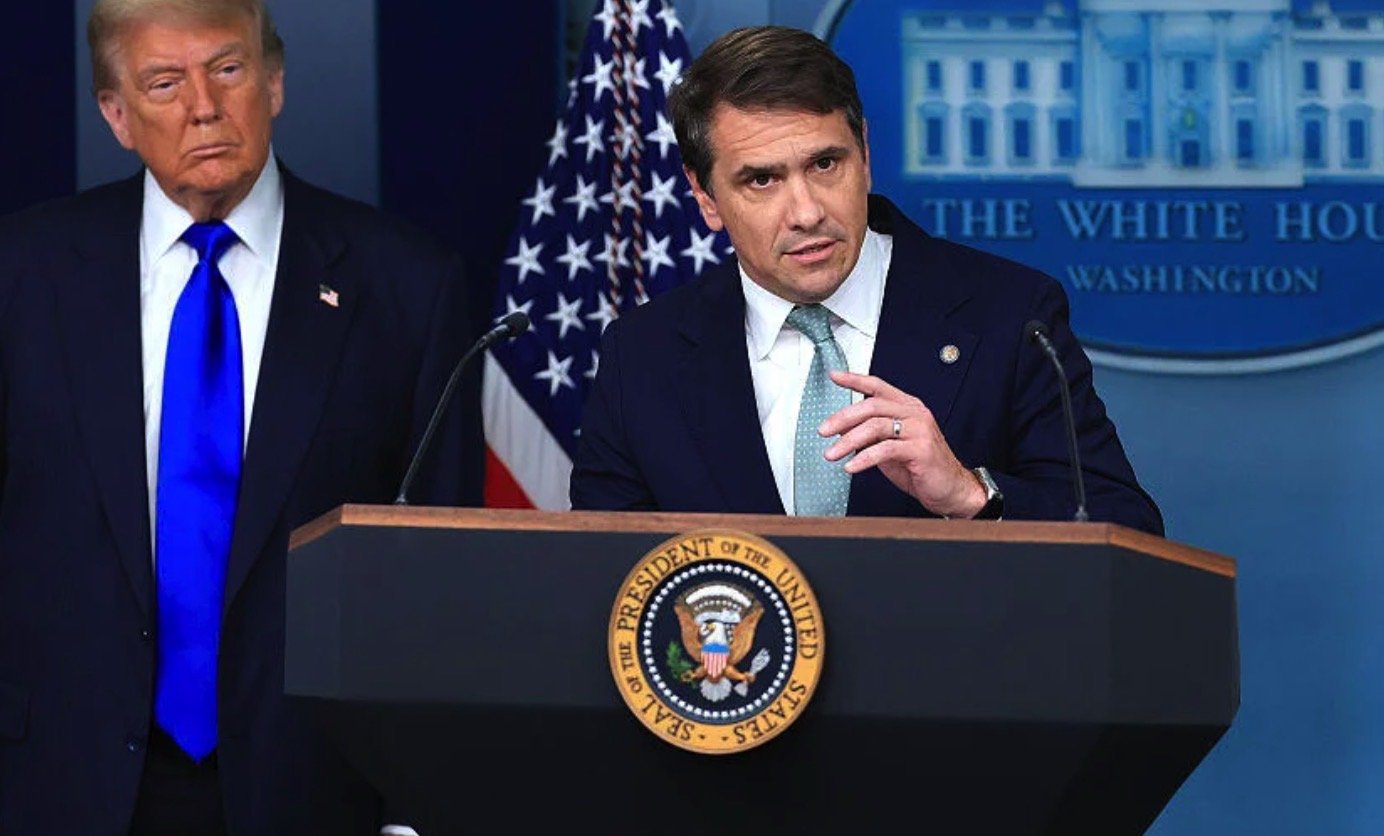
Acting Attorney General Todd Blanche said the department would continue pursuing cases involving individuals accused of abusing the naturalization system.
"Criminal aliens are lying about their past crimes, including drug dealers, sexual predators, and fraudsters," Blanche said.
Homeland Security Secretary Markwayne Mullin said citizenship must be obtained honestly and pledged continued use of legal tools to pursue denaturalization where appropriate.
Legal process remains available
Those facing denaturalization proceedings can challenge the government's claims in court and seek to keep their citizenship.
If a court revokes a person's citizenship, they return to their previous immigration status, which is typically lawful permanent residency. They also lose the protections and benefits associated with U.S. citizenship, including immunity from deportation.
Join the discussion? 
Already a member? 
 Adapted by ASEAN Now. Source 9 June 2026
Recommended Comments
Create an account or sign in to comment