



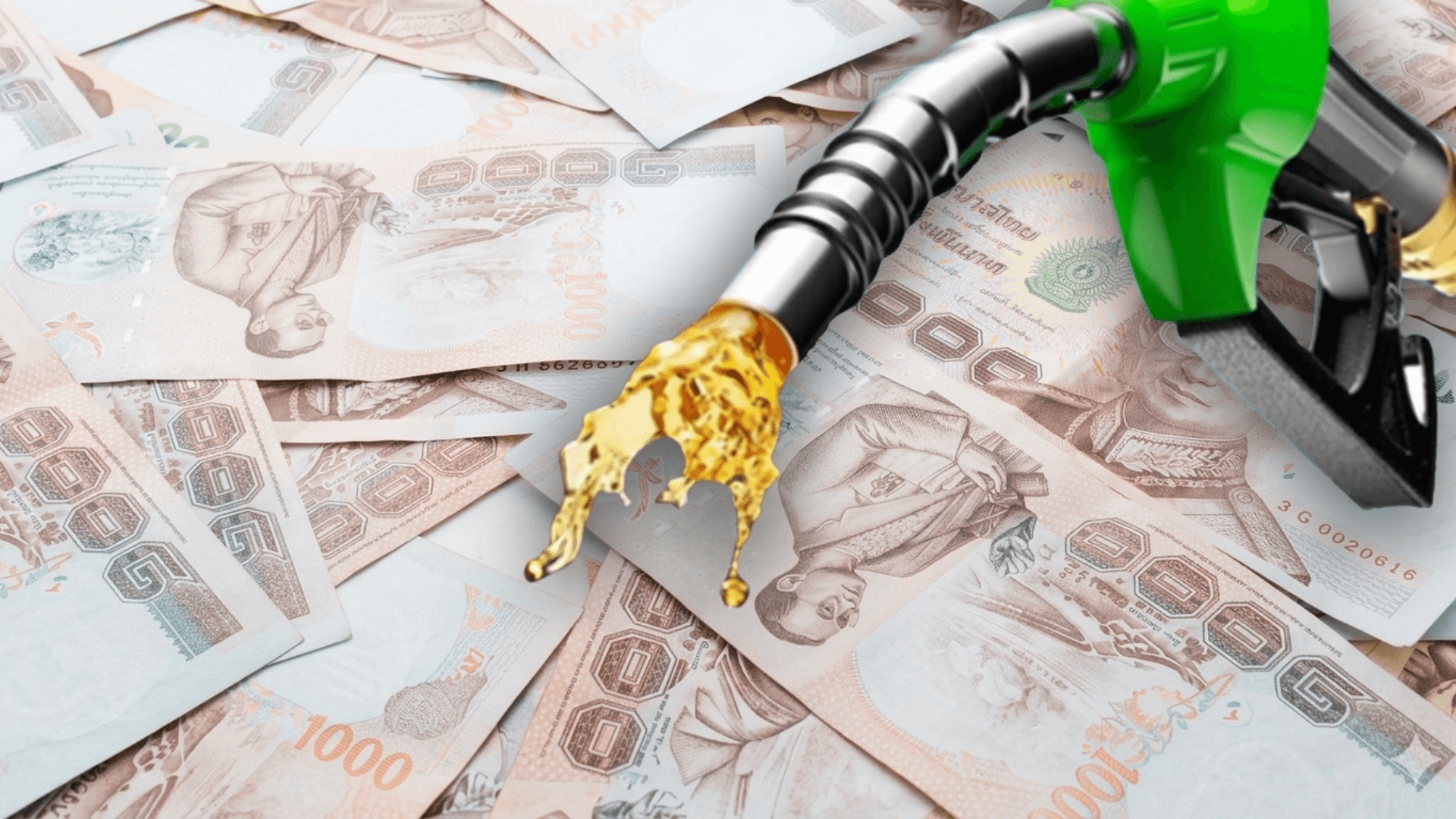

Thailand's inflation rate increased by 2.89% in April compared to last year, driven by rising oil and food prices, reported Nantapong Chiralerspong of the Trade Policy and Strategy Office. The increase is linked to Middle Eastern conflicts causing a blockage in the Strait of Hormuz, which has sharply escalated global oil prices. This surge has impacted public transport and, subsequently, the cost of food and services in the country.
Get today's headlines by email 
Despite this rise, Chiralerspong noted Thailand's inflation remains relatively low compared to neighboring ASEAN countries. March saw a slight decline of 0.08% in inflation, placing Thailand as the nation with the second lowest rate in the region and ninth among 140 global economies. Non-food inflation in April saw a significant rise of 4.14% due to higher public transport fares, housing rentals, and cleaning service fees.
The food and non-alcoholic drinks sector also experienced a 0.98% increase, affected by higher prices for ready-made meals, fresh produce like vegetables and eggs, and staple goods such as rice and chicken. The overall consumer price index for the first four months rose by 0.32% year-on-year. Looking forward, inflation may continue to climb in May with ongoing oil price hikes.
However, relief is anticipated in the latter half of the year as the government introduces the "Thai Chuay Thai" initiative. This scheme is expected to decrease electricity costs, potentially easing inflationary pressures.
Join the discussion? 
Already a member? 
 Adapted by ASEAN Now · Thai PBS · 06 Mar 2026
Recommended Comments
Create an account or sign in to comment