



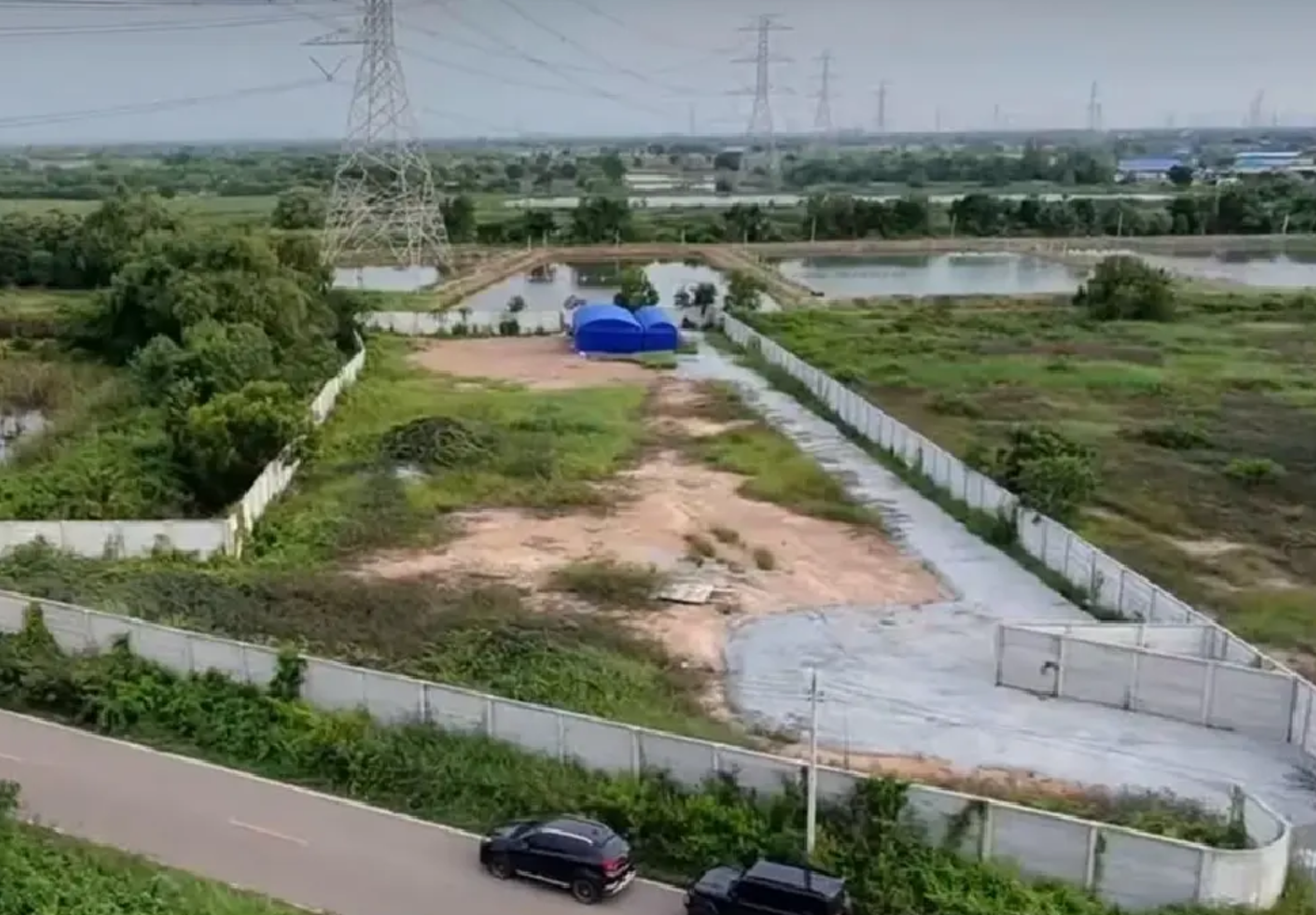

Chachoengsao authorities have rejected an application to extend a permit for a proposed Jewish cemetery in Bang Khla district, following local concerns about possible effects on water sources and natural resources.
Provincial Governor Nimit Wongvara confirmed the decision on Wednesday, September 3, after the issue resurfaced on Thai social media. He said there are currently only one body buried on the land in Samed Tai.
Water concerns raised by farming community
Unverified posts circulating online claimed that around 9,690 square metres of land would be developed into a Jewish cemetery capable of holding up to 1,200 bodies.
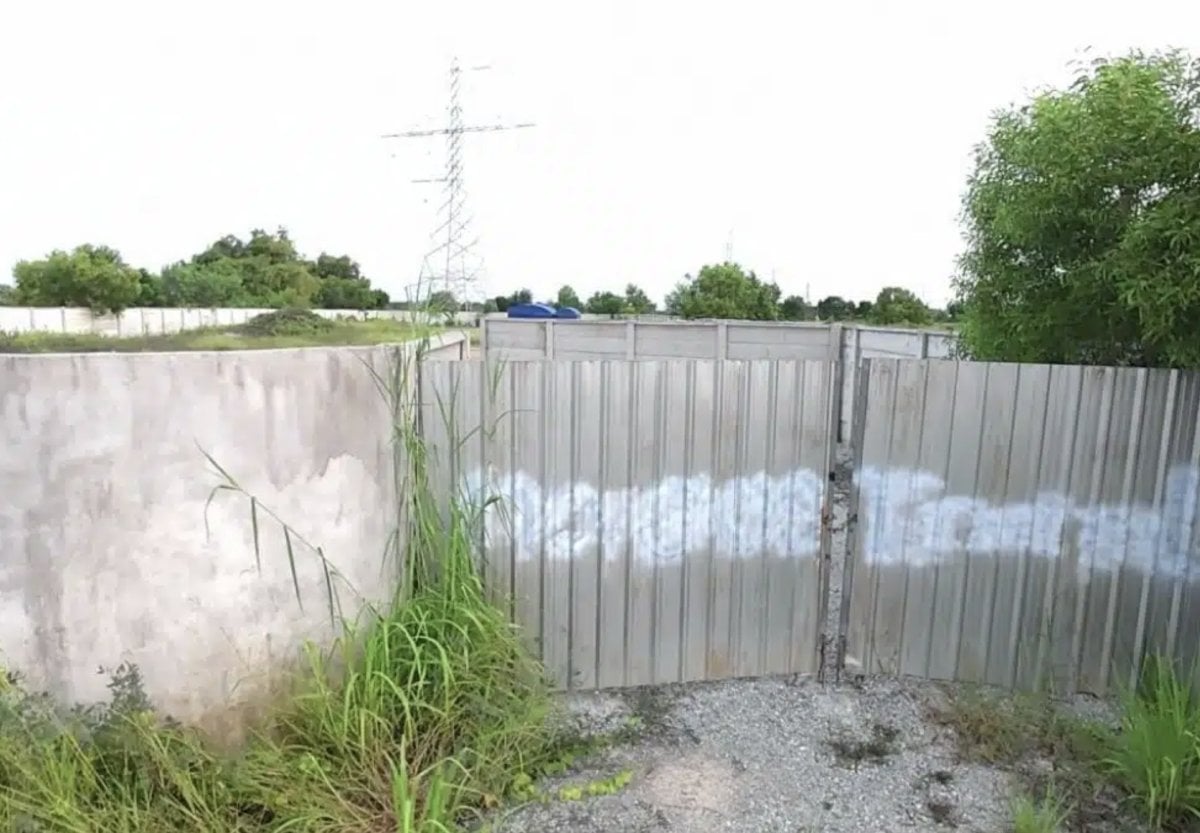
The reports alarmed local residents, many of whom are farmers reliant on water sources in the area. Governor Nimit said the planned cemetery could affect natural resources and water supplies.
A Thai national whose identity has not been publicly disclosed applied in 2021 for permission to operate a cemetery at the site. The project, known as Jewish Cemetery Thailand, was intended to provide extra burial space for Thailand's Jewish community because the existing cemetery in Bangkok had limited capacity.
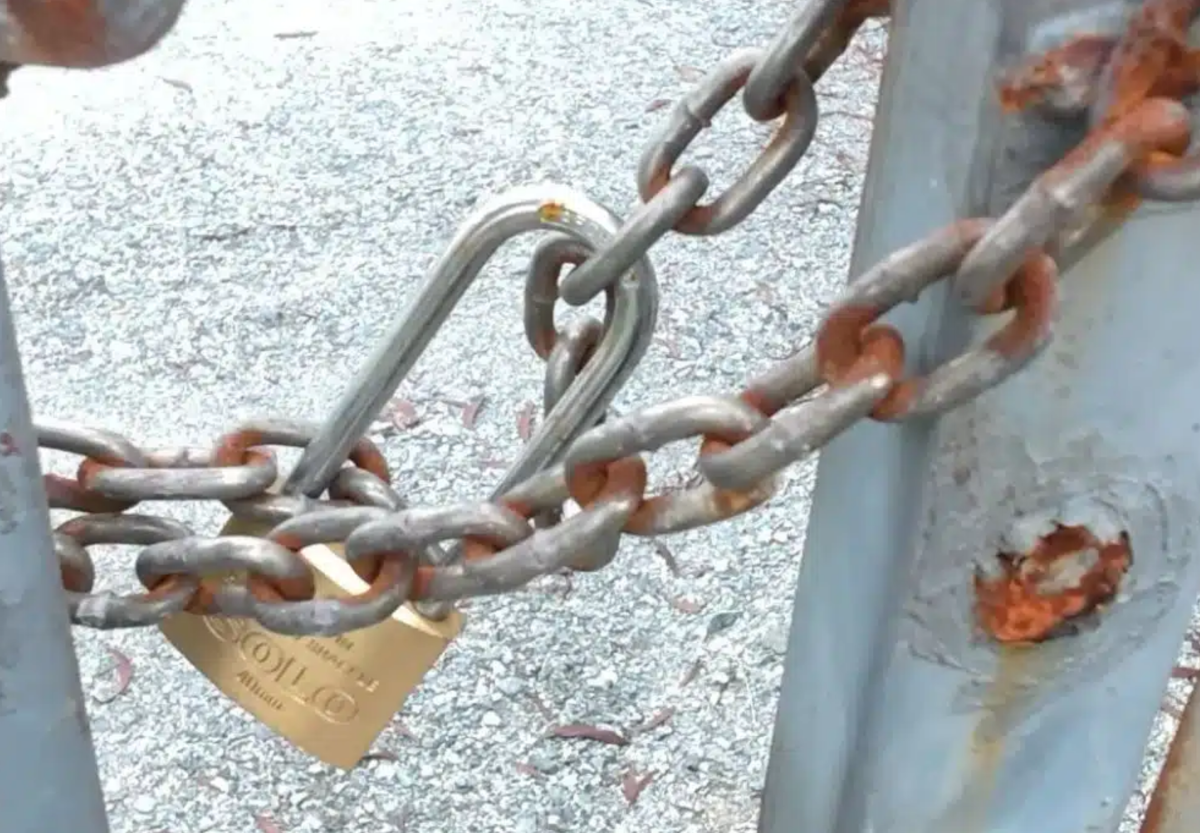
Local media reported that the plot is enclosed by a fence about four metres high and that its entrance is locked.
Earlier protest and legal appeal
Residents earlier complained to the local administrative office after noticing activity at the property and objected to its use as a cemetery.
Bodies were subsequently reported to have been taken to the site, leading about 60 Thai people to protest outside the premises. ThaiRath reported that authorities reported that one body was buried there, while Thailand's Jewish community said three bodies had been buried.
Officials previously examined the site and declined to renew the cemetery permit, citing failures to meet requirements including its closeness to natural water sources.
The Thai applicant and a private company involved in the scheme have challenged the permit revocation in court. That case remains pending.
The matter has also become locally sensitive because of the site's location in an agricultural community, rather than being solely a question of cemetery capacity for the Jewish community.
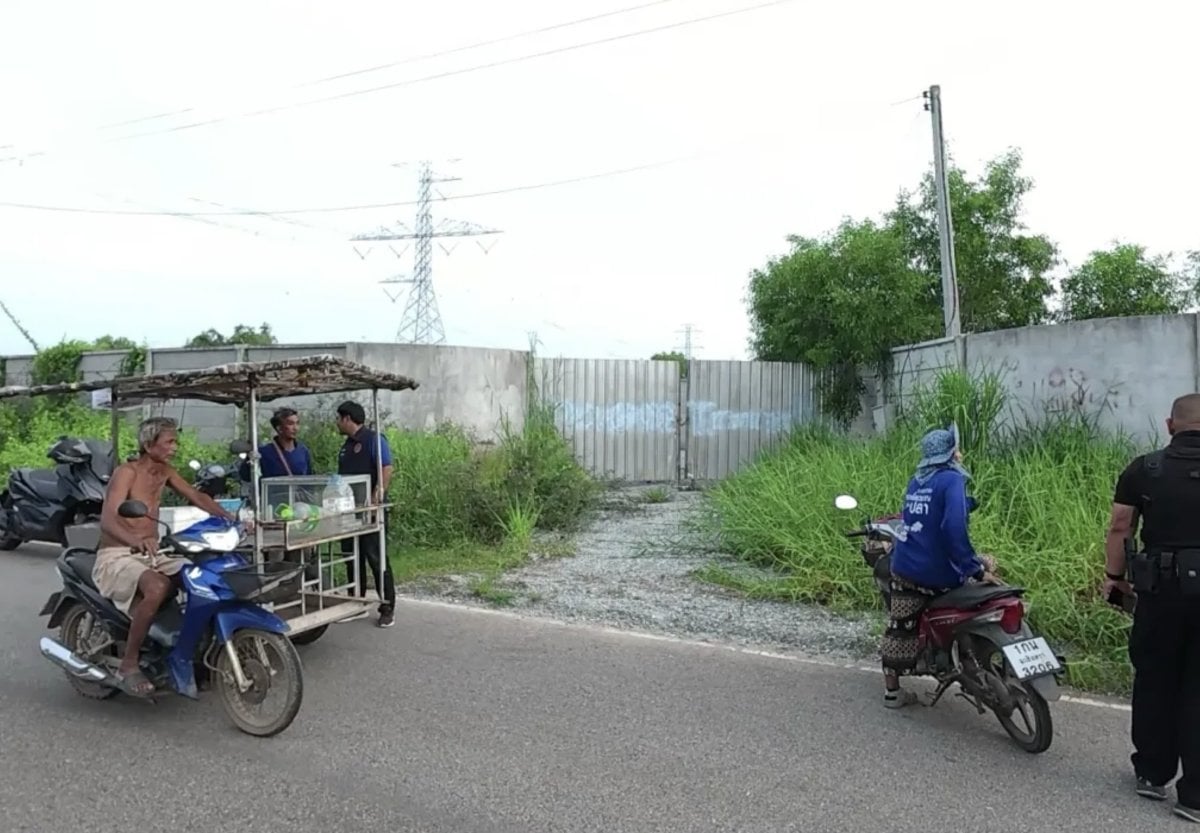
Pictures courtesy of ThaiRath
Join the discussion? 

5 September 2026
-
 3
3
-
 1
1
-
 2
2
Recommended Comments
Create an account or sign in to comment