



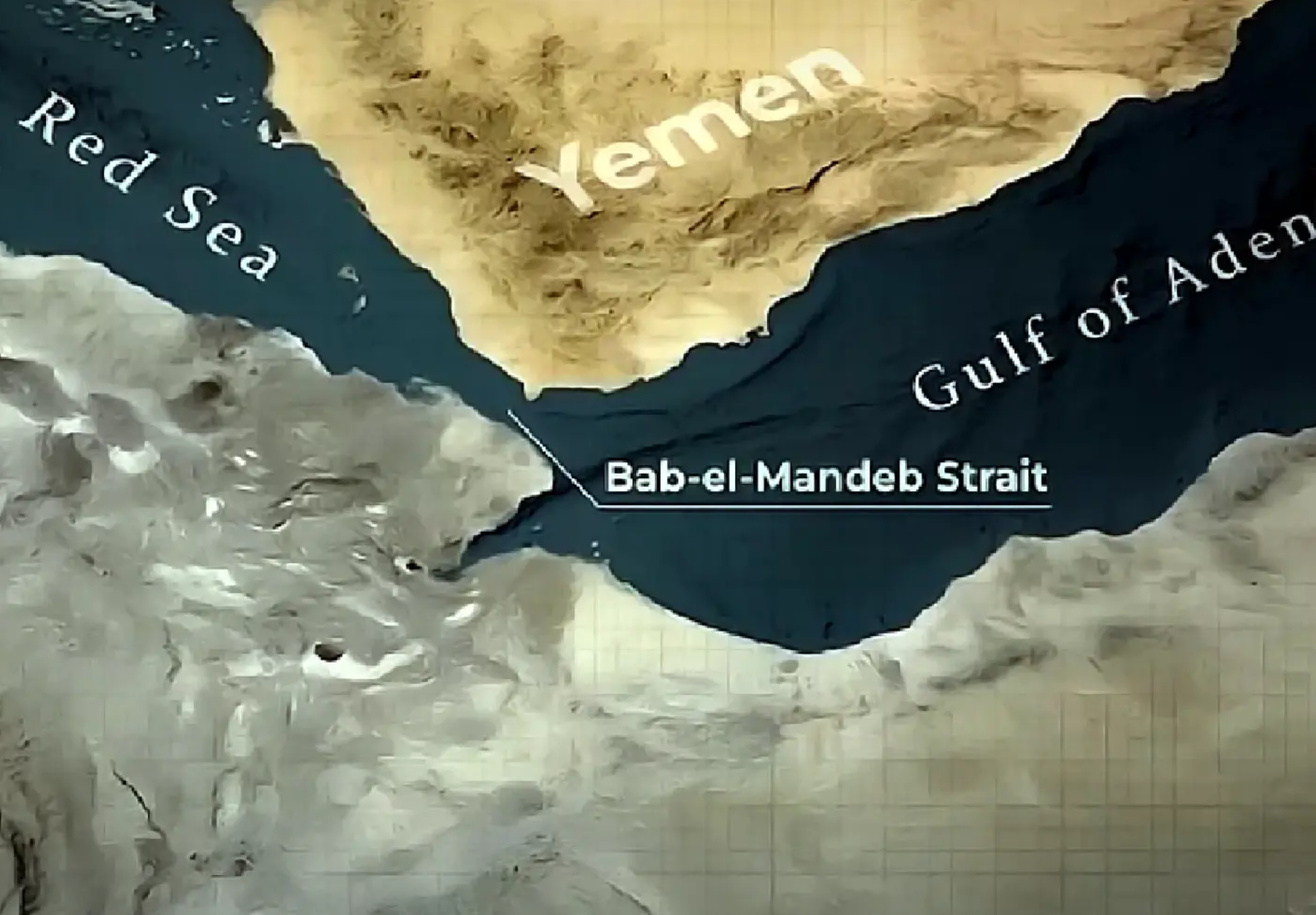

Thailand could face soaring oil prices, export disruption and rising electricity costs if Yemen’s Houthi group follows through on threats to shut the Bab el-Mandeb Strait, a key global shipping chokepoint. Analysts warn the move would tighten a vital trade route linking East and West, triggering immediate economic consequences. The disruption would likely push up fuel costs, delay shipments and increase the cost of living.
Get today's headlines by email 
The warning comes as the Houthis escalated their involvement in the Middle East conflict by launching missiles at Israel for the first time since the war began. The group has also signalled it may close the Bab el-Mandeb Strait, through which around 12 percent of global oil and natural gas trade passes. The route is critical for vessels heading դեպի the Suez Canal towards Europe and the United States.
If the strait is shut, ships would be forced to reroute around the Cape of Good Hope in South Africa, adding more than 6,000 nautical miles and delaying deliveries by 14 to 20 days. This would significantly increase global shipping costs and disrupt supply chains. Combined with Iran’s earlier closure of the Strait of Hormuz, the situation could effectively paralyse a major part of the global economy.
Analysts at Krungthai COMPASS and Krungsri Research say Thailand would face three main phases of impact. In the immediate term, diesel prices could rise above 41 baht per litre, following the 1.8 baht set for 31 March, if global crude oil climbs over 120 US dollars per barrel. Higher transport costs would then push up consumer prices nationwide.
In the medium term, Thailand’s export sector could be hit hardest as freight costs surge and shipments are delayed. Container rates could double from around 3,500 US dollars to 7,000 US dollars, while goods worth more than 32 billion baht are already reported to be stranded in the logistics system. Prolonged disruption may also lead to shortages of key industrial inputs such as plastic resin and chemical fertiliser.
The Nation reported that electricity costs could rise later in 2026 due to Thailand’s reliance on imported liquefied natural gas. Shipping delays and higher global gas prices would likely feed into increased power tariffs. Farea Al-Muslimi of Chatham House described the escalation as the most serious yet, warning that economic infrastructure across the Gulf could become a target.
The government is being urged to seek alternative energy sources outside the Middle East to mitigate the risks of a potential double chokepoint scenario. With the crisis unfolding, officials and businesses face mounting pressure to adapt quickly as the economic impact begins to emerge.
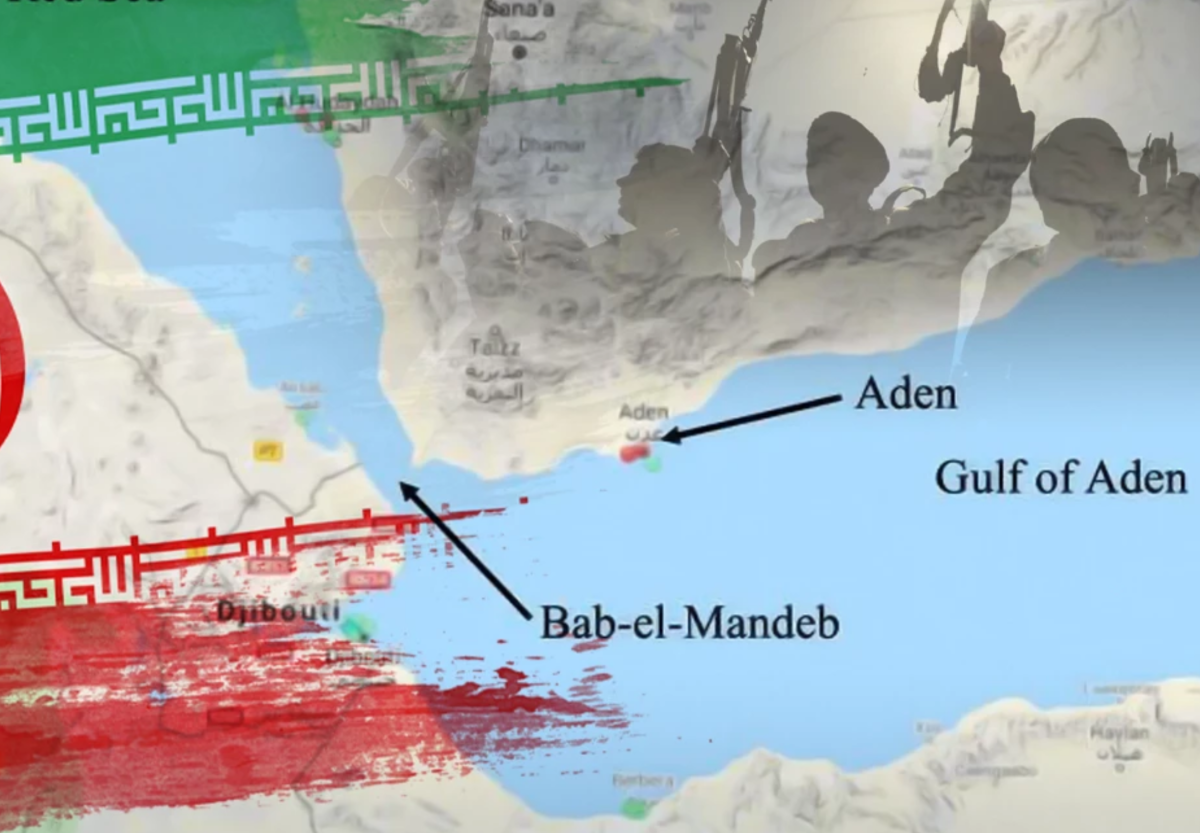
Picture courtesy of The Nation
Join the discussion? 
Already a member? 
 Adapted by ASEAN Now Nation 31 Mar 2026
Recommended Comments
Create an account or sign in to comment