



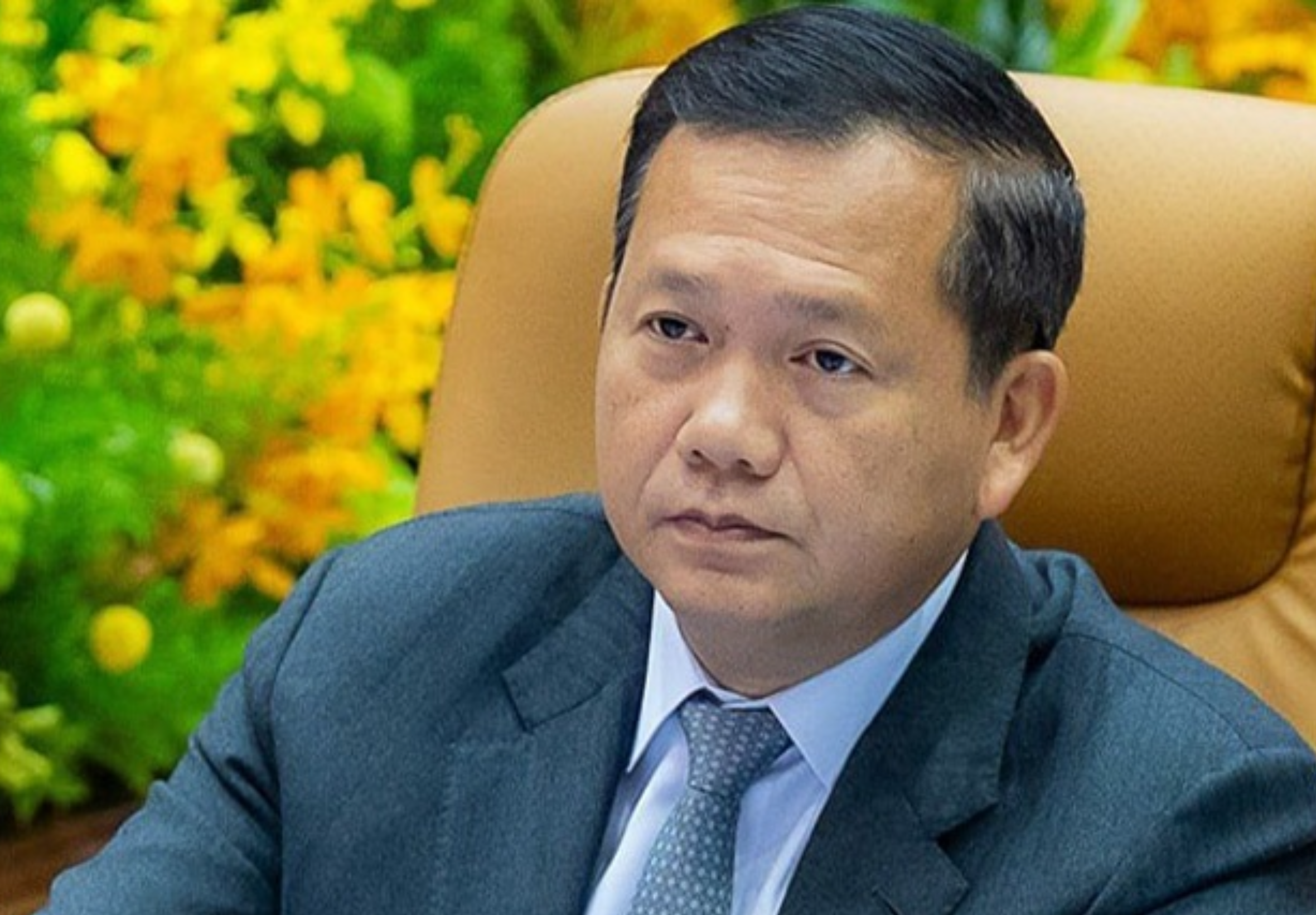

Cambodian Prime Minister Hun Manet has indicated a willingness to resume negotiations with Thailand over ongoing border disputes, marking a significant shift in previously tense relations. The development, reported on April 14, suggests a move towards bilateral dialogue, which he described as faster and more efficient than international legal proceedings. The change is being closely monitored and has drawn criticism from Cambodian opposition figures.
Get today's headlines by email 
According to a Phnom Penh Post report dated April 12, Hun Manet stated that while Cambodia is pursuing a case at the International Court of Justice concerning three disputed border temples, bilateral mechanisms could deliver a quicker results. He emphasised that such an approach would reduce delays for people living along the border. He also cited prolonged conflicts such as the Russia-Ukraine war and Israel-Lebanon tensions as cautionary examples of unresolved border disputes escalating into long-term violence.
Hun Manet highlighted progress made by the Joint Border Committee, noting that of 74 border markers along an 874-kilometre frontier, 43 have already been agreed upon and installed. However, former opposition leader Sam Rainsy criticised the move, arguing that decades of negotiations had failed to produce meaningful improvements. He questioned what terms Cambodia could use to negotiate territory with Thailand and insisted the ICJ route should remain the priority.
During a Thai TV Channel 7 programme, Assistant Professor Wanwichit Boonproong and Mekong region expert Songrit Phonngern assessed the situation, concluding that armed conflict between the two countries is unlikely for at least six months. They cited factors including unfavourable weather, global geopolitical distractions, the oil crisis, limited international interest and declining domestic support for the Hun family.
Songrit added that Cambodia’s softer stance may also be linked to preparations for local elections next year, warning that failure to achieve tangible outcomes could have a knock-on effect leading into the 2028 general election. Meanwhile, Bangkok Post military reporter Wassana Nanuam reported that Hun Sen had sent a close associate to hold discussions with the Thai military, seeking to repair strained ties.
According to her report, Hun Sen acknowledged mistakes linked to a leaked conversation with former Thai prime minister Paetongtarn Shinawatra, which led to her removal by the Constitutional Court. He expressed a desire to restore relations to pre-conflict levels but was reportedly rebuffed by the Thai military. Cambodia also requested the reopening of border crossings in Trat and Chanthaburi to ease economic pressures.
The ThaiNewsRoom reported that while both sides appear to favour de-escalation, formal negotiations and tangible progress remain uncertain. The outcome may depend on domestic political pressures in Cambodia and Thailand’s response to renewed diplomatic overtures.
Join the discussion? 
Already a member? 
 Adapted by ASEAN Now Thai newsroom 16 Apr 2026
Recommended Comments
Create an account or sign in to comment