



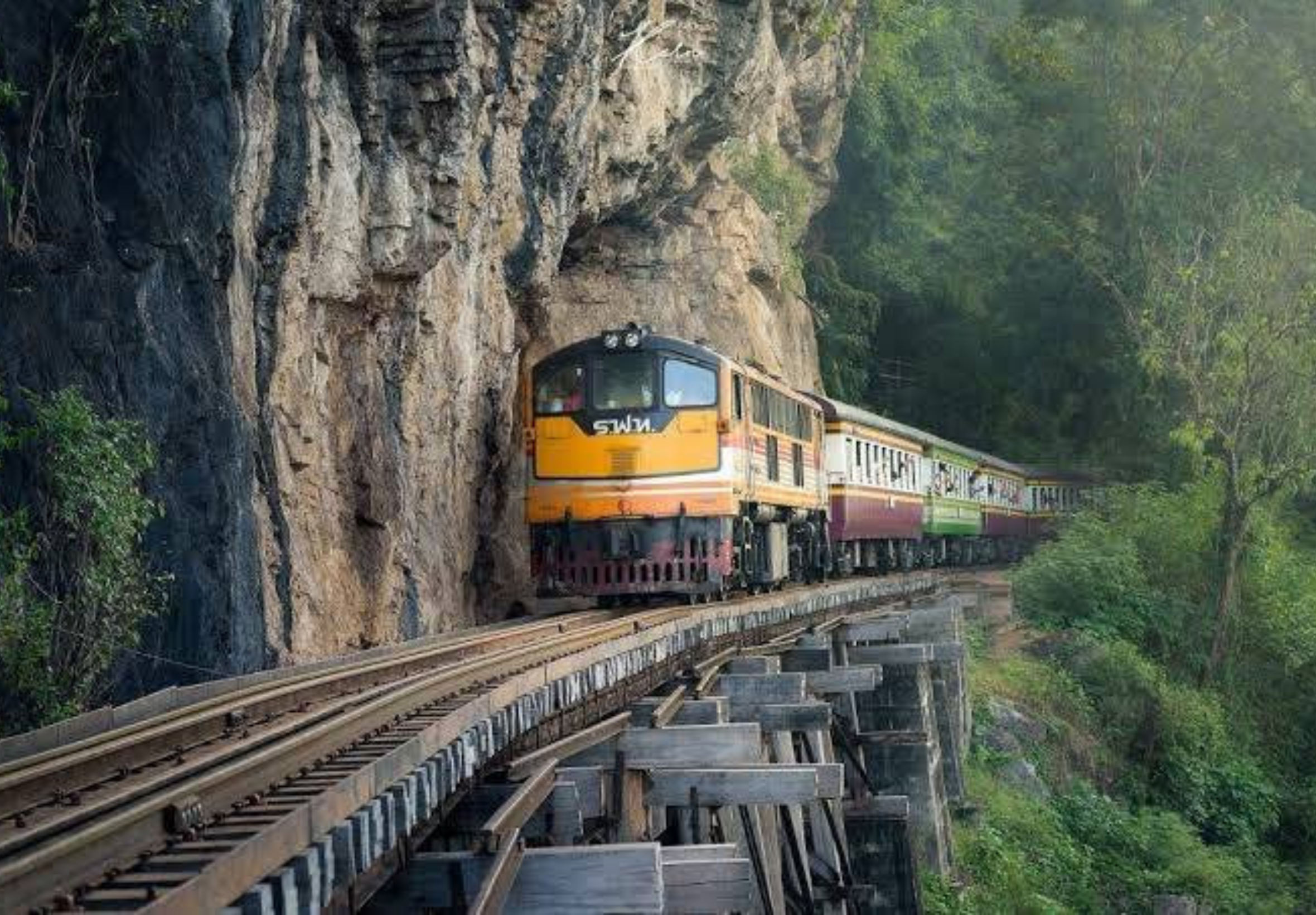

Kanchanaburi could see a major tourism and economic boost as support grows for the Thailand-Myanmar “Death Railway” to be listed as a UNESCO World Heritage Site. A recent public survey found that 1,986 out of 2,000 respondents backed the proposal to register the historic railway, which stretches 415 kilometres and is linked to the deaths of more than 150,000 people during World War II.
Get today's headlines by email 
An economic analysis titled “Economic Impact of Promoting the Death Railway to World Heritage Status” estimated that Kanchanaburi could generate more than 3 billion baht annually in additional tourism revenue if the bid succeeds. The report also projected 500-800 direct long-term jobs and another 2,000-3,000 indirect jobs, while foreign tourist arrivals could rise by 7-10%, creating an overall annual economic impact of 5-8 billion baht.
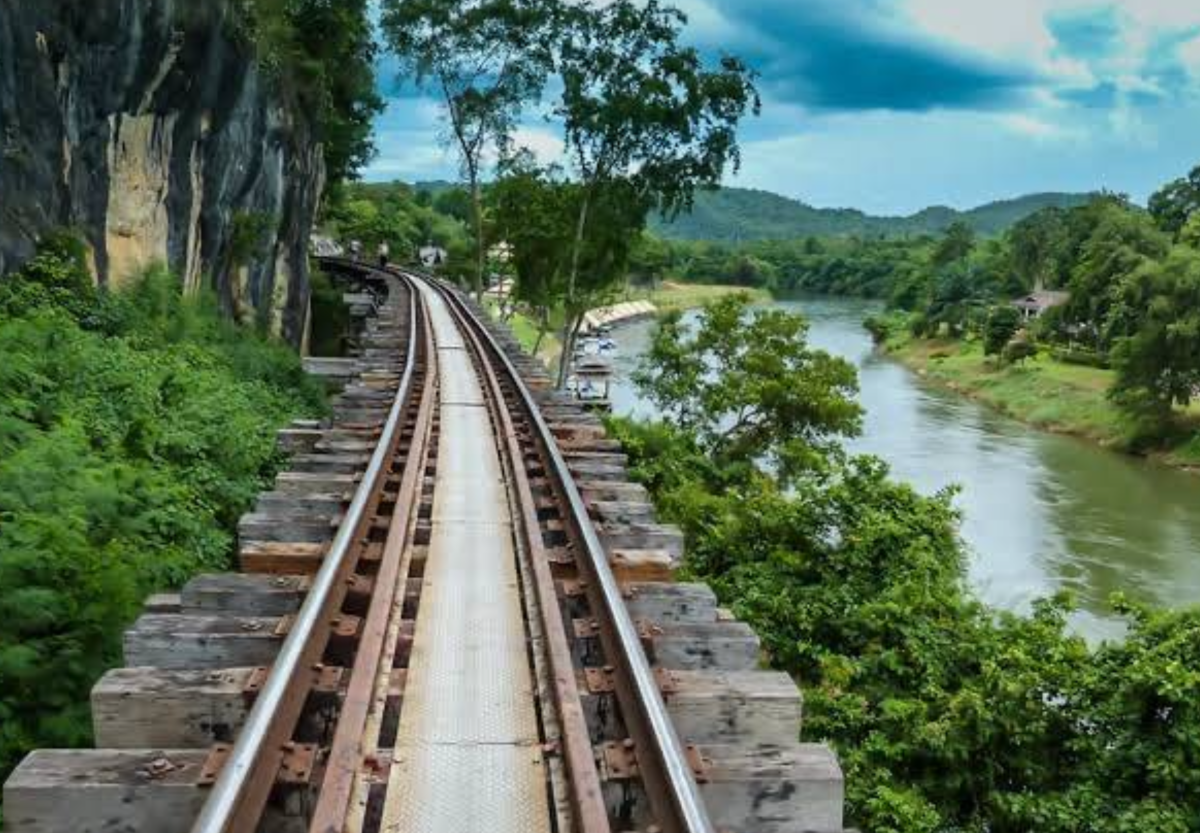
At present, many visitors spend only a short time at the Bridge over the River Kwai before leaving the province, limiting local spending. United Nations data shows World Heritage sites typically attract 17-24% more visitors than standard tourist destinations, particularly overnight tourists who contribute more to local economies.
Thailand has already seen similar effects from previous World Heritage listings. Following the designation of the ancient town of Si Thep in 2023, visitor numbers rose rapidly and local infrastructure required upgrades. In the first half of 2025, Ayutthaya welcomed more than 5.3 million tourists, while Sukhothai generated more than 3 billion baht in annual tourism revenue, with services accounting for over 53% of the provincial economy.
Analysts said World Heritage status for the Death Railway could create opportunities across hotels, restaurants, tour operators, local guides, conservation projects and educational programmes. International examples, including the Okefenokee area in the United States, suggest World Heritage recognition can significantly increase visitor numbers and create around 750 permanent jobs.
The report also noted Kanchanaburi’s location, around 130 kilometres from Bangkok, and its transport connections make it well placed to become a regional centre for historical and peace tourism in Southeast Asia. Tourism representatives said the province remained undervalued and predicted foreign tourist numbers could rise by more than 30% within three years of registration, while hotel occupancy rates could climb from below 30% to above 60%.
The growing global trend of “dark tourism”, focused on sites linked to war and tragedy, has increased attention on locations such as Auschwitz in Poland and Hiroshima Peace Memorial Park in Japan. Supporters believe World Heritage status could transform the Death Railway from a wartime landmark into an international centre for peace and humanitarian education, while also boosting international cooperation, exhibitions and academic events.
SiamRath reported that economists from Thai universities added that every 1 baht invested in cultural heritage conservation could generate economic returns of around 3-5 baht in the long term. The proposal is now expected to continue through the heritage nomination process, with supporters arguing it would preserve the memory of those who died while supporting sustainable economic growth in Kanchanaburi.
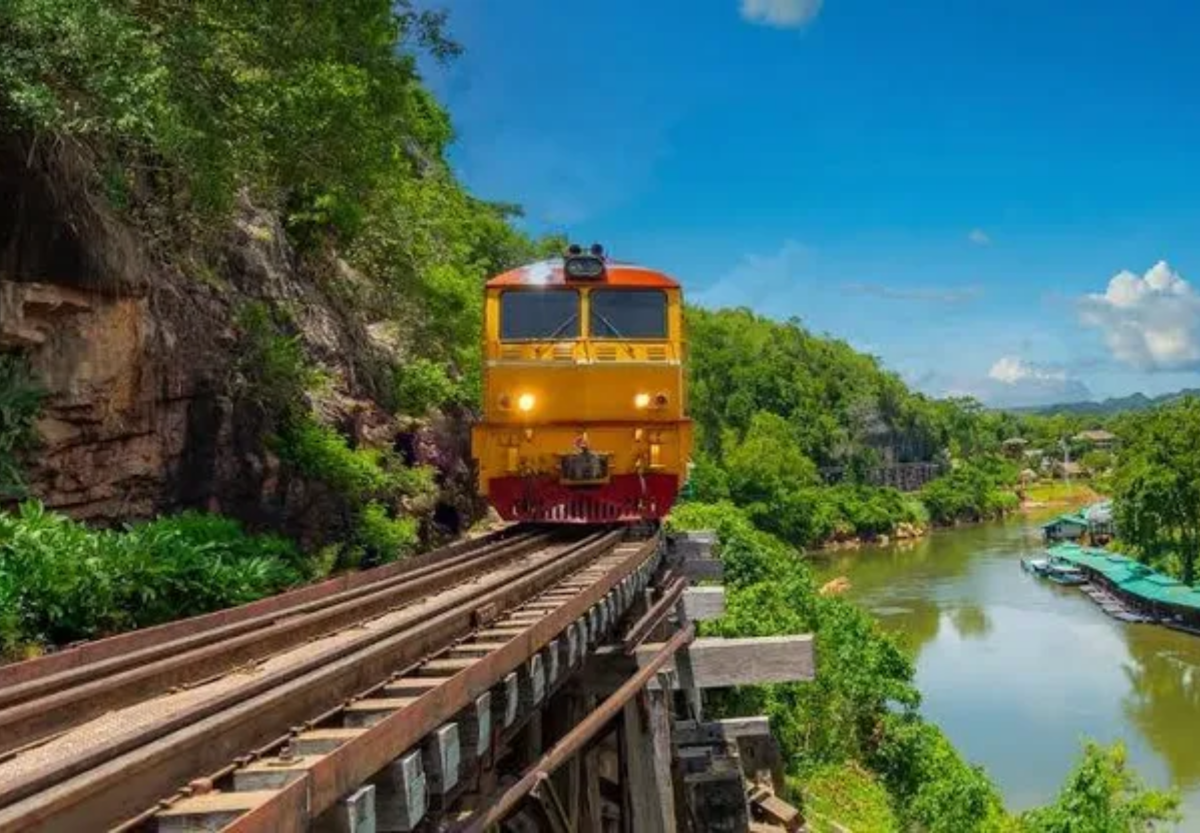
Pictures courtesy of SiamRath
Join the discussion? 
Already a member? 
 Adapted by ASEAN Now SiamRath 9 May 2026
Recommended Comments
Create an account or sign in to comment