Skip to content
View in the app

A better way to browse. Learn more.

Thailand News and Discussion Forum | ASEANNOW

A full-screen app on your home screen with push notifications, badges and more.

To install this app on iOS and iPadOS
  1. Tap the Share icon in Safari
  2. Scroll the menu and tap Add to Home Screen.
  3. Tap Add in the top-right corner.
To install this app on Android
  1. Tap the 3-dot menu (⋮) in the top-right corner of the browser.
  2. Tap Add to Home screen or Install app.
  3. Confirm by tapping Install.

Thailand News

All the latest news stories from Thailand are written in English. Fresh news and stories from around the kingdom brought to you daily.
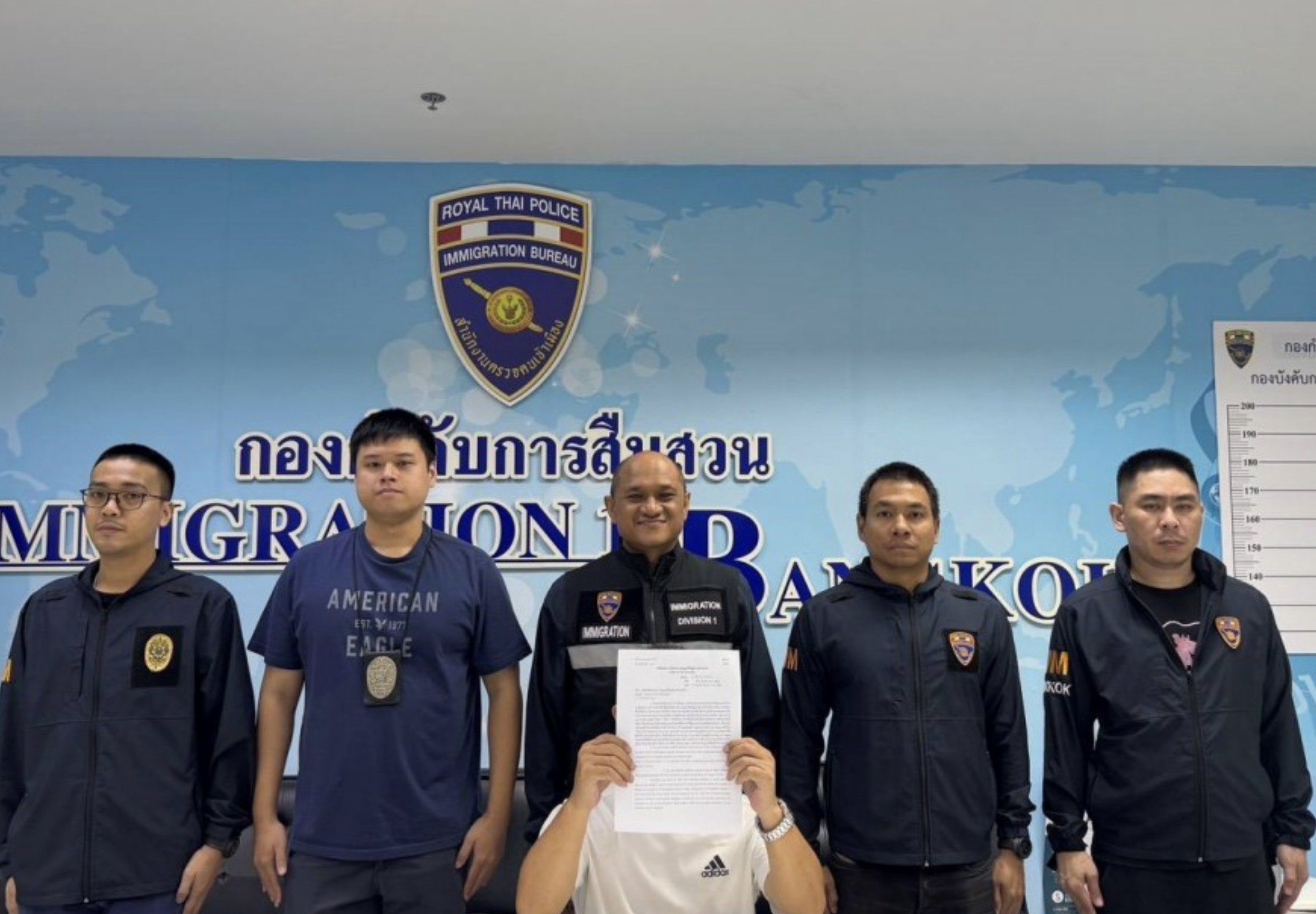
Authorities in Loei, Thailand, have arrested two men at the Ban Khok Phai border checkpoint for allegedly operating an unlicensed tour business offering trips to Laos for Thai tourists. The arrests took place on February 16 in the Pak Chom subdistrict, with officers seizing documents, money transfer records, and promotional materials used in their operation. The suspects, both 30 and from Mueang Loei district, were charged under Thailand’s Tour Business and Guide Act (2008), facing up to two years in prison or a fine of 500,000 baht.

Get today's headlines by email

The unlicensed tour business reportedly operated for over two months, utilizing a Lao tour company license and promoting their services on social media. Tours were managed through the Khok Phai checkpoint using hired vans. The Tourism Police undertook a covert operation, purchasing a tour package for February 14-15 to confirm the illegal operations before making the arrests.

Acting Second Lt. Kritchanat Kunratchahirun, president of the Loei Tourism Business Association, emphasized the importance of using licensed tour operators due to potential legal penalties when things go awry. He noted the increased activity at Ban Khok Phai following its upgrade to facilitate smoother cross-border travel. Kritchanat advocated for further inspections of online adverts for overseas tours to verify their legitimacy.

Going forward, authorities urge tourists to use resources provided by the Department of Tourism to verify tour companies' licenses before purchasing trips. This advice aims to prevent illegal operations and protect tourists from potential scams.

Key Takeaways
Two men were arrested for running an unlicensed tour business in Loei.
The operation used a Lao license and advertised via social media.
Tourists can verify tour operator licenses through the Department of Tourism.

Join the discussion?

Already a member?

  Adapted by ASEAN Now · The Thaiger · 16 Feb 2026

snoop1130
snoop1130
The first phase of the Thai–Chinese high-speed rail project has reached 51.74% completion, according to the State Railway of Thailand (SRT). The update was provided during a visit by the Senate committee on transport to Chiang Rak Noi railway station in Ayutthaya. Acting SRT governor Anan Phonimdaeng said progress is continuing across multiple contracts.

Get today's headlines by email

Phase 1 links Bangkok and Nakhon Ratchasima and carries a total investment value of 179.41 billion baht. The phase consists of 14 construction contracts and one train system contract. Two contracts covering the Klang Dong–Pang Asok and Sikhiu–Kut Chik sections have been completed, while construction is under way on 10 others.

Two additional contracts for the Bang Sue–Don Mueang and Ban Pho–Phra Kaeo sections have yet to be signed. Mr Anan said the SRT has instructed contractors to adhere strictly to timelines while maintaining engineering and safety standards. Commercial operations for Phase 1 are scheduled to begin in 2030.

The 250.77-kilometre route will largely be elevated, with approximately 188.68km designed as elevated track to reduce level crossings and improve safety. About 54.09km will run at ground level. Two tunnels, located in Muak Lek and Lam Takhong, will span a combined distance of around 8km.

Six main stations are planned along the Phase 1 route: Krung Thep Aphiwat, Don Mueang, Ayutthaya, Saraburi, Pak Chong and Nakhon Ratchasima. The project forms part of broader efforts to modernise Thailand’s rail infrastructure and strengthen regional connectivity.

Phase 2 of the project, extending from Nakhon Ratchasima to Nong Khai, has already been approved by the cabinet and passed its environmental impact assessment. This 357.12km section is valued at 256.4 billion baht. It will include five stations: Bua Yai Junction, Ban Phai, Khon Kaen, Udon Thani and Nong Khai.

Manger online reported that bidding and contract signing for Phase 2 are expected to take place this year. Construction is projected to take 48 months, with an anticipated opening in 2031. Once completed, the full route is intended to enhance transport capacity and support cross-border links.

Cover picture courtesy of Bangkokpost

Key Takeaways

• Phase 1 of the Thai–Chinese high-speed rail project is 51.74% complete, with two contracts finished and 10 under construction.
• The 250.77km Bangkok–Nakhon Ratchasima section is valued at 179.41 billion baht and is scheduled to open in 2030.
• Phase 2 to Nong Khai, worth 256.4 billion baht, is expected to open in 2031 after 48 months of construction.

Join the discussion?

Already a member?

Adapted by ASEAN Now Bangkokpost 16 Feb 2026


Georgealbert
Georgealbert
Thai authorities say they have found clear evidence that Cambodia secretly planted landmines inside Thai territory, describing the act as a serious violation of international humanitarian law. The Royal Thai Navy confirmed that newly laid anti-personnel mines were discovered during operations to secure and clear border areas. Officials said the discovery has heightened security concerns along the frontier.

Get today's headlines by email

Rear Admiral Parach Rattanachaiyaphan, spokesperson for the Royal Thai Navy, said the Navy’s Humanitarian Mine Action Unit found six newly manufactured PMN-2 anti-personnel mines in Ban Chamrak, Mueang district, Trat province. The discovery was made on 14 February 2026 during operations to reclaim and clear the area under the “Trat Phikhat Phairi” plan.

An inspection confirmed the devices were newly placed by the opposing side and were not remnants from past conflicts. In nearby areas, officials also found three PMN-1 mines and one POMZ mine while developing a tactical route along the border.


The Navy stressed that Thailand is strictly adhering to the joint Thai–Cambodian statement issued on 27 December 2025, maintaining a humanitarian approach and refraining from the use or support of anti-personnel mines in all circumstances. Authorities said the deployment of new mines represents a grave breach of international humanitarian law and obligations concerning the prohibition of anti-personnel mines.

Thai officials formally condemned the alleged action and said all evidence would be systematically recorded. They added that further steps would be pursued under relevant legal frameworks and international mechanisms.


Pictures courtesy of Amarin

The discovery follows recent efforts by Thai forces to reinforce border security and clear suspected hazardous areas. Military units have been conducting mine clearance and strengthening defensive measures along sensitive sections of the frontier in response to ongoing tensions.

Amarin reported that officials indicated that documentation and verification of the findings would continue, alongside coordination with relevant agencies. The government has signalled it will proceed within established international legal channels while maintaining security operations in the affected areas.


Key Takeaways

• Six newly manufactured mines were found in Ban Chamrak, Trat, on 14 February 2026.
• Thai authorities say the mines were newly planted and not leftover from previous conflicts.
• Thailand has condemned the alleged action and will pursue legal steps through international mechanisms.

Join the discussion?

Already a member?

Adapted by ASEAN Now Amarin 16 Feb 2026
Georgealbert
Georgealbert
A 44-year-old male inmate infected with mpox has died in custody, the Department of Disease Control confirmed on 14 February 2026. The prisoner, who had multiple underlying conditions, passed away on 11 February after his condition deteriorated despite treatment. Laboratory tests confirmed infection with the Mpox Clade II strain.

Get today's headlines by email

Dr Montien Kanasawad, Director-General of the Department of Disease Control at the Ministry of Public Health, said the inmate had pre-existing illnesses including HIV, hepatitis B and C and syphilis. He had not been receiving continuous treatment, resulting in severe immunodeficiency which contributed to the unusually serious progression of the disease.

The inmate entered prison on 20 January 2026 with a wound on his leg. He later developed a fever and a rash with lesions across his body before being urgently transferred to the Corrections Hospital. Although medical staff provided full treatment, his symptoms worsened and he died on 11 February.

Initial investigations suggest he may have contracted the virus before entering prison. Health officials believe his lack of antiretroviral treatment for HIV significantly weakened his immune system, leading to increased severity.

Following laboratory confirmation, the Department of Disease Control worked with the Department of Corrections and related agencies to implement immediate containment measures. Authorities isolated and monitored 32 close contacts within the same zone and placed a further 14 individuals under observation in related areas.

Prisoner transfers in the affected area were suspended, and temperature checks are being conducted twice daily for 21 days. A large-scale environmental clean-up has been carried out, and infectious waste is being managed under strict standards.

In addition, health authorities are closely monitoring contacts within healthcare settings, particularly medical personnel and staff involved in treatment. Nineteen high-risk individuals have received post-exposure prophylaxis vaccination, while risk assessments are ongoing for more than 80 others.

Dr Niti Hetanurak, Deputy Director-General of the Department of Disease Control, stated that mpox spreads through close contact with rashes, lesions or bodily fluids, as well as sharing personal items and intimate sexual contact. Common symptoms include fever, swollen lymph nodes, muscle aches and skin lesions, and anyone experiencing suspected symptoms should seek medical attention promptly.

Officials confirmed that no additional inmates or staff have shown symptoms consistent with the disease. The situation remains under close monitoring, and authorities have urged the public to remain confident in the surveillance and response systems in place.

Amarin reported that The Department of Disease Control said it will continue working with all relevant sectors to prevent wider transmission. Members of the public with concerns can contact the Department of Disease Control hotline on 1422.

Key Takeaways

• A 44-year-old inmate with multiple underlying conditions died from Mpox Clade II on 11 February 2026.
• Authorities are monitoring 46 prison contacts and more than 80 additional individuals, with 19 receiving vaccination.
• No further cases have been detected and the situation is under close control.

Join the discussion?

Already a member?

Adapted by ASEAN Now Amarin 16 Feb 2026
Georgealbert
Georgealbert
A protest group calling itself the “United Front of Thammasat and Demonstration” organised a mock referendum on Sunday, February 15, inviting the public to vote on whether the Election Commission (EC) should be removed from office. The activity took place from 5pm to 7pm on the Pathum Wan intersection skywalk near the Bangkok Art and Culture Centre on Rama 1 Road in Bangkok.

Get today's headlines by email

Participants were asked a single question: “Do you agree that the Election Commission should be removed from office?” Ballots were cast in a mock booth set up at the site, allowing members of the public to express their views. The event was led by Teeraphat Supapitakphaiboon.

The group announced the activity through its Facebook page, encouraging people to join the mock referendum. Organisers said the location was chosen to attract the large number of young people who pass through the area. They also indicated plans to expand the campaign to other major universities.


Universities mentioned as potential venues for similar activities include Chulalongkorn University, Thammasat University, Ramkhamhaeng University, Kasetsart University and Srinakharinwirot University. Student organisations at these institutions were said to support the same idea. The organisers aim to build wider momentum among university communities.

The protest follows continued mobilisation by groups calling for a “recount” in relation to the 2026 election. On February 14 at 5pm, the “Thalu Gas” group and the “Recount Chon Buri” group held a rally outside the Bangkok Art and Culture Centre in Pathum Wan. They claimed the 2026 election was not transparent and called for a nationwide recount to ensure transparency and restore public confidence in democracy.

The Election Commission has previously defended its procedures, including the use of barcodes and QR codes on ballots. Related legal action has also been reported, with the Administrative Court accepting a lawsuit concerning election procedures and considering requests to suspend results and call for a re-election.

The Nation reported that further activities by the United Front of Thammasat and Demonstration are expected, particularly if similar mock referendums are organised at university campuses. It remains to be seen whether the campaign will draw broader public participation or prompt an official response from the EC.


Pictures courtesy of The Nation

Key Takeaways

• A Thammasat-linked protest group held a mock referendum on February 15 calling for the removal of the Election Commission.
• The event took place at Pathum Wan intersection and aimed to mobilise young people and university students.
• Other protest groups have demanded a nationwide recount, alleging a lack of transparency in the 2026 election.

Join the discussion?

Already a member?

Adapted by ASEAN Now Nation 16 Feb 2026
Georgealbert
Georgealbert
The Royal Thai Embassy in Bern held an official ceremony on 11 February marking the voluntary restitution of 11 cultural artefacts to Thailand. Thai Ambassador to Switzerland Pannabha Chandraramya received the items on behalf of the Thai government from Fabienne Baraga, Head of the Specialist Body for the International Transfer of Cultural Property at the Federal Office of Culture, representing the Swiss Confederation. The return formally transfers custody of the historically significant objects back to Thailand.

Get today's headlines by email

The artefacts were voluntarily returned through Swiss authorities by an anonymous collector who expressed a wish for the items to be restored to their country of origin. Preliminary assessments indicate the objects may have originated from the Ban Chiang Archaeological Site in north-eastern Thailand. The site is recognised as a UNESCO World Heritage site.

UNESCO: Ban Chiang is considered the most important prehistoric settlement so far discovered in South-East Asia. It marks an important stage in human cultural, social and technological evolution. The site presents the earliest evidence of farming in the region and of the manufacture and use of metals.


The repatriation was described as a symbol of the enduring friendship and close cultural cooperation between Thailand and Switzerland. Officials said the return reflects a shared commitment to protecting global cultural heritage. The ceremony was attended by representatives from the Swiss Federal Department of Foreign Affairs, the Federal Department of Home Affairs, and members of the Thai community in Switzerland.

The restitution follows established procedures for the international transfer of cultural property handled by Swiss authorities. The involvement of the Federal Office of Culture underscores Switzerland’s role in facilitating the voluntary return. The artefacts are expected to be formally reintegrated into Thailand’s cultural heritage collections following their transfer.

Khoasod reported that Thai authorities are likely to conduct further verification and conservation assessments once the items arrive in Thailand. Any confirmation of their origin from Ban Chiang Archaeological Site would reinforce the historical importance of the return. The event highlights ongoing cooperation between the two countries in matters relating to cultural property.


Pictures courtesy of Khaosod

Key Takeaways

• Eleven cultural artefacts were voluntarily returned to Thailand in a ceremony held in Bern on 11 February.
• The items may have originated from the Ban Chiang Archaeological Site, a UNESCO World Heritage site in north-eastern Thailand.
• The restitution was described as reflecting close cultural cooperation between Thailand and Switzerland.

Join the discussion?

Already a member?

Adapted by ASEAN Now Khaosod 15 Feb 2026
Georgealbert
Georgealbert
Parit Wacharasindhu has reaffirmed that the People’s Party will serve as leader of the opposition following the formation of a coalition government between Bhumjaithai Party and Pheu Thai Party. Speaking in Bangkok on 14 February 2026, the party spokesperson also denied holding any talks with Thammanat Prompow after the coalition was announced.

Get today's headlines by email

Parit said Bhumjaithai had already successfully formed a government, citing its public declaration of cooperation with Pheu Thai and several smaller parties. He noted that the combined number of MPs in the alliance exceeds 250, giving it a parliamentary majority.

In principle, Parit said, the People’s Party has consistently maintained that it is the legitimate right of the largest party to form a government. As the election results showed that the People’s Party was not the largest party, it respects that right and will take up its role in opposition without joining the government.

He was responding to questions about whether the People’s Party would attempt to form a government if Bhumjaithai failed to do so. Parit made clear that such a scenario does not apply, given that Bhumjaithai has already secured sufficient support to lead the administration.

Addressing reports that Pheu Thai may seek to reclaim the Agriculture and Cooperatives Ministry from the Kla Tham Party, Parit said there had been no discussions between Thammanat and the People’s Party. He stressed that negotiations over cabinet portfolios are a matter for coalition partners and not the opposition.

Parit added that the public would want clarity on how coalition parties intend to reconcile differing policies. He said there has yet to be clear indication of the first key policies the new government will prioritise.

The formation of the Bhumjaithai–Pheu Thai coalition marks a significant development in Thailand’s political landscape. With more than 250 MPs, the alliance appears positioned to move forward with cabinet appointments and policy implementation.

Khoasod reported that attention is now likely to turn to the allocation of ministerial posts and the government’s initial legislative agenda. Observers will also be watching how effectively the opposition, led by the People’s Party, scrutinises the coalition’s performance in parliament.

Key Takeaways

• Parit Wacharasindhu confirmed the People’s Party will serve as leader of the opposition following the Bhumjaithai–Pheu Thai coalition.
• He denied any talks with Thammanat Prompow and said cabinet negotiations are for coalition partners.
• The Bhumjaithai coalition commands more than 250 MPs, clearing the way for government formation and policy rollout.

Join the discussion?

Already a member?

Adapted by ASEAN Now Khaosod 15 Feb 2026
Georgealbert
Georgealbert
A proposal to increase Thailand’s value-added tax (VAT) to 10% aims to boost government revenue and enhance welfare benefits for senior citizens. The plan, reported on Saturday, February 14, 2026, suggests the higher rate could generate an additional 200–300 billion baht annually. The extra funds would help raise monthly pensions for elderly citizens from the current 600–1,000 baht to 3,000 baht.

Get today's headlines by email

VAT currently accounts for around 30% of total government income, generating approximately 900 billion baht each year. Under the proposal, the additional revenue would be placed in a special savings account, allowing individuals to invest in government bonds to support increased welfare spending. The measure forms part of broader efforts to strengthen public finances amid rising fiscal pressures.

The sub-committee has also proposed expanding the tax base and tackling tax evasion. One key measure would introduce a 0.11% tax on stock sales, ending a more than 40-year exemption and potentially generating 16–18 billion baht annually. Another proposal under consideration is taxing gold transactions, which average around 65 billion baht per day, compared with approximately 42 billion baht in daily stock trades.

In addition, the committee recommends reinstating an exit tax for outbound travel. The proposed charge would be 1,000 baht per person for air travel and 500 baht for land or sea departures, potentially raising an extra 2.8 billion baht per year.

Warit Pipitpojjanakarn, secretary of the sub-committee on finance, raised concerns that public debt is projected to reach 69.78% of GDP by 2028, nearing the 70% ceiling. He noted that persistent budget deficits, particularly during the Covid-19 crisis, pushed the shortfall beyond the fiscal sustainability limit of 3% of GDP, with projections showing a rise to 4.4% by 2026. He also proposed structural tax reforms to promote savings and ease living costs.

Among these reforms is an increase in the child tax deduction from 30,000 baht to 500,000 baht per child. Plans include establishing savings funds for children and parents, with tax deductions of up to 100,000 baht per year, through a “Thai Junior Fund” and a “Parents Fund”. Dividend tax rules would also be adjusted for individuals earning more than 10 million baht annually, shifting them to a progressive rate.

The Nation reported that all the proposals remain under consideration, with further deliberations expected before any measures are implemented.

Cover picture courtesy of Nation

Key Takeaways

• Raising VAT to 10% could generate an additional 200–300 billion baht annually to fund higher elderly pensions.
• New taxes on stock sales, gold trading and outbound travel are proposed to expand revenue sources.
• Public debt is projected to reach 69.78% of GDP by 2028, nearing the 70% ceiling.

Join the discussion?

Already a member?

Adapted by ASEAN Now Nation 15 Feb 2026
Georgealbert
Georgealbert
A Thai masseuse in Germany has been ordered to pay €1,000 in compensation after a court found she sexually assaulted a male client by providing “special services” without consent. The ruling followed a complaint by a 26-year-old German software engineer, identified only as Ben. The incident took place at a massage shop on Osloer Straße in Berlin.

Get today's headlines by email

The 53-year-old masseuse, identified as Sukanya, was reported to police two days after the alleged assault. Ben told local news outlet B.Z. that he had booked a back massage by phone and attended the appointment alone. He said he felt reassured by a sign at the premises stating there was “no happy ending” service.

A photograph published in media reports showed a sign on the shop door reading in German, “no erotic service, medical service only.” Ben said he was taken to a massage room where Sukanya asked him to remove his trousers. Although he found the request unusual, he assumed it was to prevent his clothes from getting oil on them.

According to Ben, Sukanya initially performed the requested back massage before moving her hands to his thighs, buttocks and genitals. He said she later instructed him to lie on his back, tapped his genitals twice and pointed to her mouth while asking whether he wanted “special service.” Ben stated that he refused.

He told B.Z. that he did not have the courage to stop Sukanya or confront her at the shop. After returning home, he said he showered for almost two hours. He reported the sexual assault to police two days later.

During court proceedings, Sukanya said she believed the client wanted an erotic massage. She apologised to Ben in person, and the two sides reached an agreement. The court ordered her to pay €1,000 in compensation within six months.

Thai social media users criticised Sukanya, with some stating the case damaged the image of Thailand and Thai massage. Others said such incidents undermine Thai masseuses who provide medical massage services to clients.


Picture courtesy of Olaf Wagner via B.Z.

Key Takeaways

• A Thai masseuse in Berlin was ordered to pay €1,000 after a client reported sexual assault.
• The client said he had booked a back massage and refused an offer of “special service.”
• The court ordered compensation within six months after both sides reached an agreement.

Join the discussion?

Already a member?

Adapted by ASEAN Now TheThaiger 15 Feb 2026
Georgealbert
Georgealbert
Thai authorities have launched a renewed push to address the country’s collapsing birth rate, now at its lowest level in 75 years, with officials stressing the importance of supporting every pregnancy. The Ministry of Public Health said the aim is to ensure that every birth is safe, voluntary and fully supported. The announcement was made at a press conference on Friday.

Get today's headlines by email

Dr Amporn Benjapolpitak, director-general of the Department of Health, warned that Thailand is facing a severe demographic crisis driven by a sharp decline in births. She said the trend poses long-term risks to economic growth, social structure, the labour force, the welfare system and public health.

According to the Department of Provincial Administration, Thailand recorded 416,514 births last year, the lowest figure in nearly 75 years. In contrast, deaths reached 559,684 during the same period.

Thailand is consistently ranked among the bottom 10 countries globally for low birth rates. Its Total Fertility Rate has fallen to between 1.0 and 1.2 children per woman, well below the 2.1 replacement level needed to maintain a stable population. It is also the only country in Southeast Asia with a declining birth rate.

Officials attribute the decline to economic struggles, high living costs and changing social norms among younger generations. Without substantial policy intervention, they said the population could shrink to as little as 30 million within the next five to six decades.

Dr Amporn outlined the Ministry’s “Every Birth Matters” policy, emphasising that the objective is not to pressure couples into having children. Instead, the focus is on ensuring that each birth is voluntary, safe and supported by high-quality care.

Department of Health deputy director-general Dr Pakorn Tungkasereerak detailed five key achievements: expanding fertility and preconception services; strengthening maternal and child healthcare through a continuous care model; investing in early childhood development under the “Amazing 2,500 Days” framework; preventing unintended pregnancies; and promoting mental health support for mothers and families.

He also announced three forward-looking strategies aimed at building a health-centred ecosystem to support quality childbirth. These include reducing healthcare burdens on parents, expanding digital access to maternal and child health services and harnessing big data analytics to provide more tailored, family-level policy support.

Bangkokpost reported that officials said sustained and integrated action across government and society will be essential to reverse the downward trend and secure Thailand’s demographic future.

Cover picture courtesy of Bangkokpost

Key Takeaways

• Thailand recorded 416,514 births last year, while deaths reached 559,684.
• The Total Fertility Rate has fallen to between 1.0 and 1.2, below the 2.1 replacement level.
• The “Every Birth Matters” policy focuses on safe, voluntary and fully supported pregnancies.

Join the discussion?

Already a member?

Adapted by ASEAN Now Bangkokpost 15 Feb 2026
Georgealbert
Georgealbert
Thailand’s Department of National Parks, Wildlife and Plant Conservation has announced stricter controls on the possession of 10 high-risk wild animal species, with immediate effect. The new measures aim to strengthen public safety, standardise approval processes nationwide and enhance animal welfare standards.

Get today's headlines by email

On 12 February 2026, Director-General Atthaphon Charoenchansa said the department had issued a new regulation to intensify oversight of “Category A controlled wildlife”, a group comprising species considered dangerous or potentially harmful to life and property. The updated measures are designed to align enforcement more closely with the Wildlife Preservation and Protection Act B.E. 2562 (2019).

The 10 species listed under Category A include large carnivores such as cheetahs, lions and jaguars. The list also covers great apes including mountain gorillas, gorillas, chimpanzees, bonobos, Sumatran orangutans and Bornean orangutans, as well as green anacondas.

Officials will conduct comprehensive inspections of premises where such animals are kept, assessing suitability for the animals’ behavioural needs, lifetime welfare provisions and specialist veterinary care for dangerous species. Owners must also secure consent from nearby residents and communities to confirm that facilities will not adversely affect public safety.

Strict escape prevention systems are required, alongside emergency response plans, rescue equipment and high-performance warning systems. Possession must comply with other relevant laws, including town planning, public health and local regulations.

If premises fail to meet standards, officials may order corrective action within a specified timeframe. Failure to comply could result in non-recognition of possession status and the immediate seizure or confiscation of the animals.

Holders of valid possession certificates who breach welfare regulations face penalties of up to six months’ imprisonment, a fine of up to 50,000 baht, or both. In cases where an animal escapes due to unforeseen circumstances, owners must notify authorities within 24 hours to enable prompt response.

ThaiRath reported that the  department stated that the regulation takes effect immediately to safeguard public safety and improve animal welfare nationwide. Category B controlled wildlife, covering 57 species deemed less dangerous, will continue to be regulated under the existing 2022 framework.


Picture courtesy of Department of National Parks, Wildlife and Plant Conservation

Key Takeaways

• Thailand has imposed stricter controls on 10 Category A wild animal species with immediate effect.
• Owners must meet enhanced welfare, safety and legal compliance standards or face seizure and penalties.
• Breaches can result in up to six months’ imprisonment, a 50,000 baht fine, or both.

Related Stories

Lion-seized-after-escaping-and-attacking-child-in-Kanchanaburi

Illegal-lion-and-liger-seized-from-home-in-Songkhla

Join the discussion?

Already a member?

Adapted by ASEAN Now Thairath 14 Feb 2026
Georgealbert
Georgealbert
Thailand is stepping up development of “community marinas” in a bid to attract ultra-wealthy yacht owners and position the country as a regional maritime tourism hub. The move comes as the global luxury yacht market is forecast to grow from USD 10.12 billion in 2025 to USD 10.76 billion in 2026, reaching USD 14.61 billion by 2031, according to ResearchAndMarkets.com. Officials believe expanding marina infrastructure could deliver significant economic gains as high-spending yacht tourists increase their presence in the region.

Get today's headlines by email

The Transport Policy and Planning Office (TPPO) recently met with a technical steering committee overseeing a consultancy project to draft a master plan for the southern Andaman coast. The plan aims to develop Ranong, Phang Nga, Phuket, Krabi, Trang and Satun as a maritime tourism and transport hub, including new community marinas. The meeting reviewed a draft Initial Environmental Examination (IEE) report for a proposed cruise and sports marina project, with consultants instructed to revise it in line with sustainable development practices.

The initiative stems from a 2025 Cabinet resolution intended to establish Thailand as a maritime tourism hub. ResearchAndMarkets.com reports that growth is being driven by a rising number of Ultra High Net-Worth Individuals investing in “experiential assets”. By 2030, yacht tourism is projected to contribute 26% of the maritime economy, with yachting tourists spending around USD 287 per day, nearly double that of average visitors.


Market analysis indicates motor yachts will account for 66.68% of the market in 2026, while hybrid and electric yachts are forecast to grow fastest, with a 10.09% CAGR ( Compound annual growth rate) through 2031. Yachts measuring 20 to 40 metres are expected to capture 43.62% of market share in 2026, while vessels over 80 metres are predicted to see the fastest growth at 11.74% CAGR. Europe is projected to hold a 42.62% market share by 2026, while Asia-Pacific is the fastest-growing region, supported by expanding marinas and increased yacht registrations in China.

Premium marina fees, higher interest rates and insurance premiums are also affecting owners, prompting greater interest in shared ownership and chartering models. Manufacturers are responding to tightening International Maritime Organisation greenhouse gas regulations by investing in hybrid and electric systems, including the launch of the fully electric Riva El-Iseo by Ferretti Group.

The Nation reported that Thailand’s maritime ambitions face regional competition from countries including India and Vietnam, which are also modernising their coastlines to attract yacht tourism. Officials acknowledge that internal execution challenges remain as the country seeks to translate its maritime resources into sustained economic growth. Further revisions to environmental assessments and continued infrastructure investment are expected as the plan progresses.


Pictures courtesy of The Nation

Key Takeaways

• Thailand is advancing community marina projects across six Andaman provinces to attract high-spending yacht tourism.
• The global luxury yacht market is forecast to reach USD 14.61 billion by 2031, with strong growth in hybrid and electric vessels.
• Yacht tourists spend around USD 287 per day, nearly double the average tourist, but rising costs are pressuring the sector.

Join the discussion?

Already a member?

Adapted by ASEAN Now Nation 14 Feb 2026
Georgealbert
Georgealbert
The Royal Thai Army has announced on 13 February, that online applications for conscription in 2026 exceeded its target, reaching 105.9% of the planned intake. The army said 29,891 men applied for 28,209 available places under the special voluntary online system for military service. The application process concluded on 25 January 2026.

Get today's headlines by email

According to the army, the figures reflect strong interest and confidence among young Thai men in undertaking compulsory military service. After verifying qualifications, supporting documents and conducting medical examinations, 20,402 applicants successfully passed the selection process. Those selected are scheduled to report for duty on 1 and 3 May 2026, on the dates and times specified in their appointment letters.

The online system allows eligible men to volunteer in advance for conscription under a special request category. Successful candidates will receive a quota to sit entrance examinations for the Army Non-Commissioned Officer School, competing exclusively within the group drawn from online conscripts. They will also receive additional academic score consideration for military civil service entrance examinations, alongside standard benefits.

These benefits include medical coverage, general welfare support, educational promotion and vocational training, in addition to salary, cost-of-living allowances and daily allowances granted during active service. The army expressed appreciation to young Thai men who volunteered, stating it is committed to developing personnel comprehensively to strengthen discipline and operational capability.

For those who missed the online application period, the army confirmed that 21-year-old men who receive call-up notices for the 2026 conscription round may still volunteer on the day of selection. Volunteers at that stage will be entitled to choose their service branch and intake round. They may also qualify for a reduced period of service if they hold qualifications at upper secondary level (Mathayom 6) or equivalent, or have completed Year 1 or Year 2 of the Reserve Officer Training Corps programme.

Komchadluek reported that further information is available from local military units, district conscription offices, or the Territorial Defence Command Conscription Division at 02-223-3259. The army stated it will continue to oversee and develop personnel to ensure readiness in safeguarding the nation.


Pictures courtesy of Komchadluek

Key Takeaways

• Online conscription applications for 2026 reached 105.9% of the 28,209 target, with 29,891 applicants.
• A total of 20,402 candidates passed verification and will report for duty on 1 and 3 May 2026.
• Volunteers receive examination quotas, additional academic score consideration and standard military welfare benefits.

Join the discussion?

Already a member?

Adapted by ASEAN Now Komchadluek 14 Feb 2026
Georgealbert
Georgealbert
Thailand’s Election Commission (EC) has moved to clarify controversy surrounding QR codes and barcodes printed on ballot papers, insisting the markings are designed solely to prevent fraud and cannot be used to identify how individuals voted. The statement follows concerns raised on Friday, February 13, 2026, by the Pheu Thai Party that such codes could compromise the constitutional principle of secret ballots. The issue has sparked public debate and prompted questions about the integrity of the February 8 poll.

Get today's headlines by email

At a press conference on February 13 at 17:25, EC officials including Korrasit Charoen-in, Deputy Secretary-General, Sub Lt Pasakorn Siripakayaporn, Deputy Secretary-General, Kittipol Payakkhadejaphan, Director of the Information Technology Bureau, and Worapong Ananchareonkit, Director of the Election Support Bureau, addressed the matter. Worapong said the inclusion of barcodes and QR codes complies with EC Regulation No. 129, which authorises the Commission to add codes, symbols or text to ballot papers in special cases without prior notice to prevent forgery.

He explained that the primary purpose of the codes is to prevent counterfeit ballots and so-called “ballot inflation”. Additional undisclosed safeguards are also in place. The codes are used during printing to record data and track the number of ballots produced, ensuring there is no overprinting and to manage binding and packaging, with each booklet containing 20 ballots that can be checked for completeness.

The system also tracks distribution to responsible officials, such as polling station committees and district election officers. If a ballot is found outside the authorised process, the code can indicate which district it was assigned to, assisting investigations into suspected irregularities or the use of ballots from other constituencies. However, Worapong stressed that the codes do not link to voter identities and cannot reveal which candidate or party an individual selected.

He acknowledged that images of ballot stubs had circulated on social media and said barcodes can be scanned to identify the polling station. Because such ballots were still attached to their booklets, they remained under official responsibility and would be investigated. Nevertheless, he reiterated that even if a ballot image is published, it cannot be used to prove how any particular person voted.

Sub Lt Pasakorn said ballot stubs, marked ballots and voter lists are stored separately under strict security. He emphasised that ballots cast on February 8 cannot be traced to any individual voter. Counting is conducted publicly, with observers and party representatives present, and ballots are sorted into valid, invalid and “no vote” categories before secure storage.

Responding to questions about whether scanning a barcode that generates a unique number could allow cross-referencing with ballot stubs, Worapong said that while scanning may show a ballot number, it is practically impossible to determine an individual’s vote due to layered safeguards from voting through to final storage. Unauthorised opening of ballot boxes is a criminal offence.

Officials also clarified that three types of ballots were used in this election and referendum, requiring three printing houses due to time constraints. Security measures vary according to each printer’s technology. Although referendum ballots do not display QR codes or barcodes, Worapong said they have their own tracking systems, the details of which cannot be disclosed.

The EC noted that QR codes were also used in the 2023 constituency election. Ballots shared online fall into two categories: those still attached to booklets at polling stations and those photographed during counting. In either case, the voter is not responsible for publication and secrecy remains intact.

Anarin reported that the clarification comes after Pheu Thai warned that if barcodes could link ballots to signed stubs, it would breach constitutional guarantees of secret voting and could form grounds for legal action. The party has set up a task force to gather evidence and has indicated that any petition to nullify the election would need to proceed via the Ombudsman to the Constitutional Court.


Pictures courtesy of Amarin

Key Takeaways

• The EC says QR codes and barcodes are anti-fraud tools and cannot identify voters’ choices.
• Pheu Thai has questioned whether the system could undermine constitutional voting secrecy.
• Ballots, stubs and voter lists are stored separately under strict security procedures.

Join the discussion?

Already a member?

Adapted by ASEAN Now Amarin 14 Feb 2026
Georgealbert
Georgealbert
The Pheu Thai Party has announced its support for the Bhumjaithai Party in forming a new government, backing Anutin Charnvirakul as prime minister following the general election. The declaration was made on 13 February 2026 at Bhumjaithai headquarters, signalling a significant step towards coalition formation. The move immediately reshapes the post-election political landscape, with Bhumjaithai as the leading party in government talks.

Get today's headlines by email

Anutin Charnvirakul, prime minister-designate and leader of Bhumjaithai, appeared alongside Yoschanan Vongsawat, Pheu Thai’s number one prime ministerial candidate and senior Pheu Thai figures including Suriya Jungrungreangkit, election director, Phumtham Wechayachai, party strategist, and Prasert Chanthararuangthong, party secretary-general. The joint press conference followed discussions on the direction of government formation. The talks took place amid heightened political scrutiny after the general election.

Summarising the outcome of the discussions, Pheu Thai formally stated it was ready to support Bhumjaithai as the core party in establishing a new administration and to back Anutin Charnvirakul as prime minister. Anutin said the parties had reached an agreement in principle with shared objectives. “Today we have discussed in principle and reached a conclusion with shared goals. Let us return to working together, thinking of the public interest as the main priority. Misunderstandings in the past are normal; erase them all and move forward,” he said.

He added that further invitations would be extended to parties holding the next highest numbers of seats to join discussions. The announcement follows statements made yesterday by the New Democracy Party, the New Party and the Economy Party confirming their support for Bhumjaithai as the leading party in forming a government. Earlier on the same day, smaller parties, Ruam Jai Thai Party, Thai Sapthavee Party, Ruam Palang Prachachon Party and Vision New Party, also attended talks at Bhumjaithai headquarters.

SiamRath reported that the backing from Pheu Thai, along with commitments from several other parties, strengthens Bhumjaithai’s position in coalition negotiations. The development suggests momentum is building towards the establishment of a new government under Anutin’s leadership. Further discussions with additional parties are expected in the coming days as efforts continue to consolidate parliamentary support.

Key Takeaways

• Pheu Thai has formally backed Bhumjaithai to form a new government and support Anutin Charnvirakul as prime minister.
• The announcement was made on 13 February 2026 following post-election coalition talks.
• Several other parties have already declared support or entered discussions with Bhumjaithai.

Join the discussion?

Already a member?

Adapted by ASEAN Now Siamrath 14 Feb 2026
Georgealbert
Georgealbert
Thailand has pledged to implement significant anti-corruption reforms following its low ranking in the latest Corruption Perceptions Index (CPI), scoring just 33 out of 100 and placing 116th globally. Prime Minister Anutin Charnvirakul labeled the ranking as a "failing grade" and acknowledged it reflects high perceived corruption and weak transparency in the country. He emphasized the need for immediate action to restore Thailand's international reputation.

Get today's headlines by email

Thailand’s low CPI score highlights persistent issues, dropping by one point from the previous year according to Transparency International's 2025 report released on Tuesday. The government perceives this dip as a signal of ongoing corruption concerns needing urgent attention. Prime Minister Anutin summoned the secretary-general of the Public Sector Anti-Corruption Commission (PACC) to identify the causes behind the poor score and to develop an effective action plan.

In response, the PACC proposed a series of measures aimed at tackling corruption. Prime Minister Anutin has mandated the PACC to work under Deputy Prime Minister Borwornsak Uwanno, focusing on preparing legal and procedural reforms. The potential changes include revising existing laws, regulations, and possibly drafting new legislation to enhance law enforcement and improve transparency.

Corruption in Thailand is seen not only as bribery but also includes inefficiencies in approval and licensing systems that could deter investor confidence. Prime Minister Anutin has called for strict enforcement of business facilitation laws, directing various agencies, such as the Anti-Money Laundering Office and the Board of Investment, to collaborate on enhancing transparency. He warned that any agency found engaging in corrupt practices would face severe legal consequences.

Looking forward, the government aims to swiftly implement these reforms to improve transparency and reduce corruption. Continued monitoring will determine if these measures are sufficient, with further enforcement actions planned if necessary. The success of these initiatives will be crucial for restoring investor confidence and Thailand’s global standing, reported Bangkok Post.

Key Takeaways
Thailand ranks 116th in the 2025 CPI, indicating high perceived corruption.
Prime Minister Anutin is pushing for comprehensive anti-corruption reforms.
Agencies involved in corruption will face strict legal action.

Join the discussion?

Already a member?

  Adapted by ASEAN Now · Bangkok Post · 13 Feb 2026
snoop1130
snoop1130
The government is evaluating its visa-free entry policy, potentially reducing the permitted stay from 60 days to 30 days, as concerns rise over illegal activities and national security. Deputy government spokeswoman Airin Phanthurat announced on February 10, 2026, that the Cabinet is reviewing a report from the Foreign Affairs Ministry. The report highlights security issues and possible misuse of the current 60-day visa-free policy.

Get today's headlines by email

The visa-free policy has been in place since July 15, 2024, allowing visitors from 93 countries and territories a 60-day stay. Officials have noted violations, such as visitors working illegally or using Thailand for criminal transit. In response, the prime minister has established a new Visa Policy Committee to reassess these measures, potentially shortening stays.

Permanent tourism and sports secretary Natthriya Thaweevong stated that reducing the allowed stay to 30 days should not significantly impact tourism, as most tourists stay under 21 days. Longer stays can be accommodated through visa extensions. The Immigration Bureau supports these changes to prevent misuse, and the caretaker government is authorized to implement them.

This policy initially aimed at boosting tourism was introduced by former Prime Minister Srettha Thavisin. The move to alter it underlines ongoing efforts to balance tourism promotion with national security concerns.
Looking ahead, the Visa Policy Committee will further study the situation and submit its proposals. Any adjustments will be aligned with security goals while considering economic impacts. Stakeholders await the committee's recommendations expected soon, reported Khaosod.

Key Takeaways
The government may reduce visa-free stays from 60 to 30 days citing security issues.
Officials assert the change will not heavily impact tourism, given current visit durations.
A new committee is set to review the policy, with changes expected to prevent misuse.

Join the discussion?

Already a member?

  Adapted by ASEAN Now · Khaosod · 13 Feb 2026
snoop1130
snoop1130
The Criminal Investigation Bureau (CIB) has charged suspects known as "Tokyo Girl," 29-year-old Naphat, and "ROV medium," 23-year-old Chaiyayo, following their confession to tampering with a SEA Games 2025 Arena of Valor women's team match. The case has been forwarded to the court for prosecution. The incident involved match-fixing during a semi-final between Thailand and Vietnam, leading to the disqualification of the Thai team.

Get today's headlines by email

In a press conference on February 13, 2026, Pol Maj Gen Pattanasak Bubphasuwan and Pol Col Thanawat Hinyokkhin announced the charges. The suspects were accused of violating the Computer Crime Act by accessing protected systems and disclosing private information. This follows an investigation by the Thai Esports Association after public outrage over the disqualification.

The cheating occurred on December 15, 2025, with Naphat providing her access credentials to Chaiyayo for unauthorized participation. On the competition day, Naphat intended for Chaiyayo to play on her behalf while sharing her screen via Discord. Due to technical issues, she ended up playing herself, allowing event officials to discover the switch during the match, leading to the team's disqualification.

Investigators uncovered evidence including the device and IP logs used by Chaiyayo to access the game. Chat records between Naphat and Chaiyayo revealed their coordinated efforts. The suspects were charged on February 5, 2026, and confessed to their crimes. The case will proceed in court on March 17, 2026, reported The Nation.

Key Takeaways
"Tokyo Girl" and "ROV medium" charged for SEA Games 2025 match-fixing.
Investigation revealed unauthorized system access and collaboration.
Court proceedings are set for March 17, 2026.

Join the discussion?

Already a member?

  Adapted by ASEAN Now · The Nation · 13 Feb 2026
snoop1130
snoop1130
The World Bank has lowered Thailand’s GDP growth forecast for 2026 to 1.6%, citing weaker global trade, persistently high household debt and a slower recovery in tourism. The revised projection, announced on 11 February 2026, marks a downgrade from the 1.8% forecast issued in July 2025. Growth is expected to recover modestly to 2.2% in 2027.

Get today's headlines by email

Melinda Good, the World Bank’s country director for Thailand and Myanmar, said the slowdown reflects softer global trade conditions, still-elevated household debt levels and cooling momentum in the tourism sector. She added that growth should strengthen in 2027 as global conditions improve and private-sector investment gathers pace. Foreign direct investment (FDI) projects are also expected to begin materialising as actual investments, supporting the recovery.

Manufacturing remains central to Thailand’s economy, accounting for 25% of GDP and 16% of employment, or around 6.2 million jobs. The World Bank noted that environmentally friendly exports represent nearly 10% of total export value and tend to have higher technological complexity than other exports. This positioning could provide a competitive advantage as global demand shifts.

“Advanced green manufacturing is one of Thailand’s industries of the future and a key mechanism for driving growth, strengthening economic resilience, and creating quality jobs,” Good said. The World Bank’s latest Thailand Economic Monitor report identifies advanced green manufacturing as a potential pathway to restore economic dynamism amid intensifying global competition.

The report highlights opportunities in higher-value, lower-carbon industries such as electric vehicles, solar energy equipment and energy-efficient electrical appliances. Expanding in these sectors could help raise productivity, create employment and align Thailand’s economy with evolving global demand trends. However, near-term challenges remain, particularly from external headwinds and domestic debt pressures.

The Nation reported that the downgraded outlook underscores the fragile nature of Thailand’s recovery as it navigates global uncertainty. Policymakers and investors will be closely watching developments in trade flows, tourism performance and the pace at which FDI projects translate into tangible investment.

Key Takeaways

• The World Bank has cut Thailand’s 2026 GDP growth forecast to 1.6% from 1.8%.
• Growth is projected to rebound to 2.2% in 2027 as global conditions and investment improve.
• Advanced green manufacturing is identified as a key driver of future growth.

Join the discussion?

Already a member?

  Adapted by ASEAN Now · Nation · 13 Feb 2026
Georgealbert
Georgealbert
A Thai woman has died in South Korea after allegedly being beaten by her boyfriend, leaving her four-year-old son without a mother and her family in Thailand unable to afford to repatriate her body. The incident occurred on 11 February 2026 in Mokpo, where the victim had been working as a labourer. South Korean police have detained the suspect and confirmed she died from severe physical assault.

Get today's headlines by email

The victim, identified as Ms Sunanta, known as “Nong Taew”, was in her early 30s and originally from O Lo district in Chaiyaphum province. A single mother, she travelled to South Korea to work as a casual labourer in order to support her young son and her impoverished family. She later began living with a Thai boyfriend, identified as Mr Sak and the couple had cohabited in a dormitory-style room for about one year.

According to reports shared by the Facebook page “Thep Thewada Mac”, Mr Sak was a heavy drinker and allegedly assaulted Ms Sunanta when intoxicated. Neighbours were said to be aware of repeated incidents in which she was slapped, punched and kicked until she lost consciousness. Despite advice to leave him, she reportedly remained in the relationship due to emotional attachment and lack of alternatives.

On the night of 11 February, Mr Sak allegedly became heavily intoxicated and assaulted her again, striking her with fists, knees and elbows. Believing she had merely fainted as on previous occasions, he reportedly went to sleep beside her body. The following morning he found her unresponsive, with her body stiff and covered in bruises. Hospital staff later confirmed she had died from severe physical assault and internal injuries.

South Korean authorities have taken Mr Sak into custody on a charge of assault causing death and are proceeding with legal action. Meanwhile, the victim’s mother in Chaiyaphum has said she has no funds to manage the return of her daughter’s body. The family is considering cremation in South Korea, as repatriating the body to Thailand would cost between 200,000 and 300,000 baht and plans to return only her ashes.

The case has drawn attention to the vulnerabilities faced by Thai migrant workers in South Korea, particularly those without legal status who may fear reporting abuse. It also highlights concerns about domestic violence within overseas Thai communities, where incidents may be regarded as private matters.

Komchadluek reported that further legal proceedings against the suspect will continue under South Korean law. Arrangements for the cremation and return of the ashes are being discussed by relatives.


Picture courtesy of Komchadluek

Key Takeaways

• A Thai woman from Chaiyaphum died on 11 February after alleged repeated assaults by her boyfriend in Mokpo, South Korea.
• The suspect, identified as Mr Sak, has been detained on a charge of assault causing death.
• The victim’s family cannot afford repatriation costs of 200,000–300,000 baht and plans cremation in South Korea.

Join the discussion?

Already a member?

Adapted by ASEAN Now Komchadluek 13 Feb 2026
Georgealbert
Georgealbert
Fitch Ratings has warned that political bargaining within a new coalition government could delay Thailand’s planned deficit reduction and complicate proposed VAT increases, raising the risk of a sovereign credit-rating downgrade. In a report published on 10 February 2026, the agency said the country’s election outcome points to policy continuity under a Bhumjaithai-led administration, but stressed that fiscal choices will determine the sovereign rating outlook. Failure to cut the deficit in line with targets could undermine confidence, Fitch said.

Get today's headlines by email

Fitch assessed that Bhumjaithai and its allies are likely to form a coalition government, reducing the risk of post-election disruption and potentially delivering greater stability than in the past. However, it noted Thailand’s long history of political unrest and that the country has seen three prime ministers since the May 2023 election. The agency said coalition stability will influence whether structural political uncertainty can be reduced and fiscal policy made more predictable.

Under the medium-term fiscal framework (MTFF), Thailand aims to narrow the budget deficit from 4.4% of GDP in FY2026 to 2.1% by FY2030, with public debt expected to peak in FY2028. The plan relies on phased VAT increases to 8.5% in FY2028 and 10% in FY2030, which Fitch described as “politically difficult”. The agency shifted Thailand’s outlook to “negative” in September 2025 due to weaker fiscal metrics.

Fitch said it is monitoring whether the incoming government prioritises structural reforms or short-term stimulus, citing measures such as the “Khon La Khrueng” co-payment scheme, estimated to cost 0.8% of GDP, alongside SME support and household debt measures. Additional coalition-driven spending without offsets could make deficit reduction harder.

Deputy Prime Minister and Finance Minister Ekniti Nitithanprapas said the caretaker government would continue working during coalition formation and insisted fiscal discipline would be maintained. “Everyone knows the country must focus on restructuring the economy and crucially this must be anchored in fiscal discipline, because foreigners are watching Thailand’s direction,” he said, adding that the government would not pursue populist-style policies.

Jindarat Viriyataveekul, director-general of the Public Debt Management Office, said Fitch’s remarks were not overly worrying and that continuity in leadership should help maintain the FY2027–30 framework. She said the plan aims to cut the deficit to no more than 3% of GDP by FY2029 and keep public debt below 70% of GDP.

The Finance Ministry projects continued deficits through FY2030, with spending of 3.780 trillion baht and an 860 billion baht deficit in FY2026, rising to 3.903 trillion baht in spending and a 481 billion baht deficit by FY2030. Assoc Prof Dr Athiphat Muthitacharoen of Chulalongkorn University said stability alone is insufficient and highlighted concerns over VAT feasibility, widening the tax base and capping annual public spending growth at 1%, compared with typical increases of 3–4% since Covid-19.

The Nation reported that rating agencies will assess whether the government can align economic support measures with a credible deficit-reduction path and strengthen revenue collection, as tax revenue has declined from about 17% of GDP to around 15%. Personal income taxpayers number around 4.7–4.8 million, with average annual growth of 1.8% from 2014 to 2023. Any VAT increase, academics say, would require long-term planning and relief measures to ensure fairness.

Key Takeaways

• Fitch warns coalition bargaining could delay deficit cuts and VAT rises, risking a downgrade.
• Thailand plans to reduce its deficit from 4.4% of GDP in FY2026 to 2.1% by FY2030 under the MTFF.
• Officials insist fiscal discipline will be maintained despite political pressures and continued deficits.

Join the discussion?

Already a member?

Adapted by ASEAN Now Nation 13 Feb 2026
Georgealbert
Georgealbert
The Election Commission (EC) has rejected calls for a recount in Constituency 1 of Chonburi, insisting the poll was conducted transparently and in accordance with the law. Speaking on 12 February 2026 at the EC’s election and referendum centre, EC chairman Narong Klunwarin said there was no credible evidence of fraud or irregularities to justify a fresh count. The commission resolved to dismiss the complaint and proceed under existing legal timeframes.

Get today's headlines by email

Mr Narong explained that recounts can only be ordered under Section 122, where ballot papers and voter numbers do not match, or under Section 124, where an election is found not to have been free and fair or where counting was incorrect. The Chonburi case arose after the completion of counting, when members of the public observed the consolidation of ballot boxes at a gymnasium in Constituency 1 and called for a recount. The EC assigned deputy secretary-general Korrachet Charoen-in to investigate the claims.

Mr Korrachet said ten people submitted complaints raising three issues: a power cut at polling stations, alleged mismatches between voter identification and ballot papers and claims of incorrect vote counting. Of the ten, six admitted they had not witnessed the incidents themselves. He said video clips cited as evidence of a blackout showed an incident in Nonthaburi, not Chonburi.

In Chonburi Constituency 1, four polling units, 36, 37, 38 and 39, experienced a 40-minute power outage. Counting had already finished in three units, while Unit 36 paused and resumed without objection. Investigators found no irregularities in the counting process.

On claims of mismatched identification, complainants did not specify polling units and referred broadly to Units 11–15. The investigation found vote tabulation times were normal and no unusual incidents occurred. Allegations of misread ballots were also unsubstantiated, with no formal objections recorded during counting.

Questions were also raised about documents allegedly found in rubbish bins and the absence of plastic ties on ballot boxes. Mr Korrachet said there were no rubbish bins involved and that documents were awaiting organisation during the consolidation process, which had been relocated from a community hall to a municipal badminton gym due to space constraints. Approximately 90% of the process had been completed when members of the public entered the site, preventing vehicles from leaving.

The EC concluded there was no evidence to believe the Chonburi election had not been conducted honestly or fairly under Section 124 and related regulations. Mr Narong said commissioners spent four to five hours reviewing evidence and would not risk the organisation’s reputation on a lack of transparency. He added that all parties remain subject to the law following mutual complaints filed with police.

Deputy secretary-general Sub Lt Phatsakorn Siriphakphayaporn addressed public concerns over barcodes on ballot papers, clarifying they are security measures indicating print batches and distribution details, not voter identities or party choices. He said claims circulating on social media that barcodes could identify voters were incorrect. Each barcode relates to printing and allocation data only.

Separate developments saw the EC clarify a counting discrepancy in Maha Sarakham, where a polling unit’s results in Tha Song Khon were initially omitted from a constituency tally board. The figure has been corrected and the commission ruled there were no grounds for a recount under Section 124.

The EC has, however, ordered fresh voting in three polling units in Bangkok, Nan and Udon Thani on 22 February. In Bangkok’s Constituency 15, Unit 9, heavy rain damaged ballot papers, prompting a re-vote for constituency, party-list and referendum ballots under Section 121. In Nan Constituency 1, Unit 3, and Udon Thani Constituency 6, Unit 4, ballot papers were torn across candidate numbers or party-list numbers, leading to suspended counts and orders for new voting, with new polling staff appointed in Nan and Udon Thani.

Amarin reported that Mr Narong said the law requires official results to be finalised within 60 days and urged the public to review legal procedures before criticising perceived delays. Sub Lt Phatsakorn confirmed formal announcements of results from each constituency would follow once submissions are complete.

Key Takeaways

• The EC rejected a recount in Chonburi Constituency 1, citing no evidence of fraud under Sections 122 or 124.
• Complaints about power cuts, ballot handling and barcode tracking were investigated and dismissed.
• Fresh voting was ordered in three polling units in Bangkok, Nan and Udon Thani on 22 February 2026.

Join the discussion?

Already a member?

Adapted by ASEAN Now Amarin 13 Feb 2026
Georgealbert
Georgealbert
Thai Muslims participating in this year's Hajj pilgrimage to Saudi Arabia will receive mandatory vaccinations against meningococcal disease and influenza, as announced by Thailand's Public Health Ministry. The initiative aims to ensure the safety of the 7,037 pilgrims by offering vaccinations, health screenings, and complimentary first-aid kits. This comprehensive health program was unveiled at a launch event in Bangkok, attended by Deputy Public Health Minister Worachot Sukhonkhachon and other key officials.

Get today's headlines by email

This health effort comes as part of a broader strategy to safeguard the health of Thai pilgrims undertaking the sacred Hajj duty. Annually, around 13,000 Thai Muslims are allotted Hajj quotas. The Public Health Ministry is dedicated to preventive care, providing medical assistance during the pilgrimage, and ensuring post-travel health monitoring.

Under this program, pilgrims are given vaccinations and health certifications in a single day, at no cost. Medical teams will travel with the pilgrims to Saudi Arabia, and upon returning, the participants will be monitored for 14 days to detect any potential infectious diseases, like MERS or meningococcal meningitis. Vaccinations are scheduled to be completed at least 10 days before departure, with 1,417 pilgrims served in Bangkok on launch day and others receiving services at local health facilities by May 20.

Looking forward, Deputy Public Health Minister Worachot emphasized the importance of safeguarding the health of pilgrims. The next Hajj pilgrimage in 2026 is scheduled for May 25–31. The continued collaboration between health officials and religious leaders aims to support the safety and well-being of all participants, reported Bangkok Post.

Key Takeaways
Thai pilgrims to receive vaccinations and health services for Hajj.
Program ensures preventive and post-travel health care.
Monitoring for infectious diseases like MERS and meningitis is planned.

Join the discussion?

Already a member?

  Adapted by ASEAN Now · Bangkok Post · 12 Feb 2026
snoop1130
snoop1130
Banks in Thailand will limit mobile app access on outdated devices starting February 14, 2026. This initiative, driven by the Thai Bankers’ Association and the Thailand Banking Sector Computer Emergency Response Team (TB-CERT), aims to enhance security by supporting only devices with iOS 14 or Android 10 and later. Users with older devices will need upgrades to maintain access to their banking services.

Get today's headlines by email

The change is primarily a response to growing cybersecurity concerns. By restricting outdated software, banks hope to close vulnerabilities often exploited by cybercriminals, such as money-draining malware, phishing attacks, and unauthorized remote device control. Lalida Periswiwatana, a Deputy Government Spokeswoman, emphasized that closing these security gaps is necessary to protect users' financial data and transactions.

Experts have noted that older operating systems usually do not receive necessary security patches, leaving users exposed. The banking sector insists this measure is less about encouraging new device purchases and more about ensuring digital security. Customers are advised to check their device's current software version to determine if they're affected.

To prepare, users should verify their device compatibility by checking their software version through device settings. For iOS, users can navigate to Settings > General > About > Software Version, while Android users should go to Settings > About phone > Software information > Android version. Those unable to update their operating systems may need to consider acquiring newer devices to continue using mobile banking services.

This move underscores the industry's dedication to combating cyber threats and preserving secure digital banking environments. As the February deadline approaches, users are urged to promptly assess their devices and consider necessary upgrades to avoid service interruptions.

Key Takeaways
Beginning February 14, 2026, Thai banks will limit app access on devices not running iOS 14 or Android 10 and later.
This security step aims to combat vulnerabilities like malware and phishing by phasing out older, less secure operating systems.
Users are encouraged to verify their device compatibility before the deadline to avoid losing bank app access.

Join the discussion?

Already a member?

  Adapted by ASEAN Now · The Nation · 12 Feb 2026
snoop1130
snoop1130
Tiger Duggan's family battles costs after a tragic accident.
The family of Tiger Duggan, a 23-year-old British backpacker critically injured in a motorcycle accident in Thailand, is in a desperate financial struggle. They must raise £170,000 for his repatriation flight as medical expenses continue to mount. Tiger's mother, Lisa Duggan, has made an urgent plea for help, facing the harsh reality that funds are depleting rapidly despite generous public donations.

Get the latest headlines in your email

Lisa, a neonatal nurse from Milton Keynes, and her husband Kieron have already spent nearly £120,000. This includes hospital bills and moving Tiger to Bangkok for more advanced care. Although they've received over £180,000 in donations, the family confronts a significant financial gap as the travel insurance company refuses to pay, citing Tiger's involvement in a "dangerous activity."
The support from the UK government has been minimal, limited to providing general online advice links. Lisa expressed her frustration at the lack of personal contact or practical assistance during such a critical time. The family feels isolated, relying heavily on public generosity and pushing for more direct aid from officials.
Tiger, who left his job in Australia to travel with a friend, is in critical condition but showed signs of life following a brain scan. This has given his family a glimmer of hope. Lisa remains cautiously optimistic, noting improved health markers, but acknowledges the long journey ahead, filled with extensive treatment and tests.
Currently, the cost of Tiger's care at Med Park Hospital in Bangkok is £2,500 a day. The need for a repatriation flight costing up to £170,000 remains urgent. Lisa, who recently hugged her son for the first time since his transfer, continues to call on the UK government to intervene, highlighting past instances where repatriation assistance was provided.
Throughout this ordeal, the Duggan family has expressed deep gratitude for the public's support, which has been vital. However, without insurance coverage, they are in a precarious financial situation. This case also highlights the importance of understanding insurance clauses, especially concerning activities abroad that may void coverage.
The Foreign and Commonwealth Office acknowledged their ongoing support of Tiger's family. Meanwhile, the Duggans remain determined to secure the necessary help, continuing their fight to bring Tiger home safely.
Key Takeaways
Family urgently needs funds for repatriation.
Minimal assistance received from the UK government.
Insurance denied due to policy clause on activities.

Join the discussion?

Already a member?


  Adapted by ASEAN Now · Source · 11 Feb 2026
ASEAN NOW News
ASEAN NOW News

Account

Navigation

Search

Search

Configure browser push notifications

Chrome (Android)
  1. Tap the lock icon next to the address bar.
  2. Tap Permissions → Notifications.
  3. Adjust your preference.
Chrome (Desktop)
  1. Click the padlock icon in the address bar.
  2. Select Site settings.
  3. Find Notifications and adjust your preference.