Get today's headlines by email
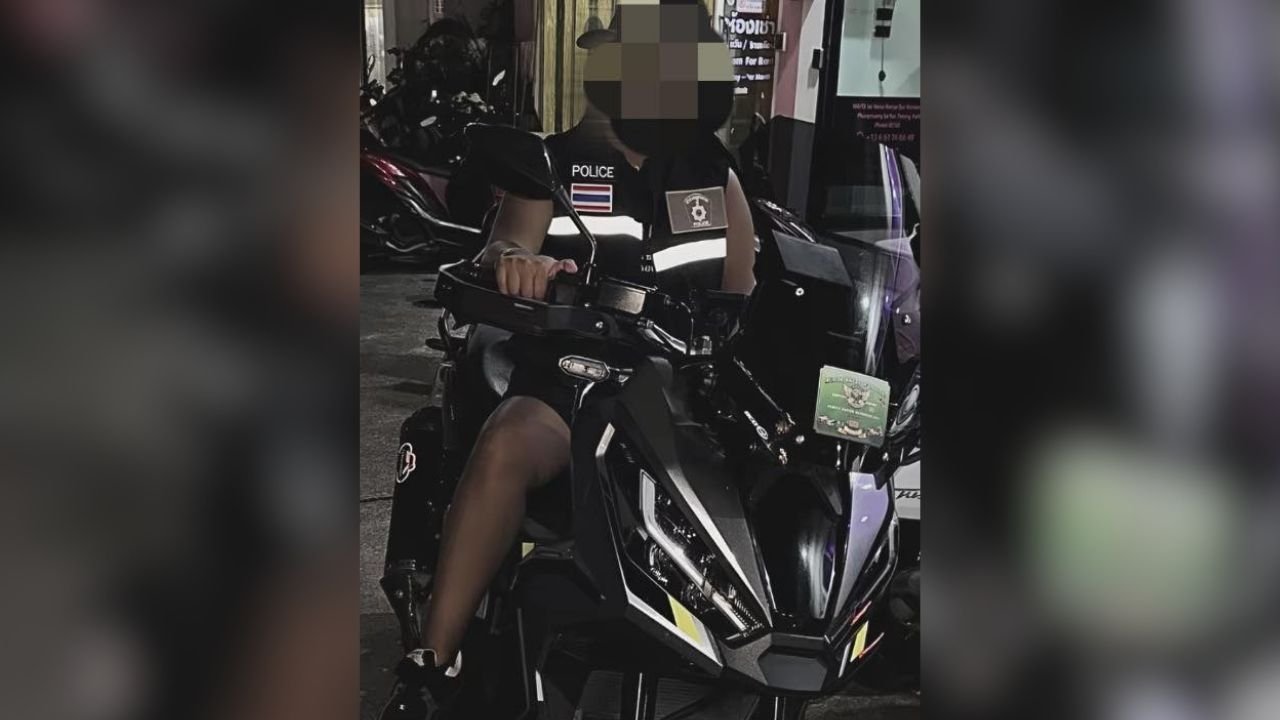
Images showed the woman in a police-style vest, hat, and riding a motorcycle with an emblem resembling a Thai government agency sticker. Speculation grew about her possible connection to law enforcement as well as claims she might have approached tourists offering visa assistance. This triggered calls for an official probe by concerned locals and social media users.
Online reactions varied, with some suggesting the woman might not have been aware of Thai laws regarding impersonating police officers. Violations under the Royal Thai Police Act can result in imprisonment from three months to five years. Additionally, wearing official uniforms without authorization could lead to a year in prison or a fine under the Criminal Law.
As the situation unfolds, the Phuket police have not yet announced any formal investigation. Residents and authorities remain on alert, considering potential legal actions if necessary.
Join the discussion?
Already a member?
Adapted by ASEAN Now · The Thaiger · 22 May 2026
- 16 comments
- 492 views
-

snoop1130