Skip to content
View in the app

A better way to browse. Learn more.

Thailand News and Discussion Forum | ASEANNOW

A full-screen app on your home screen with push notifications, badges and more.

To install this app on iOS and iPadOS
  1. Tap the Share icon in Safari
  2. Scroll the menu and tap Add to Home Screen.
  3. Tap Add in the top-right corner.
To install this app on Android
  1. Tap the 3-dot menu (⋮) in the top-right corner of the browser.
  2. Tap Add to Home screen or Install app.
  3. Confirm by tapping Install.

Thailand News

All the latest news stories from Thailand are written in English. Fresh news and stories from around the kingdom brought to you daily.
Thailand's Department of Health has issued a public warning regarding the heightened risk of heatstroke as temperatures in the North have soared to 40 degrees Celsius, and Bangkok reached 38 degrees on Monday. The Thai Meteorological Department (TMD) forecasts that daytime temperatures will remain high over the next few weeks as summer intensifies. This alert comes as the country braces for continued heat, raising concerns about public health and safety.

Get today's headlines by email

Last year, Thailand experienced 21 heat-related fatalities during a summer where the heat index hit dangerous levels. The TMD has categorized heat index risk bands, ranging from "caution" at 27.0–32.9C to "extremely dangerous" at 52C or higher. Currently, humidity levels could elevate the heat index in some regions, compounding the situation. Authorities emphasize the need for caution as this year's temperatures are projected to surpass those of last year, especially in the North, Northeast, and Central regions.

Experts highlight the potential for summer storms to provide temporary relief in some upper regions of Thailand, with strong winds and isolated hail forecasted for this week. However, these weather conditions may not significantly lower the heat index, which accounts for combined temperature and humidity effects. Medical professionals urge residents to remain vigilant and hydrated to combat heatstroke risks.

Looking forward, temperatures are expected to rise from Tuesday to Sunday according to the TMD. Communities have been advised to take preventive measures such as avoiding outdoor activities during peak heat hours and increasing water consumption. Public safety campaigns and initiatives are likely to be intensified in the coming weeks to mitigate the impact of the severe heat, reported Bangkok Post.

Join the discussion?

Already a member?

  Adapted by ASEAN Now · Bangkok Post · 24 Mar 2026
snoop1130
snoop1130
Thailand has welcomed 8.54 million foreign tourists from January 1 to March 22, 2026, generating approximately 417.216 billion baht in revenue. However, the total arrivals reflect a 2.97% decrease compared to the same period last year. Despite the decline, short-haul markets have shown significant improvement, enhancing inbound tourism numbers recently.

Get today's headlines by email

The Ministry of Tourism and Sports reported cumulative foreign arrivals at 8,544,484, with China as the top source of tourists at 1,377,750 visitors. Malaysia follows with 854,438 visitors, Russia with 668,479, India with 566,337, and South Korea with 391,040. Natreeya Taweewong, the permanent secretary for tourism, highlighted that visitor numbers have exceeded 8.5 million this year.

In the past week, arrivals increased by 7.47% with 675,407 visitors, averaging 96,487 daily. The rise is driven by post-Ramadan and Eid al-Fitr travels among Muslim tourists from Malaysia, Indonesia, and the Middle East. Malaysia notably became the largest source market for the week with 107,485 visitors, up by 73.85% from the previous week.

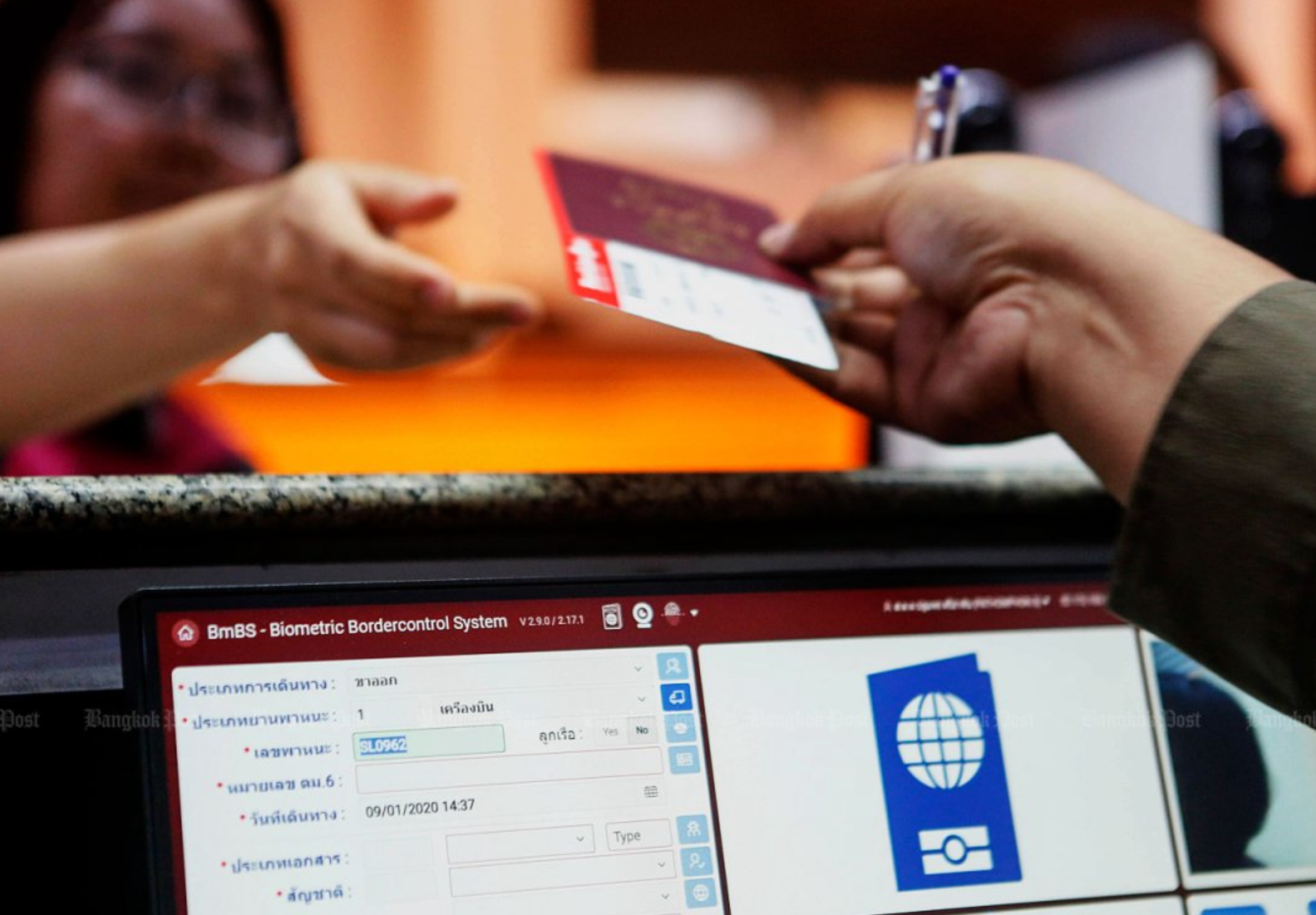
The Ministry attributes some of the visitor increase to government initiatives aimed at stimulating the Chinese market and efforts to bolster Thailand’s safety reputation through the Trusted Thailand campaign. These measures, alongside eased travel policies such as waiving the TM.6 immigration form requirement, are designed to support sustained travel demand.

Moving forward, while some major markets show weekly declines, the government anticipates a slight easing in arrivals. Yet, catalytic factors, including increased airline frequencies and a strengthened safety image, are expected to sustain the travel sector. The tourism industry continues to grapple with annual pressure, but regional short-haul demand remains a vital support, reported The Nation.

Join the discussion?

Already a member?

  Adapted by ASEAN Now · The Nation · 24 Mar 2026
snoop1130
snoop1130
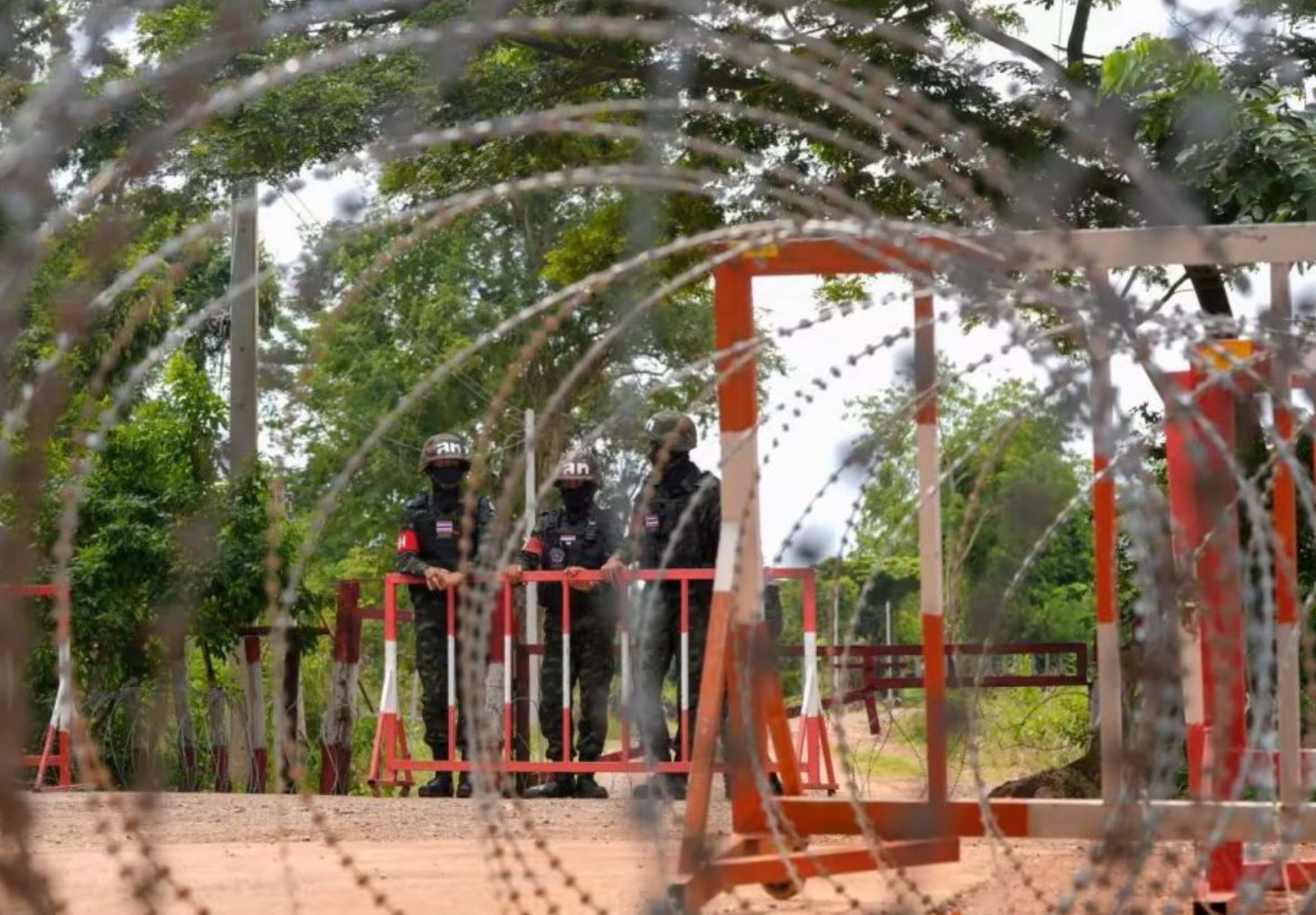
Thailand's army intelligence chief, Lt Gen Teeranan Nandhakwang, issued a warning about a possible third armed conflict with Cambodia due to its increased weapon purchases from Eastern Europe. Though current tensions are managed through international law rather than military action, Teeranan cautions against complacency as regional dynamics evolve. Preparations are advised ahead of potential escalations tied to Cambodia's upcoming general election.

Get today's headlines by email

Cambodia's recent military acquisitions and its forthcoming election are seen as indicators of possible conflict. Although the rainy season might delay immediate tensions, Lt Gen Teeranan stresses maintaining readiness. He urged Thai troops to enhance their training, draw lessons from past conflicts, and ensure combat readiness through stockpiling and preparedness.

Army spokesperson Maj Gen Winthai Suvaree confirmed troop deployments near the border, though not as close as before. Reports indicate Cambodian forces are repositioning away from the Thai border. Winthai assured that the situation is under control, with ongoing surveillance and reinforcement of defensive positions, despite some provocative actions reported.

Both countries have adhered to ceasefire agreements, but minor provocations and boundary disputes persist. Maj Gen Winthai acknowledged the potential for increased tensions linked to Cambodia’s elections but noted such developments hinge on various factors. The Thai military remains vigilant, with defensive measures in place to address any escalations, reported Thai PBS.

Join the discussion?

Already a member?

  Adapted by ASEAN Now · Thai PBS · 24 Mar 2026
snoop1130
snoop1130
The U.S. Embassy in Bangkok on Tuesday morning relayed a “worldwide caution” message from the U.S. State Department, advising Americans abroad to exercise increased vigilance. The alert highlights potential security risks and warns of possible travel disruptions due to periodic airspace closures. It also notes that U.S. diplomatic facilities, including those outside the Middle East, have been targeted.

Get today's headlines by email

The advisory specifically urges Americans worldwide, and especially those in the Middle East, to remain cautious and aware of their surroundings. It states that “Americans abroad should follow the guidance in security alerts issued by the nearest U.S. embassy or consulate.” The message further warns that groups supportive of Iran may target U.S. interests overseas or locations associated with the United States and its citizens.

The warning comes amid heightened global tensions, particularly involving Iran and its affiliated groups, which have historically been linked to threats against U.S. personnel and assets. Such alerts are periodically issued by the U.S. State Department during times of increased geopolitical risk to ensure citizens remain informed and prepared.

Khaosod reported that the embassy emphasised the importance of staying updated through official channels and adhering to local security guidance. Travellers are advised to carefully read the Travel Advisory and detailed information issued by the American government before making plans. This reflects a broader effort to minimise risk by encouraging informed decision-making among U.S. citizens abroad.

Join the discussion?

Already a member?

Adapted by ASEAN Now Khaosod 24 Mar 2026
Georgealbert
Georgealbert
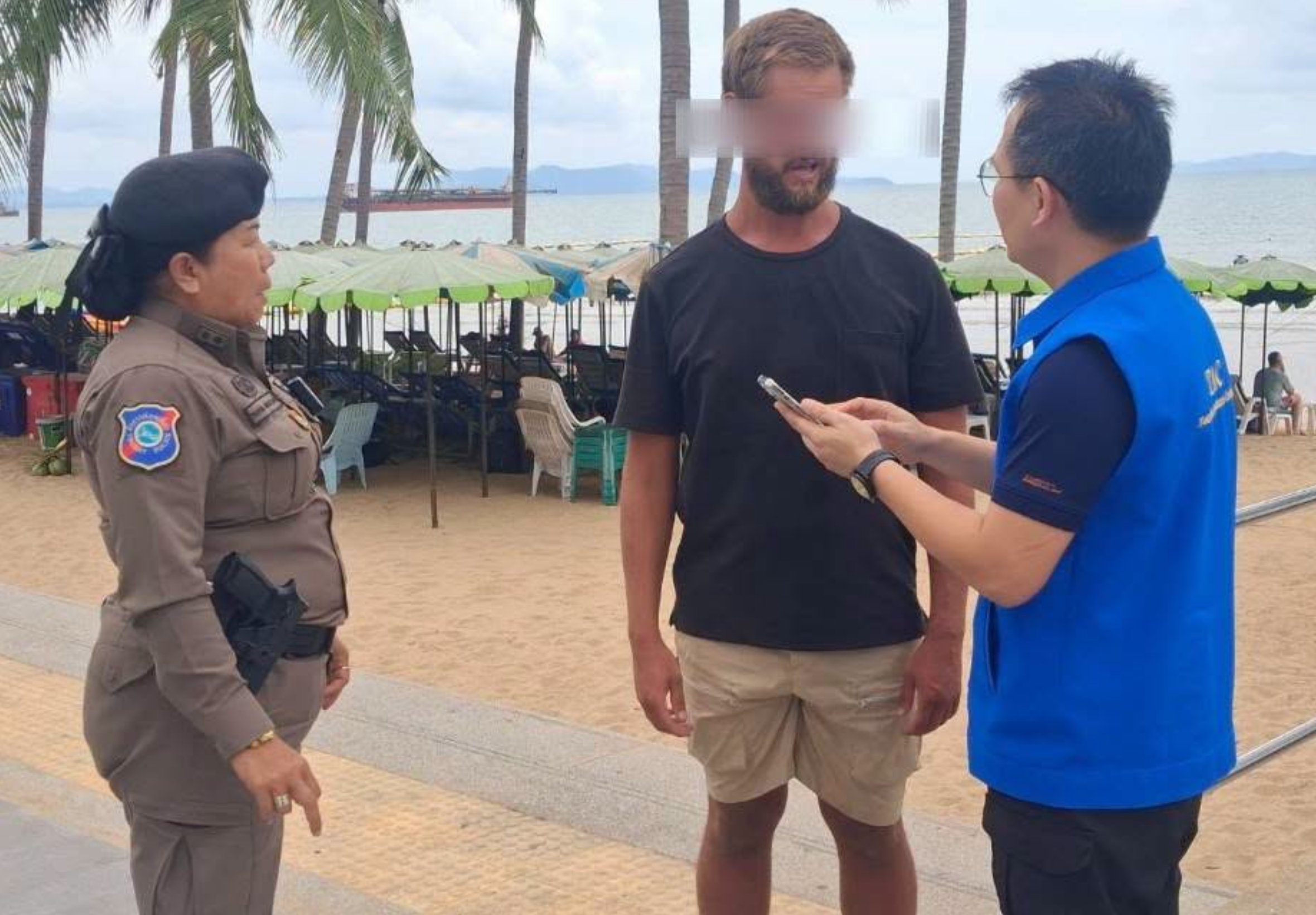
A 71-year-old German tourist was rescued after nearly drowning at Bang Sare beach in Sattahip, Chonburi on Monday afternoon, prompting renewed safety warnings for swimmers. Emergency responders arrived to find the man unconscious on the shore after being pulled from the water by bystanders. Quick action by nearby tourists performing CPR helped restore his pulse before he was taken to hospital for urgent treatment.

Get today's headlines by email

Rescue teams from the Sawang Rojanatham Sattahip Foundation and the emergency unit of Wat Yan Sangwararam Hospital responded around noon on 23 March 2026 after receiving reports of a foreigner struggling in the sea. The man, identified as Mr Wolfgang Kari, had been swimming when he appeared to stand up, become dizzy and fell backward into the water. Witnesses said he later turned face-down, triggering immediate concern among those nearby.


Fellow beachgoers intervened quickly, pulling him from the water and beginning CPR while waiting for emergency services to arrive. Their efforts were credited with stabilising the man before professional responders transported him to hospital. Authorities have not released further details on his condition following admission.

Officials used the incident to remind the public of the risks associated with swimming, particularly for elderly individuals or those with underlying health conditions. They advised against swimming alone and stressed the importance of remaining vigilant in open water. The response highlighted the role of public awareness and rapid assistance in preventing fatalities.

Khaosod reported that emergency services continue to rely on both trained personnel and public cooperation in such situations. The presence of alert bystanders was a key factor in this case.

Authorities are expected to continue promoting water safety guidance to both tourists and residents. Visitors are encouraged to assess their physical condition before entering the water and to seek assistance if feeling unwell.


Pictures courtesy of Sattahip News

Related stories

Russian-tourist-rescued-after-near-drowning-in-river-Kwai-Noi

Lifeguards-rescue-74-year-old-after-Pattaya-drowning

Join the discussion?

Already a member?

Adapted by ASEAN Now Khaosod 24 Mar 2026


Georgealbert
Georgealbert
A social media post has sparked debate in Phuket after highlighting complaints by hotel and restaurant workers about tourists from three nationalities, with immediate attention drawn to alleged problematic behaviour in the province’s hospitality sector.

Get today's headlines by email

The Facebook page “Phuket Times ภูเก็ตไทม์” published a poll described as reflecting views from service industry staff in Phuket, asking which nationalities were considered the most difficult in hotels and restaurants. The post claimed that Israeli tourists ranked highest, followed by Indian and Russian visitors, based on reported behaviour from operators.

According to the post, Israeli tourists were accused of fabricating claims about lost items in accommodation, but hesitating when police involvement was suggested, saying they would search again first. Indian tourists were described as staying multiple people in one room and being prone to complaints and disputes. Russian tourists were alleged to refuse payment after meals by claiming the food was not satisfactory.

The claims quickly gained traction online, with social media users sharing their own experiences and opinions, leading to widespread discussion. The post did not cite formal data or official statistics, but presented the results as feedback from workers in the local tourism and service sectors.

The discussion comes amid ongoing scrutiny of tourist behaviour in key destinations such as Phuket, where the hospitality industry plays a central economic role. While anecdotal accounts often circulate online, such claims can influence public perception and potentially affect relations between businesses and international visitors.

Industry observers note that social media polls may not represent the full picture and can amplify selective experiences rather than balanced data. However, the viral nature of the post highlights underlying tensions and challenges faced by frontline service staff dealing with diverse tourist groups.

Amarin reported that authorities and tourism stakeholders have not issued an official response to the post as of the report’s publication. It remains unclear whether any follow-up actions or investigations will take place regarding the claims made.


Picture courtesy of Amarin

Join the discussion?

Already a member?

Adapted by ASEAN Now Amarin 24 Mar 2026
Georgealbert
Georgealbert
Chiang Mai University (CMU) has unveiled a new unmanned aerial vehicle (UAV) system integrated with artificial intelligence (AI) to tackle flooding, forest fires and PM2.5 pollution in northern Thailand. The innovation, presented on 23 March 2026, aims to deliver highly accurate geographic data and real-time alerts to improve disaster management. Officials say the system could significantly enhance decision-making and environmental monitoring across the region.

Get today's headlines by email

The project is led by the College of Arts, Media and Technology at CMU, with Assistant Professor Dr Phudinan Singkhamphu heading the research team alongside Associate Professor Dr Passithi Charoenkwan. The team presented its work, titled “Development of highly accurate terrain and elevation mapping from UAV aerial imagery,” at the Thailand Clean Air & Water Security Forum 2026 Episode 1: Chiangmai – Lamphun. The research uses photogrammetry combined with high-precision GPS-enabled UAVs to create terrain maps with a margin of error of no more than 10 centimetres.

These high-resolution maps are designed to support flood modelling, including risk assessment, water flow simulation and infrastructure planning. The data can also serve as a foundation for smart city development and future water management systems. Demonstrations showed drones conducting low-altitude surveys to generate detailed mapping platforms for accurate water management.

In addition, CMU has developed UAV systems equipped with AI to detect and monitor forest fires, a major contributor to PM2.5 pollution in the north. The drones can patrol high-risk areas, capture aerial imagery and train AI systems to identify fire and smoke sources with precision. The system can then transmit real-time GPS coordinates of hotspots, with drones capable of flying distances exceeding 60 kilometres.


A key advantage of the innovation is its affordability, with each system costing under one million baht, compared to several million for industrial alternatives. The platform processes drone imagery into large-scale maps and uses AI to automatically identify and report hotspots, producing hourly or daily reports for authorities. It also allows community participation, enabling residents to upload drone data to expand coverage and improve responsiveness.

Experts suggest the system could strengthen coordination between government agencies, local authorities and community fire-fighting teams. By improving access to timely and accurate data, it is expected to enhance emergency response and long-term environmental planning.

Khaosod reported that CMU plans to expand the platform into a fully integrated environmental and disaster data system. This would combine water management, fire surveillance and air quality monitoring to support policy decisions and operational planning, reinforcing the university’s role in driving sustainable development.


Pictures courtesy of Khaosod

Join the discussion?

Already a member?

Adapted by ASEAN Now Khaosod 24 Mar 2026
Georgealbert
Georgealbert
Police Region 5 has announced the arrest of 10 suspects linked to five drug trafficking cases, with authorities seizing more than 21 million methamphetamine pills and 320 kilogrammes of crystal meth. The operations, revealed on 23 March 2026, also resulted in the confiscation of six cars and three motorcycles. The crackdown highlights the scale of narcotics trafficking in northern Thailand.

Get today's headlines by email

The announcement was made by Pol Lt Gen Kritthaphon Yeesakhon, Commissioner of Provincial Police Region 5, alongside senior officers and local officials including Phrae Deputy Governor Khunakon Khachahiran. The cases were carried out across Chiang Rai, Lampang and Phrae provinces, involving coordinated efforts by multiple police stations. Authorities detailed each case as part of ongoing suppression operations targeting drug networks in the region.


Picture courtesy of Khaosod

In the first case, Chiang Khong police in Chiang Rai arrested five suspects and seized 7,000,000 methamphetamine pills, along with one car and three motorcycles. The second case saw Wiang Chai police in Chiang Rai confiscate 3,502,000 methamphetamine pills. In Lampang, Sop Prap police arrested three suspects and seized 320 kilogrammes of crystal meth and three cars in the third case.

The fourth case involved Mae Phrik police in Lampang, who arrested two suspects and seized 2,500,000 methamphetamine pills and two cars. In the fifth case, Song police in Phrae seized 8,000,000 methamphetamine pills. In total, the five operations led to 10 arrests and the confiscation of significant quantities of narcotics and vehicles used in trafficking.

Authorities said the arrests form part of intensified efforts to disrupt major drug distribution networks operating in the upper northern region. The scale of the seizures indicates continued trafficking activity along known routes, with police maintaining pressure through coordinated enforcement.

Khaosod reported that officials are expected to expand investigations to identify additional members of the trafficking networks and trace the origins and distribution channels of the drugs. Further arrests may follow as evidence from the seized materials and suspects is analysed. Police have reaffirmed their commitment to ongoing suppression operations to curb narcotics flow in the region.

AQMMkTv_ZC0VMfEl8WHUYwN958hcanamgSr3i00WDxqTpsWs-GAeYnSKC_KfZJQloDgIqamwdi-xOPJjfIk0dBHvrUItdwDCjBFMMW6kjg.mp4

Related stories

Border-patrol-police-seize-4m-meth-pills-in-Mukdahan-raid

British-man-64-arrested-over-cocaine-sales-in-Bangkok

Join the discussion?

Already a member?

Adapted by ASEAN Now Khaosod 24 Mar 2026
Georgealbert
Georgealbert
Thailand is seeking a role in future lunar and Mars exploration through collaboration with NASA’s Artemis programme, following a new initiative led by the Geo-Informatics and Space Technology Development Agency (GISTDA). The move signals the country’s intent to participate in the emerging global space economy and could position Thai technology within upcoming missions.

Get today's headlines by email

The announcement was made on 23 March 2026 at a national conference on advanced space research held at the Pullman King Power Bangkok. The event was chaired by Prof. Dr. Supachai Pathumnakul, Permanent Secretary of the Ministry of Higher Education, Science, Research and Innovation, and attended by government officials, academics, private-sector representatives, and the U.S. ambassador’s office in Thailand.

GISTDA has joined forces with 40 public and private organisations to prepare for potential collaboration with NASA under the Artemis programme. The initiative aims to return humans to the Moon and lay the groundwork for future missions to Mars, with Artemis III and IV identified as possible opportunities for Thai involvement.

Dr. Nattawat Hongkanjanakul, GISTDA spokesperson, said the world is entering a “New Space Economy”, where both private companies and emerging nations can contribute to areas such as rockets, satellites, and space-based business models. He described the conference as a key step in assessing Thailand’s technological capabilities and drafting a strategic white paper to support future cooperation.

The initiative reflects a broader shift in global space exploration, where partnerships extend beyond traditional spacefaring nations. Thailand’s participation could enable domestic industries and research institutions to integrate into international supply chains and innovation networks linked to space missions.

Officials indicated that the collaboration process will involve evaluating Thailand’s strengths in relevant technologies and aligning them with NASA’s requirements. Engagement with international partners and further development of local expertise are expected to play a central role in advancing the plan.

Khaosod reported that GISTDA and its partners will continue to refine their proposals and pursue formal agreements with NASA. Future progress will depend on the outcomes of the strategic white paper and the readiness of Thai technologies for inclusion in Artemis missions.


Picture courtesy of Khaosod

Related stories

Thailand-Japan-boost-spaceport-and-satellite-plans

Thai-satellite-theos-2-fails-to-reach-orbit-after-launch

Join the discussion?

Already a member?

Adapted by ASEAN Now Khaosod 24 Mar 2026
Georgealbert
Georgealbert
Thailand has designated electric vehicles (EVs) as label-controlled products from March 21, 2026, requiring Thai-language labels with detailed information on pricing, specifications, battery data and safety standards. The move aims to strengthen consumer protection and ensure buyers receive clear, accurate information before making purchasing decisions. Authorities say the change will help the public better understand EV features as adoption continues to rise.

Get today's headlines by email

Deputy Government Spokesperson Lalida Periswiwatana said the measure follows an announcement by the labelling committee and is already in force. The policy reflects growing demand for EVs in Thailand and the need for standardised, transparent information across the market. Officials believe clearer labelling will reduce confusion and allow easier comparison between models.

Under the new rules, businesses must display labels in Thai, or with Thai clearly included, listing essential details such as brand and model, drive system, price, manufacturing date, instructions for use, safety guidance and warning statements. For EVs specifically, labels must include the vehicle type, such as HEV, PHEV, BEV or FCEV, along with motor power, battery type and capacity, driving range per charge, warranty terms and electricity consumption rates. Electrical system safety standards must also be clearly stated.

Imported EVs face additional requirements, including disclosure of the country of manufacture and full importer details to help consumers verify origin. Lalida said the changes are intended to ensure consumers receive accurate, complete and comparable information, reducing the risk of misunderstandings and improving safety in use. The measure is also expected to encourage greater accountability among manufacturers and importers.

The Nation reported that the policy signals increased regulatory oversight as Thailand’s EV market expands. Businesses will need to comply with the labelling standards immediately, while consumers are expected to benefit from improved transparency and confidence in EV purchases. Authorities may continue monitoring compliance and refining consumer protection measures as the market evolves.

Join the discussion?

Already a member?

Adapted by ASEAN Now Nation 24 Mar 2026
Georgealbert
Georgealbert
A tense road rage incident unfolded on 23 March at a red-light junction in Kanchanaburi municipality, when a motorcyclist drew a gun on a 63-year-old driver, causing panic among nearby motorists. The confrontation, captured on video and widely shared online, showed the armed man pointing the weapon while both men argued in the middle of traffic. Other road users fled the scene fearing for their safety before police intervened and brought the situation under control.

Get today's headlines by email

The incident occurred at a traffic light intersection in front of the Jong Charoen housing estate. According to reports, the dispute stemmed from a prolonged driving altercation, with both parties allegedly cutting in front of each other over several hundred metres before stopping at the junction. The motorcyclist, wearing a helmet and face mask, then pulled out a firearm and pointed it at the older driver.


Police later identified the man as a forensic officer attached to the Kanchanaburi Provincial Police. He told investigators he believed the older driver had first drawn a weapon to threaten him, prompting him to respond by producing his own firearm. The situation escalated into a heated verbal exchange while both remained at the lights.

However, the accused driver, Mr Sitthichai, 63, denied threatening the officer with a gun. He stated he had only been carrying the registered firearm after visiting his ancestors’ graves and feared leaving it at home would be unsafe. He claimed the weapon had slipped from under his seat during sudden braking, leading to a misunderstanding that he had drawn it intentionally.

Authorities confirmed that while the firearm was legally registered, Mr Sitthichai did not have a permit to carry it in public. As a result, police at Mueang Kanchanaburi Police Station have charged him with carrying a firearm in a public place without reasonable cause. Both men were taken in for questioning following the incident.


Pictures courtesy of Daily News

The case highlights ongoing concerns over road rage incidents and firearm possession in Thailand, particularly when disputes escalate rapidly in public spaces. The viral footage has drawn public attention to the risks posed by confrontations involving weapons on busy roads.

Daily News reported that investigations are continuing, and police are expected to proceed with legal action based on the findings. Further clarification may emerge as authorities review video evidence and witness statements.

AQM4J0b7DEVZNsbR807EGB-XOtDffPyS7ySqk-K3UXJqiY7ySY65cZvVJS4DFj_t4_XmyZU8VR7a6bp6bBN1D_nLIPGuOiRw--LxBmY-XA.mp4

Join the discussion?

Already a member?

Adapted by ASEAN Now Dailynews 24 Mar 2026
Georgealbert
Georgealbert
The Commerce Ministry is preparing to expand its list of price-controlled goods by 12 items, increasing the total from 59 to 71, in a move aimed at easing cost-of-living pressures. The Department of Internal Trade (DIT) will submit the proposal to the Committee on the Price of Goods and Services on March 25. The new additions are expected to focus mainly on everyday essentials to strengthen oversight amid fluctuating input costs.

Get today's headlines by email

The move follows ongoing government efforts to manage rising consumer prices and protect households from economic strain. According to Wittayakorn Maneenetr, director-general of the DIT, the ministry is closely monitoring goods under the current system. Of the existing 59 controlled items, eight require prior approval before any price increase, while 22 require businesses to notify authorities of price changes, with some also subject to transport reporting requirements.

Authorities have already tightened controls on six essential household products, namely toilet paper and tissues, shampoo, laundry detergent and cleaning liquids, dishwashing products, sanitary pads and soap. These items were recently shifted from notification-only rules to stricter measures requiring approval before any price increase. The ministry is also considering expanding the list of goods requiring prior approval to around 13 items, pending committee review.

The proposed expansion reflects broader policy efforts to stabilise consumer prices and ensure transparency in the market. By increasing the number of controlled goods and tightening regulations on key essentials, the government aims to limit sudden price hikes and provide greater protection for consumers. These measures are being implemented alongside other economic tools to address cost volatility.

The Nation reported that the Commerce Ministry plans to finalise the expanded list promptly after committee consideration on March 25. The proposal, chaired by the Commerce Minister, is expected to enhance the effectiveness of price-control mechanisms. Further announcements on the final list and implementation details will follow once approval is granted.


Picture courtesy of The Nation

Join the discussion?

Already a member?

Adapted by ASEAN Now Nation 24 Mar 2026
Georgealbert
Georgealbert
A passenger truck suffered brake failure and crashed into a house in Rayong province on the morning of 23 March 2026, leaving seven workers injured and causing extensive property damage. The crash occurred at around 06:00 at the Sam Yaek Khai Luk junction in Nong Lalok subdistrict, Ban Khai district. Emergency responders transported the injured, all Myanmar nationals, to Ban Khai Hospital for treatment.

Get today's headlines by email

Police from Ban Khai Police Station and local rescue units arrived at the scene after receiving reports of a collision involving multiple vehicles. The truck, carrying 17 workers from Nikhom Phatthana district to Nong Lalok, reportedly lost braking control at a curved traffic light junction. It first clipped a van before veering off and crashing into a residential property.


The vehicle struck a house awning, a car, a sidecar motorcycle, and an eleci pole, causing significant damage. The driver, identified as Udom, 49, stated that the brakes malfunctioned as he approached the intersection, making it impossible to control the vehicle.

The homeowner, Somthawin, 57, said he was inside at the time and heard a loud impact before discovering the damage. He reported that a car, a sidecar motorcycle, and parts of the house structure were affected. He added that he was not alarmed, as crashes frequently occur at the junction.


Picture courtesy of Naewna

Naewna reported that authorities documented the scene and are continuing an investigation to determine the exact cause of the brake failure and any potential legal action. The incident has renewed concerns about road safety at the intersection, which locals say is prone to crashes.

AQMYtsc0Vl0YvZ_h4J7__yPHzuLP1I9WS8IrmhxUW-Jag1R7s0_hQTnRQJT5sqgOxHi72MTUDq6FetFfCZXBVEA7sHW8NP45q54863swrQ.mp4

Related stories

Bus-crash-in-Cha-Am-injures-dozens-of-passengers

Migrant-workers-injured-in-Chonburi-crash

Join the discussion?

Already a member?

Adapted by ASEAN Now Naewna 24 Mar 2026
Georgealbert
Georgealbert
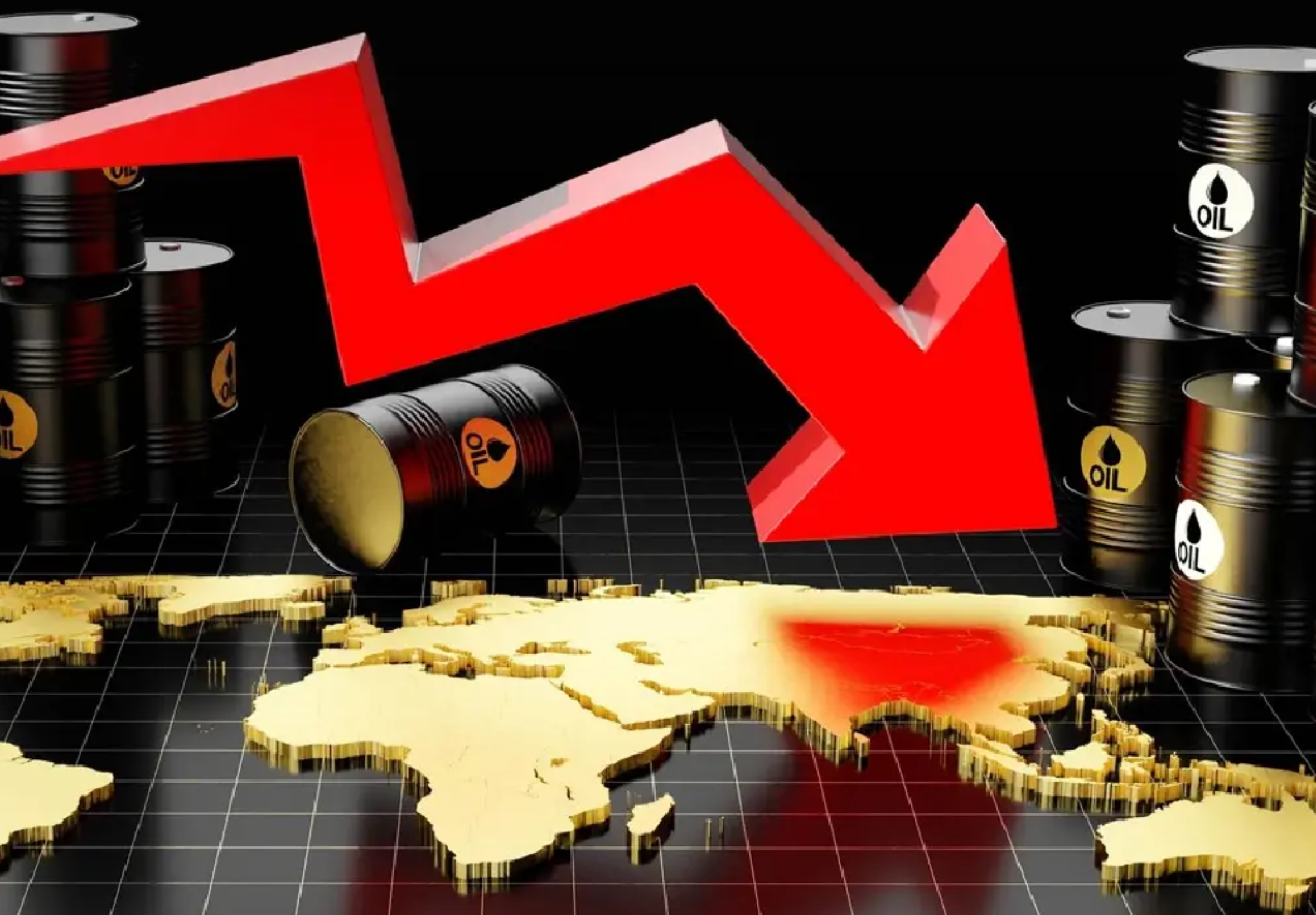
Anutin Charnvirakul has formally begun a second term as prime minister and is moving to form a Bhumjaithai-led cabinet, facing  major pressure points that could shape his administration. Analysts warn of immediate risks including an energy crisis, rising public debt, inflation, US trade pressures and politically sensitive legal cases. These issues are described as “ticking time bombs” requiring urgent and coordinated government action.

Get today's headlines by email

The challenges come amid heightened global and domestic uncertainty, particularly due to prolonged Middle East tensions affecting oil supply. Concerns around the Strait of Hormuz have increased price volatility. Thailand’s Oil Fuel Fund is already more than 12 billion baht in deficit following a 15-day diesel price freeze, while public debt has reached about 66% of GDP, or over 12.66 trillion baht, nearing the 70% fiscal ceiling.

Experts highlight the compounded risks of global trade tensions and domestic economic strain. The United States is pursuing protectionist policies under Section 301 targeting countries with trade surpluses, including Thailand, focusing on goods such as automobiles, machinery and rubber. Nonarit Bisonyabut of the Thailand Development Research Institute warned that government measures on oil, gas and key industrial inputs may only stabilise conditions for three to four months, adding that prolonged conflict could disrupt supply chains and drive inflation. He also cautioned that reliance on debt-funded subsidies and short-term stimulus could pose long-term economic risks.

Rising oil prices are already feeding into inflation and living costs, with the Commerce Ministry signalling a potential shift after months of negative inflation. The National Economic and Social Development Council estimates inflation could reach 1.9% if oil exceeds US$100 per barrel and potentially surpass 3% if prices rise beyond US$120. Consumer confidence stood at 53.7 in February 2026, the highest in nine months but still below 100, reflecting ongoing concerns over weak purchasing power. Political stability is also under scrutiny due to cases such as the Khao Kradong dispute and a Senate collusion investigation, which could affect confidence in the government.

The Nation reported that the government is expected to prioritise energy supply management, price controls and international trade negotiations while reassessing fiscal policy. Anutin has indicated that fuel shortages should ease within two weeks, while ministers are accelerating efforts to secure alternative energy sources, including oil imports from Russia. Analysts stress the need for longer-term solutions, including energy-saving measures and expanded trade agreements, as short-term tools may prove insufficient if global instability persists.

Join the discussion?

Already a member?

Adapted by ASEAN Now Nation 24 Mar 2026
Georgealbert
Georgealbert
A foreign man named Abel is searching for his Thai wife, Mali Chumvangwaphee, and their son, after receiving a letter and photos sent nearly 60 years ago. The items were posted by Facebook user Bubba Homes in the “This is Khon Kaen” group. Abel's son would now be about 56 to 60 years old, while Mali would be around 78 to 85.

Get today's headlines by email

The letter was dated April 11, 1966, the day after their son was born in Khon Kaen. Mali requested financial support, questioning whether Abel's friend had accurately delivered the $15 she mentioned. She explicitly included her address, 43/1 Chainarong Road, showing she resided in Mueang district at that time.

The photographs Abel received included Mali with a newborn and a baby boy lying on bedding. These images suggested they were living in an elevated wooden house with corrugated iron, possibly with other family members. Community members responded, but none recognized Mali.


Photo via Facebook/ Bubba Homes

Social media users, particularly those from Khon Kaen or with the same surname, engaged with the post, though many didn't recognize Mali or her son. The surname was noted as common in Khao Suan Kwang district, sparking curiosity about Abel's long-delayed search and past support efforts. Calls were made for Thai media involvement to assist Abel.

Looking forward, the search continues as Abel relies on social media and possibly Thai media to locate his family. The community's involvement could play a crucial role in reuniting them after decades apart, reported The Thaiger.

Join the discussion?

Already a member?

  Adapted by ASEAN Now · The Thaiger · 23 Mar 2026
snoop1130
snoop1130
Thailand is implementing oil sales limits nationwide due to concerns about scarcity and hoarding amid ongoing conflicts in the Middle East. The Tak governor, Chusak Rooying, has intensified monitoring efforts in response to threats of fuel smuggling across the border into Myanmar. The situation escalated on March 22, 2026, when authorities discovered a fuel truck in Mae Sot district suspected of intending to ship diesel to Myawaddy, Karen State, Myanmar.

Get today's headlines by email

Authorities responded swiftly, inspecting the truck parked by the Moei River after reports of suspicious activity. The search revealed the operation involved 20,000 litres of diesel prepared for illegal transport to Myanmar. Additional equipment, including several large containers and drums, was found nearby at a warehouse associated with the operation.

Following these discoveries, officials seized the vehicle and fuel, initiating legal actions against those involved. Two individuals, Pisit Chanphut and Myanmar national Nya Hnai Oo, were detained for attempting to export goods without customs procedures. They confessed to planning to send all the fuel across the border.

Governor Rooying directed Mae Sot district to enforce stricter inspections to curb hoarding and prevent illicit fuel transport. He warned that such activities could jeopardize Thailand’s economic and energy security, urging the public to report any suspicious activities to authorities, reported The Nation.

Join the discussion?

Already a member?

  Adapted by ASEAN Now · The Nation · 23 Mar 2026
snoop1130
snoop1130
A Chinese man suffered serious injuries after falling off a pickup truck traveling at high speed in Rayong province. The accident occurred at the Marp Toei–Khu River intersection in Pluak Daeng district. The man, whose identity was not disclosed, was found with an overturned refrigerator and taken to Pluak Daeng Hospital.

Get today's headlines by email

The incident took place around 5pm on March 21. Reports indicate the injured man, approximately 40 years old, was a passenger in the back of a pickup truck. He was reportedly holding a refrigerator that was improperly secured.

The refrigerator fell onto the road when the driver increased the vehicle's speed. Fortunately, other motorists avoided additional accidents by stopping in time. There have been no updates on the injured man's status or if he remains hospitalized, and no legal consequences have been reported.

Rescue teams have advised the public to secure items like refrigerators when transporting them in trucks. They emphasized driving at lower speeds to prevent similar incidents. In a related case, a separate accident involving Chinese nationals occurred in Pattaya, where a driver accidentally hit and killed a friend, reported The Thaiger.


Join the discussion?

Already a member?

  Adapted by ASEAN Now · The Thaiger · 23 Mar 2026
snoop1130
snoop1130
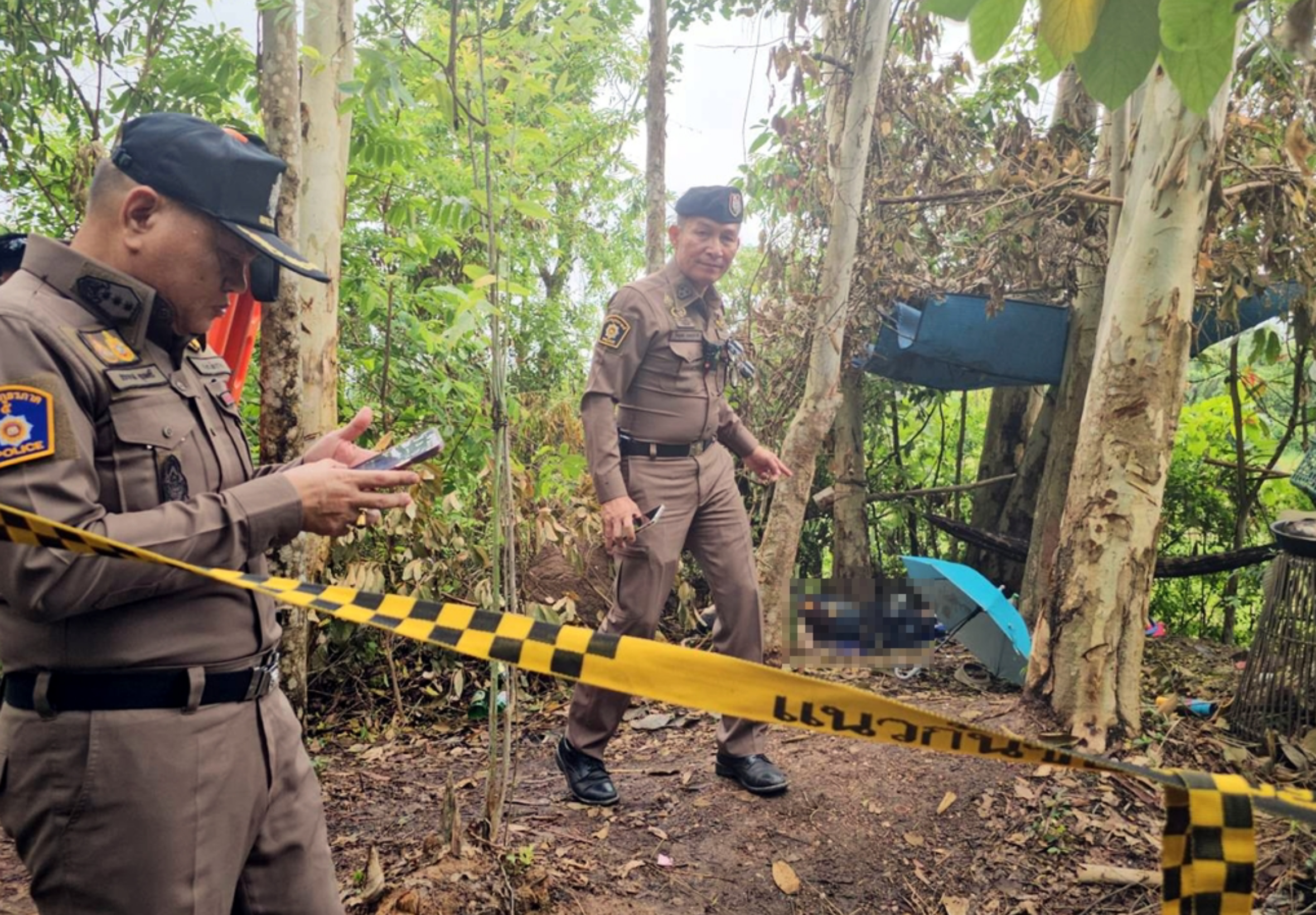
A Filipina woman has been arrested following the discovery of a newborn boy in a rubbish bin at a Bangkok shopping mall. On March 20, around 4:20 PM, a cleaner found the infant’s body in a trash bag in the women’s bathroom at a mall in Khlong Toei. The cleaner reported the finding to mall security, who then notified the police.

Get today's headlines by email

The investigation revealed CCTV footage of a foreign woman acting suspiciously in the area. She was seen exiting the bathroom with a pink suitcase and a white tote bag. Authorities identified her as 25-year-old Jovelyn Canino Cardienete and tracked her to Krung Thep Apiwat Central Terminal where they found bloodstains on her footwear.

Medical examinations confirmed that Cardienete had recently given birth and required medical treatment. She was provided with necessary care, including an injection and stitches, at Police General Hospital and remained under police supervision overnight. Currently, police are awaiting further confirmation through lab testing and an autopsy.

If confirmed as the mother, Cardienete faces a charge under Section 199 of the Criminal Law for illegal handling of a corpse. This could result in up to one year in prison, a fine of up to 20,000 baht, or both. The investigation remains ongoing as authorities aim to complete the necessary tests to confirm maternity, reported The Thaiger.

Join the discussion?

Already a member?

  Adapted by ASEAN Now · The Thaiger · 23 Mar 2026
snoop1130
snoop1130
A Russian national was arrested in Chon Buri on March 19 as he attempted to withdraw cash tied to a call centre scam from an ATM. This significant development comes as Chon Buri Provincial Police crack down on scams involving foreign nationals. The gang has been linked to 198 ATM withdrawals, totalling over 4.6 million baht.

Get today's headlines by email

Officers observed unusual patterns, with multiple withdrawals made by foreigners at different ATMs in the Na Jomtien area. Specifically, 93 transactions amounting to 2.1 million baht were made at an ATM near Soi Na Jomtien 4, while 105 withdrawals worth 2.5 million baht occurred at another ATM nearby. This suspicious activity led to further investigations by the authorities.

The arrest involved 20-year-old Russian Mark Zhambalov, who was caught in the act of withdrawing cash at an ATM in Huai Yai subdistrict. Evidence seized included 96,000 baht in cash, an iPhone 13, and a blue Yamaha NMAX motorcycle. Despite the seizure, police have not disclosed further details about the broader scam operation.

Zhambalov faces charges under Section 269/5 of the Criminal Law for misuse of another person’s electronic card, which can result in up to five years in prison, a 100,000 baht fine, or both. Additionally, he is charged with fraud, carrying a penalty of up to three years in jail or a 60,000 baht fine, or both.

As the investigation continues, authorities aim to dismantle the entire network involved in the scam. This case highlights the ongoing challenges in combating sophisticated scam operations employing advanced tactics and wide-reaching networks, reported The Thaiger.

Join the discussion?

Already a member?

  Adapted by ASEAN Now · The Thaiger · 23 Mar 2026
snoop1130
snoop1130
Police are actively investigating the assault of a Japanese tourist in Pattaya, Thailand, that gained attention after videos went viral on social media. The footage shows a group of Thai men, including a motorcycle taxi rider, attacking the tourist, identified as 25-year-old Kosei Kanasashi, on a busy road. The incident, which occurred on March 21, left Kosei with severe injuries, including bruises and bleeding, necessitating medical attention.

Get today's headlines by email

Clips circulating online reveal Kosei attempting to flee as several men chased and attacked him. Another video shows a motorcyclist knocking him down, after which Kosei managed to get up and continue running. This shocking event unfolded in front of numerous witnesses, including both locals and foreign tourists, who called rescuers to the scene. The rescue team reported that Kosei began vomiting blood due to his injuries, which led to his hospitalization despite his initial refusal of treatment.

The assault is believed to have stemmed from a disagreement over a lost mobile phone belonging to Kosei's friend. Reportedly, the phone was dropped and picked up by a taxi rider who allegedly refused to return it, leading to an argument that escalated into violence. Despite the severity of the incident, police have been hampered in their investigation due to Kosei's reluctance to file a formal complaint or provide detailed information.

Investigations revealed that the attack began after Kosei walked out of Pattaya’s Walking Street and was approached by a group of men near a taxi shelter, escalating into the physical confrontation captured in the viral videos. For now, authorities are limited to collecting evidence as they await a formal statement from Kosei to take legal action against those involved, reported The Thaiger.

AQMiPEitzVkn--t3MiehgI9POBmenyZx-e-jBQH9xLl2yCKGY0z2VFJKiiGDaex28RJ9UqvHks8XaPkjbNrQRh1Lj1HcWimiSAeQyeY6cA.mp4

Join the discussion?

Already a member?

  Adapted by ASEAN Now · The Thaiger · 23 Mar 2026
snoop1130
snoop1130
Thai households are being advised to grow vegetables and raise animals in response to escalating living costs, as a result of the Middle East crisis. During a Senate session on March 23, Senator Patima Jiraphat highlighted the impact of rising energy prices on goods, mentioning a recent increase in egg prices by 20 satang per piece. He warned that essential goods like Mama instant noodles, noted for their affordability, could also face price hikes.

Get today's headlines by email

The senator emphasized the importance of careful monitoring by the Commerce Ministry to ensure that price increases reflect actual production costs, rather than opportunistic pricing. He called for transparency in any price adjustments, urging that they be accompanied by clear explanations of cost structures and percentage increases. The senator stressed that unjustified sharp price hikes should be avoided.

Patima noted that the crisis extends beyond energy, impacting a variety of products such as plastics due to increased raw material costs. As a potential solution, he recommended boosting the use of biodiesel in agriculture and encouraging households toward self-sufficiency. He proposed that families grow vegetables, keep two chickens, and cultivate fish as long-term measures for stability if global tensions continue to rise, reported Khaosod.

Join the discussion?

Already a member?

  Adapted by ASEAN Now · Khaosod · 23 Mar 2026
snoop1130
snoop1130
The ongoing conflict in the Middle East, initiated on February 28, 2026, is significantly affecting global supply chains. Shipments of crude oil and petrochemicals through the Strait of Hormuz have been disrupted, leading to halted operations at some plants and a surge in crude prices. Notably, SCC’s Rayong Olefins (ROC) plant in Thailand has suspended operations due to naphtha and propane shortages.

Get today's headlines by email

The crisis has led to a sharp increase in plastic resin prices, rising by 30-40%, impacting the frozen food and consumer goods industries. Kriengkrai Thiennukul, chairman of the Federation of Thai Industries, emphasized the urgent need for the Thai government to secure alternative petrochemical feedstocks to prevent further disruptions. The halting of production lines highlights the vulnerability of supply chains reliant on the Strait of Hormuz, a crucial passage for Thailand's energy and petrochemical transportation.

Disruptions are extending to other sectors, with imports of chemical fertilizers and aluminum ingots also affected. A helium shortage from Qatar poses further threats to semiconductor production worldwide. Supakit Boonsiri from the Office of Industrial Economics noted that the closure of the Strait makes a direct impact on raw material costs for three critical feedstocks: naphtha, ethylene, and propylene.

Naphtha is essential for producing various plastic resins like polyethylene, used extensively in food packaging, while ethylene is vital for polymers and medical products. Propylene is crucial for manufacturing multiple polymers, including those used in automotive and medical industries. Industries dependent on these materials, such as textiles, cement, glass, and petroleum, are particularly vulnerable.

As the conflict continues, securing backup sources for these key raw materials becomes imperative. Thai industries must adapt to mitigate potential shortages that could have cascading effects on production and supply chains, reported The Nation.

Join the discussion?

Already a member?

  Adapted by ASEAN Now · The Nation · 23 Mar 2026
snoop1130
snoop1130
Consumers in Thailand are experiencing increased pressure from escalating living expenses, driven primarily by soaring fresh food prices. The costs of pork, chicken, and eggs have particularly surged, impacting household budgets significantly. These price hikes occur amid geopolitical tensions in the Middle East, which have led to higher energy costs and disrupted global supply chains, despite the Commerce Ministry's assurance that no controlled goods have raised prices and price controls are still enforced.

Get today's headlines by email

Data from the Internal Trade Department highlights a clear rise in chicken prices, with chicken drumsticks and thighs increasing from Bt80-Bt85 to Bt90-Bt95 per kilogramme and Bt85-Bt100 to Bt95-Bt100, respectively, since early March. Pork prices have seen an even steeper increase, with lean pork climbing from Bt145-Bt150 per kilogramme to Bt150-Bt165 as of March 20. This trend correlates with data from the Office of Agricultural Economics, showing live pig prices at the farm level in Nakhon Pathom escalated by Bt6 per kilogramme.

Egg prices are also affected, with size 3 eggs increasing from Bt3.5-Bt3.6 to Bt3.7-Bt3.8 each. Small retail shops are reportedly selling eggs for over Bt4 each, compounding the financial pressure on households that consider eggs a dietary staple. Despite the Ministry's stance, sources indicate a contradictory scenario painted by official data, suggesting cost increases are being passed along the supply chain to consumers.

Several market consumers report paying more than the prices suggested by authorities, highlighting a need for governmental intervention to address these discrepancies. They urge a thorough investigation and effective measures to prevent the soaring living costs from overwhelming low-income families.

Looking forward, the situation's trajectory remains uncertain, influenced by continuing global conflicts and their impact on supply chains. Authorities may face increased pressure to implement stricter enforcement of price controls and provide relief to affected consumers. The effectiveness of these measures will be crucial in mitigating financial strains on Thai households, reported The Nation.

Join the discussion?

Already a member?

  Adapted by ASEAN Now · The Nation · 23 Mar 2026
snoop1130
snoop1130
Thai Airways has raised ticket prices by 10% to 15% due to increased jet fuel costs, driven by Middle East unrest. CEO Chai Eamsiri highlighted that fuel prices surged from US$80 to US$220 per barrel, significantly impacting operational expenses. This fare increase aims to offset the rising costs; however, flight services continue unaffected on non-Middle Eastern routes.

Get today's headlines by email

The escalation in fuel prices is linked to ongoing tensions involving a US-Israel coalition and Iran, which have disrupted energy markets. Thai Airways, while adjusting fares, finds the situation less severe than the COVID-19 period when operations were halted entirely. Despite price adjustments, a notable 10% decline in advance bookings compared to last year indicates reduced travel confidence among passengers.

Chai mentioned that further fare hikes might be necessary if the situation persists. Thai Airways' executive board is convening this week to formulate a short-term strategy focused on cutting unnecessary expenses. The airline aims to sustain operations without the drastic conditions experienced during its prior business rehabilitation phase.

Revenue projections for Thai Airways, originally set at 200 billion baht for this year, might be revised due to the volatile situation. Investment plans are currently on hold to preserve cash reserves. Meanwhile, the Civil Aviation Authority of Thailand (CAAT) is coordinating reduced domestic flight prices by 30% for the Songkran festival, despite expectations of lower domestic travel due to the global uncertainty, reported The Thaiger.

Join the discussion?

Already a member?

  Adapted by ASEAN Now · The Thaiger · 23 Mar 2026
snoop1130
snoop1130
Suvarnabhumi International Airport has achieved a higher ranking, moving up to 36th position in the 2026 World's Best Airport list, as announced by Airports of Thailand (AOT). This marks an improvement from its previous ranking of 39th, reflecting positive developments in airport services. Don Mueang International Airport also saw progress, moving to seventh place in the Best Low-cost Airline Terminals category.

Get today's headlines by email

The rankings, released under a global airline and airport rating programme, underscore the enhancements made at these airports, particularly in handling 60 to 70 million passengers annually, where Suvarnabhumi placed fourth. AOT attributes these advances to continuous service upgrades and the adoption of technology aimed at improving passenger experience.

Expert opinions highlight the survey by Skytrax, involving air travellers worldwide, as an indicator of these airports' capability to manage large passenger volumes while maintaining high service standards. According to AOT, improvements in areas like service speed, cleanliness, safety, and staff friendliness have contributed to these better rankings.

Looking forward, AOT CEO Paveena Jariyathitipong stated the organisation's commitment to upgrading all airports under its management to serve as a world-class transport hub. This pledge comes amid recent complaints from passengers about staff behavior at security checkpoints, prompting Suvarnabhumi Airport to apologize and provide additional training for its officers, reported The Thaiger.

Join the discussion?

Already a member?

  Adapted by ASEAN Now · The Thaiger · 23 Mar 2026
snoop1130
snoop1130

Account

Navigation

Search

Search

Configure browser push notifications

Chrome (Android)
  1. Tap the lock icon next to the address bar.
  2. Tap Permissions → Notifications.
  3. Adjust your preference.
Chrome (Desktop)
  1. Click the padlock icon in the address bar.
  2. Select Site settings.
  3. Find Notifications and adjust your preference.