



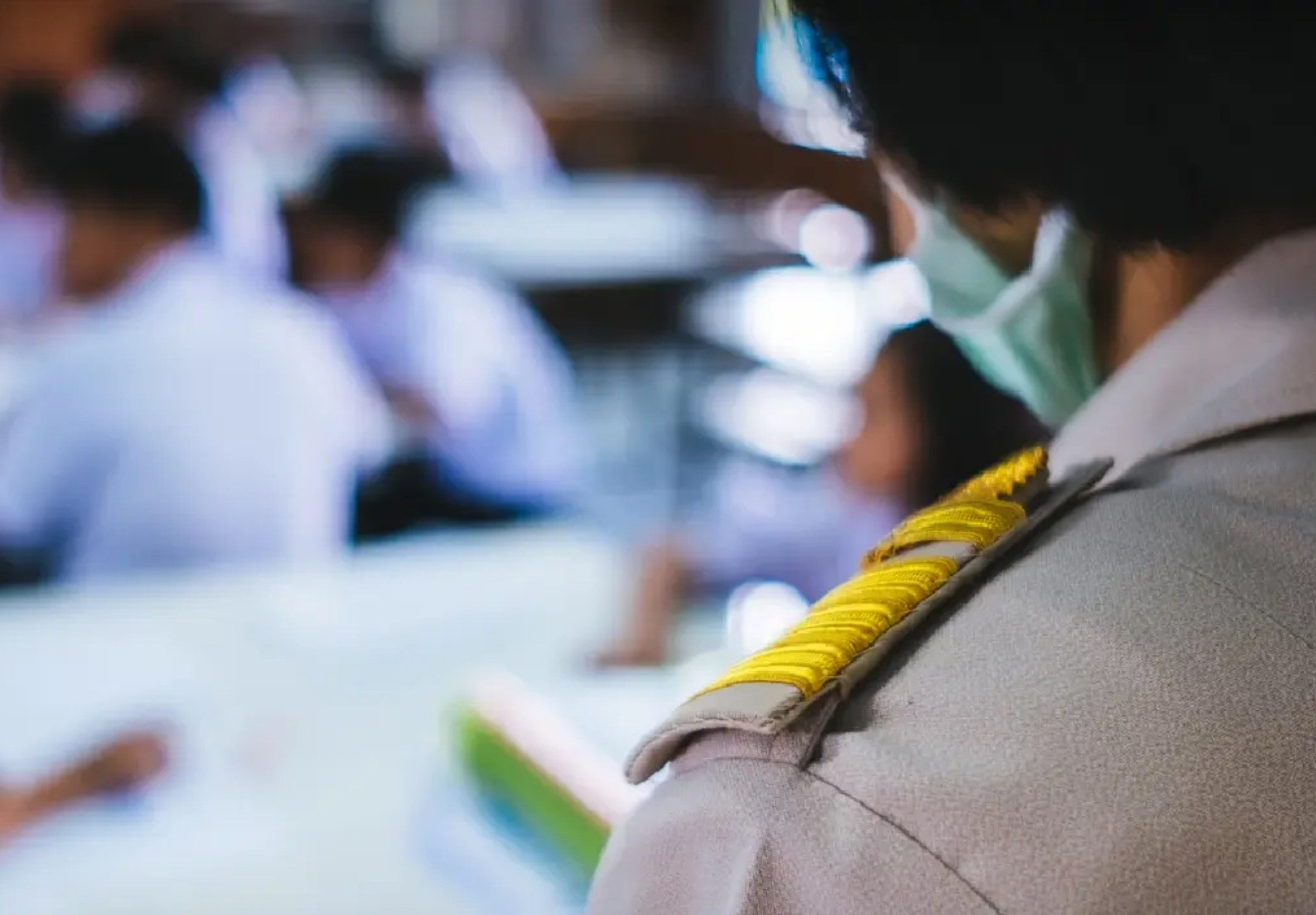

A new NIDA Poll has found that Thais want the Education Ministry to eliminate hidden school costs and reduce inequality in education quality ahead of the 2026 academic year. The survey showed that 35.42% of respondents want free education to involve no additional expenses within one year, while 35.04% said the most urgent issue was the gap in quality between local schools and well-known urban institutions.
Get today's headlines by email 
The poll, titled “Hopes for the new 2026 school term: Voices to the Education Minister on the mission to tackle inequality”, was conducted by the NIDA Poll Centre at the National Institute of Development Administration in partnership with Thailand Education Partnership (TEP). It surveyed 1,310 people aged 18 and over nationwide between April 30 and May 5, 2026.
Respondents identified hidden costs in supposedly free education as their top concern. Another 13.51% wanted the ministry to reduce overlapping projects and ease teachers’ paperwork burdens, while 12.29% called for a competency-based curriculum better suited to a technology-driven world.
Further priorities included allocating education budgets according to local needs, particularly for small and remote schools, supported by 9.08% of respondents. Another 8.70% backed the creation of a Human Capital Superboard to improve links between education and labour market demands, helping graduates secure employment and stable incomes.
Concerns about inequality extended beyond costs. The poll found that 24.50% believed children study too hard without gaining practical life skills, while 23.59% highlighted student safety and mental health issues, including bullying, drugs and stress. Teacher workload was also raised, with 15.95% saying teachers have too many responsibilities outside teaching.
Public confidence in Thailand’s education system remained divided. While 41.45% said they were fairly confident the system could provide children with a secure future, 29.77% said they were not very confident and 11.53% said they had no confidence at all. Only 17.25% said they were very confident in schools’ ability to educate and care for children effectively.
When asked whether schools were preparing children for modern life, 46.41% described current teaching methods as fairly good. However, 33.89% said schools still relied too heavily on memorisation and did not provide practical workplace skills, while 8.40% said the system could not meet modern demands at all.
The clearest sign of improvement, according to 28.78% of respondents, would be students graduating and finding jobs in their chosen fields with suitable salaries. Others pointed to stronger English communication skills, reduced teacher paperwork and lower education costs for families as key indicators of progress.
The Nation reported that NIDA Poll said the survey used probability sampling from its Master Sample database and multi-stage sampling methods. Telephone interviews were conducted with a margin of error of no more than five percentage points at a 97% confidence level.
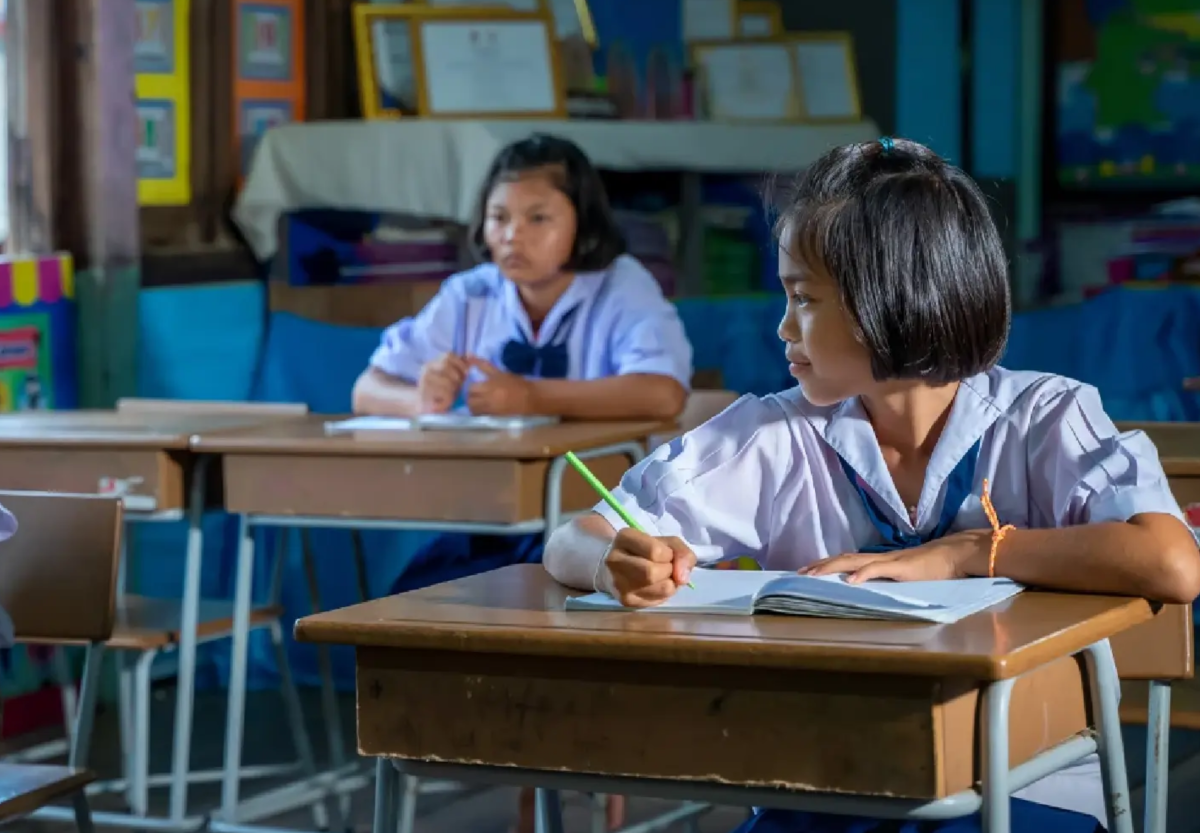
Picture courtesy of The Nation
Join the discussion? 
Already a member? 
 Adapted by ASEAN Now Nation 18 May 2026
Recommended Comments
Create an account or sign in to comment