





The Thai Hotels Association (THA) has warned that forward bookings for the second quarter of 2026 are weaker than last year, as airfares surge and uncertainty rises due to the ongoing Middle East crisis. THA president Thienprasit Chaiyapatranun highlighted concerns over Q2 performance, noting that while Q1 targets were met, Q3–Q4 markets remain in a “wait-and-see” mode.
The THA met to assess the impact of the Middle East conflict on Thailand’s hotel sector. The association reported that southern resorts, such as Koh Phangan, are losing Israeli visitors, while airfares have increased by up to 200% due to airline route changes. Northern regions are facing compounded challenges from the conflict, severe PM2.5 haze, and reduced Israeli tourism, causing Songkran bookings to fall to 50–60% of usual levels.
Get today's headlines by email 
In the East, Q2 bookings are down 10–15%, with concerns that higher oil prices may deter domestic travel over Songkran, although Pattaya benefits from Russian tourists shifting from Phuket. Western operators report milder effects from the Middle East crisis but are wary of last-minute bookings and domestic travel costs. Central Thailand, including Nakhon Nayok, has seen government and state enterprise meetings decline due to delayed or cancelled budgets, while Bangkok’s Songkran bookings lag last year and the MICE segment has yet to confirm bookings for the second half.
Thienprasit identified short-haul markets with potential, including China, India, South Korea, Indonesia, Taiwan and Malaysia, while long-haul interest remains steady from the United States, Nordic countries, Russia, CIS markets, and Australia. THA’s four-pronged strategy focuses on retaining existing customers, adjusting nationality mix, improving operational efficiency, and preparing a recovery plan for when aviation conditions normalise.
The association proposed eight measures to the government, including delaying a proposed foreign tourist entry fee, urgent action on PM2.5 pollution, reviewing visa policy, reducing energy and oil costs, launching domestic tourism stimulus schemes, supporting budgets for meetings and private-sector events, facilitating charter flights and improving liquidity support for operators ahead of a weaker low season.
The Nation reported that THA officials emphasise that immediate government action is crucial to stabilise tourism and enable rapid recovery once external conditions improve. The association continues to monitor forward bookings and market trends closely as uncertainty persists in Q2.
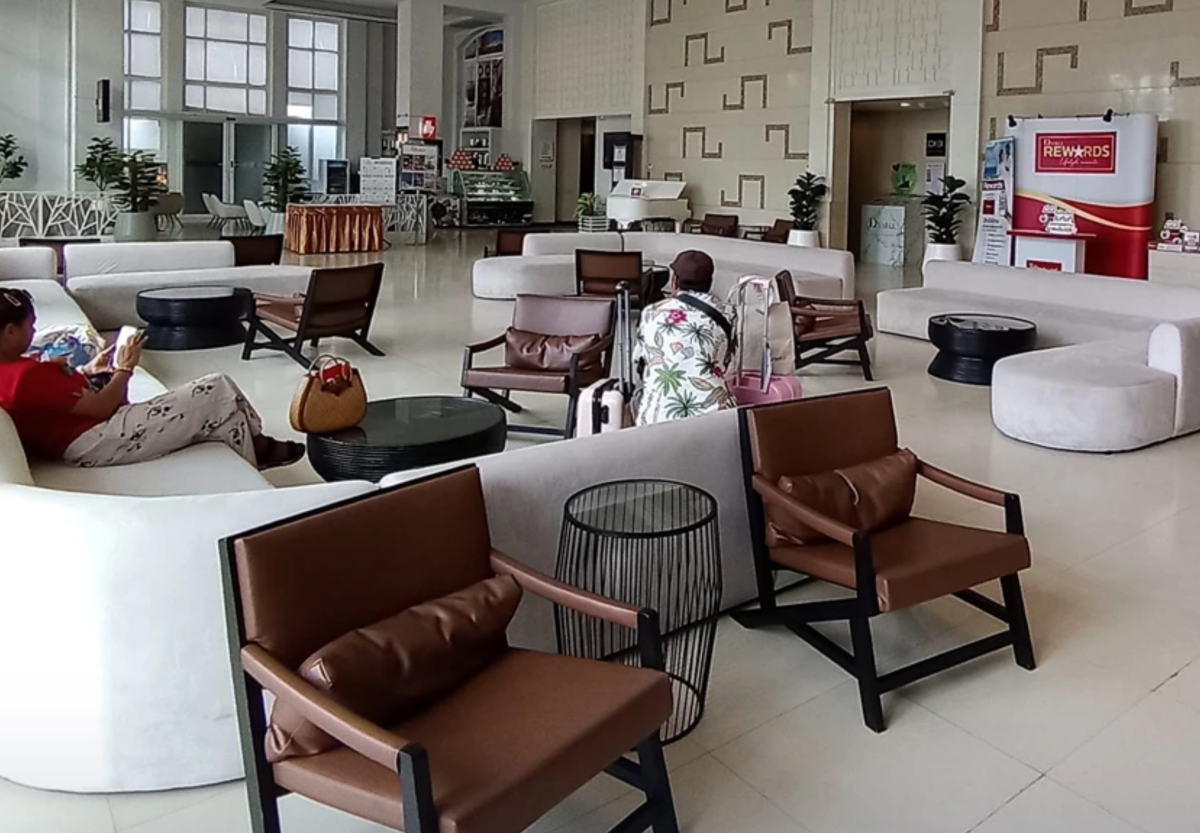
Picture courtesy of The Nation
Join the discussion? 
Already a member? 
 Adapted by ASEAN Now Nation 8 Apr 2026
Recommended Comments
Create an account or sign in to comment