





Thailand has approved a regulatory policy framework for Small Modular Reactors (SMRs), beginning work on the laws, specialist skills and safety arrangements needed if it eventually adopts nuclear power.
Deputy Prime Minister and Higher Education, Science, Research and Innovation Minister Yodchanan Wongsawat chaired the Nuclear Energy for Peace Commission's second meeting of 2026 at Government House on September 8. Officials stressed that no decision has been made to build a nuclear plant, select a location or choose reactor technology.
IAEA review highlights gaps
The commission agreed that future SMR regulation should meet standards set by the International Atomic Energy Agency (IAEA). The government said early planning was needed to improve energy security and reduce Thailand's exposure to volatility linked to imported fuels.
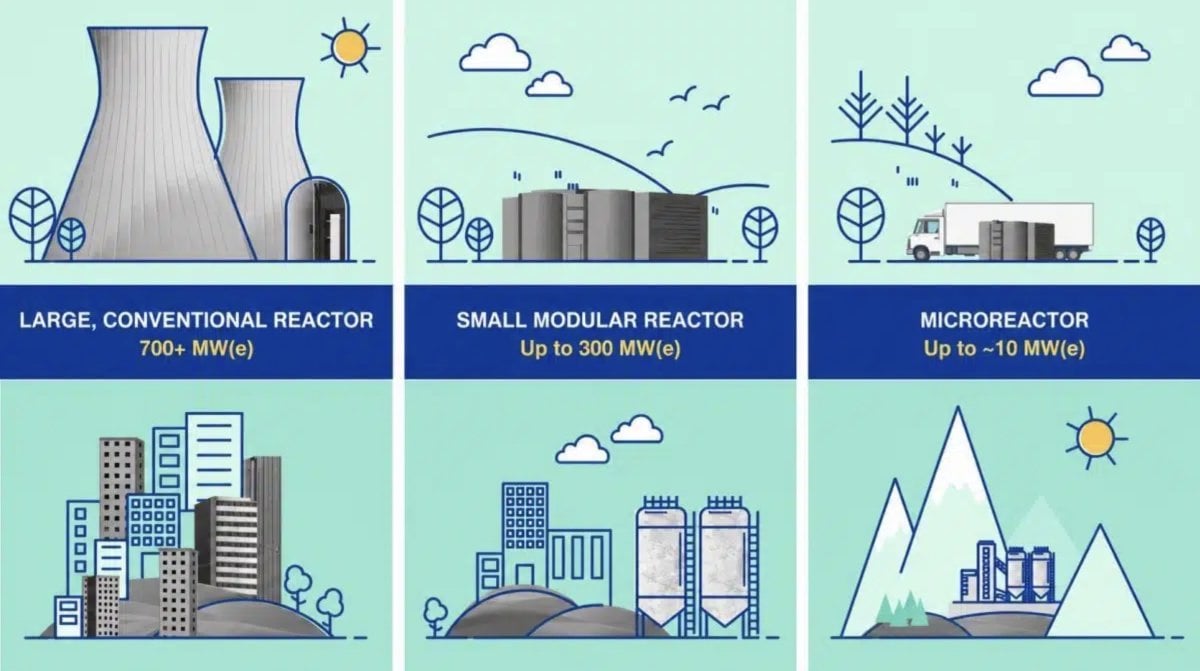
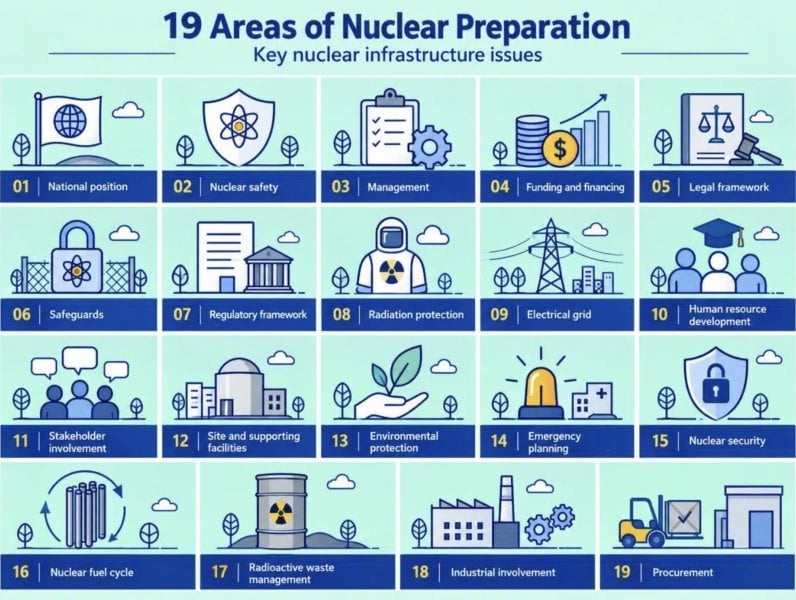
An IAEA-based assessment across 19 nuclear-infrastructure areas found Thailand ready in 10, while six still need development. Three areas need urgent action: a national nuclear-energy policy, a Nuclear Energy Programme Implementing Organisation, known as NEPIO, and a financing plan.
The commission approved work on legislation, workforce development, radioactive waste and spent-fuel management, and the domestic industrial supply chain.
Laws, skills and compensation plans
The Office of Atoms for Peace (OAP) has been told to speed up a Civil Liability for Nuclear Damage Bill for Cabinet consideration. It would cover insurance, financial guarantees and a state compensation fund in the event of nuclear damage.
The Higher Education, Science, Research and Innovation Ministry will work with the Education and Energy ministries and other agencies on specialist courses and a long-term workforce plan. Permanent Secretary Supachai Pathumnakul said universities and research institutes could train nuclear engineers and specialists in cyber security, data science and technology law.
A separate national policy will cover radioactive waste and spent nuclear fuel through their full life cycle. The Board of Investment will work with the OAP and research bodies to help Thai firms join the international SMR supply chain.
Yodchanan identified potential work in high-performance pumps and valves, nuclear-grade construction materials, grid integration and artificial intelligence-based digital twin technology.
No project approved yet
OAP Secretary-General Rungrueng Kitphati said oversight would rest on Safety, Security and Safeguards, with rules, emergency response arrangements and greater public participation being developed.
The IAEA describes SMRs as advanced reactors producing up to 300 megawatts per unit, with systems manufactured as modules and transported for installation.
An earlier PDP2024 draft envisaged two SMR units totalling 600MW, operating commercially towards 2037. The newer draft PDP2026, covering 2026-2050, is under public consultation; the OAP said in August it was preparing for a possible longer-term 9,000MW SMR scenario, although the final scale remains unsettled.
EGAT is studying technologies, sites, staffing and public engagement. It said in July that an SMR project can take around 13 years, including feasibility studies, infrastructure work and construction.
Pictures courtesy of Royal Government House
Join the discussion? 

10 September 2026
Recommended Comments
Create an account or sign in to comment