



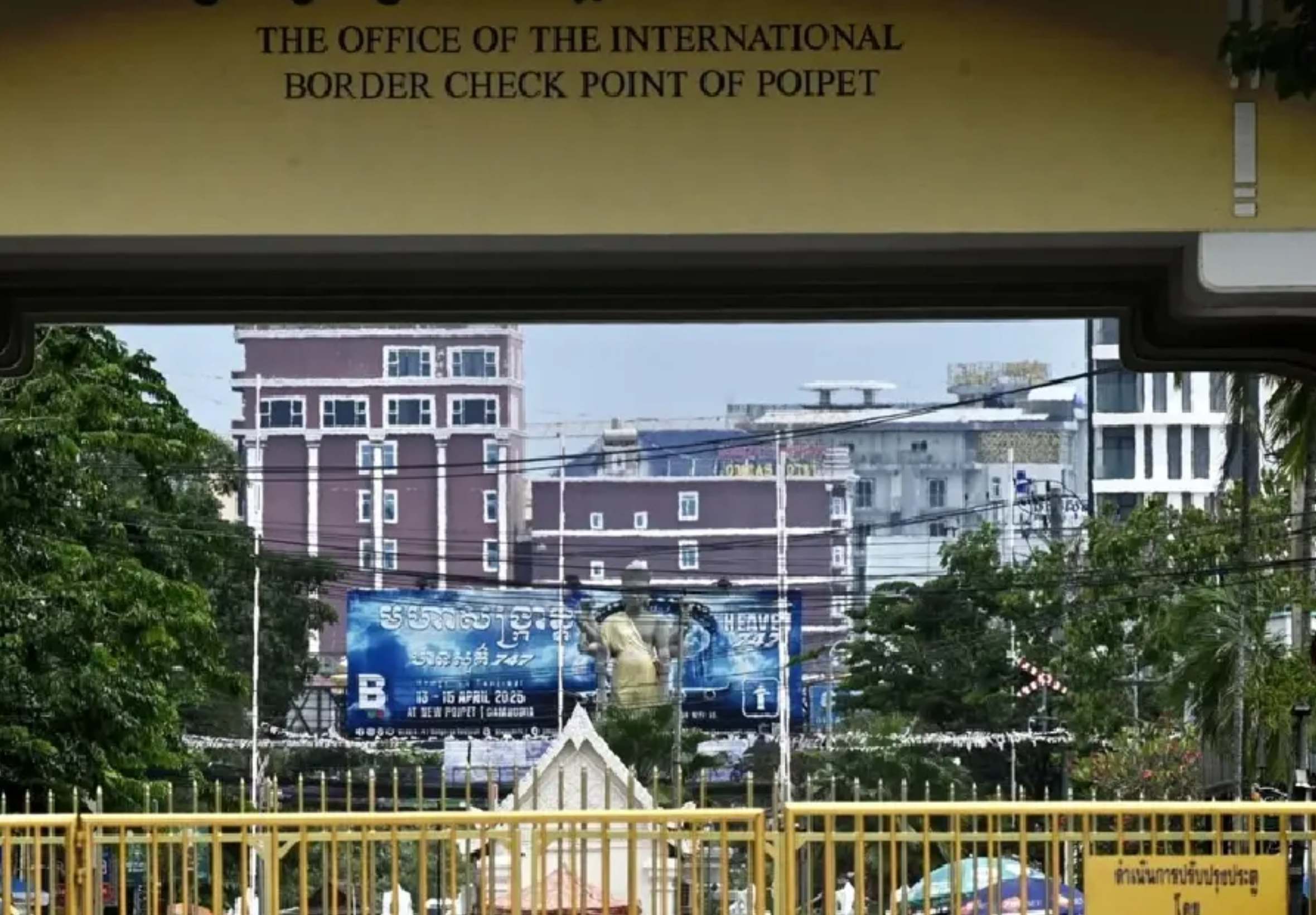

Thailand's land crossings with Cambodia remain closed nearly a year after restrictions began, with military tensions, disputes over sovereignty and weak political trust still preventing any return to normal trade or travel.
Despite ASEAN-led discussions and an offer from China to help facilitate talks, Bangkok and Phnom Penh have not reached the confidence-building arrangements needed to reopen the frontier.
For foreigners, this means overland travel between Thailand and Cambodia remains unavailable. Visitors and residents planning regional journeys should continue to use air routes and check official border announcements before making onward travel plans.
Diplomatic efforts lose momentum
Hopes of limited reopening emerged in April after reports of informal contact between someone close to Cambodian Senate President Hun Sen and Thai officials near the border. Attention focused on crossings in Chanthaburi and Trat, where relations have generally been seen as less confrontational than in the northeast and Sa Kaeo.
Rear Admiral Parat Rattanachaiphan, spokesman for the Royal Thai Navy, denied reports that the two eastern provinces would reopen crossings for humanitarian supplies. He said the border remained completely closed.
At a May 7 meeting in Cebu, held alongside the 48th ASEAN Summit, Prime Minister Anutin Charnvirakul, Cambodian Prime Minister Hun Manet and Philippine President Ferdinand Marcos Jr agreed to consolidate the ceasefire, show restraint and task their foreign ministers with developing measures to restore trust.
However, a maritime dispute soon undermined the momentum. Anutin told Hun Manet that Thailand had ended MOU 44, the agreement covering overlapping maritime claims, after more than two decades without progress.
Cambodia subsequently sought compulsory conciliation under the United Nations Convention on the Law of the Sea. The process can require participation, but its recommendations are not legally binding. Thailand continues to favour bilateral negotiations.
Explosions and military activity persist
Conditions along the frontier remain fragile. Thailand's Second Army Region recorded 19 unexplained explosions near the border from April to mid-July, including six in July. Thai representatives have asked Cambodia to investigate and avoid placing operational positions close to the border fence.
After an explosion injured four Cambodian soldiers in Oddar Meanchey province on July 5, Cambodia said it was investigating the cause. Thailand denied Cambodian allegations that Thai troops were linked to the blast.
Thai authorities have also reported Cambodian troop movements, new operational positions, bunkers and trenches near Thai defensive lines in areas overseen by the First and Second Army regions and the Chanthaburi and Trat Border Defence Command.
During Anutin's visit to the 2026 World Artificial Intelligence Conference in Shanghai, Chinese President Xi Jinping offered to facilitate Thai-Cambodian talks. China also addressed Thai concerns over tank deliveries to Cambodia, saying the purchase agreement predated the conflict.
"China delayed the delivery of military equipment while fighting was under way because it recognised the sensitivity of the situation," Anutin said. "However, it eventually had to comply with its contractual obligations."
Politics restrict room for compromise
Cambodia's local council elections, due in June 2027, may encourage a firm public stance on territorial questions. Thailand's new government also faces pressure not to make concessions on sovereignty.
Thailand began restricting Cambodian crossings in June 2025 as territorial tensions grew. All crossings were later closed during fighting in July, and businesses dependent on border commerce remain without their former economic lifeline.
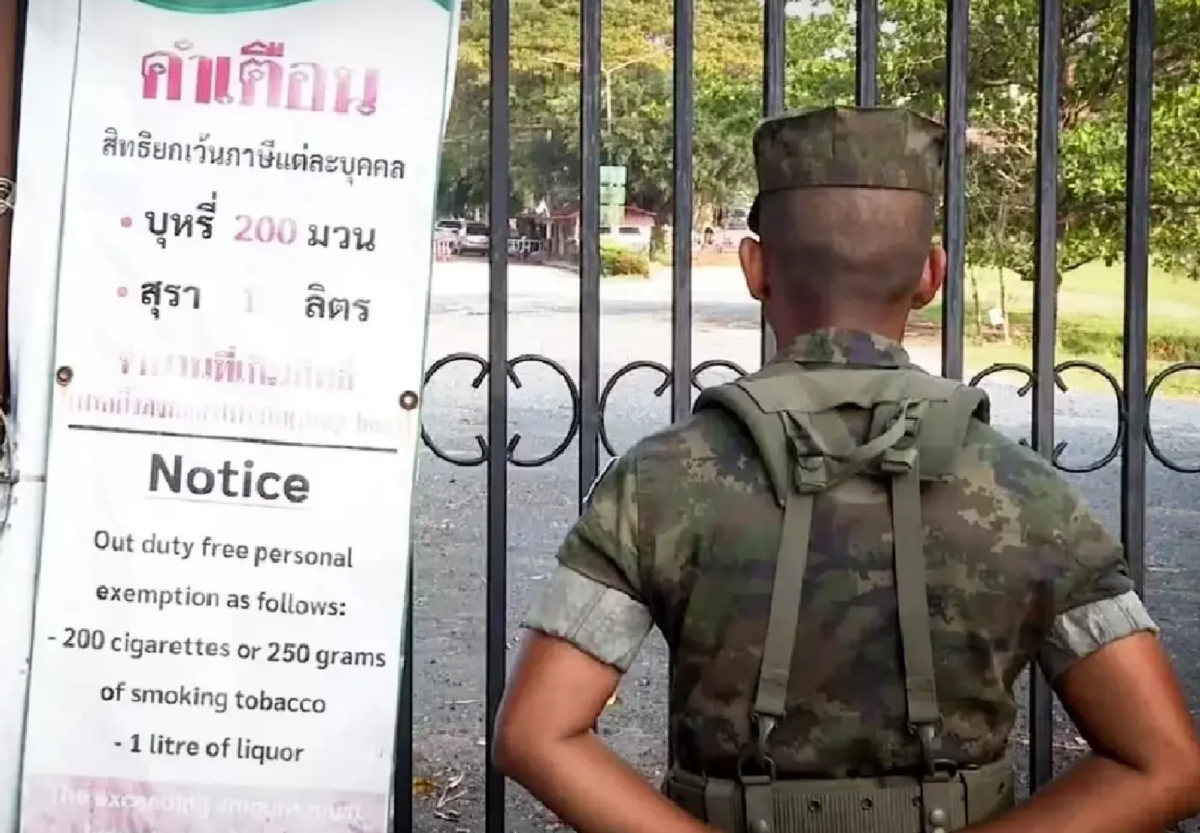
Picture courtesy of The Nation
Join the discussion? 

22 July 2026
-
 1
1
-
 3
3
Recommended Comments
Create an account or sign in to comment