



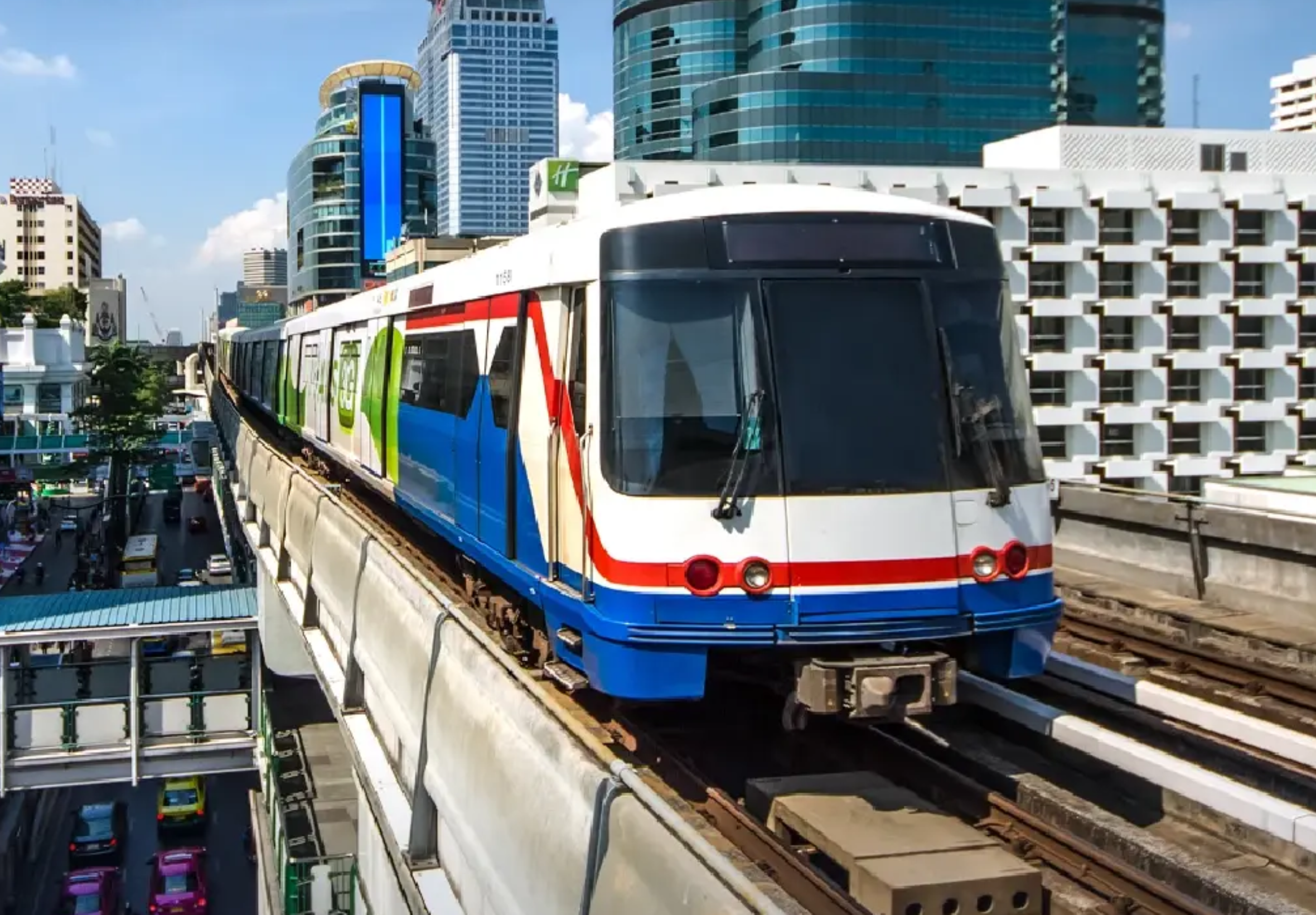

The government is moving forward with a plan to buy back urban rail concessions in Bangkok, aiming to introduce a single-ticket system and cap fares at 40 baht from January 1, 2027. The Transport Ministry intends to consolidate control of key rail lines under a single ownership model, allowing the state to directly manage fares and improve integration across the network. The policy is expected to lower travel costs and simplify journeys for passengers across multiple lines.
Get today's headlines by email 
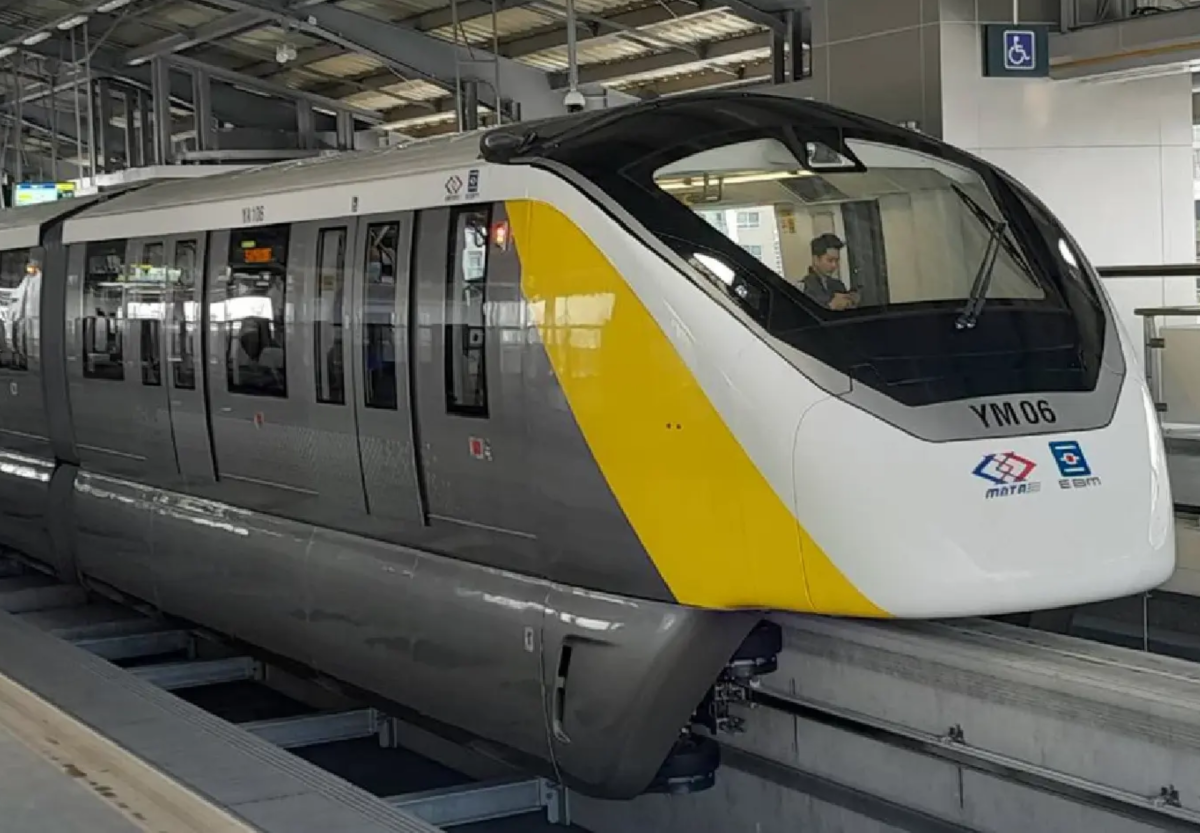
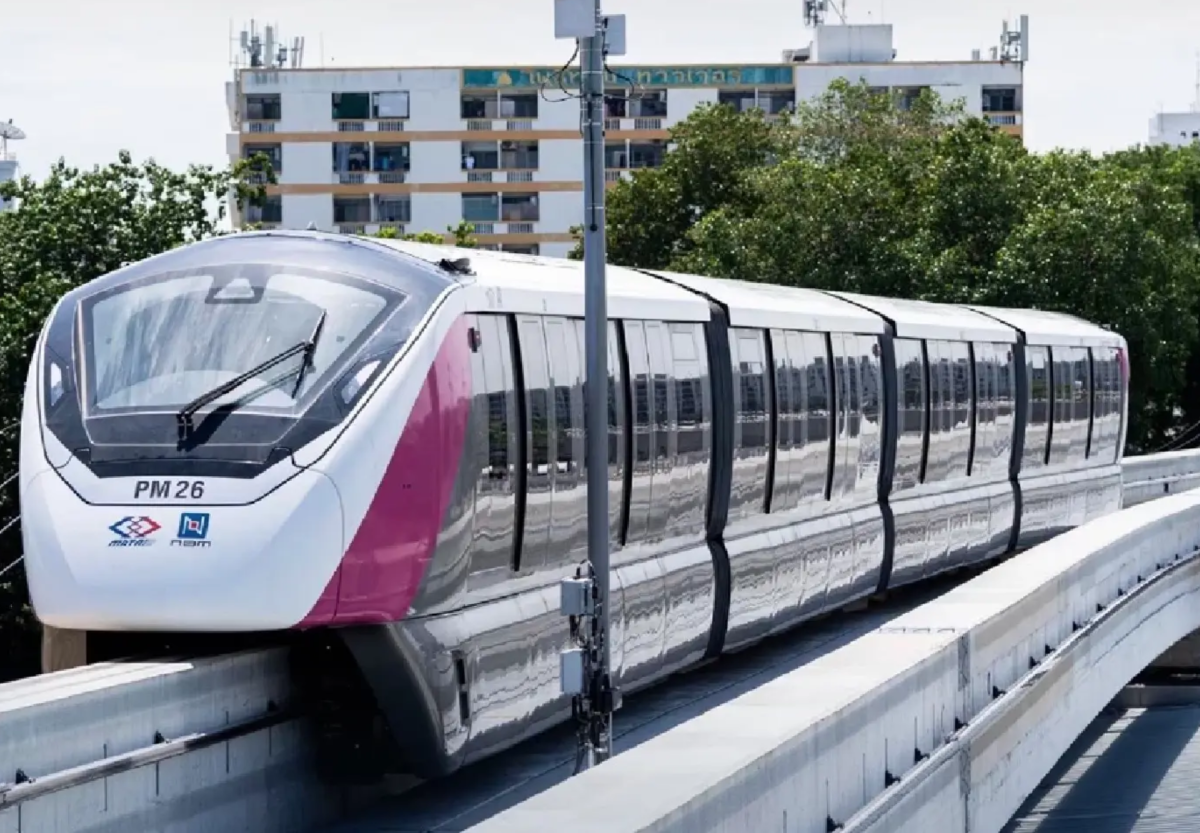
The plan targets four PPP net cost concession projects, where private operators currently invest in infrastructure, run services and collect fare revenue. These include the BTS Green Line, the MRT Blue Line, and the Pink and Yellow monorail lines, with concession periods extending as far as 2053. Authorities aim to shift these agreements to a PPP gross cost model, where the state takes on fare revenue risk while private firms continue operations and maintenance.
The initiative is backed by two laws passed in 2025, the Rail Transport Act and the Common Ticket System Management Act, which are now undergoing subordinate regulatory drafting. Deputy Prime Minister and Transport Minister Phiphat Ratchakitprakarn said this process is expected to conclude by June 2026, after which the proposal will be submitted to the Cabinet. Negotiations with Bangkok Mass Transit System Plc and Bangkok Expressway and Metro Plc are expected to begin in May.
Officials estimate the combined value of assets and operating contracts under the targeted concessions at around 140 billion baht. However, the government insists the buyback will not rely on state budget spending or increase public debt. Instead, contracts will be revised to allow the state to regain control while private operators are gradually compensated through operating payments and future revenue streams.
Under the proposed fare structure, passengers would pay a flat 40 baht all day fare for journeys of up to 40 minutes or around 10 stations, with no limit on daily trips. Trips exceeding 40 minutes would incur an additional 20 baht, creating a maximum daily fare of 60 baht while allowing seamless transfers across all lines. The system will also support EMV contactless payments and is expected to expand to buses and passenger boats.
BTS chief executive Surapong Laoha-Unya said discussions with the government have yet to be formally scheduled but described the proposal as potentially “win-win” for all parties. He noted that existing concession agreements already allow for such negotiations and that an agreement could be reached by June 2026, depending on valuation and benefit-sharing terms.
The Nation reported that the Transport Ministry believes the transition to a unified system will improve efficiency, reduce costs for commuters and maintain private sector involvement without financial disadvantage. If successful, the model could mark a major shift in how Bangkok’s rail network is managed and funded.
Pictures courtesy of The Nation
Join the discussion? 
Already a member? 
 Adapted by ASEAN Now Nation 23 Apr 2026
-
 1
1
Recommended Comments
Create an account or sign in to comment