
Skip to content
View in the app

A better way to browse. Learn more.

Thailand News and Discussion Forum | ASEANNOW

A full-screen app on your home screen with push notifications, badges and more.

To install this app on iOS and iPadOS
  1. Tap the Share icon in Safari
  2. Scroll the menu and tap Add to Home Screen.
  3. Tap Add in the top-right corner.
To install this app on Android
  1. Tap the 3-dot menu (⋮) in the top-right corner of the browser.
  2. Tap Add to Home screen or Install app.
  3. Confirm by tapping Install.

Thailand's Hidden Crisis of Homeless Foreigners

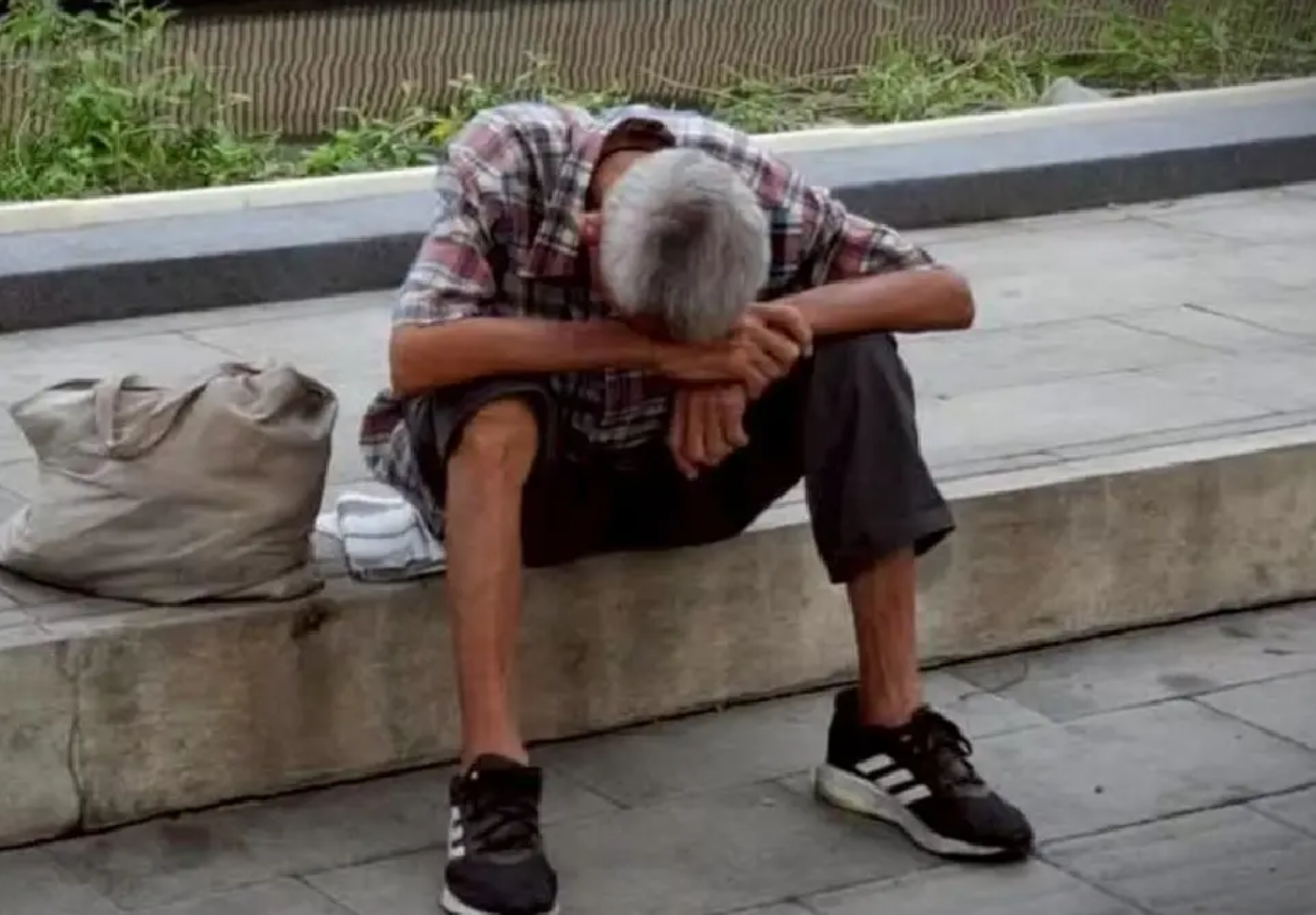
Thailand’s tourism growth has been linked to a rise in foreign travellers becoming homeless in Bangkok, with charities reporting more stranded visitors unable to return home after losing access to money. An investigation published by “The Disclosed” on June 24, 2026, highlighted a growing humanitarian challenge involving tourists affected by scams, job losses and poor financial preparation.

Get today's headlines by email image.png

The Bangkok Community Help Foundation said it had assisted around 45 homeless foreign nationals over an eight-month period. The figure only includes people who requested help or were referred by foreign embassies, with support groups warning that the actual number may be higher.

Many affected travellers arrive in Thailand attracted by visa-free entry policies and the country’s affordable lifestyle. Friso Poldervaart, co-founder of the Bangkok Community Help Foundation, said some visitors arrive without enough savings, insurance protection or a return ticket.

“The entry restrictions in Thailand are a little bit too lax at the moment. It’s very easy to enter for a long time. They’re not asking for a return ticket and insurance, plus usually doesn’t ask whether you have enough funds. A lot of people come completely unprepared,” Poldervaart said.
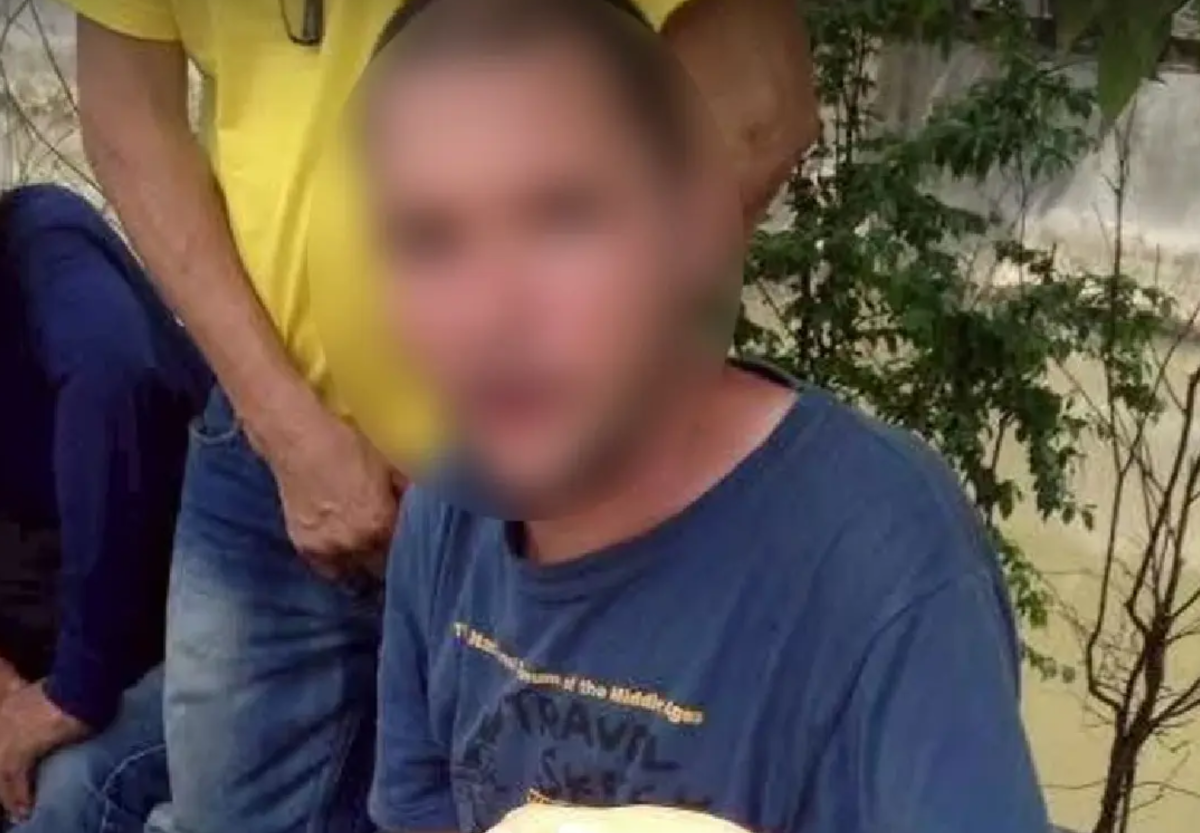
image.png

Picture courtesy of The Nation

The Issarachon Foundation said many stranded foreigners became homeless after falling victim to romance scams or cryptocurrency fraud. In some cases, international banks froze their accounts after detecting suspicious activity, requiring customers to appear in person in their home countries before funds could be released.

Without access to money, some travellers cannot afford flights home and overstay their visas. Once undocumented, they are unable to legally work, rent accommodation or access public healthcare services.

Adchara Saravari, Secretary-General of the Issarachon Foundation, said the trend was a new challenge for government authorities. She also highlighted cases involving retirees who sold assets in their home countries to settle in Thailand but later lost their financial security.

The Centre of Dreams shelter, operated by the Bangkok Community Help Foundation, has become a support centre for stranded foreigners as well as Thai citizens. It currently assists people from countries including Germany, the United States and Japan.

One resident, identified as “Jane”, a 57-year-old American whose real name was changed for privacy reasons, said she faced homelessness after losing her remote counselling job three to four weeks after arriving in Thailand. She had previously worked on Wall Street and spent five years working online before moving abroad.

“Right before I found Centre of Dreams, I wasn’t really thinking I was going to make it,” Jane said. She described suffering from malnutrition and dehydration before receiving help.

Support organisations said there is no formal social safety net for non-citizens in Thailand. They continue coordinating with families, airlines and foreign consulates to arrange assistance and repatriation, while embassies often have limited authority and funding to provide free flights.

The Nation reported that as Thailand continues promoting international tourism, charities and advocates are calling for greater cooperation between Thai authorities, foreign governments and diplomatic agencies to address cases involving stranded visitors.

Join the discussion? image.png

image.png

11 July 2026

User Feedback

Recommended Comments

Ebumbu Silver Member

Ebumbu

Advanced Member

Schwab has an international brokerage account. They know I am an expat. I was thoroughly vetted to get the account. They are expat friendly.

newbee2022 Star Member

newbee2022

Advanced Member
3 hours ago, PoorSucker said:

You need a have a job at least three months to access free healthcare

Who wouldn't have a friend to confirm giving you a job 🤣🤣🤣.

So easy, not an obstacle at all

off road pat Gold Member

off road pat

Advanced Member
7 hours ago, newbee2022 said:

Easy to fix these problems: scrap the DTV visa, and soon those losers will have to look for another place or stay home, looking for a proper job.

But unfortunately it would affect their

"Work-life -balance".

So sad💔

You are just too oversimplifying, Most people entering Thailand with a DTV visa never caused any problems !!

newbee2022 Star Member

newbee2022

Advanced Member
9 minutes ago, off road pat said:

You are just too oversimplifying, Most people entering Thailand with a DTV visa never caused any problems !!

Are you one of them that you say that? Probably you will give us a proof now.

Can't wait.😂

For me they're the core problem: money gone, remote work =not enough income, months on the road as a result, no money for a ticket, lost, begging.

But hey, I forgot #gofundme.

Presnock Platinum Member

Presnock

Advanced Member
7 hours ago, Muhendis said:

"In some cases, international banks froze their accounts after detecting suspicious activity, requiring customers to appear in person in their home countries before funds could be released."

This is the really scary one. The banks are free to act as judge and jury with little or no regard to the owner of the account.

Supposing a bank froze an account thus requiring the owner of the account to appear in person. Would the bank accept costs incurred in the event of said suspicions proving to be groundless?

The answer to that is "of course they wouldn't"

The wording "suspicious activity" is actually "unusual activity" which means unexpected withdrawals. So for example, if you have an expensive car repair bill to pay using your Thai bank account which you then need to top up from your home country bank, this could be deemed to be unusual activity.

I don't have a high opinion of banks.

Yeah one big problem is the international reporting standards for banks in many countries and that extra reporting isn't paid for but is directed by the governments so just creates extra reporting especially if one lives in a country different from where the home banking is located. I was dropped by the BOA when I sold my US houses and moved to Thailand but got lucky in that the SDFCU (a US bank) does open accounts for US people in foreign countries - I opened this account 6 years ago, and have had excellent service including credit card for me and my family members. My annuity is sent to that bank and they offer either through WISE or the SWIFT transfers monthly to Thailand and for the 6 years always recieved in my bankok bank account within 24 hours. As countries similar to Thailand make plans to join international organizations such as OECD then banking practices can change for expats too though not necessarily, just saying as I notice in different forums a lot of stories about local banking changes and very seldom to the advantage of the expat. I do hope the best for all - and SDFCU.com is one possible solution for Americans overseas.

placnx Platinum Member

placnx

Advanced Member
7 hours ago, Muhendis said:

"In some cases, international banks froze their accounts after detecting suspicious activity, requiring customers to appear in person in their home countries before funds could be released."

This is the really scary one. The banks are free to act as judge and jury with little or no regard to the owner of the account.

Supposing a bank froze an account thus requiring the owner of the account to appear in person. Would the bank accept costs incurred in the event of said suspicions proving to be groundless?

The answer to that is "of course they wouldn't"

The wording "suspicious activity" is actually "unusual activity" which means unexpected withdrawals. So for example, if you have an expensive car repair bill to pay using your Thai bank account which you then need to top up from your home country bank, this could be deemed to be unusual activity.

I don't have a high opinion of banks.

4 hours ago, dddave said:

Even notifying your bank in advance of travel to Thailand isn't always enough which I found out the hard way.

Ten years ago I carefully notified both my US banks and card holders of my plans for an extended stay in Thailand. I was assured by all that I was covered and would not have any issues: Yah!, Right!

"This transaction can not be completed. Please contact your issuing bank"

This cold message displayed on the Bangkok ATM from which I was attempting to withdraw my monthly Social Security deposit. I won't go into the many details and roadblocks I encountered trying to regain access to my account, just that it took in excess of two months, dozens of phone calls and a few dents in my apartment walls.

It turned out an internal bank system update had cleared all notations on my account, including the details of my stay in Thailand. It just shows that no matter how carefully one tries to cover all the bases, there are actions totally out of your control that can make your life very difficult.

Fortunately for me, I had a back-up account, something I urge all long-term stayers in any foreign country to have. It just may save you from sleeping on a bench.

Cards that I use have a number to call if a card is lost or stolen, and with some I could call collect. This number also works if there is a problem at an ATM. You have to pass an identity test, of course. Some banks have Thailand on a bad list, so if not notified of travel there in advance, problems at the ATM can happen.

Geoff914 Gold Member

Geoff914

Advanced Member
5 hours ago, Priorexpat said:

Hello embassy, here is your citizen. Not allowed to live as homeless person in the Kingdom, they are not a citizen here. You need to send them home to your country to deal with this person's living status.

It took me until this post to see Embassy mentioned. I assume all the homeless people, a very strange phrase for people who do not live in the country, still have their passports. Deposit them at the Embassy of their home country. The Embassy's problem.

Thingamabob Diamond Member

Thingamabob

Advanced Member
3 minutes ago, Emdog said:

Someone get this guy a comfy lounge chair!

4 hours ago, NanLaew said:

Interesting.

But the thread is about homeless foreigners.

...who too often wind up in a financial crisis/homeless having lost all their money to scams of one kind or another.

Geoff914 Gold Member

Geoff914

Advanced Member
8 minutes ago, placnx said:

Cards that I use have a number to call if a card is lost or stolen,

Of course if your card is lost or stolen then you don't have the phone number. My ex wife had problems with her account being frozen, the bank refused to help. At the end of the day it is the Embassy's problem, it is why we pay taxes.

Screaming Gold Member

Screaming

Advanced Member
7 hours ago, Thingamabob said:

The first lesson to learn before arriving in Thailand is that most Thai people worship money more than they worship anything else.

And that Thailand is one of the most corrupt countries in the world.

Geoff914 Gold Member

Geoff914

Advanced Member
22 minutes ago, newbee2022 said:

no money for a ticket, lost, begging.

And of course "EVERYBODY" entering Thailand "MUST" have a ticket out of the country. So there is the problem.

Thingamabob Diamond Member

Thingamabob

Advanced Member
8 minutes ago, Screaming said:

And that Thailand is one of the most corrupt countries in the world.

...and that naive foreigners are often targeted for their money.

ThailandGuy Advanced Member

ThailandGuy

Member

Just help them to get home instead of punishing them for overstay. Because of punishments regulations they now stay underground making it worse for all others. Embassies should be more open minded to help their people get home. It for the best of all (thailand, the homeless and their homecountry). Once they are gone they are no longer a burden for the Thai system, Healthcare system etc etc. Its a win win to help them getting out of the country. People can make bad and stupid decisions. Don't make it worse. Not all are bad.

Effective altruism Silver Member

Effective altruism

Advanced Member
5 hours ago, NanLaew said:

Since she comes from a country with 600,000 homeless people sleeping on the street, and where 40% of adults can't cover a $400 emergency without borrowing money, she sounds like the average American.

It could be worse; at least she is not from Europe.

Across Europe, an estimated 1.2 to 1.3 million people are homeless, a figure that has risen by approximately 43% since 2023 according to the European Federation of National Organisations Working with the Homeless (FEANTSA). This crisis is driven by rising rents, housing shortages, and economic instability, with the situation worsening in most EU member states despite a collective goal to end homelessness by 2030.

https://www.dw.com/en/eu-sees-rise-in-homelessness-amid-housing-crisis-report/a-74310521

  • No Savings: An ING survey found that 30% of Europeans have no savings at all, with 29% in Sweden, Norway, and Denmark having no or very little money saved.

  • Inability to Cover Costs: 47% of Europeans could not pay three months of expenses if they lost their job.

  • Specific Expenses: In Germany, one-third of the population cannot afford unexpected costs for repairs or new items exceeding approximately €1,000.

  • Financial Precarity: A recent study indicates that 29% of Europeans live in a precarious financial situation where an unexpected expense could tip the balance.

unblocktheplanet Diamond Member

unblocktheplanet

Advanced Member
7 hours ago, trucking said:

If there is was thing that can absolutely save your a** in any dire emergency , it is a credit card from your bank back home.

I seldom use mine , just enough so that it is not withdrawn from lack of use. I keep it in a very safe place and it seldom sees the light of day.

This one thing is more than enough to cover a ticket home , some accomodation and evenlow rate medical bills. I don't need it but it a great comfort that it is available in an emergency.

Right. Just use it for your overseas spending. In my case, Amazon & iHerb.

unblocktheplanet Diamond Member

unblocktheplanet

Advanced Member
(edited)
27 minutes ago, ThailandGuy said:

Just help them to get home instead of punishing them for overstay. Because of punishments regulations they now stay underground making it worse for all others. Embassies should be more open minded to help their people get home. It for the best of all (thailand, the homeless and their homecountry). Once they are gone they are no longer a burden for the Thai system, Healthcare system etc etc. Its a win win to help them getting out of the country. People can make bad and stupid decisions. Don't make it worse. Not all are bad.

TravelGuides & Travelogues

Many don't want to go home, or don't know how to go home in their mind or forgot where home is.

There are 2,500-4,500 homeless Thais. From the ones I see, most don't have a family or community to look after them. Mental problems are common. Homeless women are particularly at risk, at any age. Some are runaway teenagers, of both sexes.

Edited by unblocktheplanet
add

Enoon Platinum Member

Enoon

Advanced Member
8 hours ago, Muhendis said:

"In some cases, international banks froze their accounts after detecting suspicious activity, requiring customers to appear in person in their home countries before funds could be released."

This is the really scary one. The banks are free to act as judge and jury with little or no regard to the owner of the account.

Supposing a bank froze an account thus requiring the owner of the account to appear in person. Would the bank accept costs incurred in the event of said suspicions proving to be groundless?

The answer to that is "of course they wouldn't"

The wording "suspicious activity" is actually "unusual activity" which means unexpected withdrawals. So for example, if you have an expensive car repair bill to pay using your Thai bank account which you then need to top up from your home country bank, this could be deemed to be unusual activity.

I don't have a high opinion of banks.

Banks are not "free" to act as judge and jury.

In the UK Government legislation compels them to do so on pain of prosecution if they do not identify transactions that are subsequently found to be connected to money laundering or financing of illicit activities.

I doubt very much that banks welcomed the arrival of the legislation or enjoy the amount of time and resources spent complying with it.

It is as tiresome for them as any legislation, imposed on any enterprise, that requires "investment" from the enterprise in order to meet the demands of the legislation.

newbee2022 Star Member

newbee2022

Advanced Member
1 hour ago, Geoff914 said:

And of course "EVERYBODY" entering Thailand "MUST" have a ticket out of the country. So there is the problem.

Hahaha, you should know that's not a problem to buy a dummy ticket🤣.

In general you're right

kimamey Ruby Member

kimamey

Advanced Member
14 hours ago, Effective altruism said:

It sounds like she was living from one paycheck to the next.

14 hours ago, Effective altruism said:

It sounds like she was living from one paycheck to the next.

14 hours ago, Effective altruism said:

It sounds like she was living from one paycheck to the next.

9 hours ago, CecilM said:

How is this a crisis? They're easily identified as they're not hiding in some apartment. Pick up, process, deport.

Who will pay for the flight?

Create an account or sign in to comment

Account

Navigation

Search

Search

Configure browser push notifications

Chrome (Android)
  1. Tap the lock icon next to the address bar.
  2. Tap Permissions → Notifications.
  3. Adjust your preference.
Chrome (Desktop)
  1. Click the padlock icon in the address bar.
  2. Select Site settings.
  3. Find Notifications and adjust your preference.