



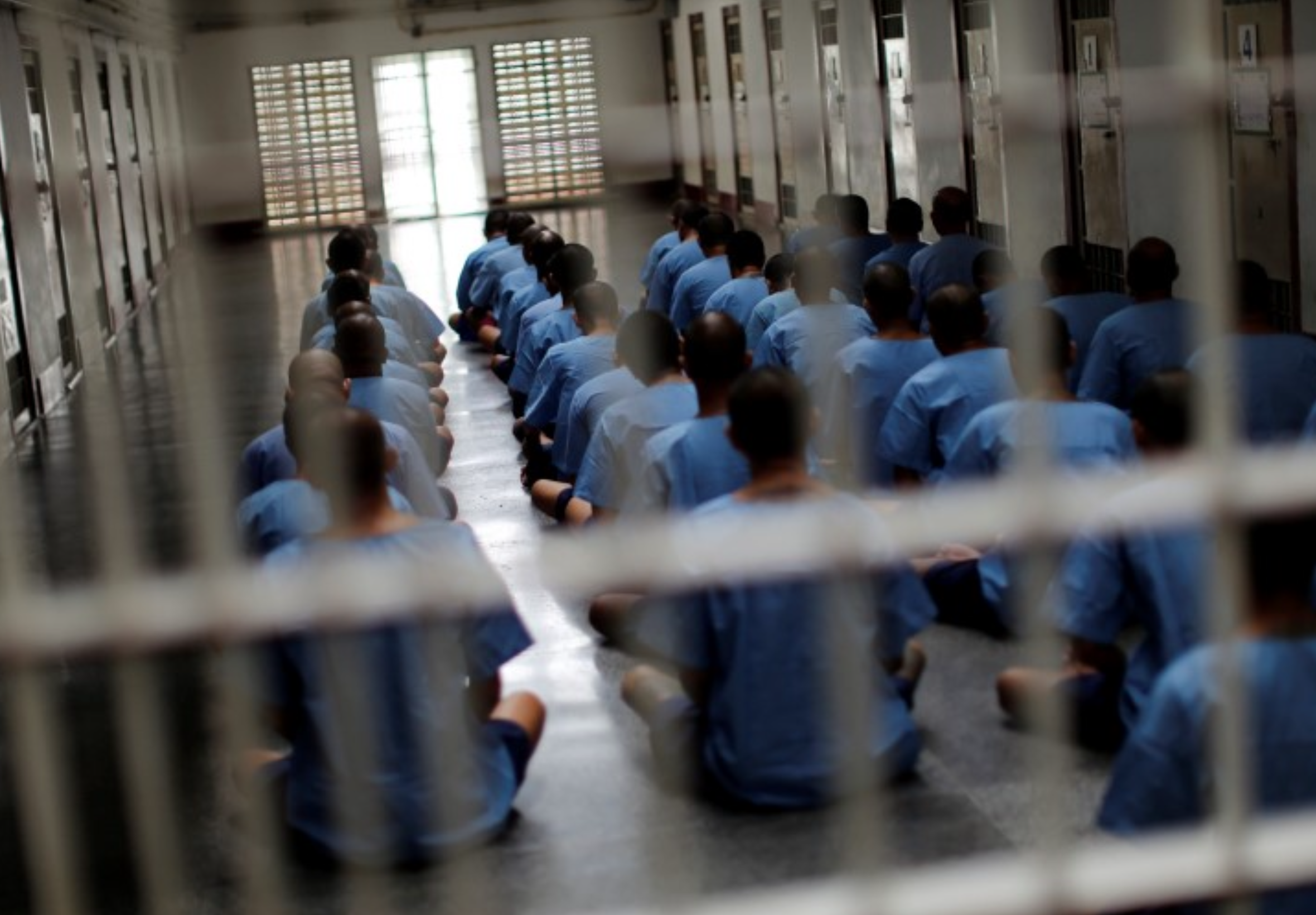

A United Nations-backed call to end the criminalisation of drug use has urged Southeast Asian governments, including Thailand, to abandon punitive drug policies, arguing that decades of enforcement have failed to reduce drug markets while causing widespread social and human rights harm.
Get today's headlines by email 
The appeal follows the release of the United Nations Office on Drugs and Crime (UNODC) regional report earlier this month, which found record levels of drug seizures across Southeast and East Asia, particularly of methamphetamine and ketamine. Despite increased enforcement, retail drug prices have fallen in Myanmar, Thailand and Indonesia, suggesting synthetic drugs are more widely available than ever. The findings were reinforced by the UNODC World Drug Report 2026, published earlier this week ahead of World Drug Day on 27 June.
The article argues that governments have focused heavily on law enforcement and harsher penalties in the belief that punishment would deter drug trafficking. Singapore, Indonesia, Vietnam, Thailand and Malaysia continue to have death sentences for drug trafficking. Although the Philippines abolished the death penalty, former president Rodrigo Duterte’s anti-drugs campaign resulted in 8,663 officially reported extrajudicial killings, while the UN human rights office estimates the true figure could exceed 20,000. Duterte now faces charges of crimes against humanity before the International Criminal Court.
Across the region, more than half of prisoners in many countries are incarcerated for drug offences. Thailand has the world’s second-highest rate of female imprisonment, with more than 60% of female inmates jailed for drug-related crimes. Indonesia, followed closely by the Philippines, has experienced the world’s fastest growth in female incarceration, again largely driven by drug offences.
The report also criticises compulsory drug treatment programmes, noting that many are operated by police or military authorities and have been identified by international and national human rights bodies as sites of torture, forced labour and other abuses. It argues that criminalising drug use creates stigma that discourages people from seeking help.
The report author says ASEAN leaders reaffirmed their commitment to a “drug-free” region during the summit in the Philippines in May without acknowledging the costs or the lack of progress over more than two decades. Instead, policymakers are urged to adopt evidence-based approaches that prioritise health, welfare and human rights.
The Bangkokpost reports that the report highlights growing international support for reforms including harm reduction, decriminalisation and responsible regulation of drugs. More than 30 countries have already decriminalised drug use, while Thailand has done so for cannabis and kratom. The report concludes that Southeast Asian governments should move beyond limited reforms and end the criminalisation of drug use, possession for personal use and related activities in line with recommendations from UN drug, health and human rights authorities.
Join the discussion? 
Already a member? 
 Adapted by ASEAN Now Bangkokpost 29 June 2026
Recommended Comments
Create an account or sign in to comment