
Skip to content
View in the app

A better way to browse. Learn more.

Thailand News and Discussion Forum | ASEANNOW

A full-screen app on your home screen with push notifications, badges and more.

To install this app on iOS and iPadOS
  1. Tap the Share icon in Safari
  2. Scroll the menu and tap Add to Home Screen.
  3. Tap Add in the top-right corner.
To install this app on Android
  1. Tap the 3-dot menu (⋮) in the top-right corner of the browser.
  2. Tap Add to Home screen or Install app.
  3. Confirm by tapping Install.

Brit Couple Return Home After Thai Surgery Ordeal

Featured Replies

A Norfolk couple have returned home to the UK after being stranded in Thailand for two months following emergency spinal surgery that was not covered by their travel insurance.

Get today's headlines by email image.png

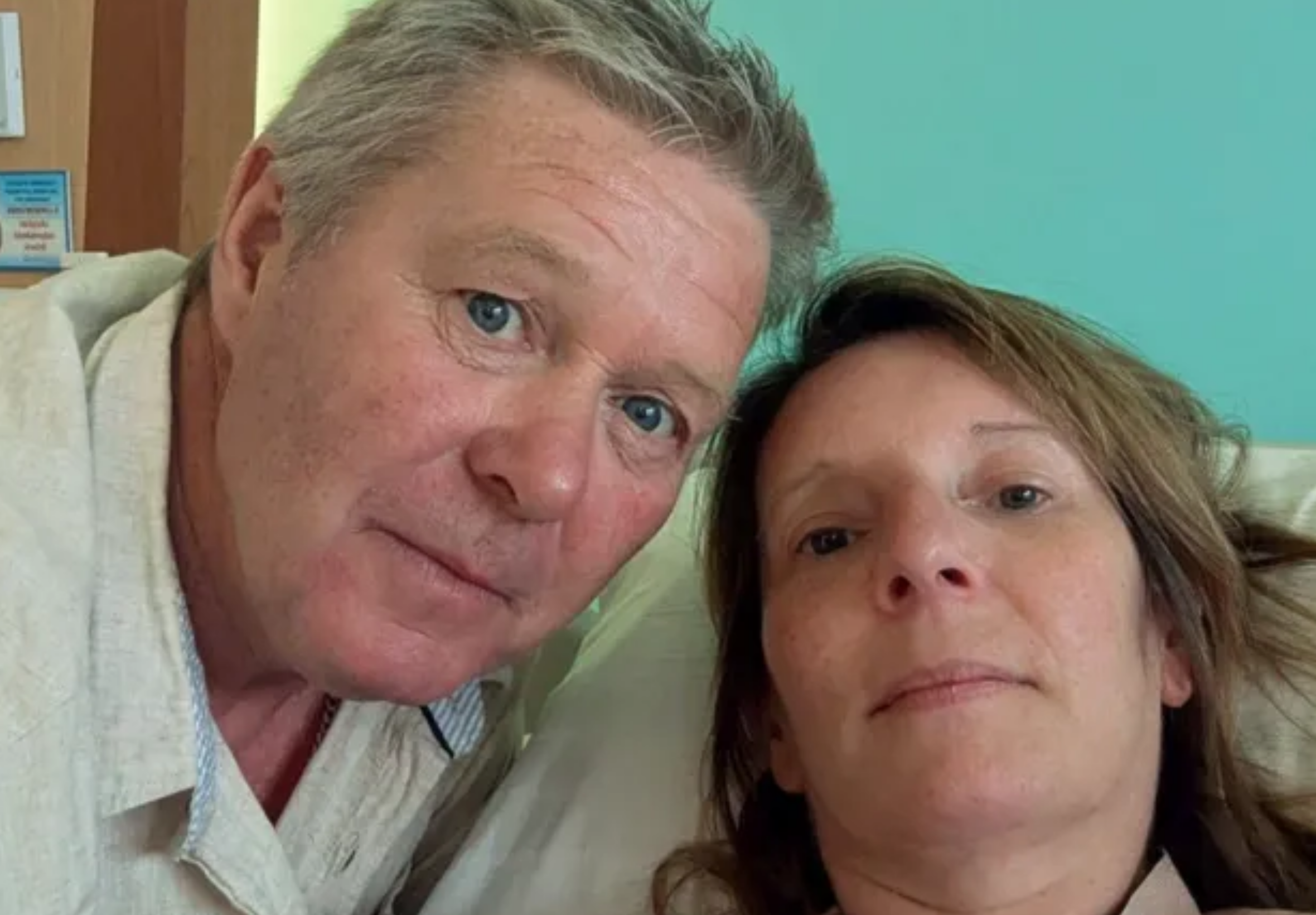
Jo and Stu Ingram, from Belton, had travelled to Krabi in south-west Thailand for what was meant to be a two-week holiday celebrating their 20th wedding anniversary. However, on 8 March, Jo, 56, broke her back in three places after falling during a pony trek on the beach near their hotel.

Jo said she was “over the moon” to finally be back home after the ordeal, which left the couple facing medical bills, flights, hotel stays and other costs totalling about GBP60,000. The pair returned to Norfolk last week.

The couple later discovered their travel insurance did not cover horse-riding because it was classified as an “extreme sport”. Stu and Jo admitted they had failed to read the policy small print before travelling.
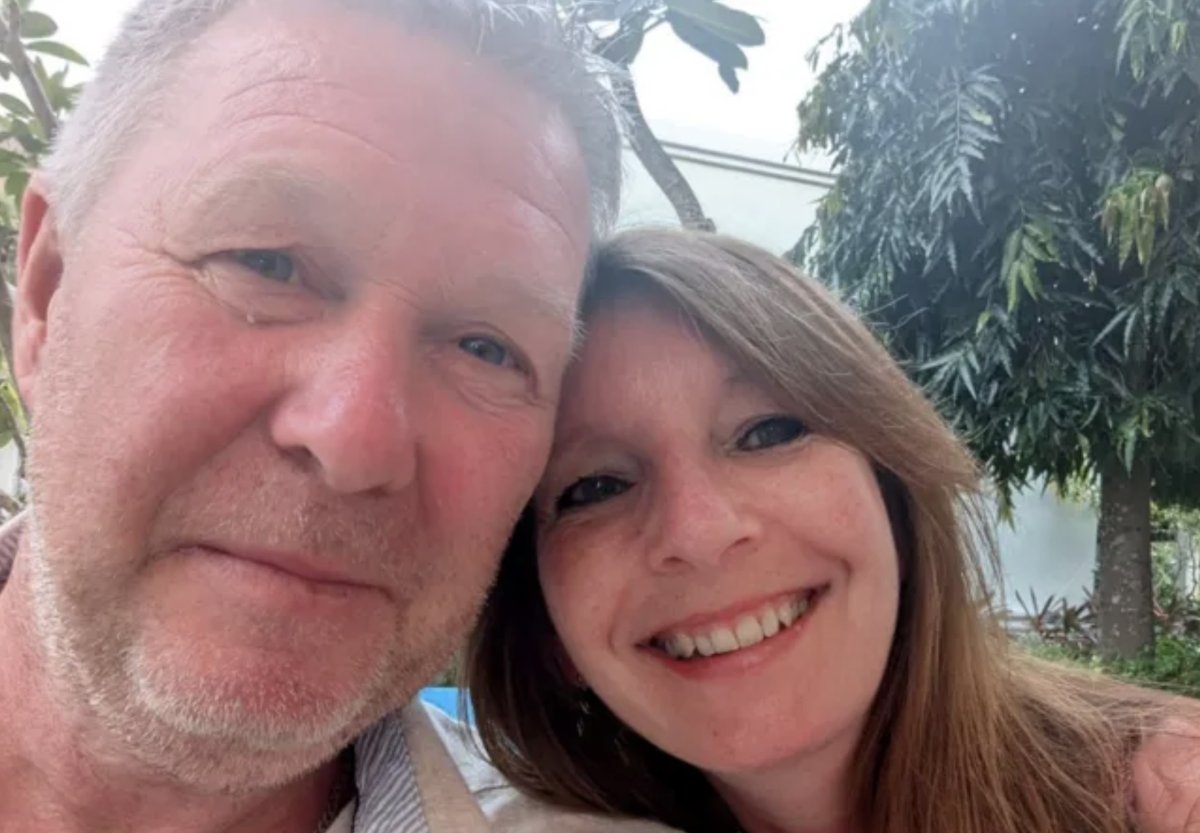
image.jpeg

After being taken to hospital by ambulance, X-rays revealed fragments from a shattered disc were pressing on Jo’s spinal column. The couple paid GBP12,000 up front to begin treatment, followed by another GBP12,000 for a seven-hour spinal operation the next day. “The pain was excruciating,” Jo said. “I’ve never known pain like it.”

Stu’s employer, a building contractor in Great Yarmouth, helped organise an online fundraising campaign which eventually raised about GBP18,500. The money helped cover flights home and some medical expenses.

Jo spent three weeks in hospital before moving to a hotel with Stu while continuing her recovery. She said they could no longer afford to remain in hospital and had withdrawn all available savings to survive financially.

The situation worsened when Jo later contracted dengue fever from a mosquito bite and spent another 10 days in hospital on a drip. She had taken out a separate insurance policy by that point, meaning the later treatment was covered. “There were times we thought we’re not going to get home,” Jo said. “Every time we thought we’d got over a hurdle, something else then stepped in and stopped us.”

Stu, 58, described feeling “helpless” during the ordeal, particularly because he struggled to communicate with hospital staff. He said the couple had relied entirely on one another throughout the experience.

The BBC reported that now back in Norfolk, Jo is recovering slowly with the help of a walking frame and hopes to eventually return to her job as a veterinary receptionist. She said there was still “a lot of mental healing” ahead, but remained grateful she could walk and move again.
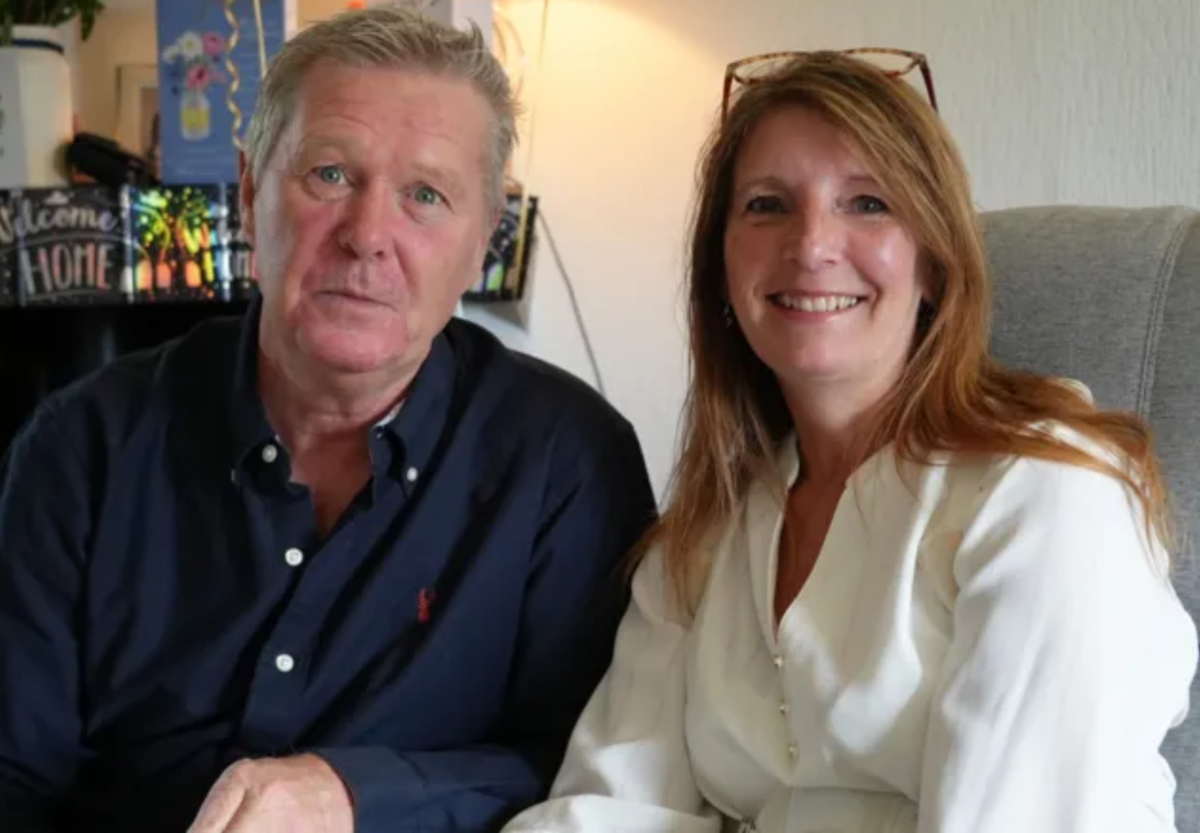
image.png

Pictures courtesy of BBC

Related story

Beach-ride-fall-leaves-UK-woman-with-soaring-medical-costs

Join the discussion? image.png

Already a member? image.png

image.png Adapted by ASEAN Now BBC 16 May 2026


View full article

  • Replies 50
  • Views 3k
  • Created
  • Last Reply

Top Posters In This Topic

Most Popular Posts

  • Roadsternut
    Roadsternut

    Nowhere in the article do the couple criticise the NHS. They were in Thailand on holiday. Even if their travel insurance covered their Thailand hospital bills, no travel insurance on Earth would cover

  • Celsius
    Celsius

    Nothing says "I hate the NHS" quite like sprinting back to it the second private medicine sends you a Thai sized reality check. Bash the system at home, then crawl back into its loving, inefficient ar

  • roo860
    roo860

    Where's it say they were bashing the NHS? She recovered enough to travel, easy to understand.

Posted Images

  • Popular Post

Nothing says "I hate the NHS" quite like sprinting back to it the second private medicine sends you a Thai sized reality check. Bash the system at home, then crawl back into its loving, inefficient arms the moment capitalism bites.

  • Popular Post
36 minutes ago, Celsius said:

Nothing says "I hate the NHS" quite like sprinting back to it the second private medicine sends you a Thai sized reality check. Bash the system at home, then crawl back into its loving, inefficient arms the moment capitalism bites.

Nowhere in the article do the couple criticise the NHS. They were in Thailand on holiday. Even if their travel insurance covered their Thailand hospital bills, no travel insurance on Earth would cover all the costs of tratment. Travel insurance would only ever cover the costs needed to enable you to travel home. Spinal injury often results in months or years of rehabilitation, and that would never be completed in Thailand.

Similarly, if you were injured in the UK while on holiday some place that was not your home area, the local hospital will provide sufficient treatment to enable you to travel home. eg. if you break a leg while, say, holidaying in Cornwall, you will go to A&E, they will fit a temporary cast, and send you away with a referral letter. When you get home, you go back to your local hospital, for the temporary cast to be removed, and the fracture to be reset.

You claim NHS Emergency Medicine is "inefficient". The opposite is true, if compared to US emergency medicine. NHS A&E services achieve comparable or better health outcomes for half the cost, per patient, than the US. The NHS is more cost efficient at the system level, but less time efficient at the department level. Broadly speaking, the inefficiency of US medicine means it has greater surge capacity (ie more of the time, there are unused beds, unused equipment, doctors and nurses not doing much). The NHS though has less surge capacity (doctors and nurses do not have much times doing "nothing", equipment purchased by the NHS is often at near maximum capacity. The NHS fails on anticipating demand. The US doesn't have to worry about forecasting demand so much because there is so much wastage in their "system".

The UK spends about 12% of GDP on healthcare, about £4,500 per capita. The US spends about 18% of GDP on healthcare, about £10,500 per capita. Life expectancy at birth in the UK is about 81 years, in the US, about 78 years. Infant mortality; UK is 4.5 deaths per 1000 live births, US is 5.5 years. Treatable mortality is a measure of deaths that occur before age of 75 that could have been prevented. In the UK, that comes in at 75 per 100,000, but in the US, its 115 per 100,000. Broadly speaking, US doctors make more mistakes. The OECD average is 77 per 100,000.

Where the US shines is better cancer survival, and heart attack/stroke survival. The NHS has higher waiting times than the US, BUT in the US, for many people who lack insurance but don't qualify for Medicare, for many treatments, the idea of a waiting time is irrelevant because they are simply not getting that treatment. 100% of the UK population has access to healthcare. Even after ACA expansion, 8% of the US population does not have access even to emergency healthcare. But among the insured population, 25-35% are foregoing routine medical appointments, prescriptions, due to cost.

  • Popular Post
1 hour ago, Celsius said:

Nothing says "I hate the NHS" quite like sprinting back to it the second private medicine sends you a Thai sized reality check. Bash the system at home, then crawl back into its loving, inefficient arms the moment capitalism bites.

Where's it say they were bashing the NHS? She recovered enough to travel, easy to understand.

Edited by roo860

  • Popular Post
3 hours ago, Celsius said:

Nothing says "I hate the NHS" quite like sprinting back to it the second private medicine sends you a Thai sized reality check. Bash the system at home, then crawl back into its loving, inefficient arms the moment capitalism bites.

Couldn't agree more, all slagging off UK but as soon as something like this happens, it's back to ole blighty for an expensive op courstery of the NHS...and still getting their pension increases after being here 15 years or more.. 😁 😁 😁

  • Popular Post

Why it happens soo often only to British people?

Is it a gene to rely always on #gofundme?

Can't they care for themselves? Not buying a proper insurance?

Are people from other nations more intelligent? It's only an impression, hopefully not true.

  • Popular Post
2 hours ago, roo860 said:

Where's it say they were bashing the NHS? She recovered enough to travel, easy to understand.

I also struggled to find any criticism of the NHS

Frankly she is lucky she can still walk- to break your back in 3 places is really not a good thing to do

I hope she recovers fully

  • Popular Post
2 minutes ago, Legal Lifeline said:

I also struggled to find any criticism of the NHS

fabulous system, service, staff etc imo.........there might be issues, but when it's serious, I doubt there's a better equivalent worldwide, speaking from experience............

4 hours ago, Georgealbert said:

A Norfolk couple have returned home to the UK after being stranded in Thailand for two months following emergency spinal surgery that was not covered by their travel insurance.

Yep. Don't need to worry when everyone is forced to buy insurance under the government's mandatory insurance proposals.

I know it seems like a pain in the butt, but Always read the fine print. If they want to hide anything it will be there as we have seen over and over here. Insurance companies are not in the business lose money and the fine print is getting longer and longer. Buyer beware.

I feel the crux of the matter is the interpretation of certain words, 'accidental' as an example......this word is used alot.........different sides can understand this word differently and this causes ambiguity. in a court of,law, both parties might be able to put forward a strong case. So where does it leave the punter...often out of pocket and out on a limb quite frankly...

I don't understand the 10 days for Dengue fever, I've had it twice, only the first time did I stay in hospital, the second time I stayed home,

  • Popular Post
58 minutes ago, Legal Lifeline said:

I also struggled to find any criticism of the NHS

Frankly she is lucky she can still walk- to break your back in 3 places is really not a good thing to do

I hope she recovers fully

Yeah, kudos to the Thais for treating her so professionally.

  • Popular Post
2 hours ago, baansgr said:

Couldn't agree more, all slagging off UK but as soon as something like this happens, it's back to ole blighty for an expensive op courstery of the NHS...and still getting their pension increases after being here 15 years or more.. 😁 😁 😁

If they've paid their National insurance contributions they're entitled to National health treatments , same as any other British citizen, even if they've paid no contributions, still entitled to it.👌 that's the UK system, never mind you keep up with your Brit bashing 🥱

Edited by roo860

  • Popular Post
1 hour ago, Off Piste said:

I feel the crux of the matter is the interpretation of certain words, 'accidental' as an example......this word is used alot.........different sides can understand this word differently and this causes ambiguity. in a court of,law, both parties might be able to put forward a strong case. So where does it leave the punter...often out of pocket and out on a limb quite frankly...

I guess you're supposed to contact your insurance company before taking part in any tourist activity. Only when supplied with written text approval can you then go ahead and ride that elephant or go watch the snake charmers.

  • Popular Post
Just now, John Drake said:

I guess you're supposed to contact your insurance company before taking part in any tourist activity. Only when supplied with written text approval can you then go ahead and ride that elephant or go watch the snake charmers.

I've seen vids of the Thai croc show handlers preparing themselves for dinner in the jaws.... do they invite tourists to do the same......?......I wonder what Direct Line has to say about that.....!

  • Popular Post
3 hours ago, baansgr said:

Couldn't agree more, all slagging off UK but as soon as something like this happens, it's back to ole blighty for an expensive op courstery of the NHS...and still getting their pension increases after being here 15 years or more.. 😁 😁 😁

What are you talking about??

The couple in the article were tourists who came to Thailand for 2 weeks!

  • Popular Post

6 hours ago, Roadsternut said:

Nowhere in the article do the couple criticise the NHS. They were in Thailand on holiday. Even if their travel insurance covered their Thailand hospital bills, no travel insurance on Earth would cover all the costs of tratment. Travel insurance would only ever cover the costs needed to enable you to travel home. Spinal injury often results in months or years of rehabilitation, and that would never be completed in Thailand.

Similarly, if you were injured in the UK while on holiday some place that was not your home area, the local hospital will provide sufficient treatment to enable you to travel home. eg. if you break a leg while, say, holidaying in Cornwall, you will go to A&E, they will fit a temporary cast, and send you away with a referral letter. When you get home, you go back to your local hospital, for the temporary cast to be removed, and the fracture to be reset.

You claim NHS Emergency Medicine is "inefficient". The opposite is true, if compared to US emergency medicine. NHS A&E services achieve comparable or better health outcomes for half the cost, per patient, than the US. The NHS is more cost efficient at the system level, but less time efficient at the department level. Broadly speaking, the inefficiency of US medicine means it has greater surge capacity (ie more of the time, there are unused beds, unused equipment, doctors and nurses not doing much). The NHS though has less surge capacity (doctors and nurses do not have much times doing "nothing", equipment purchased by the NHS is often at near maximum capacity. The NHS fails on anticipating demand. The US doesn't have to worry about forecasting demand so much because there is so much wastage in their "system".

The UK spends about 12% of GDP on healthcare, about £4,500 per capita. The US spends about 18% of GDP on healthcare, about £10,500 per capita. Life expectancy at birth in the UK is about 81 years, in the US, about 78 years. Infant mortality; UK is 4.5 deaths per 1000 live births, US is 5.5 years. Treatable mortality is a measure of deaths that occur before age of 75 that could have been prevented. In the UK, that comes in at 75 per 100,000, but in the US, its 115 per 100,000. Broadly speaking, US doctors make more mistakes. The OECD average is 77 per 100,000.

Where the US shines is better cancer survival, and heart attack/stroke survival. The NHS has higher waiting times than the US, BUT in the US, for many people who lack insurance but don't qualify for Medicare, for many treatments, the idea of a waiting time is irrelevant because they are simply not getting that treatment. 100% of the UK population has access to healthcare. Even after ACA expansion, 8% of the US population does not have access even to emergency healthcare. But among the insured population, 25-35% are foregoing routine medical appointments, prescriptions, due to cost.

6 hours ago, Roadsternut said:

Nowhere in the article do the couple criticise the NHS. They were in Thailand on holiday. Even if their travel insurance covered their Thailand hospital bills, no travel insurance on Earth would cover all the costs of tratment. Travel insurance would only ever cover the costs needed to enable you to travel home. Spinal injury often results in months or years of rehabilitation, and that would never be completed in Thailand.

Similarly, if you were injured in the UK while on holiday some place that was not your home area, the local hospital will provide sufficient treatment to enable you to travel home. eg. if you break a leg while, say, holidaying in Cornwall, you will go to A&E, they will fit a temporary cast, and send you away with a referral letter. When you get home, you go back to your local hospital, for the temporary cast to be removed, and the fracture to be reset.

You claim NHS Emergency Medicine is "inefficient". The opposite is true, if compared to US emergency medicine. NHS A&E services achieve comparable or better health outcomes for half the cost, per patient, than the US. The NHS is more cost efficient at the system level, but less time efficient at the department level. Broadly speaking, the inefficiency of US medicine means it has greater surge capacity (ie more of the time, there are unused beds, unused equipment, doctors and nurses not doing much). The NHS though has less surge capacity (doctors and nurses do not have much times doing "nothing", equipment purchased by the NHS is often at near maximum capacity. The NHS fails on anticipating demand. The US doesn't have to worry about forecasting demand so much because there is so much wastage in their "system".

The UK spends about 12% of GDP on healthcare, about £4,500 per capita. The US spends about 18% of GDP on healthcare, about £10,500 per capita. Life expectancy at birth in the UK is about 81 years, in the US, about 78 years. Infant mortality; UK is 4.5 deaths per 1000 live births, US is 5.5 years. Treatable mortality is a measure of deaths that occur before age of 75 that could have been prevented. In the UK, that comes in at 75 per 100,000, but in the US, its 115 per 100,000. Broadly speaking, US doctors make more mistakes. The OECD average is 77 per 100,000.

Where the US shines is better cancer survival, and heart attack/stroke survival. The NHS has higher waiting times than the US, BUT in the US, for many people who lack insurance but don't qualify for Medicare, for many treatments, the idea of a waiting time is irrelevant because they are simply not getting that treatment. 100% of the UK population has access to healthcare. Even after ACA expansion, 8% of the US population does not have access even to emergency healthcare. But among the insured population, 25-35% are foregoing routine medical appointments, prescriptions, due to cost.

@Roadsternut thanks - very interesting.

This topic morphed a bit into some unfair NHS bashing.   And some NHS supporting (IMHO correctly from the emergency/clinical side, management side not so). As I live in Hong Kong and am currently going through some treatment in the public health system here, and it’s structure is similar to the NHS, I thought I’d compare the figures you quoted with HK.  Please note my figures are different to yours and could reflect my search wording, but I’ve been consistent with that wording when comparing stats/countries.

First thing I found is I think the figures you quote are based public + private spending.  No issue with that of course, but thought that as the topic morphed into the NHS I thought I’d concentrate on public spending only.  All results are from consistent searches on Google.

Spent on public healthcare:

  • % GDP - Hong Kong 4.3%, UK 9.2%, USA 7-8%

  • Per capita = Hong Kong £1,620, UK £13,500, US £9,300

Overall personal tax burden (income, sales, NI etc., and not very easy to compare like-for-like) - Hong Kong 17%, UK 39%, US 25%

Life expectancy (men) = Hong Kong 83, UK 79, USA 76

Life expectancy (women) = Hong Kong 88, UK 83, USA 81

Infant mortality (deaths per 1000 live births) = Hong Kong 1.7, UK 3.9, USA 5.6

Treatable mortality (deaths per 100k population) = Hong Kong 12, UK 85, USA 95

Cancer survival rate (5 years) = Hong Kong 56%, UK 50%, USA 70% (not clear if this is private or public sector or both)

Access to emergency healthcare - Hong Kong is 100%, same as UK

The UK spends much more on public health than the other 2, and taxes people much more too.  So, why is Hong Kong so efficient compared to the UK?  This is all my opinions based on my observations.  I’m ignoring the US as I think the model is so very different (aka I don’t understand it 🤐).

  • Supply chain costs - Hong Kong’s population is a ninth of the UK, but is concentrated in a small land area - makes it easier for a single supply contract to cover individual aspects of the entire public health system.  Actually, land area is no excuse for the NHS not to effectively coordinate the supply chain.  Fragmentation drives up costs, but this alone cannot explain the cost differential between UK & HK.

  • Corruption - Hong Kong has an independent anti-corruption authority - is independent of the police and all government departments.  For balance, their boss does report to the HK CEO (equivalent of a Prime Minister, so not 100% independent, but the media would be on the CEO like a ton of bricks if he interfered).  No need to look too much further than what happened during the pandemic to see the levels of nepotism and corruption in the NHS…

  • Management costs - Hong Kong has a single management structure across the whole 'country', no NHS England/Scotland/Wales/Northern Ireland, no 42 separate Integrated Care Boards, no multiple NHS or Foundation Trusts or Primary Care Networks that lie on top of the individual hospitals or GP surgeries.  All of this management costs a disgusting amount of money.  Also, Hong Kong doesn’t do DEI with the bloated HR structure “needed” to support that.  When DT 2.0 started on about this when he took office I looked at a job site for UK NHS DEI hires - there was literally £100s of millions per annum of posts being advertised!  Did the same today, no better, see screen cap below.

  • IT costs - In Hong Kong, the sharing of information from GP to consultant to surgeon is seamless.  Ditto for all the nursing, dietician, physio, scanning and indeed all other support functions.  It absolutely is not in the UK, with the sharing of paper still highly common - drives delays, lost key information, missed appointments, riskier clinical outcomes, physical and mental health risks for patients and therefore additional costs.  Lesson?  Dear NHS, come to HK and buy the same system as is used here.  It works.

In summary, from a health point of view, the figures seem to indicate that Hong Kong is a healthier place to live, with less of my income disappearing in taxation and then into brown envelopes.  Doesn’t make it a perfect place of course. Also doesn't make the UK (or USA) a bad place either.

Screenshot 2026-05-16 at 14.02.08.png

  • Popular Post
3 hours ago, baansgr said:

Couldn't agree more, all slagging off UK but as soon as something like this happens, it's back to ole blighty for an expensive op courstery of the NHS...and still getting their pension increases after being here 15 years or more.. 😁 😁 😁

Who are you referring to regarding 'being here 15 years or more' please?

14 minutes ago, wil iam not said:

Who are you referring to regarding 'being here 15 years or more' please?

Yeah, and what pension increases whilst in Thailand? Might not have been meaning the state pension of course, but that's the way I read that comment.

  • Popular Post
2 hours ago, jcmj said:

... it seems like a pain in the butt, but Always read the fine print. If they want to hide anything it will be there as we have seen over and over here

Insurance companies do not hide anything in the (non-existent) "fine print", all insurance policies have perfectly legible policy conditions.

Edited by Liverpool Lou

  • Popular Post
1 hour ago, John Drake said:

I guess you're supposed to contact your insurance company before taking part in any tourist activity. Only when supplied with written text approval can you then go ahead and ride that elephant or go watch the snake charmers

...or you could just read your policy conditions.

  • Popular Post
8 hours ago, Georgealbert said:

spinal surgery that was not covered by their travel insurance.

Interesting, I can understand the case involving "Jude" the motorcyclist who was injured in a road accident but pony trekking on the beach!!

Whatever next will not be covered - tripping on a typical uneven Thai pavement/sidewalk and injuring oneself?

It just goes to show how important it is to read the small print in your travel insurance (if you have it).

9 hours ago, Celsius said:

Nothing says "I hate the NHS" quite like sprinting back to it the second private medicine sends you a Thai sized reality check. Bash the system at home, then crawl back into its loving, inefficient arms the moment capitalism bites.

NHS used to be much, much better in the 1970s.

Still, it is better than what Americans must put up with.

4 hours ago, Off Piste said:

fabulous system, service, staff etc imo.........there might be issues, but when it's serious, I doubt there's a better equivalent worldwide, speaking from experience............

Yes, probably true.

However, Taiwan comes close.

The purpose of travel insurance companies is solely to have as much small print as possible so you are in fact not really insured at all.

  • Popular Post

If it wasn't for bad luck that woman would have no luck at all.

My dad didn't buy me a pony when I was five, now I can see why. Time to drop the grudge and get on with my life. The couple in the story seem like decent people.

2 hours ago, loong said:

What are you talking about??

The couple in the article were tourists who came to Thailand for 2 weeks!

And also not even pensioners

Jo and Stu Ingram, from Belton, had travelled to Krabi in south-west Thailand for what was meant to be a two-week holiday celebrating their 20th wedding anniversary. However, on 8 March, Jo, 56, broke her back in three places after falling during a pony trek on the beach near their hotel.

Stu’s employer, a building contractor in Great Yarmouth, helped organise an online fundraising campaign which eventually raised about GBP18,500. The money helped cover flights home and some medical expenses.

The BBC reported that now back in Norfolk, Jo is recovering slowly with the help of a walking frame and hopes to eventually return to her job as a veterinary receptionist.

1 hour ago, Burma Bill said:

Interesting, I can understand the case involving "Jude" the motorcyclist who was injured in a road accident but pony trekking on the beach!!

Whatever next will not be covered - tripping on a typical uneven Thai pavement/sidewalk and injuring oneself?

It just goes to show how important it is to read the small print in your travel insurance (if you have it).

Travel insurers are increasingly adding alcohol exclusions into policies; if there is any evidence you were consuming alcohol at the time of the incident, whether or not it was actually a contributing factor, irrespective of whether you were actually impaired, and with zero reliance on any hospital blood alcohol measurements that are likely never made.

Essentially they expect that if you are on holiday, you mustn't touch a drop, not even a shandy.

An interesting but rare exclusion I have seen on a policy; if you have "declined" a COVID-19 vaccination if offered, then your insurance policy is nullified.

Most insurers don't have any requirements for COVID vaccinations, one way or the other. What this exclusion meant was if you were in a cohort that was entitled to a free vaccination, and you didn't take that up, including if you forgot, or weren't told you were now in a group that could now access the vaccines (the UK government was shifting around entitlements for instance for diabetics, without telling them), your insurance was potentially canceled, no refund. This is not about a pro/anti-vaccination stance, its about insurance companies actively looking for angles, to keep premiums down, and to remain competitive on the comparison websites.

  • Popular Post
7 hours ago, baansgr said:

Couldn't agree more, all slagging off UK but as soon as something like this happens, it's back to ole blighty for an expensive op courstery of the NHS...and still getting their pension increases after being here 15 years or more.. 😁 😁 😁

Technically a British person who leaves the UK is NOT entitled to free NHS care, having paid taxes all their lives. And probably continue to pat tax on their UK pension. An immigrant who arrives legally of on a rubber boat is entitled to free NHS treatment.

Does anybody happen to know if when Kemi Badenoch's mother came to the UK from Nigeria for medical treatment and just happened to be heavily pregnant and gave birth in the UK, was the birth of the baby private or NHS.

"In interviews, Badenoch denied claims she was an "anchor baby" and asserted that her family did not know she was eligible for a British passport until she was a teenager.!"

Which begs the question how did her heavily pregnant mother even get on a plane? Don't be so quick knock British people who return to the UK for health care. Thousands of others do.

Create an account or sign in to comment

Recently Browsing 0

  • No registered users viewing this page.

Account

Navigation

Search

Search

Configure browser push notifications

Chrome (Android)
  1. Tap the lock icon next to the address bar.
  2. Tap Permissions → Notifications.
  3. Adjust your preference.
Chrome (Desktop)
  1. Click the padlock icon in the address bar.
  2. Select Site settings.
  3. Find Notifications and adjust your preference.