Skip to content
View in the app

A better way to browse. Learn more.

ASEAN NOW

A full-screen app on your home screen with push notifications, badges and more.

To install this app on iOS and iPadOS
  1. Tap the Share icon in Safari
  2. Scroll the menu and tap Add to Home Screen.
  3. Tap Add in the top-right corner.
To install this app on Android
  1. Tap the 3-dot menu (⋮) in the top-right corner of the browser.
  2. Tap Add to Home screen or Install app.
  3. Confirm by tapping Install.

Become a member

Become a member

World News

Fresh news brought to you daily from around the world. Hot news, breaking stories as they happen.
Australia’s east coast is reeling after four shark attacks in just 48 hours. Shark researcher Chris Pepin-Neff calls this unprecedented, with three incidents occurring within a 15-kilometer stretch. Starting January 18, a 12-year-old was critically injured in Sydney Harbour. The next day, an 11-year-old’s surfboard was bitten at Dee Why Beach, and a man was critically injured at Manly. On January 20, another surfer sustained chest injuries 300 kilometers up the coast.

The incidents have sparked panic, leading to beach closures and renewed calls for shark culls. However, experts caution against such measures, suggesting a better understanding of shark behavior is needed.

Environmental conditions likely contributed to the attacks. Sydney recently experienced its wettest January day in 38 years, with heavy rains creating ideal conditions for bull sharks. These predators thrive in warm, brackish water, drawing them to river mouths and estuaries filled with freshwater runoff. This runoff, loaded with sewage and nutrients, attracts bait fish, creating a feeding frenzy for sharks.

Official statistics show an increase in shark bites over the last 30 years, rising from 8 to 10 annually in the 1990s to mid-20s in recent years. However, this rise is likely linked to better data collection and more people engaging in water activities, rather than increased shark aggression.

Pepin-Neff emphasizes that while more humans are in the water, the shark bite rate hasn’t increased proportionally. He and other experts suggest the real danger lies in misperception. With more media coverage and better reporting, sharks seem more threatening. Misleading language around “attacks” adds to public fear.

Calls for shark culls, typically involving nets or baited lines, have been rejected by experts. They argue this method doesn’t effectively reduce attack risks and creates a false sense of security. Scientific research indicates that removing sharks doesn’t eliminate danger, as other sharks will simply move in if attractants remain.

To minimize risks, experts advise individuals to avoid swimming or surfing after heavy rain and suggest councils install more shark enclosures. They also advocate a shift in how Australians view the ocean.

“We need to treat the beach like the bush,” says Pepin-Neff, urging for a realistic approach to ocean dangers. He insists the ocean is inherently wild and unsafe, while sharks are not always threats.

By rethinking our relationship with sharks and recognizing our place within their environment, we can better coexist without resorting to drastic measures. As Pepin-Neff aptly put it, “We’re in the way, not on the menu.”

Key Takeaways:
Four shark attacks in 48 hours trigger fear and debate over culls.
Bull sharks thrive in brackish waters post-heavy rains, creating perfect conditions for attacks.
Experts advise against shark culling and emphasize understanding environmental factors.


Adapted by ASEAN Now from BBC 2026-01-23


ASEAN NOW News
ASEAN NOW News
Gregory Bovino, a senior US border patrol official, has caught international attention for his distinctive olive green greatcoat, which some in German media liken to a Nazi aesthetic. Known for leading aggressive immigration operations, Bovino's attire stands out amidst typical fatigues and body armor.

German news outlet Der Spiegel highlighted Bovino's "authoritarian" appearance, drawing parallels to a Nazi officer with his brass-buttoned coat and sharp haircut. Writer Arno Frank commented on the use of such "distinctive aesthetics" in US law enforcement, suggesting Bovino's look seemed deliberately composed.

Süddeutsche Zeitung echoed this sentiment, comparing Bovino’s style to historical militaristic fashion and noting the added presence of a Sam Browne belt—a traditional officer accessory now associated with niche subcultures. Despite the criticisms, Bovino has firmly denied any intention to convey fascist imagery, stating the coat has been in his possession for years.

Tricia McLaughlin of DHS defended the coat as a standard issue, dismissing the uproar as "manufactured outrage." However, questions remain, as the coat isn't listed in the Border Patrol’s Uniform and Grooming Standards.

The controversy extends beyond Germany, with California Governor Gavin Newsom critiquing the symbolic implications of such appearances in government videos, suggesting they reveal underlying authoritarian tendencies.


Key Takeaways:
Gregory Bovino's coat sparks comparisons to Nazi aesthetics in German media.
Debate centers around US immigration enforcement's visual messaging.
Controversy highlights tensions over perceived authoritarian symbolism.


Adapted by ASEAN Now from source 2026-01-23


ASEAN NOW News
ASEAN NOW News
Andrew Mountbatten-Windsor, embroiled in royal drama, reportedly plans to leave the UK permanently. According to a royal insider, the 65-year-old former prince is "ready to leave the UK and never look back." He’s preparing to vacate Royal Lodge, his home since 2004, and move to the King’s Sandringham Estate—though he supposedly views this as beneath him.

Andrew's ex-wife, Sarah Ferguson, is also leaving the opulent 30-room mansion they've shared. Despite moving to Sandringham, Andrew has no intention of quietly settling there. He believes it’s a humiliating arrangement, a sign that the royals might be marginalizing him.

Insiders suggest Andrew is unhappy about being "parked" at Sandringham, viewing it as an attempt by King Charles and Prince William to push him aside. His dissatisfaction has driven him to declare his desire to leave the UK entirely, allegedly stating he’s ready to escape and never look back. Reports hint that Andrew's lavish lifestyle in Abu Dhabi might be his destination. There, he reportedly has access to a fully-staffed palace, suggesting a potential new chapter far from the UK.

As the countdown to his move continues, speculation surrounds his next steps. Some royal commentators believe Andrew's dramatic exit signals deepening tensions within the royal family, as the UK prepares for his departure.

Key Takeaways:
Andrew Mountbatten-Windsor plans a permanent move from the UK amid royal tensions.
Sees move to Sandringham as a slight; prefers life abroad with luxurious options in Abu Dhabi.
Departure fuels speculation about underlying royal family rifts and future dynamics.


Adapted by ASEAN Now from source 2026-01-23


ASEAN NOW News
ASEAN NOW News
A storm of controversy has erupted over speculation that Prime Minister Keir Starmer might call a fresh Brexit referendum amid escalating global tensions. Tom McTague of the New Statesman suggested that if Starmer announced a snap vote on rejoining the EU, the British public might opt to return to the bloc.
In a viral clip, McTague claimed that the "vast majority" of the Labour party, including its MPs, view Brexit as a mistake and favor rejoining the EU. He painted a scenario where Starmer could call a referendum to counteract the perceived recklessness of leaders like Trump and Putin. According to McTague, the chance of a pro-EU outcome is "fairly high" based on current polling data.
These remarks have sparked lively debate across social media platforms. Some view the idea as a feasible political move, given increasing dissatisfaction with the Brexit outcome, while others dismiss it as unrealistic and potentially destabilizing.
The mere suggestion of a new referendum has reignited passions on both sides of the Brexit divide. Proponents argue that considering a return could safeguard the UK against unpredictable global leadership. Critics, however, label the idea as "bonkers," warning it could plunge the country back into division and uncertainty.
With the debate raging online, the public remains divided on whether a new referendum is a plausible or wise move. Meanwhile, Starmer has yet to comment on the speculation, leaving many to wonder if the idea holds any real traction.

Key Takeaways:
Speculation abounds over Starmer possibly calling a new Brexit referendum.
Social media buzzes with debate over returning to the EU amid global tensions.
Public opinion remains sharply divided on the potential repercussions.


Adapted by ASEAN Now from source 2026-01-23


ASEAN NOW News
ASEAN NOW News
In a breathtaking stand against ICE, more than 100 clergy and religious leaders faced arrest at the Minneapolis-St. Paul International Airport amidst biting -20° temperatures. These determined demonstrators called on major airlines like Delta to reject cooperation with federal immigration enforcement.

Organized by Faith in Minnesota, a group championing racial and economic justice, the protesters assembled in a peaceful and prayerful manner. Social media buzzed with videos depicting participants lined up on their knees, as law enforcement officers escorted them to buses bound for detention.

Faith in Minnesota alleges that the airport serves as a central hub for ICE operations, with over 2,000 deportations reportedly processed through MSP. The group further claims that several airport employees have been detained at work or while commuting.

The Metropolitan Airports Commission revealed it had coordinated with event organizers to facilitate freedom of expression while ensuring smooth airport operations. However, as the protest exceeded prior agreements, police stepped in to safeguard public safety and maintain access to Terminal 1.

Simultaneously, unrest erupted at the Whipple Federal Building following the January 7 shooting of Renee Nicole Good by an ICE agent. Protesters blocking a crucial access road faced stern backlash from the Hennepin County Sheriff's Office. Tensions flared as ice chunks were allegedly thrown at vehicles, prompting a series of dispersal orders.

Authorities issued multiple warnings to protesters obstructing the road, with a clear message: comply or face arrest. As the situation escalates, officials are urging the public to steer clear of these heated demonstration sites.

Key Takeaways:
Over 100 clergy arrested in icy protest at MSP Airport demanding airlines cut ICE ties.
Allegations of significant ICE activity fuel the intense demonstration.
Protests intensify following a fatal ICE-related shooting, prompting further arrests and public safety concerns.


Adapted by ASEAN Now from source 2026-01-23


ASEAN NOW News
ASEAN NOW News
The United Arab Emirates is set to bankroll Gaza’s first “planned community” in the southern city of Rafah. This ambitious project promises essential services like education and healthcare, but at a cost: residents must submit biometric data and undergo security vetting, according to sources and documents reviewed during US-led talks in Israel.

This groundbreaking initiative marks the UAE's first foray into a postwar reconstruction project in parts of Gaza controlled by Israel. With over $1.8 billion in humanitarian aid contributed since October 2023, the UAE stands as Gaza's largest donor.

Blueprints for this community, described as a “case study,” outline the project's vision as a safe haven, free from Hamas influence. The construction of the compound will rise over the rubble left by Israel’s two-year offensive aimed at dismantling Hamas—an assault that has claimed over 70,000 lives and gutted much of Gaza's infrastructure.

Amid these plans, Jared Kushner and allies from the US-led Board of Peace have touched down in Abu Dhabi to mediate peace talks between Russia and Ukraine. Their presence underscores the UAE’s broader commitment to US-led efforts in the region and its role in funding Gaza’s reconstruction.

While the UAE remains publicly silent on its partnership with the Board of Peace, insiders suggest the plan could serve as a template for “alternative safe communities,” under joint US and Israeli guidance. The Rafah community could indeed set a precedent for future developments, with electronic shekel wallets and non-Hamas curriculum included to curb extremist influence.

The planned community promises freedom of movement with security measures in place to prevent the infiltration of weapons or hostile elements. However, details on who will conduct these security checks remain undisclosed.

Beyond immediate housing solutions, the project aligns with Trump’s ambitious peace initiative, which bifurcates Gaza into Israeli and Hamas-controlled zones, focusing initial efforts on the Israeli-held areas.

Kushner has challenged these divisions, instead proposing a comprehensive redevelopment of Gaza’s coastline, with plans depicting eight “residential areas,” including two in Rafah. The first of these, “New Rafah,” will feature 100,000 housing units, 200 education centers, and 75 healthcare facilities as part of a broader 20-point strategy.

Despite the lofty aims, the United Nations estimates that full reconstruction of Gaza could span eight decades, with upwards of $70 billion required to restore the heavily bombed infrastructure. Clearing debris and disarming explosives only add to the complexity and cost.

This initiative, while unprecedented in scale and aspiration, raises questions about the ethical implications of biometric data collection and the potential for increased surveillance and control. Critics argue it might pave the way toward a surveillance state rather than a community centered on trust and cooperation.

As discussions continue and the UAE begins laying foundations, the world watches to see if “New Rafah” will truly represent a fresh start for Gaza or if it will embody a new set of challenges amid the ongoing conflict.


Key Takeaways:
UAE funds Gaza’s first planned community with a focus on security and biometric data collection.
Kushner challenges existing territorial divisions, unveiling ambitious redevelopment plans.
Concerns rise about surveillance and control in exchange for basic services.


Adapted by ASEAN Now from source 2026-01-23


ASEAN NOW News
ASEAN NOW News
In a dramatic confrontation, Prime Minister Keir Starmer has fiercely criticized Donald Trump for his "insulting and frankly appalling" comments regarding British troops' involvement in Afghanistan. The former US President's unfounded claims that British and NATO soldiers avoided frontlines have ignited a firestorm of outrage among veterans and grieving families alike.

The diplomatic spat escalates already tense relations with the US, following Trump's derogatory remarks earlier about the UK's decision to return the Chagos Islands to Mauritius. Starmer's sharp response underscores the deepening fault lines between the two nations, fueled by Trump's assertion that British troops lacked gratitude for US support, a claim seen by many as an affront to the heroic sacrifices made by soldiers.

Starmer, speaking passionately, paid tribute to the 457 British service members who lost their lives in Afghanistan, describing their sacrifices as noble and worthy of the highest respect. His remarks highlight the sacrifices and injuries suffered by those on the frontlines, directly countering Trump's controversial claims.

The Prime Minister emphasized the significance of the UK's "very close" alliance with the United States, despite the contentious comments. "Canada doesn’t live because of the United States. Canada thrives because we are Canadian. We are masters of our home," he stated, aiming to affirm the nation's independent strength and reiterating solidarity with American allies.

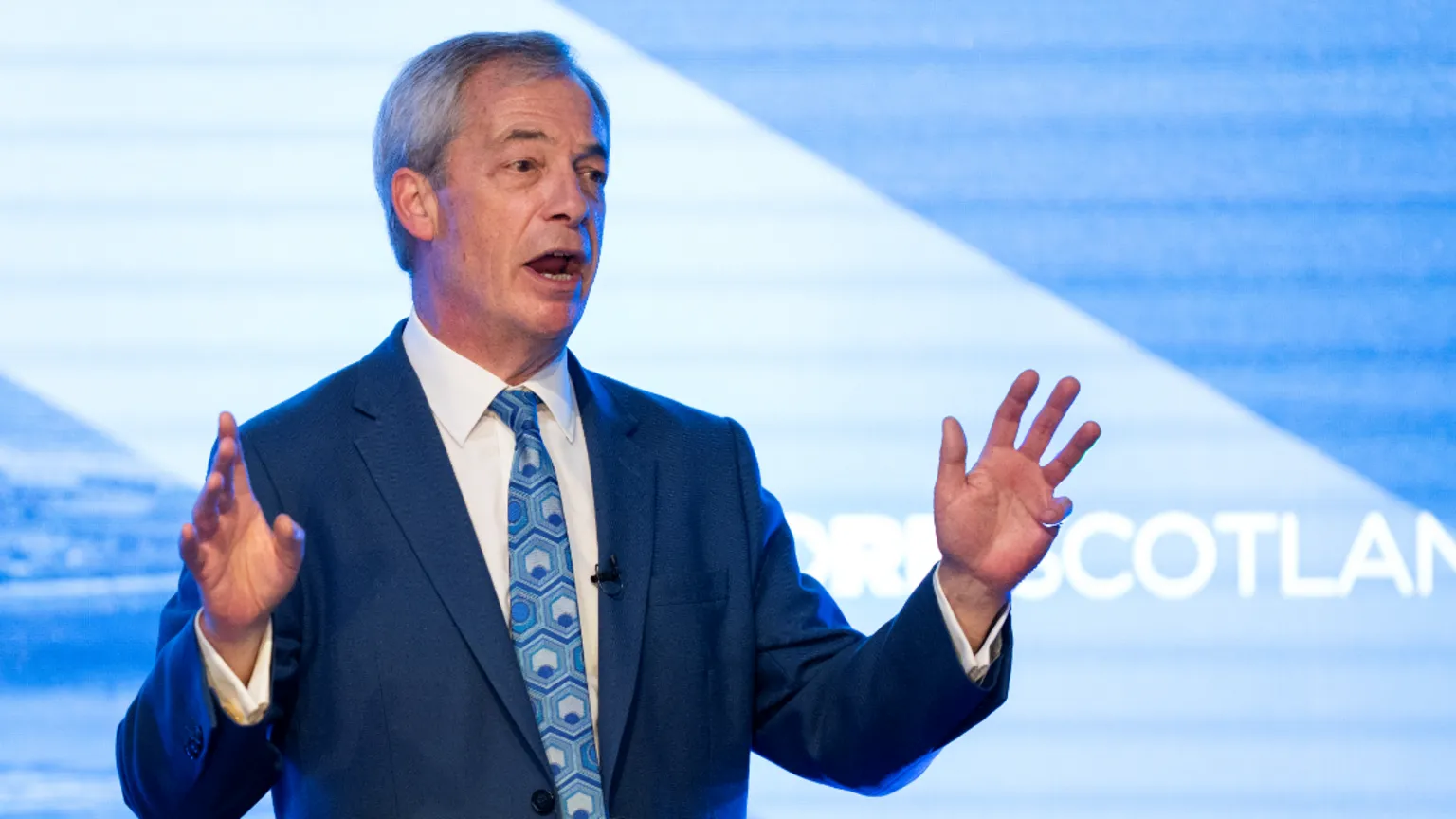
Opposition figures from across the political spectrum were quick to denounce Trump's remarks. Conservative leader Kemi Badenoch labeled Trump’s statements as "flat-out nonsense," while Nigel Farage, leader of Reform UK, strongly sided with Starmer, calling Trump's views "wrong" and highlighting the bravery of British soldiers who served alongside American forces for two decades.

Notably, the Liberal Democrats have called on Starmer to summon the US ambassador to address this affront to British troops, with leader Ed Davey condemning Trump's avoidance of military service during Vietnam and demanding a retraction of his offensive comments. "How dare he question their sacrifice," Davey exclaimed, urging others to stop idolizing Trump’s rhetoric.

Defense Secretary John Healey further reinforced the narrative of camaraderie and sacrifice, reminding the public of the shared values that led to fighting side by side with US troops. “These heroes must be remembered for who they were: individuals willing to sacrifice everything for our nation," he declared, saluting their courage and dedication.

Adding a personal touch, Prince Harry stepped into the fray with poignant reflections on his own tours in Afghanistan. Emphasizing the life-altering impact of the war, he urged that the sacrifices of soldiers "deserve to be spoken about truthfully and with respect." His comments resonated deeply, spotlighting the emotional scars carried by those who served.

As tensions simmer, the lack of direct communication between Downing Street and Trump underscores the ongoing diplomatic dance. Yet, the implications of his divisive remarks continue to reverberate, calling into question the integrity of military alliances and the treatment of veterans.


Key Takeaways:
Starmer takes a stand against Trump’s "appalling" troop comments, demanding respect and recognition for soldiers.
A wave of bipartisan outrage against Trump's claims underscores solidarity and respect for military sacrifices.
Prince Harry offers a heartfelt reminder of the deep sacrifices made by troops, urging for truth and honor in their remembrance.


Adapted by ASEAN Now from source 2026-01-23


ASEAN NOW News
ASEAN NOW News
Donald Trump's recent remarks about Nato troops' role in Afghanistan have sparked significant backlash from British politicians. Trump suggested that Nato troops stayed "a little off the front lines," which has been labelled "disappointing" by Health and Social Care Minister Stephen Kinnock. Various UK officials have expressed indignation at the claim.

The UK, along with other Nato allies, joined the US in Afghanistan in 2001, following the 9/11 attacks. Trump’s assertion undermines the sacrifice of the 457 British service members who lost their lives during the war, according to Labour MP Emily Thornberry and other critics. Conservative MP Ben Obese-Jecty, who served in Afghanistan, expressed regret over Trump's comments, viewing them as dismissive of the sacrifices of Nato troops.

Speaking on Fox News, Trump voiced scepticism about Nato's willingness to assist the US in times of need, stating, "We've never needed them." His remarks suggested that while European troops were sent to Afghanistan, they did not fully engage on the front lines. Many, including Dutch foreign minister David van Weel, have dismissed this perception, accusing Trump of distorting the truth about Nato's role.

Stephen Kinnock and others have highlighted the UK's steadfast support and alliance with the US in military endeavours. Kinnock affirmed the professionalism and bravery of British troops and reiterated the importance of the US-UK partnership in defence and security. Sir Ed Davey, the leader of the Liberal Democrats, echoed his sentiments by criticising Trump for questioning the sacrifices made by allied troops.

Looking forward, it remains paramount for leaders of Nato countries to ensure cohesion within the alliance, especially after such remarks. Former British Army officer Obese-Jecty and other UK officials continue to emphasise the shared commitment and significant risks taken by Nato forces in Afghanistan. The BBC reported on the importance of the US-UK relationship for ongoing global defence and security efforts.

Key Takeaways
UK officials have criticised Donald Trump's comments about NATO troops in Afghanistan.
UK politicians underscore the sacrifices made by British troops and the role of NATO in Afghanistan.
They underscore the vitality of the US-UK special relationship for defence and security.


Adapted by ASEAN Now from BBC 2026-01-23


webfact
webfact
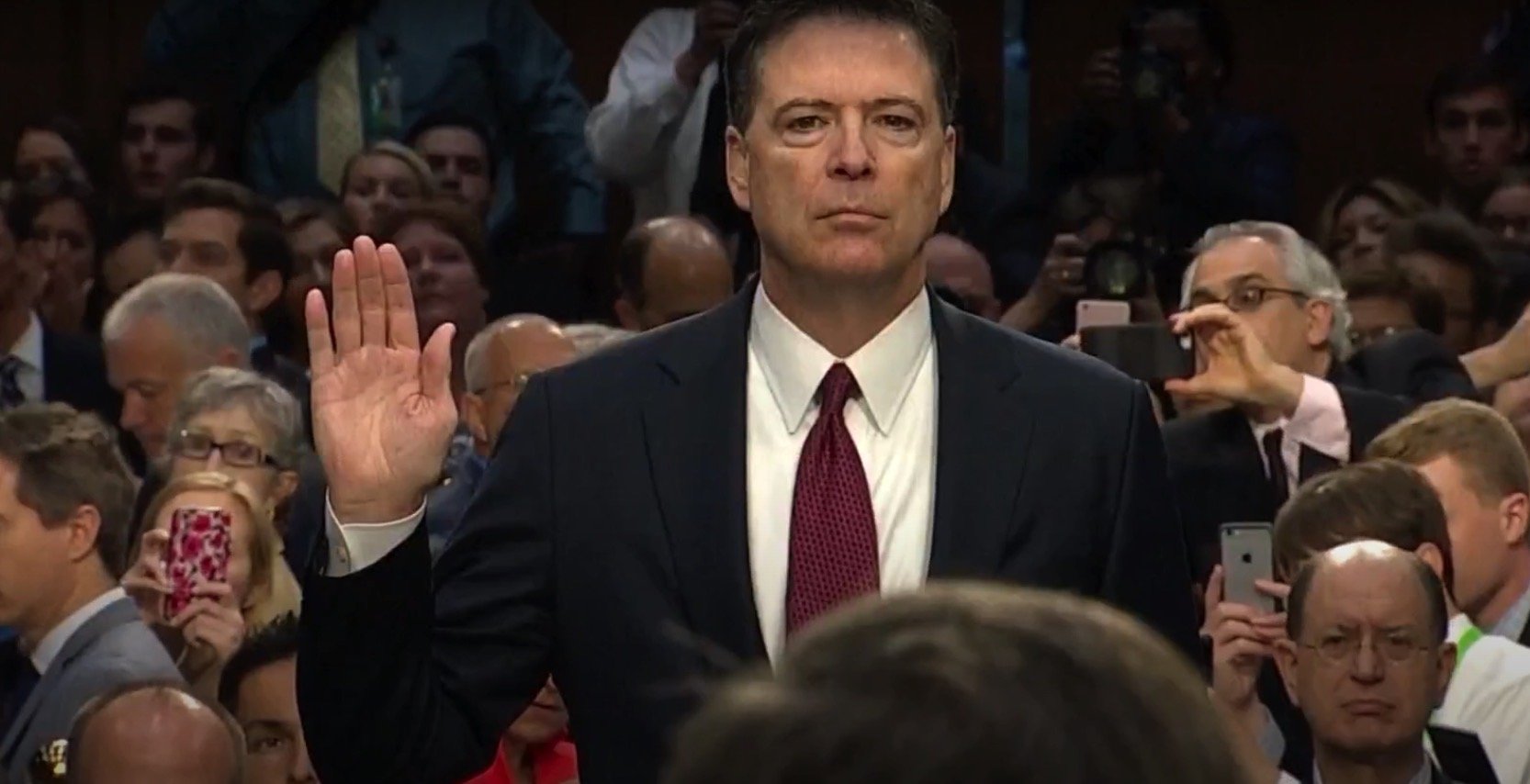
In a gripping testimony, US special counsel Jack Smith publicly claimed that President Donald Trump was involved in the 6 January 2021 Capitol riot. His bold declarations came before a congressional committee, stating he possessed “proof beyond a reasonable doubt” implicating Trump in two major investigations. One focused on alleged attempts to overturn the 2020 election, and the other involved claims of retaining classified documents improperly.

Smith’s testimony was the first public account following private disclosures now released in a 255-page transcript. Despite Trump pleading not guilty, the cases were dismissed once he regained the presidency last year. The hearing, held by a Republican-led committee, turned contentious, with Republicans alleging political bias and criticising Smith's investigative methods, while Democrats applauded Smith's efforts.

Smith remained firm, asserting his decision to charge Trump was based on substantial evidence that could secure convictions. He argued that Trump was undeniably the pivotal figure responsible for 6 January’s chaos. Smith stated, “The attack that happened at the Capitol...does not happen without him.”

Despite potential repercussions, Smith anticipated continuous targeting by Trump and allied officials. Attorney General Pam Bondi's alleged closeness to Trump raised concerns for Smith, who remained defiant against potential intimidation. The Office of the Special Counsel has begun an investigation into Smith, though its focus remains undisclosed and it lacks criminal prosecutorial authority.

Publicly, Trump retaliated, labelling Smith “Deranged” on social media and demanding legal repercussions for Smith's actions. This came as partisan divides were evident during the hearing. Republicans shifted blame for the riot towards Capitol Police leadership rather than Trump, prompting emotional responses from four former Capitol Police officers present.

Smith contested Trump’s mass pardon of individuals involved in the 6 January events, especially those charged with violent acts. Post-testimony, he expressed disbelief and concern over such clemency. Meanwhile, Trump attacked Smith's past and methods, questioning his legal standing and suggesting political partiality.

Smith’s statements have reignited discussions about accountability for the riot and preventative measures against future unrest. Legal and political communities are closely monitoring these developments. The situation underlines the enduring political tensions surrounding the Capitol events and their implications for Trump's legacy, reported the BBC.

Key Takeaways:
Jack Smith accused Trump of instigating the 6 January Capitol riot.
Smith anticipated targeted legal repercussions but remained resolute.
Trump's controversial pardoning riot-involved individuals was criticised.


Adapted by ASEAN Now from BBC 2026-01-23


webfact
webfact
In a stirring address, Canadian PM Mark Carney urged the nation to become a "beacon to a world that’s at sea," emphasizing unity and resilience against global challenges. The national address at Quebec City’s historic fortress spotlighted Canada’s role amid dramatic geopolitical shifts and domestic struggles.

Dubbed the ‘Carney Doctrine’, his speech followed a broader World Economic Summit message in Davos. Carney critiqued the breakdown of rules-based order, denouncing economic coercion by powerful nations. Despite the narrower focus in Quebec, Carney defended Canadian values, asserting the nation’s potential to lead the world towards progress and justice.

In a pointed response to US President Donald Trump, who suggested Canada’s economy thrived thanks to American generosity, Carney declared, “Canada thrives because we are Canadian. We are masters of our home. This is our country.” He acknowledged the longstanding partnership with the US but emphasized Canadian independence and strength.

His blunt international critique has earned global praise but domestic pushback, particularly from Conservatives who argue his trade missions to China and Qatar have been distractions. They claim these missions have yielded little investment, diverting attention from pressing home issues.

Facing mounting challenges, Carney pledged swift action on the nation’s cost-of-living crisis and advancing crucial infrastructure projects. Yet, the specter of sovereignty referendums in Alberta and Quebec looms, testing national unity.

Carney acknowledged Canada's troubled past with Indigenous peoples, calling for genuine reconciliation as a pathway to true unity. He urged embracing Canada’s diverse history while working towards a fair and inclusive future.

After delivering his speech, Carney shared a light-hearted moment with Bonhomme, Quebec's iconic winter carnival figure, symbolizing national unity amid his political duties. Carney remains in Quebec for cabinet meetings and briefings ahead of parliament's return, with his governing Liberals just one seat shy of a majority.


Key Takeaways:
Carney calls for Canada to be a global beacon amidst world chaos!
Defiant response to Trump emphasizes Canadian independence!
Domestic focus as Carney faces economic and political challenges!


Adapted by ASEAN Now from The Guardian 026-01-22


ASEAN NOW News
ASEAN NOW News
In a chilling revelation, a former nurse in Germany, already jailed for ten murders, might be linked to over 100 more deaths. Katja Schlenkermann-Pitts, Aachen's chief prosecutor, announced a slew of suspicious cases under investigation.

This ex-nurse, convicted last November, shocked a regional court with his sinister night shift actions at Würselen's Rhein-Maas hospital. Administering fatal doses of sedatives, he was found guilty of ten murders and 27 attempted murders. Now, more grim discoveries could be unearthed.

Behind bars for life, this maniac denied charges, claiming merely to help patients sleep. Yet, prosecutors portrayed him as a cold "master of life and death" with a disturbing disregard for vulnerable lives.

Their heinous method? Repeated drugging with full awareness of the fatal risks. Between December 2023 and May 2024, he wreaked havoc, and now investigators dive into earlier periods.

With the ongoing probe, around 60 bodies are slated for exhumation. Already, 27 have been dug up, with forensic results eagerly awaited.

Meanwhile, Cologne prosecutors are also digging into his past employment, where death marked his steps. Two exhumations have revealed potential clues, with more to follow.

Cases like Niels Högel’s—a nurse sentenced for 85 murders—are terrifying echoes in this nightmarish saga. Officials warn fresh charges might not emerge until 2027.

Key Takeaways:
Ex-nurse linked to over 100 deaths—Germany reeling!
Chilling exhumations as investigators hunt for justice!
Dark echoes of the notorious Niels Högel case loom large.


Adapted by ASEAN Now from BBC 026-01-21


ASEAN NOW News
ASEAN NOW News
A seismic shift is coming to England and Wales policing as the government plans to chop down the current 43 police forces. Home Secretary Shabana Mahmood will unveil this dramatic overhaul next week.

The bold proposal aims to create 12 "mega forces," slashing bureaucracy and boosting crime-fighting power. But don't hold your breath—these changes might take until 2034 to fully roll out.

The current model is seen as wasteful, with each force juggling its own admin. Mahmood argues that consistency is key, as smaller forces struggle with serious crime and large incidents.

New forces will zero in on major crimes like murder and drug trafficking. Meanwhile, Local Policing Areas will spring up across neighborhoods, tackling everyday issues like shoplifting and phone theft.

With crime going unpunished, insiders admit criminals feel untouchable, believing they can wreak havoc while citizens wait for police response.

Expect an independent review to iron out details, as ministers won’t reveal the exact number of new forces just yet. This echoes past proposals from 20 years ago, when a similar cut was suggested by Charles Clarke.

Key Takeaways:
Government to slash police forces to just 12 mega forces!
Mahmood targets serious crime and neighborhood issues.
Review to shape future policing landscape by 2034.


Adapted by ASEAN Now from BBC 026-01-22


ASEAN NOW News
ASEAN NOW News
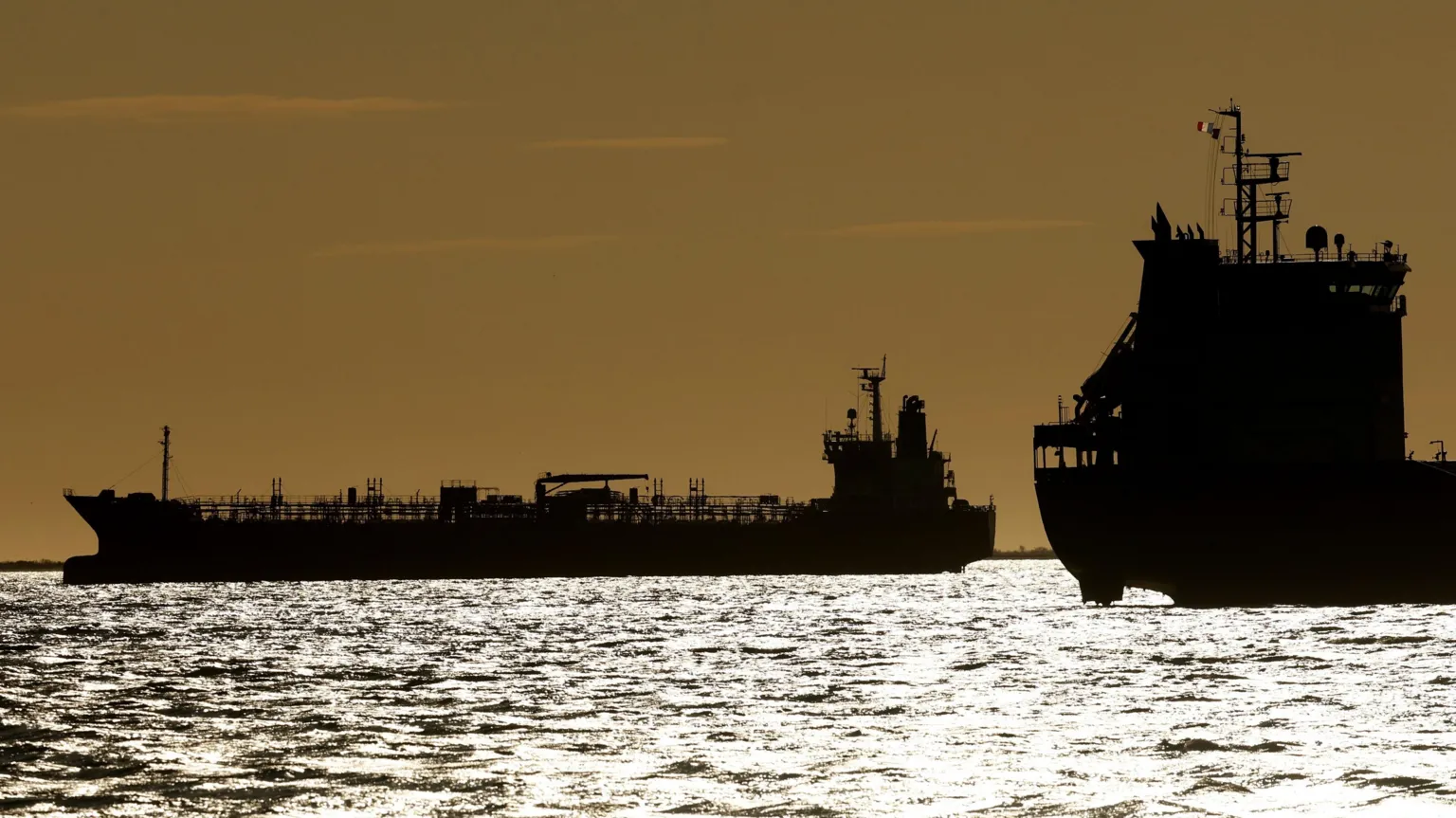
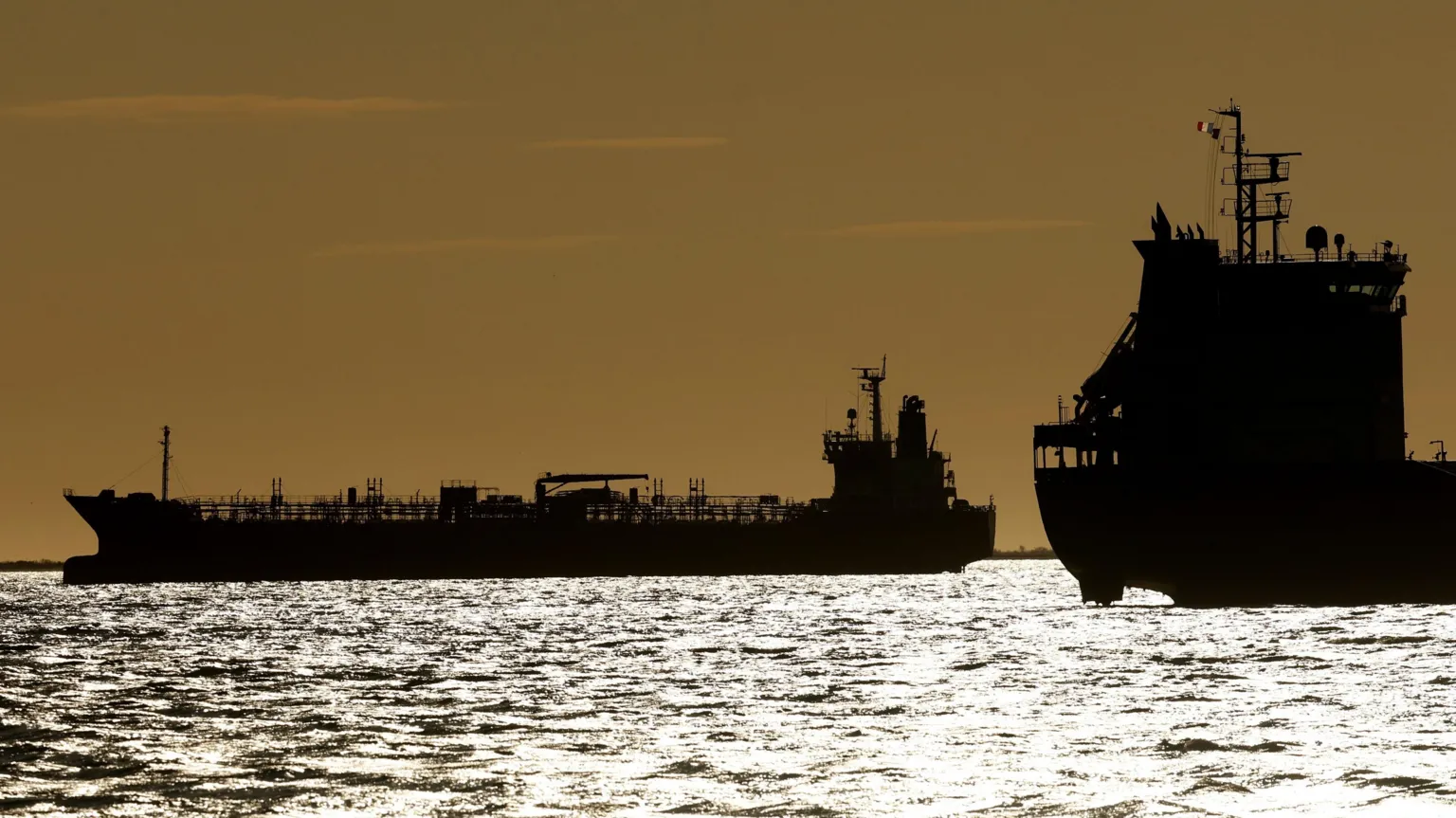
A shockwave hit the Mediterranean as France seized a Russian-linked oil tanker, "The Grinch," accused of slipping through international sanctions. This bold move aims to dismantle Russia's notorious "shadow fleet."

In a high-seas drama, the French navy, backed by UK forces, pounced on the vessel. French President Emmanuel Macron revealed it was suspected of flying a false flag, confirming fears of illicit activity.
The Grinch's arrest unveiled Moscow's covert network, used to dodge sanctions with old, obscurely-owned tankers. It was making waves from Murmansk under a suspicious Comoros flag.
Caught off-guard, Russia's embassy in Paris claimed they weren't informed. Meanwhile, Macron tweeted France's commitment to enforcing international law while slamming the "shadow fleet" for funding aggression against Ukraine.
UK Defence Secretary John Healy didn’t mince words. Praising the UK navy's role in tracking the ship, he vowed increased efforts to suffocate Putin’s war finances.
Ukrainian President Zelensky applauded the crackdown. He urged for more decisive actions from Europe, questioning if the seized oil could be sold to aid Ukraine.
Western nations rallied against Russian energy post-Ukraine invasion in 2022. British forces recently teamed up with the US to seize another Russian vessel in the Atlantic, escalating tensions with Moscow.
This isn’t France’s first rodeo. Last October, they seized a sanctioned tanker, Boracay, underscoring how shadow fleets dodge sanctions for countries like Venezuela, Iran, and Russia.
Fueling the drama, experts state one in five tankers aid this shadowy trade. A financial thriller is unfolding on the high seas.


Key Takeaways:
France seizes the Grinch in a daring operation against Russia's evasive tactics.
Experts reveal one in five tankers help smuggle sanctioned oil!
Zelensky demands Europe amp up their action against Russian aggression.


Adapted by ASEAN Now from BBC 026-01-22


ASEAN NOW News
ASEAN NOW News
In a dramatic announcement, the US has revealed transformative plans for "New Gaza," aiming to rebuild the devastated Palestinian territory with modern infrastructure and skyscrapers along the Mediterranean coast. This ambitious project was unveiled at the World Economic Forum in Davos as part of President Trump's newly established Board of Peace initiative, designed to end the long-standing conflict between Israel and Hamas.

President Trump expressed confidence in the plan's success, stating, "We're going to be very successful in Gaza." His son-in-law, Jared Kushner, who played a key role in brokering the current ceasefire, presented detailed slides of the proposed master plan. This vision includes phased development of new residential, agricultural, and industrial areas for Gaza's 2.1 million residents.
The blueprint envisions coastal tourism developments with 180 tower-blocks and zones dedicated to industry, advanced manufacturing, and agriculture. Kushner emphasized the scale of the task, noting that 90,000 tonnes of munitions have been dropped on Gaza, leaving behind 60 million tonnes of rubble to clear. The proposal initially considered a split between a "free zone" and "Hamas zone" but ultimately aimed for a unified redevelopment effort.


A critical component of the US plan involves the construction of a new seaport and airport near the Egyptian border, along with a "trilateral crossing" at the convergence of Egyptian and Israeli borders. The redevelopment phases will start in Rafah and extend north to Gaza City, creating over 100,000 permanent housing units, 200 education centers, and 75 medical facilities.
Kushner expressed optimism about completing "New Rafah" within two to three years, emphasizing the importance of demilitarization. Hamas has faced pressure to disarm as part of the peace agreement, a condition identified as vital for stimulating investment and further development.
Last year's suggestion by President Trump that Palestinians be relocated provoked global criticism. However, current plans focus on rebuilding in place and attracting international investment. A Washington conference is set to further explore private sector involvement and funding opportunities.
The ceasefire between Israel and Hamas remains fragile. Recent Israeli strikes have killed over 477 Palestinians, with Hamas blaming Israel for undermining peace efforts. Humanitarian conditions in Gaza are dire, with almost 1 million lacking adequate shelter and 1.6 million facing severe food insecurity, according to the UN.
In Davos, Israeli President Isaac Herzog commended Trump's efforts but underscored the need for Hamas to vacate Gaza entirely. Palestinian Authority President Mahmoud Abbas advocated for full implementation of the peace plan, including Israeli withdrawals and a role for the PA in Gaza's administration.
Ali Shaath, head of the National Committee for the Administration of Gaza (NCAG), announced the opening of the Rafah border crossing, marking a significant step towards reconnecting Gaza with neighboring regions.
Despite the grand plans, skeptics question whether the initiative can overcome deep-rooted political and security challenges. The war, triggered by a deadly Hamas attack in 2023, has resulted in massive casualties, heightening the need for a viable resolution.
The proposed redevelopment offers a potential path forward, but achieving lasting peace and stability in the region depends on cooperation from all parties involved, particularly regarding the demilitarization of Gaza.

Key Takeaways
US reveals extensive plans to rebuild Gaza with modern infrastructure and ensure regional stability.
Success depends on Hamas disarmament and international investments to drive economic growth.
Humanitarian challenges persist amid ongoing geopolitical tensions and reconstruction efforts.


Adapted by ASEAN Now from BBC 026-01-22


ASEAN NOW News
ASEAN NOW News
In a shocking incident, ICE agents detained five-year-old Liam Ramos during an enforcement operation against his father in Minnesota. The child's detention has ignited a fierce backlash from community members and officials.
ICE maintains that their operation targeted Adrian Alexander Conejo Arias, labeled as an "illegal alien." According to ICE, Arias abandoned his son during the encounter, prompting agents to keep the child safe in freezing conditions. Critics, however, question the necessity of detaining a young child.
Columbia Heights Public Schools superintendent, Zena Stenvik, expressed disbelief: "Why detain a five-year-old?" The school provided photos showing Liam, identifiable by his bunny-shaped winter hat, in ICE custody.
Despite ICE’s denial, stating they tried to leave Liam with family, confusion persists. Lawyer Marc Prokosch, representing the family, said Liam and his father sought asylum from Ecuador and were following protocols.
Reports reveal Liam had just returned from pre-school when approached by agents. Attempts by another resident and a school board member to take Liam inside were refused. The family's ordeal is now unfolding at a detention center in San Antonio, Texas.
Vice-President JD Vance defended ICE's actions amidst mounting protests. "What are they supposed to do? Let a child freeze?" Vance argued, insisting ICE has no choice but to arrest those violating laws, regardless of children present.
The operation, dubbed "Operation Metro Surge," seeks to target criminal offenders, but local leaders highlight trauma inflicted on communities. Stenvik mentioned recent detentions of other students, intensifying community fears.
The DHS insists their operations are lawful and focus on significant threats. Yet, protests continue after a federal officer fatally shot Renee Good, claiming self-defense. The incident has sparked further condemnation.
Meanwhile, political tensions rise as seven Democrats joined Republicans to pass a $1.2 trillion funding bill for government agencies, including ICE. The funding remains contentious, highlighting divisions over immigration enforcement priorities.


Key Takeaways
ICE's detention of a child sparks community outrage and highlights immigration policy conflicts.
Tensions mount with recent enforcement actions and political divisions over funding.
Protests continue as communities call for changes in ICE operations and priorities.


Adapted by ASEAN Now from BBC 026-01-22


ASEAN NOW News
ASEAN NOW News
President Trump launched his "Board of Peace" at the Davos Economic Forum, sparking debate over his ambitions to reshape global diplomacy. Could this signal a shift away from the UN's role as peacemaker-in-chief?
Trump's soaring promise of global peace has divided opinions. Supporters like Viktor Orban cheer, while critics like Poland's Donald Tusk remain wary of Trump’s intentions to usurp global institutions with this new board.
The board, backed by a UN Security Council resolution, plans to tackle global conflicts. Leaked drafts reveal Trump's lifelong chairmanship and sweeping powers, including the right to invite countries or dissolve bodies. Membership comes with a $1 billion price tag.
With recent US actions, including capturing Venezuela's leader and eyeing Greenland, Trump's ambitions are clear. Nineteen nations have already joined the board, though many remain skeptical.
The UK's Yvette Cooper expressed concerns about Russia’s involvement, while Sweden and Norway demand more dialogue. Even Arab nations involved in the Gaza conflict feel wary, noting no mention of Gaza in the leaked charter.
Critics suggest Trump's bid is fueled by his desire for a Nobel Peace Prize, previously awarded to Barack Obama. Trump's retaliatory threats against nations like France highlight the board's contentious nature.
In response to claims that the board could replace the UN, Trump remained cryptic. While praising the UN’s potential, he criticized its past failures and emphasized his board’s capability to act globally.
The UN, struggling to fulfill its peacemaking role, now faces a challenge with Trump's activism. Former UN leaders see this as a reflection of the body's gridlock and call for inclusion over unilateral decisions.
Trump boasts of ending major conflicts, though many were temporary ceasefires. His involvement in resolving tensions between Iran and Israel showcases his intent, yet the path to lasting peace is fraught with challenges.
The board faces its first test with Gaza, where conflicting visions from Netanyahu and Arab leaders complicate progress. Meanwhile, the ongoing Ukraine crisis adds pressure, as Zelensky refuses to engage with Moscow under this framework.
This new initiative touches on long-standing demands for UN reform, particularly of the Security Council. Some critics see Trump's actions as a catalyst to bring these issues back to prominence.
As discussions on replacing UN Secretary-General Guterres begin, Trump’s role in global peace efforts is pivotal. Despite his claim of ending the Ukraine conflict swiftly, the reality of peacemaking remains complex.
With Trump's assertion that a settlement in Ukraine is imminent and his portrayal as a global peacemaker, the world watches closely. Could this board mark a new era in international diplomacy, or will it merely spotlight the limitations of unilateral action?

Key Takeaways
Trump’s Board of Peace challenges the UN’s traditional role.
Global leaders remain divided over Trump’s sweeping powers.
The push for UN reform gains momentum amid Trump’s actions.


Adapted by ASEAN Now from BBC 026-01-22


ASEAN NOW News
ASEAN NOW News
In a dramatic twist, President Zelensky announced pivotal trilateral talks with Russia and the US in the UAE, aiming to resolve the ongoing conflict in Ukraine. This announcement comes after Zelensky's meeting with President Trump at Davos.
The diplomatic push sees US envoy Steve Witkoff, with Jared Kushner, heading to Moscow to engage with Putin. Witkoff expressed optimism, stating they've narrowed down the issues, labeling them as "solvable."
While the exact sticking point remains undisclosed, Zelensky highlighted that Eastern Ukraine's status, particularly in Donbas, is yet unresolved. He stressed, "It's all about the land," urging Russia to consider compromises.
The US's innovative proposal offers a demilitarized, free economic zone in Donbas, coupled with security guarantees for Kyiv. Witkoff is poised to continue discussions in Abu Dhabi, focusing on military and economic prosperity.
Zelensky secured an agreement with Trump for future US security guarantees, requiring approval from both US Congress and Ukrainian parliament. Emphasizing a Trump-backed security framework, he insisted, "No security guarantees work without the US."
At Davos, Zelensky critiqued European allies for lacking political resolve against Russia, lauding Trump's proactive stance. He contrasted Europe's indecision with Trump's decisive leadership, arguing for stronger action against Russian aggression.
Despite the harsh winter and ongoing Russian strikes crippling Kyiv's infrastructure, Zelensky made a determined effort to reach Davos. He highlighted a 20-point US peace plan, largely finalized, stressing diverging views on Donbas and control over the Zaporizhzhia nuclear plant.
Kremlin spokesperson Dmitry Peskov confirmed ongoing discussions but remained non-committal on Witkoff's optimism. With Russia keen on regional control and slow eastern advances, the talks hold substantial significance.
Zelensky's team, including top officials like Rustem Umerov and Kyrylo Budanov, is deeply invested in the negotiations. The gravity of these talks underscores Ukraine's earnest pursuit of peace—a possible turning point in a long-standing conflict.


Key Takeaways
High-stakes Ukraine talks involve US, Russia, in UAE to tackle land issues.
Security guarantees essential with Trump's backing as Europe faces criticism.
Ukraine pushes for economic zones amid harsh winter challenges.


Adapted by ASEAN Now from BBC 026-01-22


ASEAN NOW News
ASEAN NOW News
In a dramatic turn, European leaders consider bolstering their nuclear capabilities independently of the US amid President Trump's unpredictable actions. His increasing threats toward NATO and a push for expansionist policies have ignited urgent discussions among European nations to reevaluate their defense strategies against Russia without American involvement.

Multiple senior European officials have engaged in intense and productive talks, with some seeing this as a potential pivot toward France and the UK for nuclear options or even developing their own arsenals. "We're navigating the protection of Europe, nuclear deterrence with or without the United States," a senior official revealed, hinting at the shifting defense paradigm.

This exploration roots from Trump’s erratic relations with Europe and Vladimir Putin's resilience in testing NATO boundaries. Canada has similarly reconsidered its US ties, looking to China as a more stable partner—a move that reflects broader geopolitical realignments.

The urgency escalates as global leaders meet at the Davos World Economic Forum, confronting Trump's threats over Greenland—a Danish territory and NATO member. Trump's initial tariffs proposal was scrapped following a framework on Arctic security with NATO, yet he maintained his ambition to control Greenland, vowing not to use force but critiquing NATO's role.

French President Emmanuel Macron is set to address France's nuclear posture soon, highlighting France and the UK’s position as NATO’s non-US nuclear powers. France holds 290 nuclear warheads, while the UK maintains about 225. By contrast, the US controls 3,700, historically extending deterrence to allies based on trust—a trust now in question.

Emma Belcher, an arms control expert, emphasized, "Extended deterrence hinges on belief in US commitments." As that confidence wanes, Europe moves toward independent nuclear discussions.

European leaders have floated various strategies: enhancing France’s arsenal, reallocating bombers, and reinforcing NATO’s eastern borders. While some view these as negotiation tactics, others see genuine desperation for a strategic shift. Finland’s Foreign Minister insisted NATO can independently tackle nuclear challenges but remains open to solutions.

France's Macron is expected to clarify his nuclear strategy stance, potentially influencing Europe’s future. Meanwhile, Trump controversially invited Putin to join his proposed Board of Peace—a NATO alternative that costs $1 billion to join, intensifying tensions with nations like Denmark over Greenland.

Putin responded favorably, eyeing collaboration with strategic partners and affirming ties with Palestinians. Trump's initiative showcases his goal for universal participation from influential leaders, challenging established alliances and questioning NATO's cohesion as Trump seeks to reshape global dynamics.


Key Takeaways
European leaders reassess nuclear strategies amid waning US trust.
France and the UK poised as central nuclear players in Europe.
Trump's controversial policies strain traditional NATO alliances.


Adapted by ASEAN Now from The Express 026-01-21


ASEAN NOW News
ASEAN NOW News
American democracy is on the verge of crisis, experts warn, as Donald Trump's second term hits its one-year mark. This dramatic shift has left historians and political scholars reeling with concern about whether the US can still claim its status as the world's oldest democracy. Have we moved into competitive authoritarianism?

In a year marked by unprecedented moves, Trump has shocked even seasoned observers. His actions—dismantling federal agencies, purging civil servants, and firing watchdogs—bear hallmarks of authoritarian regimes. Congress is increasingly sidelined, judicial rulings fiercely contested, and dissent quashed. Political opponents face persecution, marginalized groups are scapegoated, and repression of dissent becomes the norm.

Prominent scholars, including Steven Levitsky, have raised alarms about the US shifting to "competitive authoritarianism," where elections exist but disproportionally favor the ruling party. Is democracy in the US already past its tipping point? Or is there hope for a course correction?

Trump’s power grab faces fewer barriers than during his previous term. Republican critics have been eradicated from the political landscape, with remaining voices stifled by fear of reprisal. The bypassing of Congress on spending and war powers is worrisome, as are his contentious international moves that leave European allies scrambling to adapt.

Quantitative assessments paint a bleak picture. The "Bright Line Watch" initiative trails a severe decline in democratic health—down almost 30%. A collapse of this scale is rarely seen outside of coups. Nate Schenkkan cautions that distinguishing between mere partisan politics and disturbing authoritarian behaviors is crucial.
Trump's sweeping changes haven’t gone without criticism, but the White House rebuffs claims of authoritarianism. Abigail Jackson, a spokesperson, rebuts by asserting that Trump's re-election reflects fulfilling a popular mandate. Yet, experts challenge this narrative, highlighting significant drops in US democracy ratings.

Technocratic influences, like the appointment of Elon Musk, have further stirred fears about an oligarchic shift. Musk’s task of overhauling federal efficiency led to large-scale job cuts, alarming many and further distancing Trump from conventional autocratic strategies, which usually involve social safety expansions. Instead, cuts to public health and childcare programs provoke widespread criticism and concern for vulnerable communities.

Despite these unsettling developments, resistance persists. Protests, known as the "No Kings" rallies, rise against Trump's authoritarian tendencies. Legal avenues prove fruitful, with many Trump policies stalling or reversing in court battles spearheaded by organizations like the ACLU, sustaining hope for change.

The road ahead remains fraught as the 2026 midterms approach. Concerns heighten over potential manipulation of voting processes. Trump’s attempts to redraw congressional districts raise fears of entrenched gerrymandering, while increased military presence at polls as an intimidation tactic looms large. Experts urge sustained engagement and warn against complacency.

The divide in public opinion is stark, with a majority believing Trump’s policy impacts have been largely negative—cited by a recent CNN poll where 58% labeled his first year a failure. Yet, Trump supporters argue these changes are part of necessary reforms to “restore law and order.”
Moreover, the connection between Trump’s administration and tech billionaires raises additional alarms. Ruth Ben-Ghiat stresses that unlike typical oligarchs who influence from outside, Musk’s direct involvement within the government opens access to vital resources, including financial and data systems.

Traditionally autocratic regimes expand social services to buy loyalty; Trump’s approach diverges notably, contributing to growing dissatisfaction across socio-economic demographics. However, ongoing resistance—from protests to legal challenges—suggests a robust, albeit fraught, opposition intent on restoring democratic norms.

Looking forward, many scholars predict Trump's disregard for democratic norms will only intensify as elections near. The administration's aggressive stance toward peaceful protest and the manipulation of governmental agencies amplify fears of further authoritarian entrenchment. Yet, political scientists assert that democratic institutions must prove resilient through continued active engagement and voting.
In summary,

Trump’s presidency has tested the foundations of US democracy like never before. However, there remains a flicker of hope—expressed through legal resistance, organized protests, and the ballot box—that the tides might turn. As the narrative unfolds, the resilience of US democratic institutions and their ability to withstand these unprecedented challenges is a testament to their enduring strength.


Key Takeaways
Trump’s sweeping and authoritarian actions leave experts in shock, questioning the future of US democracy.
Democratic health declines sharply, but resistance through protests and courts remains strong.
Engaged citizenry and legal frameworks offer hope amid rising fears of authoritarianism.


Adapted by ASEAN Now from The Guardian 026-01-21


ASEAN NOW News
ASEAN NOW News
An appeals court has temporarily lifted an injunction against ICE, allowing agents to use pepper spray and make arrests during peaceful protests in Minnesota. This decision marks a notable victory for the Trump administration, undoing a ruling by Judge Katherine Menendez aimed at protecting First Amendment rights.

Judge Menendez had restricted ICE from retaliating against protesters, using non-lethal force, and stopping drivers without cause, citing a "chilling effect" on free speech. In contrast, the Department of Homeland Security defended ICE’s measures as "appropriate and constitutional" to uphold law and order.

This court decision coincides with Vice President JD Vance’s upcoming visit to Minneapolis, where he plans to meet local leaders and focus on restoring stability. The visit follows public outcry over the recent death of Renee Good, a mother killed by a federal agent, which has amplified protests across the state.

Minnesota Governor Tim Walz and other state officials have condemned the federal deployment as an unconstitutional "federal invasion," claiming it spreads fear and violates civil liberties. In response, the Justice Department has subpoenaed figures such as Governor Walz and Minneapolis Mayor Jacob Frey, accusing them of obstructing ICE operations.

The presence of federal agents in Minnesota remains a contentious issue, with state leaders arguing it undermines civil rights. As legal challenges unfold, the debate highlights broader concerns over immigration enforcement and protest rights in the United States.

Key Takeaways
Appeals court lifts restrictions; ICE can use force during Minnesota protests.
Vice President JD Vance to address law and order during Minneapolis visit.
Tensions escalate as state officials decry federal actions, facing subpoenas.


Adapted by ASEAN Now from The Guardian 026-01-21


ASEAN NOW News
ASEAN NOW News
Donald Trump delivered a headline-grabbing speech at the World Economic Forum in Davos, focusing on America's economic strength and his ambition to acquire Greenland. But it was his pointed remarks about other world leaders that stole the spotlight.

First, he targeted Canadian Prime Minister Mark Carney, saying, "Canada lives because of the United States. Remember that, Mark, the next time you make your statements." Trump criticized Canada for benefiting excessively from the US, suggesting Carney should be more appreciative.
Carney, in his own Davos address, avoided direct reference to Trump but called out "great powers" for using economic might coercively, prompting praise at home and sparking attention internationally.

Canada is currently grappling with US tariffs on key sectors like metals and cars and relies heavily on US trade, with 75% of its exports heading south. The renewal of the USMCA agreement is vital, and Canada's Trade Minister Maninder Sidhu acknowledged the US's importance, while also exploring options with China and India.

Trump didn't stop there. He mocked French President Emmanuel Macron for wearing blue reflective sunglasses indoors. Macron had critiqued the US's attempts to pressure Europe with tariffs. However, Macron wore the glasses due to a medical condition involving a burst blood vessel.

Despite the jest, Trump revealed doubts about Macron’s political future, stating he wouldn't attend a proposed G7 emergency meeting, remarking, "He's a nice guy, but he's not going to be there very much longer."

Trump also took a swipe at former Swiss President Karin Keller-Sutter, reflecting on past tariff negotiations where she pleaded against his proposed 30% import taxes on Swiss goods. Recalling her repeated pleas, he said, "She just rubbed me the wrong way."

The Swiss delegation, with Keller-Sutter in tow, experienced some discomfort as Trump mentioned the tariffs he initially hiked to 39% before reducing them under pressure from Swiss companies like Rolex. However, he didn't rule out potential future increases, asserting he didn't want to harm people but left the door open for adjustments.

Trump's speech at Davos, filled with economic triumphs and veiled threats, has drawn significant international attention, showcasing his willingness to call out world leaders while asserting US dominance on the global stage.

Key Takeaways
Trump criticizes Canadian PM for economic dependency on the US.
Mocks Macron's sunglasses but questions his political longevity.
Revisits tariff tensions with former Swiss leader, hinting at possible increases.


Adapted by ASEAN Now from BBC 026-01-21


ASEAN NOW News
ASEAN NOW News
Ghislaine Maxwell, currently serving a 20-year sentence for her role in Jeffrey Epstein’s crimes, is set to testify under oath before a congressional committee. Her testimony on February 9 will delve into the federal handling of Epstein-related cases, amid growing scrutiny of the Trump administration’s approach.

The deposition comes without legal immunity—a point of contention, as Maxwell's legal team asserts she’ll plead the Fifth Amendment to avoid self-incrimination. Her lawyers argue that testifying from prison poses security risks and compromises the process's integrity.

Despite being summoned by the House Oversight and Government Reform Committee, Maxwell's attorneys claim this move is mere "political theater" and insist she'll remain silent unless granted immunity. They argue that forcing her to testify without protections would add nothing new to the investigation.

Maxwell, convicted in 2021, unsuccessfully appealed to the Supreme Court last year. Her chances for early release rely on a presidential pardon, although Trump has denied considering clemency—yet hasn't completely ruled it out.
Lawmakers continue pressing the Department of Justice to release all Epstein files, facing backlash over extensive redactions.

Meanwhile, the committee is also challenging former President Bill Clinton and Hillary Clinton for not cooperating with the panel, hinting at possible contempt charges.

As the deadline for unveiling Epstein documents looms, questions surround the extent of Maxwell's potential revelations and their impact on the wider investigation into Epstein’s network and the involved high-profile figures.

Key Takeaways
Maxwell to testify under oath but plans to invoke Fifth Amendment protections.
Congressional scrutiny of Epstein case handling continues amid debate over transparency.
Maxwell's testimony could influence ongoing inquiries into Epstein's network.


Adapted by ASEAN Now from BBC 026-01-21


ASEAN NOW News
ASEAN NOW News
In a devastating escalation, an Israeli strike in central Gaza has resulted in the deaths of three Palestinian journalists. Identified as Mohammed Salah Qashta, Anas Ghneim, and Abdul Raouf Shaat, these journalists were reportedly working for an Egyptian relief organization and were killed when their vehicle was struck in the al-Zahra area. The car was clearly marked with the humanitarian group's logo, emphasizing the mission's non-combatant nature.

The Israeli military justified the attack by claiming they targeted several suspects operating a Hamas-affiliated drone, which allegedly posed an imminent threat to their troops. This incident underscores the fragile nature of the current ceasefire, with both sides accusing each other of violations.

Adding to the tragic toll, Gaza's health ministry reported that eight other individuals, including two children, were killed by Israeli artillery and gunfire on the same day. In a separate incident, three people, including a young boy, were killed by Israeli tank fire, and a teenager and a woman were reported killed in Khan Younis.

The Israeli military also noted that a "terrorist" was killed when they crossed the Yellow Line—a demarcation still under Israeli control per the ceasefire terms. This complex landscape of violence and ceasefire breaches highlights the ongoing instability in the region.

Hamas condemned the journalist killings as a "dangerous escalation," arguing that it constituted a blatant violation of the ceasefire. The Palestinian Journalists Syndicate expressed outrage, labeling the incident a war crime and accusing Israel of attempting to silence Palestinian media. French news agency AFP, for whom Shaat was a regular contributor, expressed deep sadness and demanded a thorough investigation.

The Committee to Protect Journalists joined in denouncing the attack, underscoring that Israel, with its advanced targeting capabilities, has an obligation to protect journalists under international law. The CPJ notes this conflict as the deadliest for journalists, with over 206 media workers killed since the outbreak of hostilities.

Local journalists remain the primary source of on-the-ground reporting in Gaza as Israel restricts foreign press access. This measure necessitates reliance on local voices, which face tremendous risk amid the conflict.

This escalation follows the October 7, 2023, Hamas attack on southern Israel, in which 1,200 people were killed and 251 taken hostage, prompting Israel's military campaign in Gaza. Since then, Gaza's health ministry reports that over 71,550 individuals have died due to ongoing military actions.

As global attention centers on the Israeli-Palestinian conflict, the killing of journalists foregrounds the issue of press freedom and safety in war zones, with international calls for accountability and protection measures growing louder.


Key Takeaways
Three journalists killed in Gaza, highlighting ongoing risks for media personnel.
Incident draws international attention to ceasefire stability and press safety.
Hamas and journalist organizations condemn attacks, demanding accountability.


Adapted by ASEAN Now from BBC 026-01-21


ASEAN NOW News
ASEAN NOW News
In a strategic move, seven countries, including Saudi Arabia, Turkey, and Egypt, have joined US President Donald Trump's "Board of Peace," designed initially to oversee the Gaza ceasefire. While the board's original intent focused on Gaza's reconstruction, its broader charter suggests it could assume roles typically reserved for the United Nations.

Saudi Arabia and other Muslim-majority countries have endorsed the initiative, emphasizing consolidation of the ceasefire in Gaza and supporting reconstruction efforts. This aligns with the board's aim to advance a "just and lasting peace" in the region.

Israel confirmed its participation early on, and Trump's comments suggest that Russian President Vladimir Putin is considering joining. However, the Kremlin has not yet officially committed, stating that the invitation remains under review. Putin has suggested that Russia could potentially contribute $1 billion from frozen assets, viewing the board primarily as pertinent to Middle Eastern issues.

The initiative extends invitations globally, with Canada, the UK, and several other nations deliberating over their role. The UAE, Bahrain, and several others have already committed to the board, reflecting its rapidly growing influence.

Amid the enthusiasm, Slovenia's Prime Minister Robert Golob has declined the invitation, criticizing it as interfering with the international order. The Vatican has also received an invitation, with Cardinal Pietro Parolin indicating that Pope Leo will need time to decide.

According to a leaked document, the board’s charter will become effective once three member states formally agree, with terms renewable every three years. Those contributing $1 billion gain permanent seats, suggesting a high economic threshold for ongoing influence. The board, branded as an international peace-building organization, grants Trump significant powers as its chair and US representative.

Last week, the White House announced the seven founding Executive Board members, including figures like US Secretary of State Marco Rubio and Tony Blair. The board is tasked with pivotal roles in Gaza, authorized by a UN Security Council resolution extending through 2027.

Tensions persist, as Netanyahu’s office expressed unease about the board's Gaza Executive composition, particularly with members like Turkey and Qatar, despite their role in brokering the ceasefire. The plan for peace in Gaza involves two phases: the current fragile ceasefire and future reconstruction. However, challenges loom as Hamas has not fully agreed to demilitarization without statehood assurances, and Israel is cautious about further withdrawals from Gaza.

The fragile ceasefire remains, with over 460 Palestinians and three Israeli soldiers reported killed since its inception. The broader conflict, ignited by a Hamas attack in October 2023, has resulted in substantial casualties, underscoring the situation's volatility and the board's complex diplomatic mandate.

Through this initiative, the Trump administration seeks to assert US influence in global conflict resolution, potentially challenging the established role of international entities like the UN. As the board expands, its capacity to effectively navigate geopolitical tensions and foster peace remains a focal point of global interest.


Key Takeaways
New countries join Trump's Board of Peace, heightening its international profile.
The board’s expanded mission may redefine traditional roles in global diplomacy.
Gaza tensions highlight the board's challenging path to enduring peace.


Adapted by ASEAN Now from BBC 026-01-21


ASEAN NOW News
ASEAN NOW News
President Donald Trump has revealed a major breakthrough in negotiations over Greenland, announcing the "framework of a future deal" while holding off on tariffs against European nations. Following productive talks with NATO's leader, Trump described potential agreements as a boon for both the US and its allies.

The discussions focus on security, mineral rights, and a proposed Golden Dome missile defense system. This plan promises an advanced shield of interceptors across land, sea, and space to guard against long-range threats. Trump emphasizes that military force will not be needed, prioritizing immediate negotiations to secure the territory crucial for US national security.

Leading the charge, Secretary of State Marco Rubio and Special Envoy Steve Witkoff will report directly to Trump as talks proceed. Trump assured that more details will emerge "as discussions progress," signaling significant developments ahead.

Danish Foreign Minister Lars Løkke Rasmussen acknowledged these talks positively, seeking to balance Denmark's interests with American security concerns in the Arctic. Rasmussen expressed hope for a solution that respects Denmark’s "red lines."

Greenland's appeal lies in its strategic position and untapped reserves of rare earth minerals, essential for high-tech industries. Trump’s administration considers these resources vital, with aims to strengthen US technological and defense capabilities. There’s talk of establishing US military bases, potentially mirroring UK operations in Cyprus, further anchoring American presence in the region.

This negotiation effort is also aimed at ensuring that Russia and China do not gain economic or military influence in Greenland, spotlighting the Arctic's growing importance on the world stage. Trump’s initial plan to impose tariffs on various NATO members, including the UK, Denmark, and others, is currently paused, reflecting a positive shift in diplomatic efforts.

At the World Economic Forum in Davos, Trump reiterated his focus on peaceful negotiations, assuring that the US does not intend to use force. However, he urged global leaders to support the US’s perspective, pressing for cooperative solutions rather than confrontation. Despite declaring that force is off the table, his firm stance urges cooperation, emphasizing the potential benefits of a mutual agreement for Greenland.

The potential deal extends beyond military interests—highlighting economic possibilities tied to Greenland's resource wealth. Trump’s vision includes securing key minerals that are crucial for advancements in mobile technology and renewable energy, positioning the US as a leader in innovation and security.

As the discussion continues, Trump’s negotiation strategy underscores a balance between assertiveness and diplomacy, aiming to solidify US interests while fostering international collaboration. The evolving talks indicate a strategic reorientation in the Arctic with significant geopolitical implications, paving the way for potentially groundbreaking agreements.

Key Takeaways
Trump’s Greenland deal framework could redefine Arctic geopolitics and US-EU relations.
Emphasis on securing strategic resources and military influence highlights growing Arctic importance.
Diplomatic efforts ease tension, reflecting a shift toward cooperation over confrontation.


Adapted by ASEAN Now from BBC 026-01-21


ASEAN NOW News
ASEAN NOW News

Account

Navigation

Search

Search

Configure browser push notifications

Chrome (Android)
  1. Tap the lock icon next to the address bar.
  2. Tap Permissions → Notifications.
  3. Adjust your preference.
Chrome (Desktop)
  1. Click the padlock icon in the address bar.
  2. Select Site settings.
  3. Find Notifications and adjust your preference.