Skip to content
View in the app

A better way to browse. Learn more.

ASEAN NOW

A full-screen app on your home screen with push notifications, badges and more.

To install this app on iOS and iPadOS
  1. Tap the Share icon in Safari
  2. Scroll the menu and tap Add to Home Screen.
  3. Tap Add in the top-right corner.
To install this app on Android
  1. Tap the 3-dot menu (⋮) in the top-right corner of the browser.
  2. Tap Add to Home screen or Install app.
  3. Confirm by tapping Install.

Become a member

Become a member

World News

Fresh news brought to you daily from around the world. Hot news, breaking stories as they happen.
In a surprising move, Israeli Prime Minister Benjamin Netanyahu has agreed to join Donald Trump's "board of peace," a US-backed initiative originally aimed at overseeing a ceasefire in Gaza. Initially met with skepticism, the board's mission has expanded, sparking debate over its global implications.

Netanyahu's acceptance follows previous objections regarding the board’s executive committee, which includes regional rival Turkey. Despite these concerns, Netanyahu has decided to join, aligning with the US-led effort which has invited an array of nations, including the UAE, Morocco, and Hungary, to participate.

Criticism surrounds the board’s potential to undermine the United Nations. Trump has hinted that it could even replace the UN, describing the global body as ineffective, yet acknowledging its untapped potential. His remarks underline a broader strategy to distance the US from longstanding international commitments.

The board, chaired by Trump, extends invitations to numerous countries and hints at a possible broader role in global conflict resolution. This move has caused diplomats to worry that it may disrupt established international systems. The board's draft charter demands a hefty $1 billion contribution for sustained membership, challenging countries to reaffirm their commitment.

Netanyahu's decision comes despite internal criticism from far-right members of Israel’s coalition, who disapprove of US-led governance strategies in Gaza. They argue for more assertive Israeli policies, such as annexing Palestinian territories. Nevertheless, the Israeli Prime Minister has chosen cooperation with the US, signaling a strategic alignment.

Countries yet to respond to invitations include the UK, Russia, and the EU’s executive arm. As the board's scope potentially broadens, it raises questions about the balance of power in international relations and the role of existing multilateral organizations.

Diplomats remain cautious, concerned about the board’s ability to challenge entities like the UN. The charter staunchly criticizes past approaches, emphasizing the need for innovation and resolve. Trump, a known critic of the UN, recently announced US withdrawal from several international organizations, amplifying uncertainties about this new body's intentions.

Under the charter, Trump holds significant authority, with powers to remove or appoint member states, subject to a two-thirds veto by the board. This concentrated power raises concerns about governance and accountability.

Netanyahu’s involvement underscores Israel's strategic alignment with US interests, yet the move could have far-reaching impacts on regional diplomacy and beyond. As the board takes shape, its ability to navigate complex geopolitical landscapes remains in focus.


Key Takeaways
Netanyahu joins Trump's board, potentially redrawing global conflict mediation lines.
Criticism mounts over possible sidelining of the UN by a new US-led initiative.
Trump's board seeks $1 billion membership contributions, raising stakes in global diplomacy.


DISCUSS THIS NEWS STORY ON THE FORUM


Adapted by ASEAN Now from The Guardian 2026-01-21


ASEAN NOW News
ASEAN NOW News
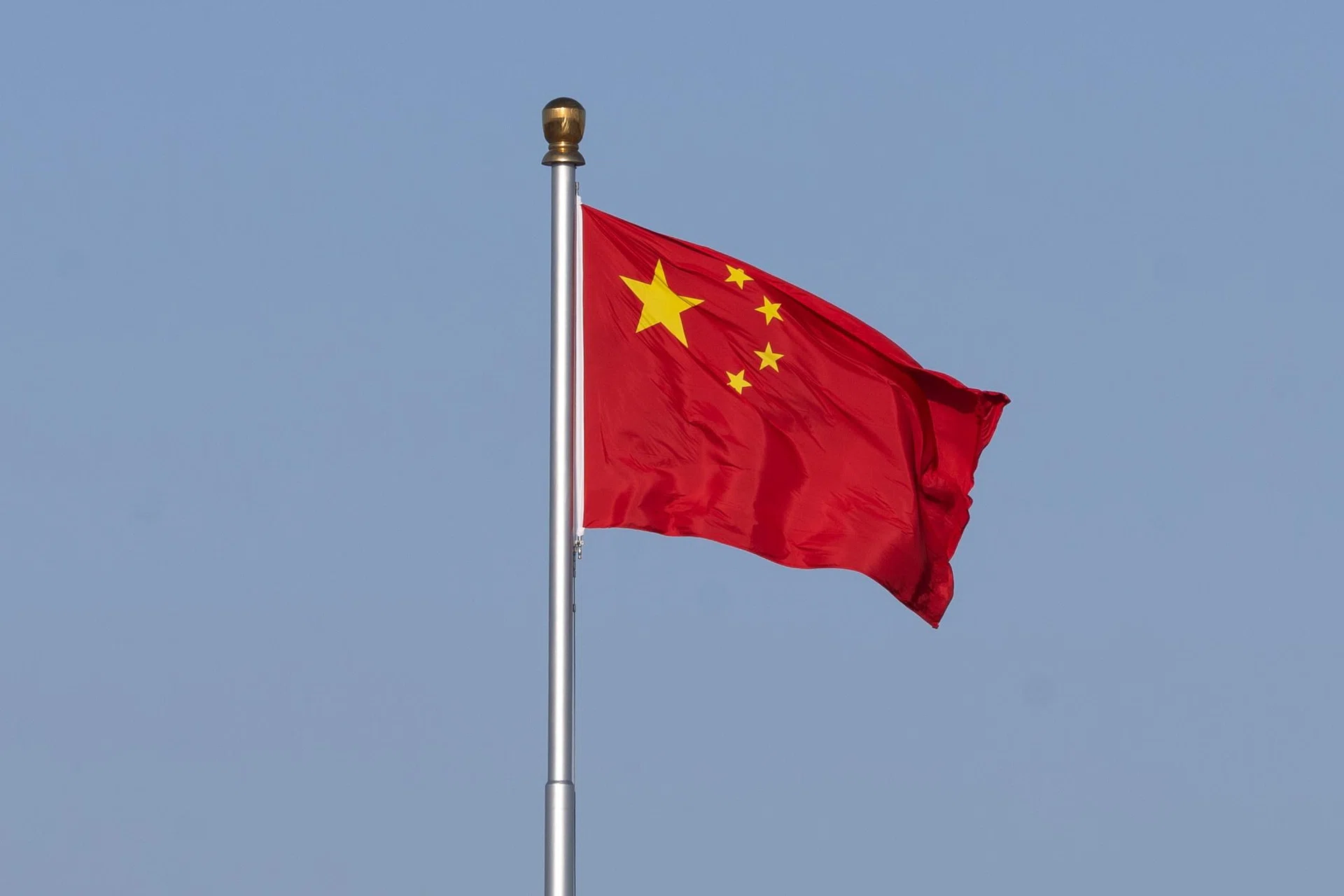
Despite criticisms about potential spying risks, the UK has approved China's plan for a massive new embassy in central London. Security Minister Dan Jarvis asserted that intelligence agencies played a significant role in the assessment, and he received assurances of effective risk management. The government has repeatedly delayed the approval, attempting to strike a balance between closer ties with Beijing and security concerns.

Housing Secretary Steve Reed granted approval, subject to certain conditions. The embassy will be located at the Royal Mint Court, near sensitive fibre optic cables, which raises fears of possible infiltration of the UK’s financial system. However, the housing department stated there’s no evidence to suggest the embassy's presence would disrupt the cables, and no objections were raised by national security bodies.
Dan Jarvis highlighted measures to boost cable resilience and cited national security benefits by consolidating China's diplomatic sites into one. Leaders from MI5 and GCHQ acknowledged that they cannot eliminate risks, but they have implemented a "proportionate" security package. Conditions include starting development within three years and establishing a local steering group to handle protests. The project has faced opposition from various parties.
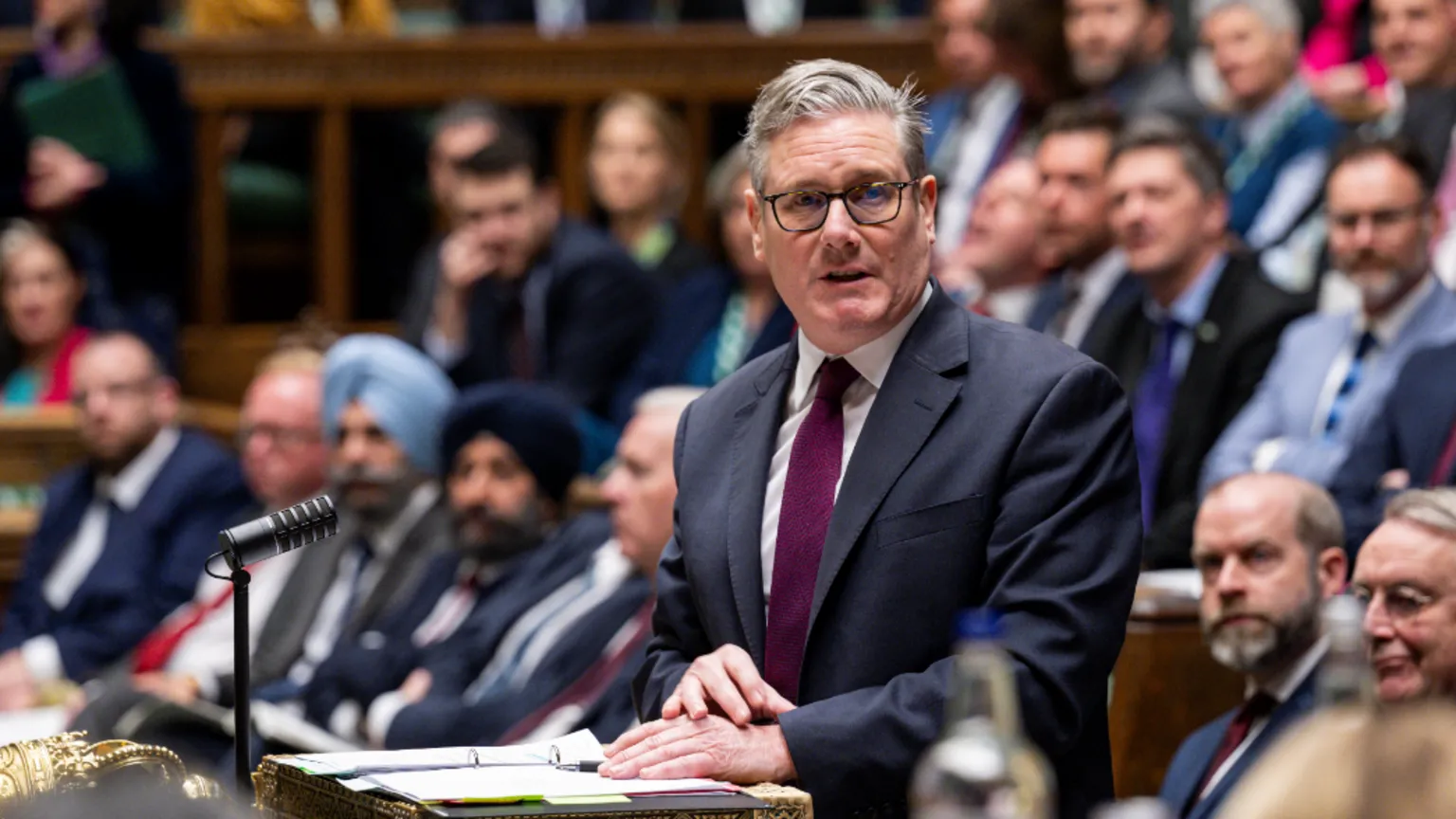
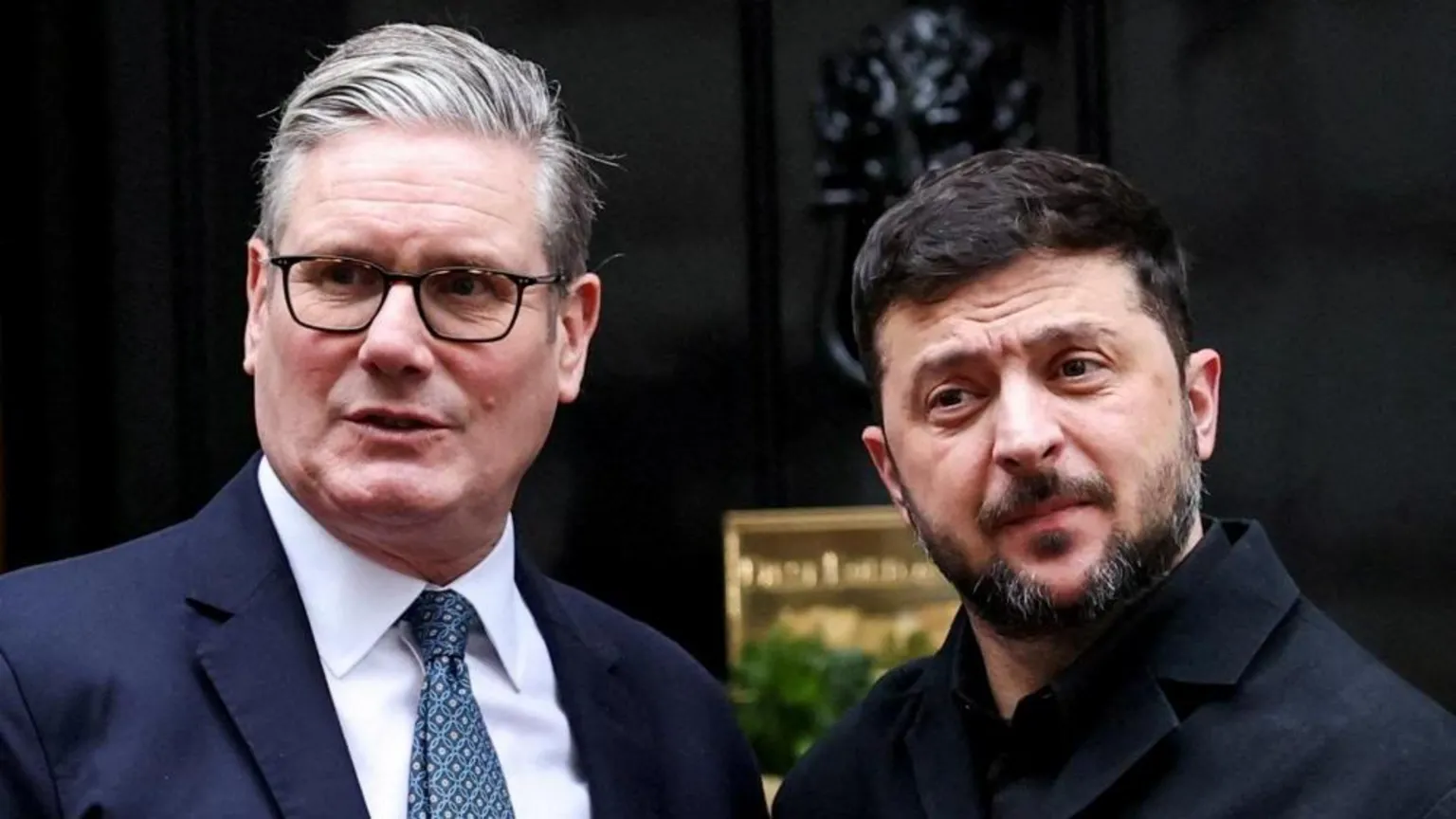
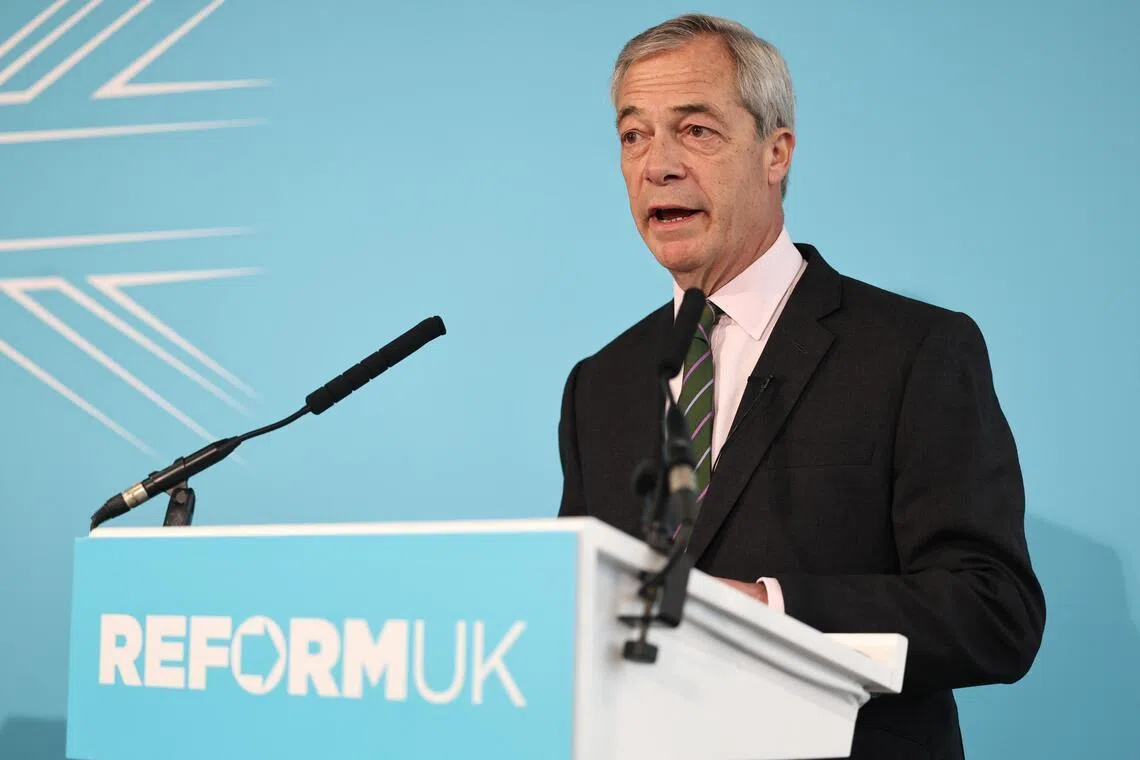
Conservatives, including Priti Patel, have criticised Keir Starmer for compromising national security, while Liberal Democrats warned of increased surveillance and threats to data security. Reform UK has labelled the decision a desperate attempt to appease China.


Embassies hold diplomatic significance, serving as the primary communication channel between nations. At 20,000 square metres, the new Chinese embassy will be Europe's largest of its kind and a priority for Beijing, having purchased the site for £255 million in 2018. The government intervened in 2022, overturning the initial rejection due to safety concerns.

Despite the potential advancement of UK-China diplomatic relations, the UK's own plans for redeveloping its Beijing embassy remain under consideration. Critics advocate for caution due to potential espionage and China's influence on dissidents abroad, despite Labor’s efforts for tighter trade alliances, as demonstrated by senior figures visiting China lately, reported the BBC.


Key Takeaways
The UK has approved China's embassy plans despite security worries.
National security chiefs agree on mitigation steps for potential risks.
Critics warn the move might enhance China's surveillance in the UK.

Related Story:
UK Poised to Green-Light Chinese Embassy Plans Amid Controversy


Adapted by ASEAN Now from BBC 2026-01-21


ASEAN NOW News
ASEAN NOW News
The UK government is pondering a bold move to ban social media for under-16s amid mounting concerns over young people's safety online. This deliberation comes as Ofsted is tasked with tightening phone use policies in schools, with an expectation of creating “phone-free” environments. Following appeals from over 60 Labour MPs and voices like Esther Ghey, mother of the slain teenager Brianna Ghey, there's increasing pressure to address this pressing issue.

Brianna's mother highlighted the negative impact social media had on her daughter, limiting real-world interactions. A similar ban was enacted in Australia in December 2025, marking a pioneering step that other nations are reportedly considering. The UK consultation will gather opinions from parents, youths, and community groups on whether such a ban would be beneficial.

Experts are contemplating methods to enforce stricter age verifications by social media companies, possibly requiring them to curtail features that encourage excessive use. Ofsted is also preparing to provide more rigid guidelines to reduce phone usage in schools. The UK government has scheduled a response to this consultation for the summer.

Technology Secretary Liz Kendall clarified that existing Online Safety Act laws were only beginning points, affirming the government’s commitment to preventing harm to children. Meanwhile, conservative leader Kemi Badenoch criticised the government's pace, claiming it's merely replicating her party's previous suggestions. There’s urgency from figures like Liberal Democrat Munira Wilson, who warned against further delays in “protecting our children.”.

Educational figures and organisations, such as the National Education Union and the Association of Schools and College Leaders, have welcomed the consultation but stressed the need for prompt, effective action. However, concerns remain about Ofsted being responsible for monitoring school phone policies, with calls for more governmental support instead.

While the House of Lords prepares to vote on a potential ban, Professor Amy Orben and Dr Holly Bear caution that evidence of effectiveness remains limited. Suggestions lean toward reducing harmful content exposure and enhancing digital education. Organisations like the NSPCC, Childnet, and the Molly Rose Foundation view the proposed ban as insufficient, suggesting it might shift issues rather than resolve them, according to the BBC.

Key Takeaways
UK considers under-16 social media ban, inspired by Australia's law.
A consultation will gather feedback from the public and organisations.
Experts suggest age checks and content regulation instead of a full ban.


Adapted by ASEAN Now from BBC 2026-01-21


ASEAN NOW News
ASEAN NOW News
US President Donald Trump has remained tight-lipped regarding how far he will go to acquire Greenland, refusing to comment on whether he would use force to seize the territory. In a brief phone interview with NBC News, when asked about the use of military action, Trump simply replied, “No comment.” This comes amid heightened tensions over his intentions to take control of the semi-autonomous Danish territory.

Trump has intensified efforts to acquire Greenland, announcing plans to impose a 10% tariff on Denmark and seven other European nations unless an agreement is reached. The move further strains relationships with European allies. Over the weekend, Trump linked Greenland negotiations to his previous unsuccessful bid for the Nobel Peace Prize in a message to Norwegian Prime Minister Jonas Gahr Støre, implying the lack of recognition justifies his actions.

Norway released the text message exchange under public disclosure laws. Trump expressed that, without the Nobel accolade, he no longer had to prioritise peace exclusively. Norway, alongside other European countries, will face the tariffs starting 1st February, according to Trump’s social media post.

Norwegian Prime Minister Støre has emphasised Norway's stance, affirming that Greenland remains part of the Kingdom of Denmark. A five-member Norwegian parliamentary committee annually awards the Nobel Peace Prize. In 2025, Venezuelan opposition leader Maria Corina Machado received the prize and later gifted her medal to Trump for his role in toppling Nicolás Maduro.

Trump disputed Norway's purported impartiality in the award process, claiming that they control it. Former US Embassy senior diplomat Lewis Lukens critiqued Trump’s focus, noting Norwegian officials have no influence over the Nobel decisions. Trump, however, downplayed the prize's importance, reiterating that his peacemaking efforts accomplished more, reported NBC News.

In his dialogue, Trump criticised Europe's reluctance to part ways ways with Greenland, arguing the acquisition was pivotal for US national security against potential threats. Trump has vowed to proceed with tariffs in the absence of a Greenland deal, expressing a resolute commitment: "I will, 100%."

Key Takeaways:
Trump declined to comment on the potential use of force for acquiring Greenland.
The US President plans to impose tariffs on European countries to pressure a deal.
Norway maintains Greenland’s allegiance to Denmark, countering Trump’s claims.


Adapted by ASEAN Now from NBC News 2026-01-21


ASEAN NOW News
ASEAN NOW News
Unexpectedly, US President Donald Trump has attributed his desire to seize Greenland to Britain's decision to cede the Chagos Islands to Mauritius. Trump used his social media platform, Truth Social, to criticise the UK’s action as “an act of total weakness.” This move is part of Trump's increasing rhetoric concerning the acquisition of Greenland, a territory governed by Denmark, a fellow NATO ally.

The backdrop to this statement involves Britain's recent plan to return control of Diego Garcia, part of the Chagos Archipelago, to Mauritius. The strategic importance of this archipelago stems from the presence of a significant US military base. Trump expressed his concerns during the World Economic Forum in Davos, suggesting that such a decision shows weakness to global powers like China and Russia.

In his series of posts, Trump stated that the UK’s actions were of “GREAT STUPIDITY”, implying that such decisions justify the need for the US to pursue Greenland. His posts stressed that international rivals only respect strength, and he asserted that his leadership has garnered unprecedented respect for the United States. This statement seems to reflect Trump's ongoing interest in expanding US influence through Greenland.

Trump’s comments have generated mixed reactions from experts and allies alike. Many are wary of the potential diplomatic ramifications with Denmark, while others view this as another instance of Trump's unconventional diplomatic style. The situation has raised questions about the future of US-Denmark relations and the strategic balance in the Arctic region.

Looking forward, the international community will watch closely to see if Trump’s rhetoric translates into actionable policy. The discussions at the World Economic Forum could provide more clarity on this issue. Meanwhile, debates around the significance and consequences of the UK’s actions regarding the Chagos Islands continue to unfold, reported Tha guardian.


Key Takeaways:
US president Donald Trump cited the UK’s actions in the Chagos Islands as grounds for acquiring Greenland.
Trump's comments have sparked concerns about potential diplomatic strains with Denmark.
The situation is evolving, with further developments expected from the World Economic Forum discussions.


Adapted by ASEAN Now from The Guardian 2026-01-20


ASEAN NOW News
ASEAN NOW News
NASA's Artemis II mission sets the stage for history! Launching on February 6, a squad of astronauts embarks on a jaw-dropping 685,000-mile journey around the moon and back. It's the first crewed lunar mission in over 50 years, marking a thrilling new chapter in space exploration!

This high-stakes mission will test NASA’s formidable Space Launch System (SLS) rocket for only the second time. On board the Orion capsule, four astronauts—Reid Wiseman, Victor Glover, Christina Koch, and Canadian Jeremy Hansen—are set to push boundaries. Koch becomes the first woman, and Glover, the first person of color, to venture beyond low Earth orbit!

NASA Administrator Jared Isaacman declared it “one of the most important human spaceflight missions” in recent history. The mission paves the path to the ambitious Artemis III, which aims to land near the lunar south pole next year!

Space experts are abuzz! John Honeycutt of the Artemis team beamed at a press briefing, exclaiming, “We are making history!” Meanwhile, former UK Space Agency head David Parker described it as a leap towards the dream of sustained lunar exploration and Mars missions!

But there's tension in the cosmos! With rumors of a new space race against China, which eyes a lunar landing by 2030, the stakes are sky-high. Sean Duffy, ex-NASA acting administrator, defiantly declared, “We’re going to win.”
The engineering marvel, SLS, and Orion capsule stand nearly 100 meters tall and roar to life with the power to speed to the moon at 24,500 mph. First up? A grand rollout with NASA's gargantuan crawler-transporter set to transport the rocket to its launchpad!

Pre-launch drills are intense. Any hiccups, from bent cables to pesky leaks, and it's back to the drawing board. The countdown to launch depends on every intricate detail going off without a hitch.
Incredible maneuvers lie ahead. The Orion capsule will loop Earth, detach, and make history with breathtaking flybys of the lunar surface. Safety remains paramount. "We’ll fly when ready," promised Honeycutt.

This venture beyond Earth’s embrace could still serve surprises, as Artemis II’s flight director Jeff Radigan warns of the test flight’s unpredictability. It's a race against the elements and time, with 14 backup launch dates lined up before mid-April.

Over 230,000 miles from Earth, voyaging the dark side of the moon, these astronauts will test emergency protocols and a crucial radiation shelter. It’s space exploration at its nail-biting finest! Parker summed it up perfectly, “Every rocket launch is a nail-biter!”


Key Takeaways
NASA's Artemis II rewrites the lunar exploration script!
New space race looms—will NASA outpace China to the moon?
Astronauts embark on a historic trip beyond Earth’s orbit!


Adapted by ASEAN Now from The Guardian 2026-01-17


ASEAN NOW News
ASEAN NOW News
US President Donald Trump has confirmed he will "100%" pursue tariffs against European nations opposing his Greenland plans. European allies, such as Denmark, have steadfastly affirmed Greenland's sovereignty, with Denmark's foreign minister asserting that threats cannot dictate the territory's future. The UK also reaffirmed that only Greenland and Denmark can make such decisions.

Tensions rose further on Monday as Trump avoided commenting on the use of force but reiterated plans to impose tariffs on UK and seven other NATO countries. Specifically, Trump announced a 10% tariff on British goods from 1 February, escalating to 25% by 1 June unless a Greenland purchase deal is reached. These impending tariffs also target Denmark and other NATO members.

Danish Foreign Minister Lars Løkke Rasmussen stated Europe's need to resist Trump's tactics, declaring red lines that cannot be crossed. In response, the EU will host an emergency summit in Brussels to devise a strategy against the US threat. EU foreign policy chief Kaja Kallas affirmed that sovereignty cannot be part of trade negotiations.

Trump's remark that Europe should focus on the Russia-Ukraine conflict rather than Greenland has only added to the tension. NATO Secretary General Mark Rutte stressed continued collaboration with Denmark and Greenland for Arctic security. Meanwhile, Norway reaffirmed its support for Denmark regarding Greenland’s sovereignty amid released texts showing Trump’s dissatisfaction with the Nobel Peace Prize.

Adding complexity, North American Aerospace Defense Command (Norad) announced the arrival of aircraft at Greenland's Pituffik Space Base. This was described as part of routine operations, coordinated with Denmark, reflecting ongoing military partnerships, reported the BBC.

Key Takeaways:
Trump is firm on imposing tariffs against nations opposing his Greenland ambitions.
The EU is planning an emergency meeting to tackle Trump's trade threats.
Tensions include military movements and diplomatic exchanges with Norway.


Adapted by ASEAN Now from BBC 2026-01-20


ASEAN NOW News
ASEAN NOW News
U.S. President Donald Trump has reignited tensions over Greenland, linking his desire to control the island to his snub for the Nobel Peace Prize. In a recent interview, Trump hinted at imposing tariffs on European nations if no agreement is reached, causing concern about a potential trade war reminiscent of 2025. The European Union is considering retaliation in response to Trump's intensified efforts to assert sovereignty over Greenland from Denmark.

The situation risks destabilising NATO; it is already under pressure due to conflicts like the war in Ukraine and discussions about defence spending. European industries are on edge, and financial markets have reacted with apprehension, fearing a repeat of past economic volatility. Trump's recent communications further complicate intergovernmental relations, with Norway's Prime Minister Jonas Gahr Stoere attempting to de-escalate the situation.

After Venezuelan opposition leader Maria Corina Machado received the Nobel Peace Prize instead of Trump, the conflict escalated. In text messages to Stoere, Trump expressed dissatisfaction and questioned Denmark's claim over Greenland against threats from Russia or China. Trump announced potential tariffs on various EU countries starting February 1 unless the U.S. gains control of Greenland.

Danish and Greenlandic leaders have rejected the pressure, asserting local autonomy and adherence to international law. Denmark's military is currently conducting exercises in Greenland, demonstrating its stance on sovereignty. Meanwhile, EU leaders are gathered to discuss their response, which may include implementing tariffs on U.S. imports or employing the rarely used "Anti-Coercion Instrument."

Norway and Germany are preparing to discuss conflict with Trump at the World Economic Forum in Davos. U.S. Treasury Secretary Scott Bessent downplayed assumptions that the dispute is linked to the Nobel Prize, framing Greenland as a strategic asset. However, the potential for tariffs and trade barriers remains a concern for transatlantic relations.

EU leaders are set to meet in Brussels for an emergency summit to deliberate on their course of action. Measures under consideration could initiate automatically after a suspension period if tensions do not ease. The situation is complex, but Britain’s Prime Minister Keir Starmer has called for calm, indicating he does not believe Trump will resort to military intervention for Greenland, reported Reuters.

Key Takeaways:
Trump connects Greenland control ambitions to Nobel Prize snub.
EU weighs response options amid trade war concerns.
Discussions at Davos may influence ongoing disputes.


Adapted by ASEAN Now from Reuters 2026-01-20


ASEAN NOW News
ASEAN NOW News

Account

Navigation

Search

Search

Configure browser push notifications

Chrome (Android)
  1. Tap the lock icon next to the address bar.
  2. Tap Permissions → Notifications.
  3. Adjust your preference.
Chrome (Desktop)
  1. Click the padlock icon in the address bar.
  2. Select Site settings.
  3. Find Notifications and adjust your preference.