Skip to content
View in the app

A better way to browse. Learn more.

ASEAN NOW

A full-screen app on your home screen with push notifications, badges and more.

To install this app on iOS and iPadOS
  1. Tap the Share icon in Safari
  2. Scroll the menu and tap Add to Home Screen.
  3. Tap Add in the top-right corner.
To install this app on Android
  1. Tap the 3-dot menu (⋮) in the top-right corner of the browser.
  2. Tap Add to Home screen or Install app.
  3. Confirm by tapping Install.

Become a member

Become a member

World News

Fresh news brought to you daily from around the world. Hot news, breaking stories as they happen.
Archaeologists in the Dutch city of Maastricht are investigating whether a skeleton discovered beneath a church floor could belong to the 17th-century soldier believed to have inspired the hero of The Three Musketeers.

Get today's headlines by email

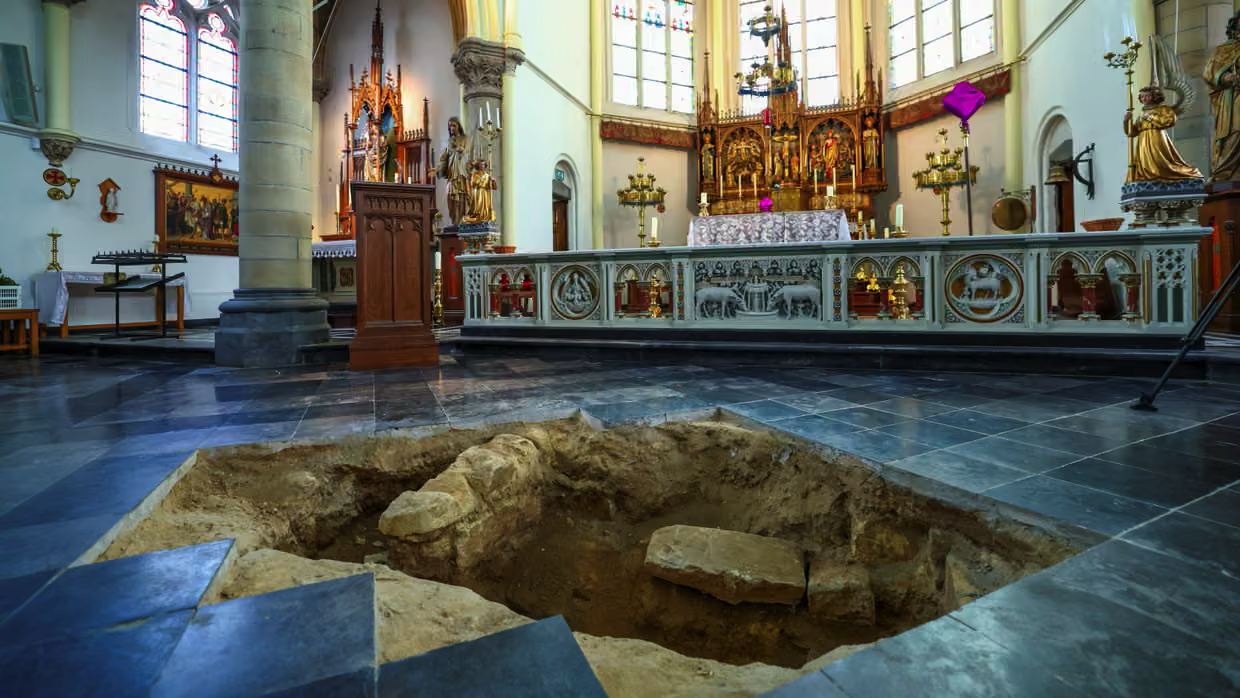
Workers uncovered the remains while repairing damage at the Church of St Peter and St Paul in the city’s Wolder district. The discovery was made after part of the church floor collapsed, exposing a burial site beneath the altar.

Skeleton Discovered During Church Repairs
Local officials contacted retired archaeologist Wim Dijkman, who has spent nearly three decades searching for the burial place of Charles de Batz‑Castelmore d’Artagnan. The Gascon nobleman served as a musketeer and intelligence agent for Louis XIV and died during a battle near Maastricht in 1673.

The long-standing question of where the soldier was buried has remained unresolved for more than three centuries.

Clues Found in the Grave
Church officials say several details surrounding the burial align with historical accounts of d’Artagnan’s death and funeral.

According to Deacon Jos Valke, the remains were located in consecrated ground beneath the altar. A coin dating to the same period was also discovered in the grave.

Perhaps the most striking detail was the presence of a bullet near the skeleton’s chest. Historical records describe d’Artagnan being killed by a musket shot to the throat during the 1673 siege of Maastricht.

These elements have led archaeologists to consider the possibility that the remains could belong to the famed musketeer. Still, researchers say confirmation requires scientific testing.

The skeleton has since been transferred to an archaeological institute in the Dutch city of Deventer for further study.

DNA Tests Under Way
Scientists collected a DNA sample from the remains on 13 March and sent it to a laboratory in Munich for analysis.

The genetic material will be compared with DNA provided by descendants of d’Artagnan’s father. Researchers hope the comparison will determine whether the skeleton belongs to the historical figure.

Dijkman said investigators are approaching the discovery cautiously despite the excitement surrounding it. Multiple examinations and analyses are under way in the Netherlands and abroad as experts attempt to verify the identity of the remains.

The case has drawn attention beyond Maastricht due to d’Artagnan’s enduring reputation.

From Soldier to Literary Legend
The real-life musketeer became widely known after Alexandre Dumas published The Three Musketeers in 1844. The novel turned d’Artagnan into a central character in a story about loyalty, adventure and court intrigue.

Dumas drew inspiration from an earlier work, Mémoires de M. d’Artagnan, written in 1700 by the French author and soldier Gatien de Courtilz de Sandras.

The fictional version of d’Artagnan has appeared in numerous film and television adaptations over the past century. The character has also been reimagined in popular culture, including as the sword-wielding dog hero of the animated series Dogtanian and the Three Muskehounds.

If the newly discovered remains are confirmed to be his, the find would resolve a historical mystery dating back more than 350 years.

Join the discussion?

Already a member?


Adapted by ASEAN Now. Source 26 March 2026
webfact
webfact
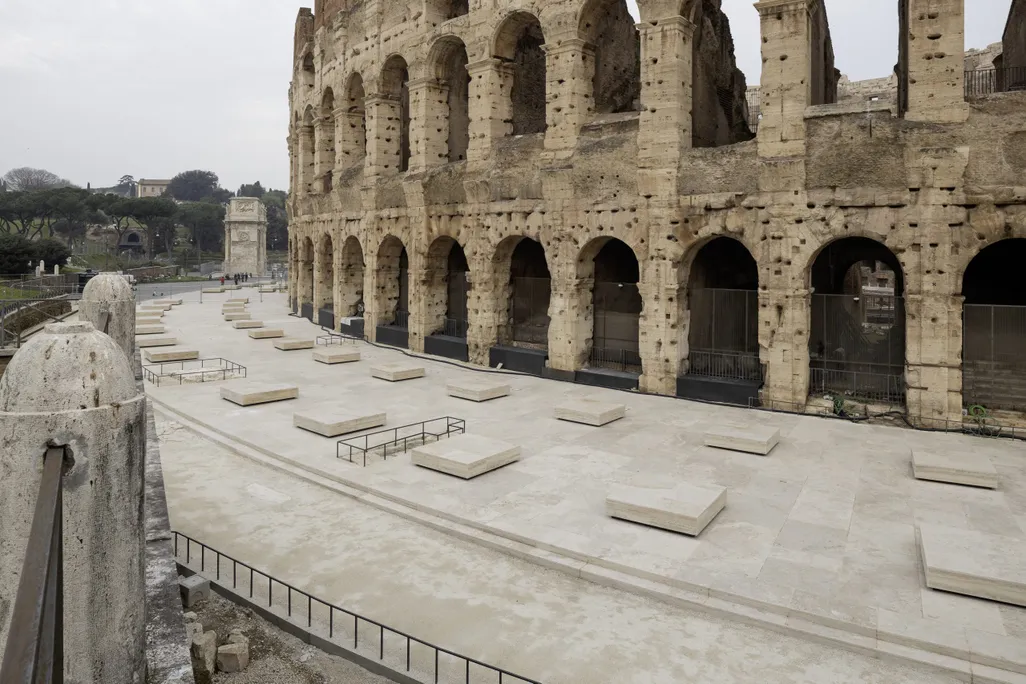
Visitors to the Colosseum can now see where massive columns once rose outside the ancient amphitheater, following the completion of a project aimed at illustrating its original layout.

Get today's headlines by email

Architects this month unveiled a new piazza featuring low travertine marble slabs placed precisely where monumental pillars once stood. The columns previously supported two tall arcades along the structure’s southern side, creating a shaded approach for crowds entering the arena.

Built in the first century C.E., the amphitheater — formally known as the Flavian Amphitheatre — drew large gatherings for gladiator contests and other public spectacles. The arcades, supported by columns reaching about 164 feet high, once sheltered spectators from the sun as they assembled before moving through the arches toward their seating sections.

Over time, earthquakes and unstable foundations caused these architectural elements to collapse, leaving little visible trace of the towering structures.

Design Inspired by Ancient Foundations
The recent installation seeks to recreate a sense of those vanished features without reconstructing them directly.

Italian architect Stefano Boeri, who designed the new piazza, said the marble blocks sit exactly on the locations where the original pillars were anchored. The intention, he said, is to help visitors understand the scale and spatial proportions of the arcades that once framed the amphitheater’s entrance.

The slabs are made from travertine marble taken from the same quarries used in the Colosseum’s original construction. Alongside them are engraved numerals marking seating sections, echoing the way ancient visitors navigated the stadium to reach their designated areas.


Architect Giorgio Donà described the work as a collaborative effort involving archaeologists, researchers and technical specialists. The project, he said, aims to give Rome and international visitors a new vantage point for understanding the monument and its historical context.

Beyond illustrating the structure’s past, planners also see the area as a functional public space. Boeri said the slabs can serve as places where visitors rest while exploring the site, offering a new gathering area without altering the surviving historic fabric.

Linked to Metro Construction
The project was funded through compensation linked to construction of new subway stations beneath the area.

Rome’s underground expansion has long posed difficulties because of the city’s dense archaeological layers. Construction teams working on the stations carried out extensive excavations before building began.

According to project officials, these digs uncovered remains including military barracks, a thermal bath complex and dozens of ancient wells. Some of these discoveries are now displayed inside the new metro stations.

The initiative reflects ongoing efforts to balance modern infrastructure with preservation in one of the world’s most historically complex urban landscapes.

For visitors to the Colosseum, the newly installed marble markers provide a subtle but tangible reminder of the amphitheater’s former grandeur — indicating the scale of architectural features that once towered above crowds entering one of the Roman Empire’s most famous venues.

Join the discussion?

Already a member?


Adapted by ASEAN Now. Source 26 March 2026
webfact
webfact
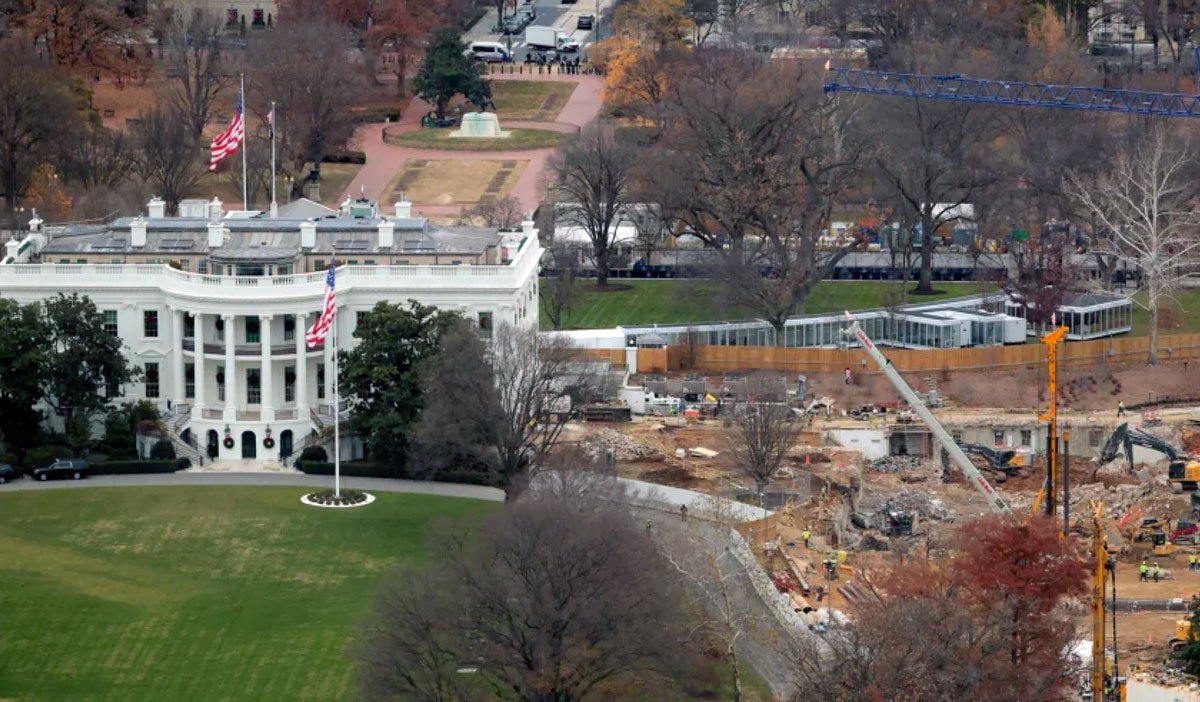
The removal of the White House East Wing during construction of a new ballroom ordered by Donald Trump also erased a historic feature tied to the legacy of Jacqueline Kennedy Onassis.

Get today's headlines by email

The Jacqueline Kennedy Garden, established in 1965, was dismantled during the project. Its pergola, designed by architect I. M. Pei, has been placed in storage while trees from the site were transferred to nurseries for preservation.

The garden had been created during the administration of Lyndon B. Johnson and dedicated by first lady Lady Bird Johnson to honor Jacqueline Kennedy’s work preserving and restoring the White House.

The decision has drawn criticism from historians and preservation specialists who argue that the redesign disrupts longstanding features of the White House landscape.

New garden plans unveiled
Design proposals presented to the National Capital Planning Commission outline a new garden replacing the original site while extending alongside the planned 89,000-square-foot ballroom.

According to landscape architect Rick Parisi, the redesigned space will include a grand staircase, a circular brick patio built with bricks from Mount Vernon, granite pathways and ornamental plant beds.

Four holly topiary trees from the former garden will remain, while a fountain from the original layout will be relocated into the new design.

Plans also alter the driveway along the White House South Lawn, narrowing part of its circular route to accommodate the ballroom structure.

Parisi said the project aims to recreate elements of the previous garden’s appearance through symmetrical plantings and expanded landscaping.

Experts challenge historic changes
Preservation specialists say the redesign departs from established planning guidelines that have shaped the White House grounds for decades.

Much of the landscaping around the building follows the Olmsted Plan created by landscape architect Frederick Law Olmsted Jr.. The plan organized the grounds around curved and elliptical pathways.

Critics say the proposed driveway redesign disrupts that layout.

Priya Jain of the Heritage Conservation Committee of the Society of Architectural Historians told the commission the sharp bend introduced in the new driveway contrasts with the historically curved pathways.

Charles Birnbaum, president of the The Cultural Landscape Foundation, said the proposal conflicts with long-standing federal guidelines governing historic landscapes.

Birnbaum previously coordinated the National Park Service Historic Landscape Initiative and authored guidance used to evaluate such projects.

He said the changes sever key visual and spatial relationships that have shaped the grounds for decades.

Garden tied to Kennedy legacy
The original garden traced its origins to 1962, when John F. Kennedy proposed creating a landscaped space along the east side of the White House.

Landscape designer Rachel Lambert Mellon developed the project with Jacqueline Kennedy, envisioning a lawn bordered by linden trees with space for recreation and small plantings.

Following Kennedy’s assassination in 1963, Lady Bird Johnson resumed the project and dedicated the garden in Jacqueline Kennedy’s honor.

For decades, the site remained part of public tours of the White House and served as a space where presidents and their families spent time outdoors.

The garden’s removal occurred when the East Wing was demolished for the ballroom project, ending its presence on the grounds.

Join the discussion?

Already a member?


Adapted by ASEAN Now. Source 26 March 2026
webfact
webfact
Shoppers in Japan have begun stockpiling toilet paper as global tensions linked to the conflict involving Iran unsettle markets, reviving a pattern of panic buying that authorities say is unnecessary.

Get today's headlines by email

Images circulating on social media show empty shelves in some stores as consumers rush to buy toilet paper in large quantities. Government officials have urged residents not to hoard the product, stressing that supplies remain stable.

The surge in buying has emerged despite the fact that toilet paper production and distribution are not directly affected by disruptions tied to oil markets or geopolitical tensions.

Economists and behavioral researchers say the phenomenon reflects how rumors and uncertainty can quickly trigger consumer runs on everyday goods.

Panic buying returns
The behavior resembles a bank run, where concern about shortages spreads rapidly and prompts individuals to buy more than they need.

In earlier eras, such fears might have spread through word of mouth. Today, social media posts suggesting shortages can rapidly amplify the same reaction nationwide.

Similar dynamics were seen during the global outbreak of COVID-19 in 2020.

On March 12 of that year, toilet paper sales surged 734 percent compared with the same date in 2019, making it the top-selling grocery item worldwide that day. During the months that followed, about 70 percent of grocery stores globally experienced at least one period when shelves were empty.

Researchers later found that the shortage was largely driven by panic buying rather than actual supply disruptions. Production levels remained stable and supply chains continued to function, but surging consumer demand temporarily drained store inventories.

The pandemic also led to a spike in demand for alternatives such as bidets, as some households adjusted their bathroom habits during the shortage.

Japan’s history of hoarding
Japan has a long record of toilet paper stockpiling during periods of crisis.

The pattern dates back to 1973 during the global oil crisis, when Yasuhiro Nakasone urged the public to conserve paper products. The statement triggered rumors that supplies were running out, prompting consumers to buy large quantities of toilet paper.

Historians and sociologists later described the panic as reflecting anxiety about economic stability during a time of global uncertainty.

Similar hoarding behavior reappeared after the devastating 2011 Tōhoku earthquake and tsunami, when consumers rushed to purchase toilet paper and other household essentials.

In those cases, temporary supply disruptions in some regions contributed to the rush.

Today’s panic appears to be driven largely by perception rather than actual shortages.

Symbol of security
Experts say toilet paper often becomes a focal point during crises because of its physical and psychological characteristics.

The product is bulky and visibly finite, making empty shelves easy to notice. Unlike many foods that are consumed and replaced frequently, toilet paper is seen as a long-term household staple.

Anthropologist Grant Jun Otsuki has argued that the item carries symbolic importance in modern consumer culture. The possibility that it might disappear from store shelves can prompt people to secure supplies quickly.

So far, the latest surge in panic buying appears largely confined to Japan.

However, early signs of similar stockpiling have been reported in Perth in Australia, suggesting the pattern could spread if concerns continue to circulate.

Authorities in Japan continue to stress that there is no shortage and that consumers should avoid unnecessary purchases.

Join the discussion?

Already a member?


Adapted by ASEAN Now. Source 26 March 2026
webfact
webfact
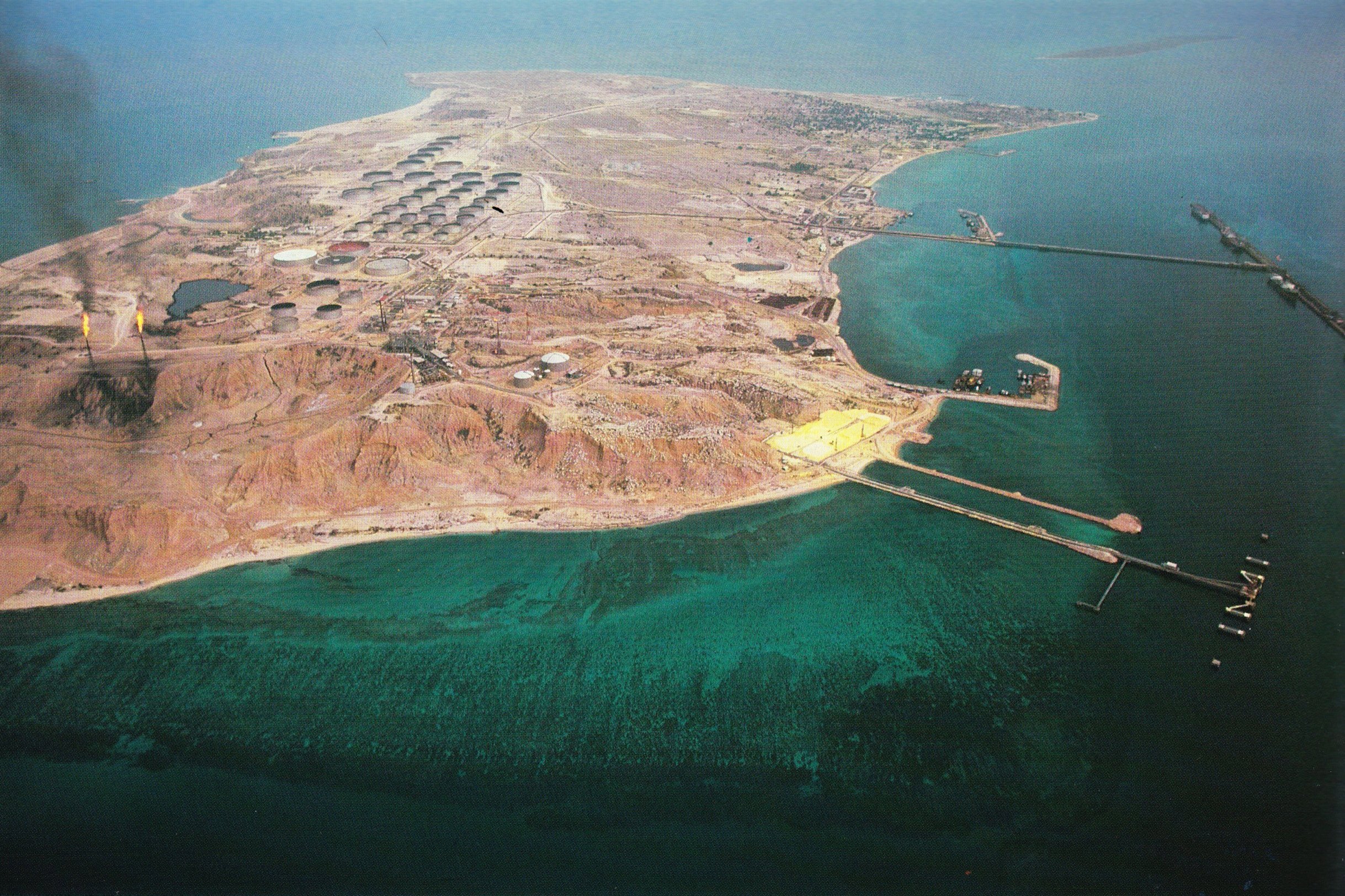
Iran has strengthened military defenses on Kharg Island amid concerns in Tehran that the United States could attempt to seize the strategic oil hub, according to people familiar with US intelligence assessments.

Get today's headlines by email

Recent intelligence reports indicate Iranian forces have deployed additional personnel and expanded defensive measures on the island. Preparations include placing traps and laying mines in areas where US troops might attempt an amphibious landing.

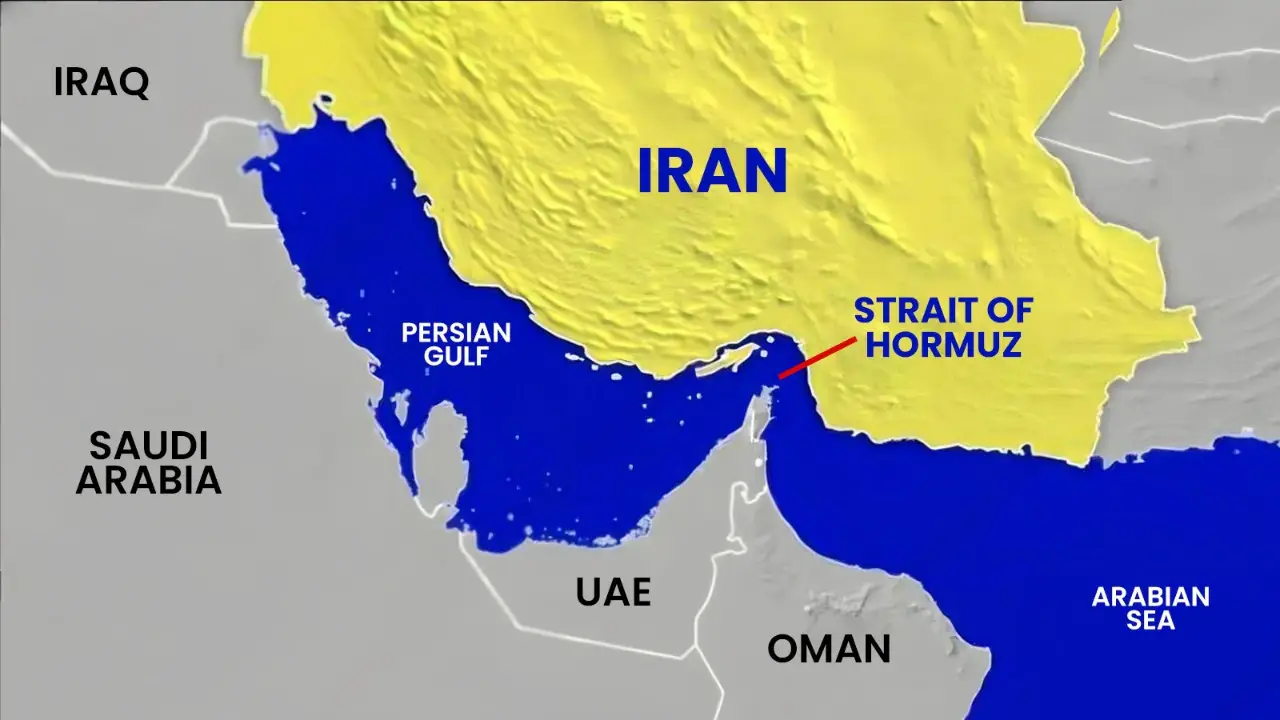
The developments come as the administration of Donald Trump considers the possibility of sending ground forces to take control of the island. Officials see the move as potential leverage to pressure Iran to reopen the Strait of Hormuz, a key maritime corridor for global energy shipments.

Kharg Island handles about 90 percent of Iran’s crude oil exports, making it one of the country’s most important economic assets.

Iran reinforces island defenses
According to intelligence sources, Iranian forces have deployed additional shoulder-fired surface-to-air missile systems, known as MANPADs, to strengthen the island’s air defenses.

Iran has also laid anti-personnel and anti-armor mines in several areas, including sections of coastline where US forces might attempt to land.

Military planners say these layered defenses could pose significant risks if the United States attempted to capture the island.

United States Central Command declined to comment on Iranian activities there.

The US military has already conducted strikes against targets on the island. On March 13, Central Command said forces hit roughly 90 targets, including naval mine storage sites, missile bunkers and other military facilities. Trump said at the time that US forces avoided striking oil infrastructure.

Despite those attacks, analysts say Iranian defenses still pose a threat.

Concerns over potential US operation
Military experts warn that a ground operation could expose US troops to missile, drone and small-arms attacks given the island’s proximity to the Iranian mainland.

Retired Admiral James Stavridis said Iranian forces would likely attempt to inflict heavy casualties if US troops landed on the island.

“The Iranians will do everything they can to inflict maximum casualties on US forces,” he said.

Iranian officials have also warned against any attempt to occupy the country’s territory.

Mohammad Bagher Ghalibaf said Tehran was monitoring US troop movements in the region and warned that attacks on Iranian territory could trigger strikes on infrastructure in other countries.

Kharg Island is located near the northern end of the Persian Gulf and is roughly one-third the size of Manhattan. Its strategic importance stems from its role as the main terminal for Iranian oil exports.

US troop deployments and regional concerns
US forces have increased their presence in the region as the conflict escalates. Two Marine Expeditionary Units, capable of rapid amphibious operations, have recently been deployed to the Middle East.

The units include thousands of Marines along with amphibious ships, aircraft and landing craft that could support a potential landing operation.

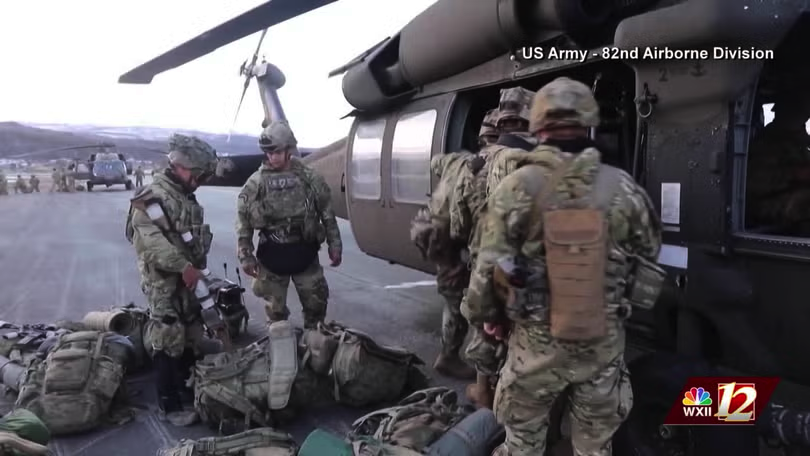
In addition, about 1,000 troops from the 82nd Airborne Division are expected to deploy to the region.

Regional partners in the Gulf have privately urged Washington to avoid sending ground forces to occupy the island, warning such a move could trigger retaliation against regional infrastructure and prolong the conflict.

Some analysts say the United States could instead consider an offshore blockade of Kharg Island to disrupt Iran’s oil exports without deploying troops.

Such a strategy, they argue, could apply economic pressure on Tehran while avoiding the risks associated with a ground assault.

Join the discussion?

Already a member?


Adapted by ASEAN Now. Source 26 March 2026
webfact
webfact
The administration of Donald Trump warned that the United States could intensify military action against Iran if negotiations aimed at ending the conflict fail.

Get today's headlines by email

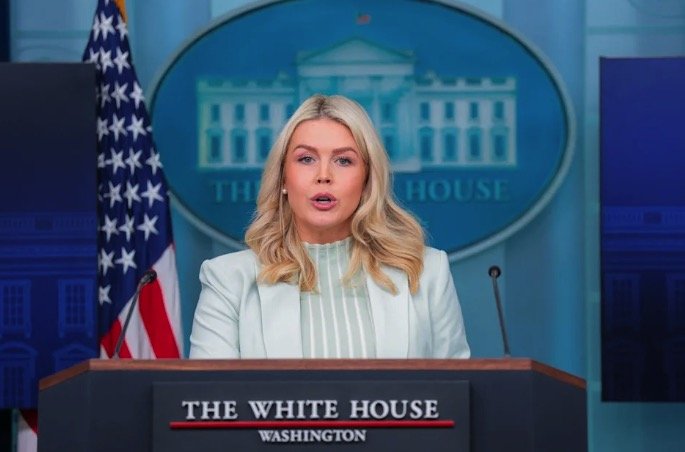
At a briefing on Wednesday, White House press secretary Karoline Leavitt said the president prefers a diplomatic outcome but is prepared to escalate if Tehran refuses to reach an agreement.

“The president’s preference is always peace,” Leavitt said. “But if Iran fails to accept the reality of the current moment … President Trump will ensure they are hit harder than they have ever been hit before.”

She added that Trump is ready to “unleash hell” if Iran misjudges the situation or refuses to cooperate in negotiations.

Talks and disputed proposal
According to sources cited by US media, Washington has sent a 15-point peace proposal to Iran through officials in Pakistan.

Iranian state media reported that Tehran rejected the proposal, and Iranian officials have publicly denied that direct negotiations are taking place.

Leavitt maintained that talks are continuing and described them as productive, but declined to provide details about the content of the discussions, the Iranian negotiators involved or whether in-person meetings are imminent.

Earlier this week, Trump said he had delayed major attacks on Iranian energy infrastructure for five days following what he described as constructive contacts with Tehran.

The administration says the pause offers Iran an opportunity to abandon its nuclear ambitions and stop threatening the United States and its allies.

Officials in both Pakistan and Egypt have indicated they could host talks aimed at ending the conflict. A meeting in Islamabad has been discussed but has not been confirmed by Washington.

Trump said negotiations involve several senior figures, including Vice President JD Vance and Secretary of State Marco Rubio. Other participants include White House envoy Steve Witkoff and Trump adviser Jared Kushner.

Leavitt described Vance as a central member of the administration’s national security team who has closely supported the president during the negotiations.

Oil gesture and military pressure
Trump also claimed Iran recently offered the United States a “very big present” linked to oil shipments moving through the Strait of Hormuz.

The president did not specify what he meant by the remark. Reports suggested it might involve an oil tanker carrying about two million barrels that successfully transited the strait, though the White House declined to confirm the details.

Leavitt said the president would address the issue at an appropriate time.

Trump indicated the gesture signaled to him that negotiations were progressing and that Iran was dealing in good faith. He also said many senior Iranian leaders had been killed in US and Israeli strikes, claiming the country’s leadership structure had already changed.

Asked whether Washington is satisfied with Iran’s current leadership, Leavitt said it was too early to make that assessment.

Military operations continue
Despite the diplomatic contacts, the United States continues to reinforce its military presence in the region.
Thousands of additional Marines are being deployed to the Middle East, while the Pentagon has requested roughly $200 billion in supplemental funding related to the operation.

Leavitt declined to comment on potential deployment of units from the 82nd Airborne Division, referring questions to the Defense Department.

She said the administration aims to keep military options available while negotiations continue.

According to the White House, the campaign — known as Operation Epic Fury — remains active and is progressing faster than initially planned.

Officials said the mission was expected to last four to six weeks and that US forces are approaching their core objectives.

Join the discussion?

Already a member?


Adapted by ASEAN Now. Source 26 March 2026
webfact
webfact
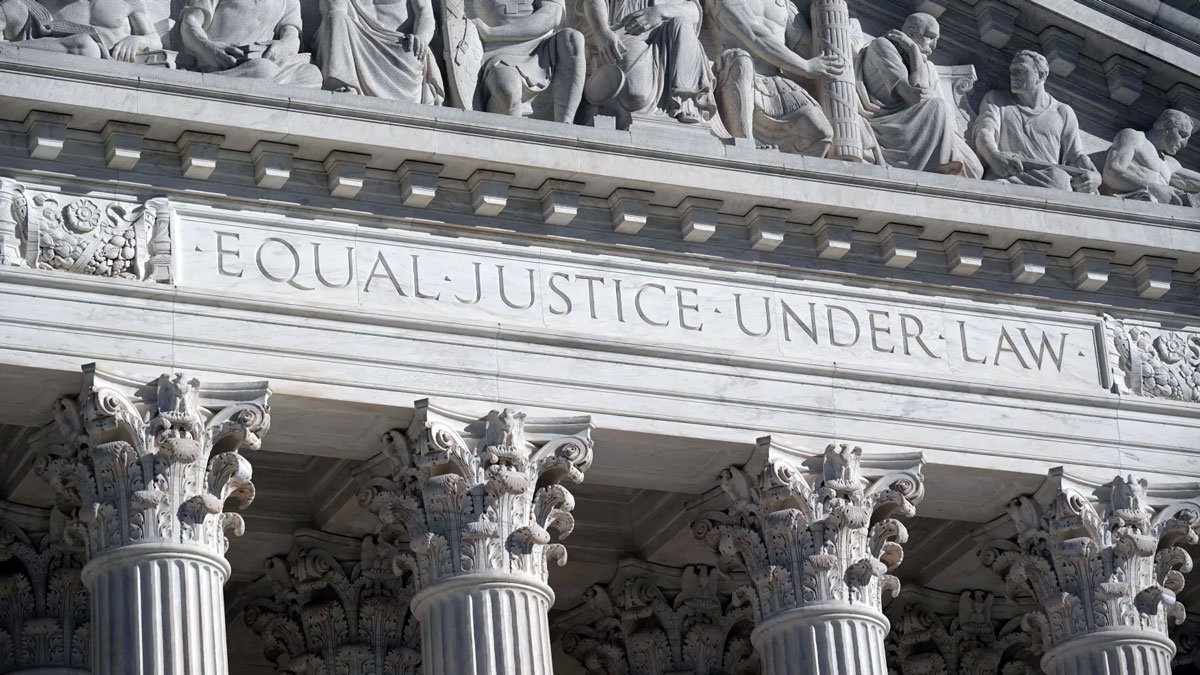
Justices of the Supreme Court of the United States appeared receptive on Tuesday to arguments from the administration of Donald Trump defending the government’s authority to turn away asylum seekers when officials say the US-Mexico border is too overwhelmed to process additional claims.

Get today's headlines by email

The case centers on a policy known as “metering,” which allows immigration officers to refuse entry to migrants seeking asylum at border crossings when authorities say they lack the capacity to process more applications.

Trump’s administration has asked the court to overturn a lower-court ruling that found the policy violated federal law. The measure was originally halted after Joe Biden rescinded it early in his presidency in 2021.

The dispute is separate from a broader asylum restriction announced by Trump after returning to office last year. That policy also faces ongoing legal challenges.

Dispute over legal definition
The central legal question concerns whether migrants stopped on the Mexican side of the border can be considered to have “arrived” in the United States under federal asylum law.

Current US law allows migrants who arrive in the country to request asylum and requires immigration officials to inspect their claims.

Arguing for the administration, Justice Department lawyer Vivek Suri told the court that migrants waiting in Mexico cannot be treated as having entered the country.

“You can’t arrive in the United States while you’re still standing in Mexico,” Suri said during the hearing, arguing that the legal interpretation should settle the dispute.

Several justices explored the limits of that definition during questioning.

Conservative Justice Amy Coney Barrett asked how close a person must be to the border to qualify as arriving in the United States. She questioned whether migrants approaching areas without formal ports of entry could claim the same legal status.

The court also heard arguments from attorneys representing migrant advocacy groups challenging the policy.

Sharp questions from liberal justices
Liberal Justice Sonia Sotomayor pressed government lawyers over whether the policy contradicts US laws designed to protect refugees.

She suggested the policy effectively bars asylum seekers while allowing other travelers to enter through border checkpoints.

Sotomayor compared the situation to passengers arriving on flights to US airports, noting they may be considered to have arrived in the country even before physically stepping onto American soil.

The lawsuit against the policy was brought by Al Otro Lado, which provides legal and humanitarian support to migrants at the border.

The group first filed its challenge in 2017, arguing that US law requires border officials to inspect all asylum seekers who present themselves at official crossings.

In 2024, the United States Court of Appeals for the Ninth Circuit ruled that immigration authorities must process asylum claims from migrants who reach border entry points, even if they have not yet physically crossed into the United States.

Policy history and next steps
Border authorities began informally limiting asylum processing during a surge in migration in 2016 under Barack Obama. The Trump administration formally implemented the metering policy two years later.

The Biden administration ended the practice in 2021, but the current administration has indicated it may reinstate the policy if border conditions change.

In court filings, the government said metering could resume “as soon as changed border conditions warranted that step.”

The Supreme Court is expected to issue its ruling by the end of June.

The court has already sided with the Trump administration in several immigration-related disputes since Trump returned to office, including emergency rulings allowing authorities to deport migrants to third countries and revoke temporary legal protections for hundreds of thousands of Venezuelan migrants.

Join the discussion?

Already a member?


Adapted by ASEAN Now. Source 26 March 2026
webfact
webfact
Israel’s parliament has pushed forward a controversial bill that would allow courts to impose the death penalty on Palestinians convicted of terrorism, sending the legislation to a final vote after approval by a parliamentary committee.

Get today's headlines by email

The bill advanced Tuesday after the national security committee of the Knesset endorsed the proposal, according to Israel’s public broadcaster. The measure was introduced by the far-right party Otzma Yehudit, led by National Security Minister Itamar Ben-Gvir.

Proposed rules for executions
Supporters say the law would strengthen Israel’s response to attacks, while critics argue it would dramatically shift the country’s penal policy and raise legal and moral concerns.

The legislation outlines strict conditions for prisoners sentenced to death. Those condemned would be held in a separate facility and barred from receiving visitors other than authorised personnel. Meetings with lawyers would take place only through video calls.

Executions would be required within 90 days of sentencing.
Under the proposal, courts could impose capital punishment without a formal request from prosecutors and without a unanimous ruling by judges. A simple majority decision would be enough.

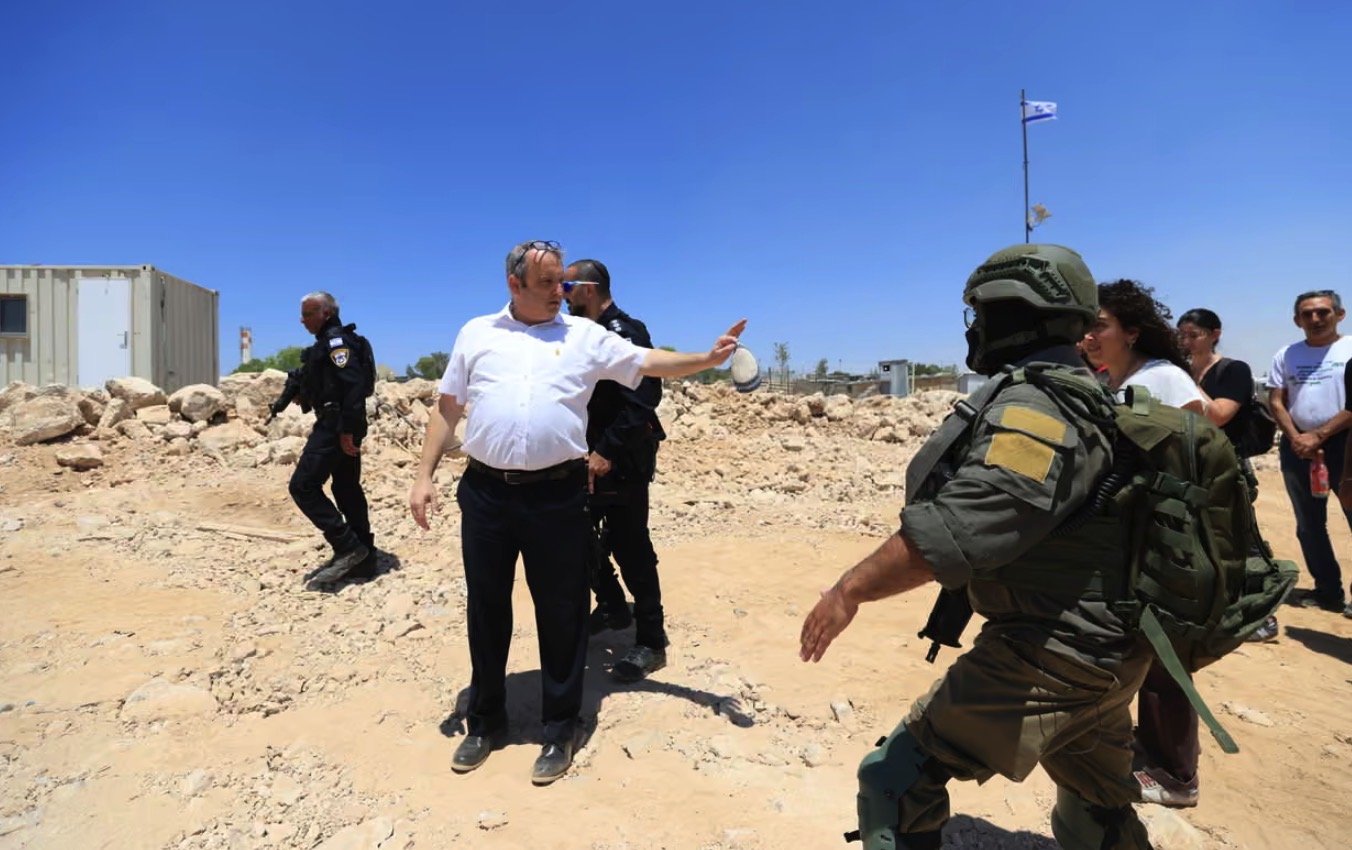
Military courts operating in the occupied West Bank would also gain the authority to issue death sentences. The Israeli defence minister would be able to submit an opinion in such cases.

For Palestinians tried under military jurisdiction, the measure would effectively eliminate options for appeal or clemency. Prisoners tried in Israeli civilian courts, however, could still see death sentences reduced to life imprisonment.

Committee members added amendments before sending the bill forward. According to the broadcaster, executions would be carried out by hanging.

Ben-Gvir has been one of the bill’s strongest advocates and has worn a noose-shaped pin on his lapel during parliamentary debates. He has described hanging as one possible method for carrying out death sentences and said other options, including the electric chair, could also be considered.

Legal and diplomatic concerns
Israeli government agencies and military officials have repeatedly warned that the law could create legal risks for the country.

The justice and foreign ministries have cautioned that introducing such a measure could violate international law and expose Israeli commanders to arrest warrants abroad.
Opposition politicians have raised similar concerns.

Lawmaker Gilad Kariv said the requirement to carry out executions within 90 days, without the possibility of clemency, could place Israeli officials at risk of legal action in foreign courts.

Human rights organisations have also condemned the proposal.

B’Tselem, an Israeli rights group, said the law would institutionalise lethal punishment against Palestinians. Its executive director, Yuli Novak, said the measure would add another tool to what she described as a system that already permits widespread use of lethal force against Palestinians.

United Nations experts urged Israel earlier this year to withdraw the legislation, arguing it would violate the right to life and discriminate against Palestinians living in occupied territories.

The European Union also criticised the proposal, stating that capital punishment violates fundamental human rights and risks constituting cruel or degrading treatment.

Rare use of capital punishment
Capital punishment is largely absent from Israel’s legal system and has been used only in exceptional circumstances.

The most prominent case occurred in 1962 when Israeli authorities executed Nazi war criminal Adolf Eichmann, one of the chief organisers of the Holocaust.

If adopted, the new bill would mark a major departure from that precedent and introduce broader use of the death penalty within Israel’s judicial framework.

Join the discussion?

Already a member?


Adapted by ASEAN Now. Source 26 March 2026
webfact
webfact
Australia has barred thousands of Iranian nationals with valid tourist visas from entering the country for the next six months, a move that has drawn strong criticism from refugee advocates and opposition figures.

Get today's headlines by email

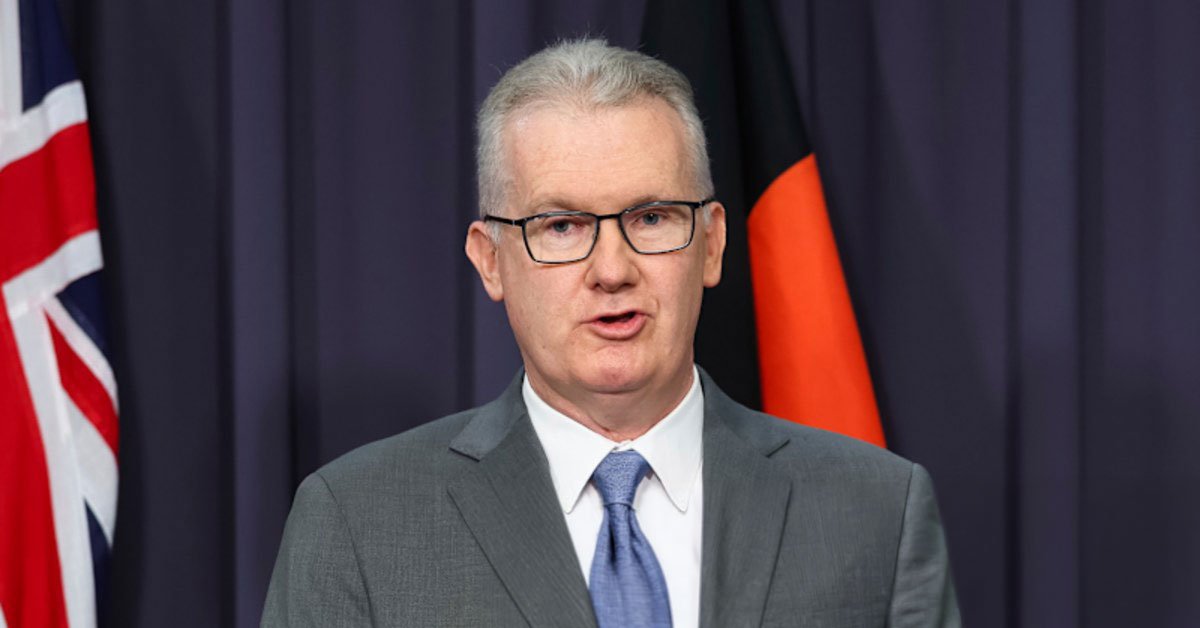
The decision was announced by Home Affairs Minister Tony Burke, who activated newly expanded immigration powers to temporarily suspend entry for Iranian visitors amid concerns about the escalating situation in Iran.

The restriction applies to roughly 6,800 Iranian citizens holding valid tourist visas who are currently outside Australia. Some travellers may still be granted entry under special circumstances.

Government cites migration control concerns
Burke said the measure was necessary to ensure that long-term residency decisions remain deliberate government policy rather than the unintended result of short-term travel.

“There are many visitor visas which were issued before the conflict in Iran which may not have been issued if they were applied for now,” Burke said.

“Decisions about permanent stays in Australia should be deliberate decisions of the government, not a random consequence of who had booked a holiday.”

The temporary order will last six months and must be renewed if authorities wish to keep it in place. Officials said the government will continue to monitor global developments and adjust migration policies if necessary.

The ban only applies to people holding tourist visas, commonly known as subclass 600 visas, who are currently outside the country.

Limited exemptions available
Authorities said some exemptions could apply. Iranian parents of Australian citizens may receive “sympathetic consideration”, while others may request permission to travel through a special certificate process.

Government figures indicate that more than 7,200 temporary visa holders are currently inside Iran, with more than 40,000 temporary visa holders located across the wider region affected by the conflict.

However, the current restriction targets only tourist visa holders.

Strong criticism from advocates and politicians
The decision has prompted criticism from refugee groups and some lawmakers, who argue it unfairly affects people who followed legal immigration procedures.

Nos Hosseini of the Iranian Women’s Association said the community had hoped for compassion during a period of uncertainty.

“As a community, we are grieving. We are under immense stress, and this was not the type of announcement we were expecting to hear,” she said.

Independent MP Zali Steggall warned the government’s expanded powers risk undermining confidence in Australia’s migration system.

“Thousands of people who followed the rules, paid fees, and made plans in good faith are being left in limbo,” she said.

David Shoebridge, a senator from the Greens party, also criticised the government, accusing it of abandoning Iranian citizens despite publicly expressing concern about conditions inside the country.

The Asylum Seeker Resource Centre described the move as a “massive betrayal” and a “breathtaking moral failure”.

Earlier asylum cases
The visa decision follows a recent case involving members of Iran’s women’s football team who travelled to Australia earlier this month. Seven players were initially granted asylum offers, although five later chose to return to Iran while two remain in Australia.

Officials say the temporary entry restrictions will remain under review as the government monitors developments in the region.

Join the discussion?

Already a member?


Adapted by ASEAN Now. Source 26 March 2026
webfact
webfact
The United States has delivered a 15-point proposal to Iran aimed at ending the ongoing conflict, outlining conditions for a ceasefire and longer-term negotiations.

Get today's headlines by email

The plan, put forward under the administration of Donald Trump, includes strict limits on Iran’s nuclear programme and calls for the reopening of the strategically vital Strait of Hormuz.

Ceasefire and negotiation framework
According to reports, the proposal includes a commitment by both Washington and Tehran to observe a one-month ceasefire. The pause in hostilities would allow time for negotiations on a broader and more permanent agreement.

The framework is said to build on earlier proposals discussed during nuclear talks in May 2025.

The plan was reportedly conveyed to Iran through intermediaries from Pakistan, which has offered to act as a mediator. Talks are expected to be led by JD Vance, with Washington pushing for negotiations to begin in Islamabad.

Iran expresses scepticism
Iranian officials have reacted cautiously, signalling distrust of US intentions. According to diplomatic sources, Tehran has told mediators it does not want to be “fooled again”, citing the recent deployment of US forces to the region.

The proposal was also publicly dismissed by Ebrahim Zolfaqari, who mocked Washington’s claims of diplomacy.

“Has the level of your inner struggle reached the stage of you negotiating with yourself?” he said, criticising the US position.

Regional reactions
The plan has also drawn attention from Israel, which has supported continued military pressure on Iran. Reports suggest Israeli officials were taken by surprise by the US initiative.

The latest diplomatic effort comes amid ongoing tensions in the region, with military activity continuing alongside attempts to broker a ceasefire.

Join the discussion?

Already a member?


Adapted by ASEAN Now. Source 25 March 2026

webfact
webfact
A court in the US state of New Mexico has ordered Meta to pay $375m (£279m) after a jury found the company misled users about the safety of its platforms for children.

Get today's headlines by email

The ruling follows a seven-week trial examining how the company’s services — including Facebook, Instagram and WhatsApp — exposed minors to harmful content and interactions.

Jury finds violations of consumer law
Jurors concluded that Meta violated New Mexico’s Unfair Practices Act by giving a misleading impression about protections for young users. The penalty reflects thousands of violations, each carrying a potential fine.

Raul Torrez described the outcome as “historic”, saying it marked the first successful state-level legal action against the company over child safety concerns.

Prosecutors argued that Meta’s platforms enabled exposure to sexually explicit material and contact from predators, while internal evidence suggested the company was aware of such risks.

Evidence presented during trial
During proceedings, jurors reviewed company documents and heard testimony from former employees. Among them was Arturo Béjar, who said internal experiments showed underage users were being served sexualised content.

He told the court his own daughter had received inappropriate messages from a stranger on Instagram.

State lawyers also cited internal research indicating that at one point 16% of Instagram users reported seeing unwanted nudity or sexual activity within a single week.

The lawsuit, filed in 2023, alleged that Meta’s recommendation algorithms directed young users towards explicit material, including content linked to exploitation and trafficking.

Meta to appeal ruling
Meta rejected the findings and confirmed it plans to challenge the decision. A spokesperson for the company, led by chief executive Mark Zuckerberg, said it continues to invest in safety measures.

“We work hard to keep people safe on our platforms and are clear about the challenges of identifying and removing harmful content,” the spokesperson said.

The company highlighted recent initiatives, including new account settings for teenagers and tools designed to alert parents to potentially harmful activity.

Wider legal challenges continue
The case is one of several legal actions facing Meta and other technology firms in the United States over the impact of social media on young users.

A separate trial in Los Angeles is examining claims that platform design contributed to addiction among children.

Thousands of similar lawsuits are currently progressing through US courts, reflecting growing scrutiny of how major tech companies protect younger audiences online.

Join the discussion?

Already a member?


Adapted by ASEAN Now. Source 25 March 2026
webfact
webfact
Iran has rejected assertions by Donald Trump that negotiations are under way between Washington and Tehran, with military officials accusing the United States of “negotiating with itself” amid the ongoing conflict.

Get today's headlines by email

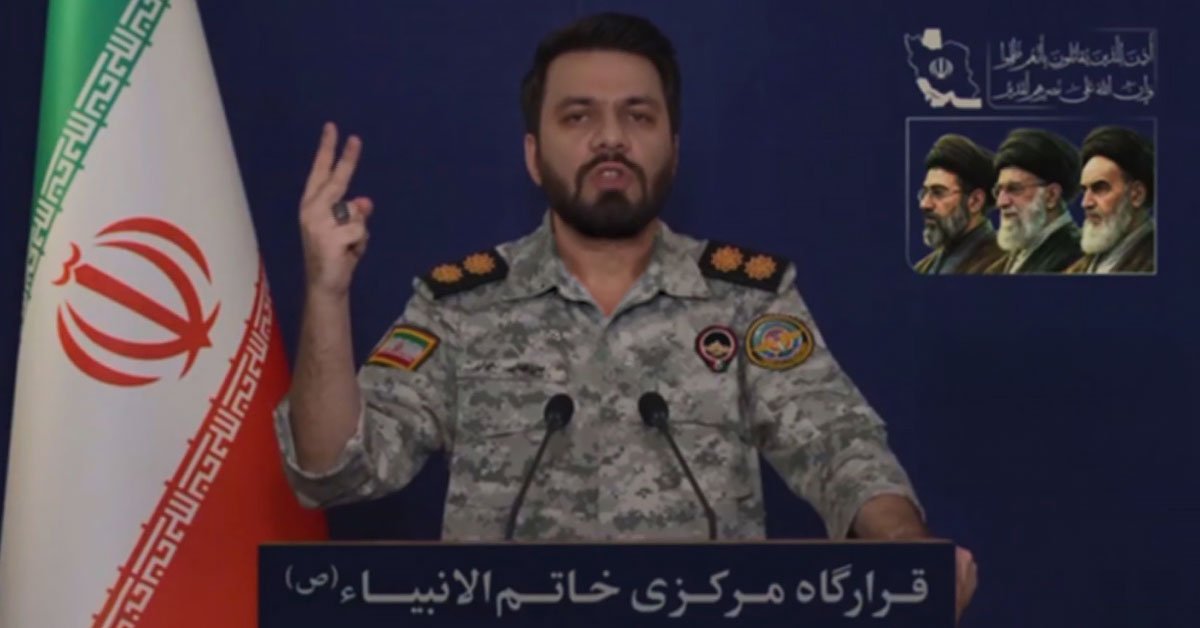
Speaking on Wednesday, Ebrahim Zolfaqari, a spokesperson for Iran’s Khatam al-Anbiya Central Headquarters, mocked US claims of diplomacy.

Tehran rejects claims of talks
“Has the level of your inner struggle reached the stage of you negotiating with yourself?” he said, according to Iran’s semi-official Fars news agency. “Don’t call your failure an agreement.”

Iranian authorities have consistently denied that any direct or indirect discussions are taking place, despite repeated statements from Trump suggesting otherwise.

The US president told reporters at the White House that Washington was speaking to the “right people” in Iran and that Tehran was keen to reach a deal. “They are talking to us, and they’re making sense,” he said.

Confusion over reported proposal
The conflicting accounts come amid reports that the United States has put forward a ceasefire framework. According to The Wall Street Journal, the proposal includes a series of demands such as dismantling key nuclear facilities, halting uranium enrichment, suspending Iran’s ballistic missile programme and reopening the Strait of Hormuz.

In return, sanctions relief and assistance for a civilian nuclear programme were reportedly offered.

However, Iranian officials have not confirmed receiving such a plan. Reza Amiri Moghadam said no negotiations had taken place, while noting that countries including Pakistan were attempting to facilitate dialogue.

Reports have suggested Islamabad may have acted as an intermediary, delivering proposals between the two sides.
Despite this, uncertainty remains. Journalists in Tehran have described a lack of clarity, with officials publicly contradicting US statements and denying any diplomatic engagement.

Fighting continues alongside diplomacy claims
The dispute over talks comes as hostilities continue. Israel has carried out further strikes on Iranian targets, including infrastructure in Tehran, with Iranian media reporting casualties in residential areas.

Iran, in turn, said it had launched missiles towards Israeli locations, including military and urban areas. There were no immediate reports of casualties from the latest exchanges.

Meanwhile, the United States is reportedly preparing to reinforce its military presence in the region. Around 1,000 troops from the 82nd Airborne Division are expected to deploy, adding to tens of thousands of US personnel already stationed in the Middle East.

The developments highlight a dual-track approach, with diplomatic signals emerging alongside continued military escalation.

Join the discussion?

Already a member?


Adapted by ASEAN Now. Source 25 March 2026
webfact
webfact
A patient in the UK who helped prevent a planned hospital bombing has described how he calmed the attacker by engaging him in conversation and even embracing him, ultimately persuading him to abandon the plot.

Get today's headlines by email

Nathan Newby, 35, intervened during an incident at St James' Hospital in 2023, where he spent around two hours talking to Mohammad Farooq, who had planned an हमला using a homemade explosive device.

Two-hour confrontation at Leeds hospital
Newby, who had been receiving treatment for a chest infection, said he noticed Farooq behaving nervously near a maternity ward. “He looked out of place so I went over to see if he was alright,” he said.

Farooq had been closely watching a bag placed nearby. After gaining his trust, Newby persuaded him to reveal its contents — a pressure cooker bomb containing around 10kg of explosives. A court later heard the device was estimated to be significantly larger than the one used in the Boston Marathon bombing.

“I thought there's no way of getting away now so I might as well stay with the guy,” Newby said, explaining that leaving could have triggered panic.


Building trust to defuse the situation
Newby remained with Farooq, attempting to distract him and understand his mindset. He said he deliberately spoke about his own personal struggles to create a connection and reduce tension.

At one point, Farooq asked for a hug, which Newby agreed to. “He then said, ‘I want you to phone the police before I change my mind,’” Newby recalled.

Using Farooq’s phone, Newby contacted emergency services while subtly recording the interaction. During the call, he also asked Farooq about other weapons. Farooq revealed knives and an imitation firearm, which Newby encouraged him to set aside.

Armed police arrived shortly afterwards and arrested Farooq without the device being detonated.

Court findings and recognition
A trial at Sheffield Crown Court heard that Farooq, a hospital employee, had planned to target staff, particularly nurses, due to personal grievances. He had also previously considered attacking RAF Menwith Hill before switching to the hospital.

Farooq was convicted of preparing acts of terrorism and sentenced to a minimum of 37 years in prison.

Judge Mrs Justice Cheema-Grubb described Newby’s actions as “extraordinary”, while prosecutors said his intervention had “almost certainly saved many lives.”

Police also praised his actions, noting how narrowly the attack had been prevented.

Honour for bravery
Newby is set to receive the George Medal, recognising acts of exceptional courage.

Reflecting on the incident, he said the experience only fully sank in afterwards. “It’s just crazy that if I hadn’t been there… he would have gone for it,” he said.

Despite the recognition, Newby played down his actions, saying: “I like to think that anybody would do that… it’s just how I am.”

Join the discussion?

Already a member?


Adapted by ASEAN Now. Source 25 March 2026
webfact
webfact
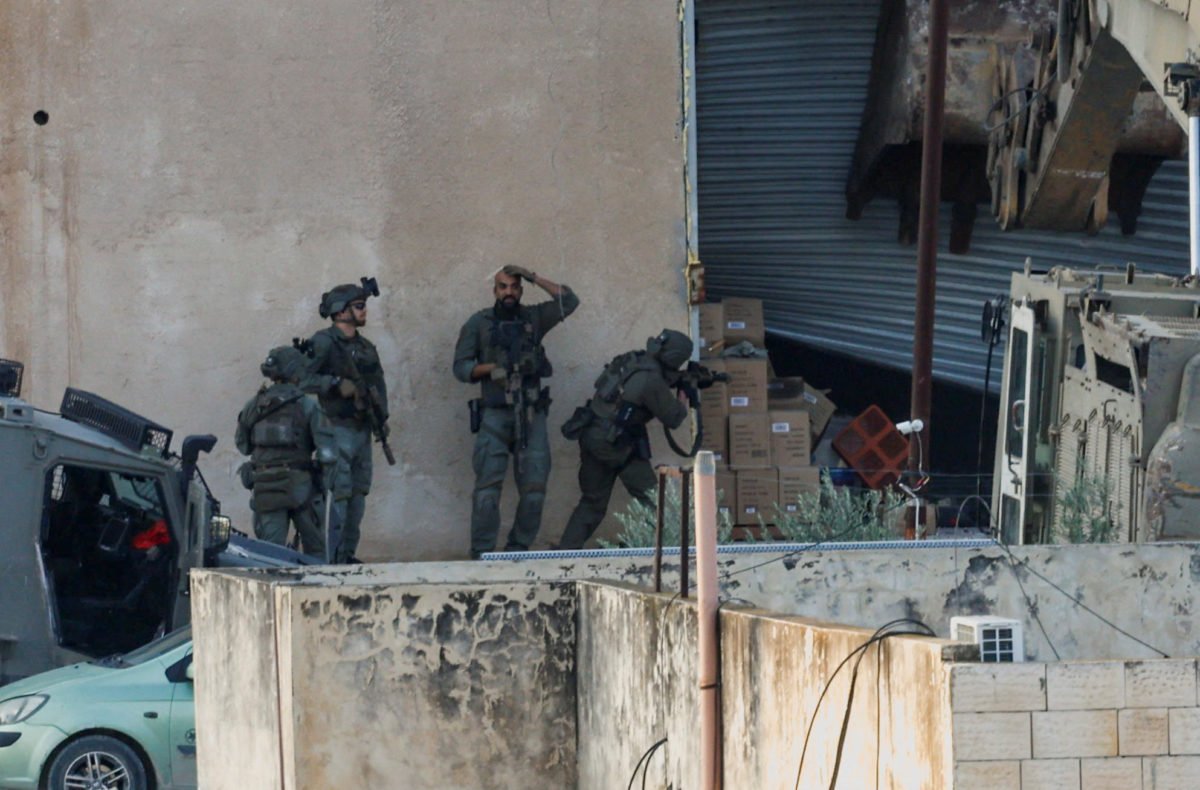
Israel has not brought prosecutions against its citizens for the killing of Palestinian civilians in the occupied West Bank since the start of the decade, according to an analysis of legal data and public records, raising concerns over a lack of accountability.

Get today's headlines by email

Data reviewed by rights groups and legal experts indicates that, despite hundreds of reported cases, no indictments have been issued for killings of Palestinians by Israeli civilians or security forces in the West Bank since 2020.

Growing concerns over impunity
The findings have prompted criticism from former senior Israeli officials, including ex-prime minister Ehud Olmert, who called for intervention by the International Criminal Court.

Olmert warned that failure to address violence could have serious consequences for both Palestinians and Israelis, urging international legal authorities to step in if domestic enforcement fails.

A separate letter signed by dozens of former military, intelligence and police leaders described what they called “organised” violence against Palestinians, warning that continued inaction could pose a broader threat.

Violence and limited legal action
According to United Nations data, at least 1,100 Palestinian civilians have been killed in the occupied West Bank since 2020, with a significant proportion reported to be children. The majority of deaths have been attributed to Israeli security forces, though attacks by civilians have also increased.

Legal advocacy group Yesh Din reported that more than 96% of police investigations into settler violence between 2020 and 2025 were closed without indictments. Out of hundreds of cases, only a small number resulted in convictions.

In cases involving alleged harm by Israeli soldiers, the proportion of indictments was even lower. Of more than 1,700 complaints filed, including hundreds relating to fatalities, fewer than 1% led to charges.

Experts say delays, closed investigations and limited prosecutions have contributed to what they describe as a system that struggles to deliver accountability.

Internal criticism and legal pressure
Criticism has also come from within Israel’s legal and political establishment. Former justice ministers and senior legal figures have warned that the current approach risks undermining the rule of law.

Some have argued that the lack of prosecutions could weaken Israel’s position in international courts, where domestic legal action is often seen as a key factor in determining jurisdiction.

Human rights lawyer Michael Sfard said the system had historically relied on a small number of cases to demonstrate accountability but that such prosecutions had largely ceased in recent years.

Broader political context
Violence in the occupied West Bank has intensified following the October 2023 attacks by Hamas and the subsequent war in Gaza. Reports of arson, assaults and other incidents involving Israeli settlers have increased, with many cases documented but not pursued in court.

At the same time, Israel’s military leadership has acknowledged the issue. The current chief of staff has called for stronger action to address settler violence and prevent further escalation.

Analysts note that the issue remains deeply tied to the broader political and security situation in the region, with differing views inside Israel over responsibility and the role of state institutions.

Despite calls for reform, there is little indication so far that prosecution patterns will change in the near term.

Join the discussion?

Already a member?


Adapted by ASEAN Now. Source 25 March 2026
webfact
webfact
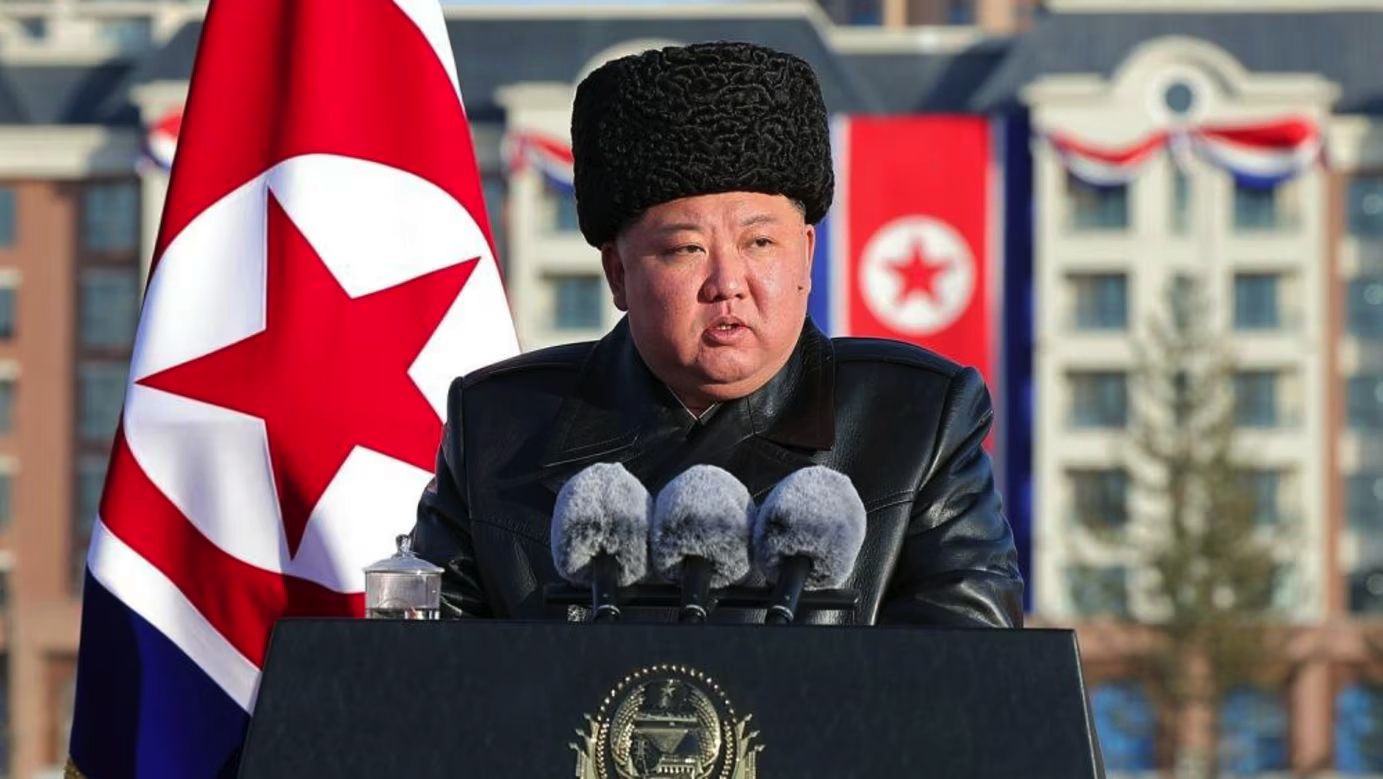
North Korean leader Kim Jong Un has used the ongoing conflict involving Iran to justify his country’s decision to retain nuclear weapons, warning that recent events demonstrate the risks faced by states without a strong deterrent.

Get today's headlines by email

In a speech to North Korea’s Supreme People’s Assembly, Kim criticised United States actions abroad, describing them as aggressive and destabilising. While he did not directly name Iran, his remarks came against the backdrop of the current war and appeared to draw clear parallels.

Nuclear stance declared “irreversible”
He said the situation “clearly proves” that Pyongyang was right to resist pressure to dismantle its nuclear arsenal, adding that the country’s nuclear status is now “irreversible”.

The comments reflect a long-standing position by North Korea that nuclear weapons are essential for national survival, particularly in light of US military interventions overseas. Analysts have noted that the conflict with Iran reinforces Pyongyang’s belief that nuclear capability deters external threats.

Implications for US diplomacy
The remarks come as Donald Trump has signalled a willingness to reopen talks with Kim, potentially reviving stalled diplomacy that collapsed in 2019.

However, Kim’s latest stance suggests any future negotiations would differ significantly from previous efforts centred on denuclearisation. Instead, Pyongyang is likely to demand recognition as a nuclear-armed state and an end to what it calls hostile US policies.

This marks a significant challenge for Washington, which has historically insisted that North Korea abandon its nuclear programme as a condition for improved relations.

Expanding arsenal and military ties
North Korea is widely believed to possess dozens of nuclear warheads and has continued to develop delivery systems capable of reaching long distances, including the US mainland.

Recent months have seen a series of weapons demonstrations, including missile launches and tests of systems described by state media as nuclear-capable. Kim has pledged to further expand both the number of weapons and the means of deploying them.

At the same time, Pyongyang has strengthened ties with Russia, including military cooperation linked to the war in Ukraine. Analysts say this relationship has provided North Korea with resources and technical insights that could enhance its weapons programmes.

Limited opening for talks
Despite the firm tone, Kim has not ruled out future engagement with the United States. He has indicated a willingness to meet again, but only under conditions that accept North Korea’s nuclear status.

For now, his message appears clear: while dialogue may remain possible, giving up nuclear weapons is not under consideration.

Join the discussion?

Already a member?


Adapted by ASEAN Now. Source 25 March 2026
webfact
webfact
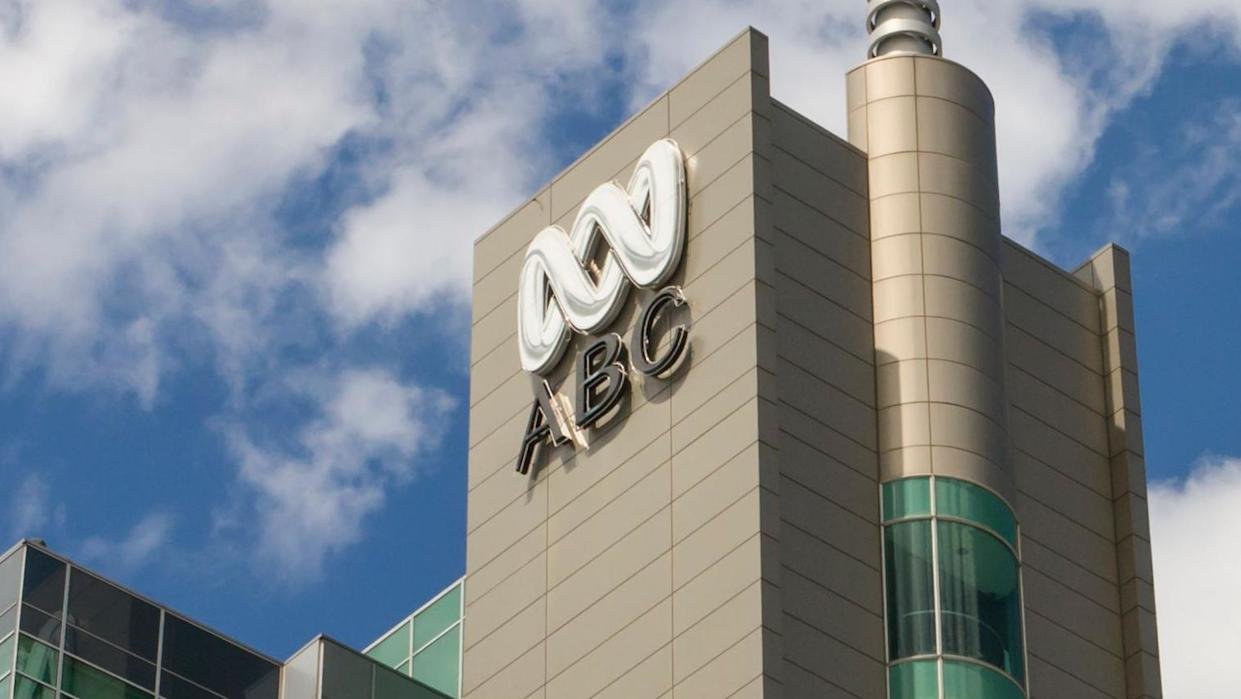
Journalists at Australia’s national broadcaster, the Australian Broadcasting Corporation, have staged their first strike in 20 years, walking off the job in a dispute over pay, working conditions and concerns about the potential use of artificial intelligence.

Get today's headlines by email

Hundreds of staff stopped work for 24 hours from Wednesday morning after a majority of union members rejected a pay offer they said failed to keep pace with rising living costs. The strike has led to significant disruption across the broadcaster’s output.

Walkout disrupts major programmes
Flagship programmes, including the evening current affairs show 7.30 and key breakfast broadcasts, are not airing as scheduled. In their place, audiences are being served reruns, pre-recorded segments and some international content.

Radio stations such as Triple J and ABC Classic are also operating with reduced live programming, relying largely on music playlists during the stoppage.

Pay dispute and contract concerns
At the centre of the dispute is a proposed pay deal offering a total increase of 10% over three years. This includes a 3.5% rise in the first year, followed by smaller increments in subsequent years. However, staff argue the offer falls short of inflation, which stood at 3.8% in January.

A one-off bonus payment was also proposed, though it would exclude casual workers, who make up a significant share of the workforce.

The offer was rejected by around 60% of participating union members, triggering industrial action. Workers are also calling for improved pay for unsociable hours, clearer career progression and a reduction in reliance on temporary contracts.

Concerns about job security have been heightened by the broadcaster’s refusal to rule out the future use of AI technologies in its operations.

Management defends offer
ABC managing director Hugh Marks said the proposal represented the highest level of pay increase the publicly funded organisation could afford.

He described the offer as “financially responsible” and competitive within the media sector, adding that it balanced multiple financial pressures faced by the organisation.

Despite this, union representatives argue the package does not adequately reflect the cost-of-living challenges facing employees or the importance of public service journalism.

Staff voice uncertainty over future
Demonstrations were held outside ABC offices in Sydney and Melbourne, where several hundred workers gathered to show support for the strike.

Veteran journalist David Marr described public broadcasting as vital to the future of journalism, warning it must offer fair wages and job security to retain talent.

Some employees, particularly those on short-term contracts, expressed anxiety about speaking publicly, citing fears over job stability. One worker said she was weighing up leaving for a permanent role elsewhere despite considering her current position a “dream job”.

Unions representing staff, including the Media Entertainment and Arts Alliance, have called on management to return to negotiations.

The dispute is expected to be referred to the Fair Work Commission as both sides seek a resolution.


Join the discussion?

Already a member?


Adapted by ASEAN Now. Source 25


webfact
webfact
Donald Trump has approved the deployment of troops from the 82nd Airborne Division to the Middle East, according to US media reports, as tensions continue between Washington and Iran.

Get today's headlines by email

The decision places a contingent of elite US forces on high alert, with deployment expected potentially within hours. Officials cited in reports said the force would likely include a battalion from the 1st Brigade Combat Team, alongside Major General Brandon Tegtmeier, the division’s commander, and supporting staff.

Rapid response forces on standby
Based at Fort Bragg, the 82nd Airborne Division is designed for rapid global response. The unit states it can deploy within 18 hours of receiving orders and specialises in parachute assaults and securing strategic objectives ahead of larger military operations.

The move comes amid ongoing US engagement with Iran, although no specific timeline for troop movement has been confirmed.

History of overseas deployments
The 82nd Airborne has played a central role in several major US military operations over recent decades. These include the Gulf War, Operation Enduring Freedom and Operation Iraqi Freedom, as well as missions in Afghanistan under Operation Freedom’s Sentinel.

Its rapid deployment capability has made it one of the US military’s most frequently mobilised units during international crises.

Personal impact on military families
Former soldiers say such deployments often come with little warning. Retired serviceman Marquis Johnson, who previously served in the division, described the experience as fast-moving and unpredictable.

“Within 48 hours you’re pretty much out of there,” he said, noting that troops can be placed on standby and then deployed with minimal notice.

Johnson added that the uncertainty can be particularly difficult for families, especially during periods of heightened global tension. He urged relatives of service members to remain supportive and prepared for sudden departures.

“You can get the word at any moment,” he said, adding that families should cherish time together given the risks involved in military service.

Unclear operational scope
Officials have not disclosed the specific mission or location for the potential deployment. The presence of senior command staff suggests the operation could expand depending on developments in the region.

The decision underscores Washington’s readiness to respond quickly to escalating conditions in the Middle East, though the extent of US involvement remains uncertain.

Join the discussion?

Already a member?


Adapted by ASEAN Now. Source 25 March 2026
webfact
webfact
Exit polls in Denmark suggest a setback for Prime Minister Mette Frederiksen and her governing coalition following an early general election, raising uncertainty over who will form the next government.

Get today's headlines by email

According to projections by the Megafon research institute for broadcaster TV 2, all three parties in Frederiksen’s coalition are expected to lose ground. The figures indicate that neither the left-leaning nor right-leaning blocs are likely to secure a parliamentary majority.

Coalition support weakens
Frederiksen’s centre-left Social Democrats are projected to remain the largest party, but with around 21% of the vote—down significantly from their 27.5% share in the 2022 election.

The outcome could leave Lars Løkke Rasmussen, the foreign minister and former prime minister, in a pivotal position. His centrist Moderate party may determine whether Frederiksen can remain in office for a third term.

Campaign shaped by domestic concerns
Frederiksen, 48, called the election months ahead of schedule, apparently hoping her leadership during tensions involving Donald Trump and his interest in Greenland would strengthen her standing with voters.

However, the campaign largely focused on domestic issues, particularly rising living costs, pensions and taxation. Analysts say these concerns appear to have outweighed foreign policy considerations at the ballot box.

A lawmaker from the Social Democrats acknowledged that the government’s attention to international crises, including support for Ukraine, may have come at the expense of domestic priorities.

Fragmented political landscape
Denmark’s proportional representation system typically produces coalition governments, often after prolonged negotiations. No single party is expected to come close to a majority in the 179-seat Folketing.

Frederiksen’s current administration is notable for bridging the traditional divide between left- and right-leaning parties, but that model now faces uncertainty.

Two centre-right figures are positioning themselves as potential alternatives. Defence Minister Troels Lund Poulsen of the Venstre party and Alex Vanopslagh of the Liberal Alliance both aim to form a new government, though exit polls suggest their parties may also struggle to gain decisive ground.

Meanwhile, the anti-immigration Danish People’s Party is projected to improve its performance compared with its weak showing in the previous election.

Greenland issue fades
Despite earlier tensions over Greenland, the issue played a limited role during the campaign. There is broad political agreement in Denmark over the territory’s status within the kingdom.

Relations between Copenhagen and Washington have stabilised in recent months, following earlier disputes over US ambitions in the Arctic region.

With no clear majority emerging, negotiations to form a government are expected to be complex and could determine whether Frederiksen retains power or a new coalition takes shape.


Join the discussion?

Already a member?


Adapted by ASEAN Now. Source 25 March 2026

webfact
webfact
Football supporters have lodged a formal complaint with the European Commission, accusing FIFA of imposing excessive ticket prices for the 2026 World Cup.

Get today's headlines by email

The complaint was submitted by Football Supporters Europe (FSE) alongside consumer group Euroconsumers. They argue that FIFA has exploited its control over ticket sales to introduce unfair pricing practices.

Allegations of Abuse of Market Power
In a joint statement, the groups said FIFA effectively holds a monopoly on World Cup ticket distribution and has used that position to set conditions that would not exist in a competitive market.

Ticket prices initially ranged from around $140 for group-stage matches to as much as $8,680 for the final. Even lower-tier final tickets were priced above $4,000, with costs subject to fluctuation under a dynamic pricing system being used at the tournament for the first time.

Criticism of Dynamic Pricing
Supporters’ groups have strongly criticised the use of dynamic pricing, arguing that it turns access to matches into a bidding process that disadvantages ordinary fans.

Els Bruggeman said the system inflates costs without adding value and risks excluding large numbers of supporters.

FSE has called for ticket prices to be fixed during the next sales phase and for dynamic pricing to be halted for European buyers.

Partial Price Adjustments
Following a backlash when tickets first went on sale, FIFA introduced a limited number of lower-priced tickets, with some available for around $60 across all stages of the tournament. These were allocated to participating teams to distribute among loyal supporters.

However, fan groups argue that the move does not address broader concerns about affordability and transparency in the ticketing process.

Concerns Over Resale Market
Additional criticism has been directed at FIFA’s official resale platform, where tickets have reportedly been listed far above their original prices.

FSE said the governing body takes a commission of around 30% on resale transactions, further increasing costs for fans.

Ronan Evain said supporters were being left with little choice but to pay inflated prices or miss out on attending matches.

FIFA Response
FIFA said it had not formally received the complaint but defended its approach, stating that it operates as a not-for-profit organisation and reinvests World Cup revenues into the development of football globally.

Gianni Infantino has previously pointed to unprecedented demand for tickets, suggesting all matches at the expanded 2026 tournament are expected to sell out.

Growing Scrutiny
The complaint marks a significant escalation in tensions between football authorities and supporter groups, with the issue now set to be examined at the European level.

The 2026 World Cup, to be held across North America, will be the largest in the tournament’s history, increasing both demand and scrutiny over access for fans.

Join the discussion?

Already a member?


Adapted by ASEAN Now. Source 25 March 2026

webfact
webfact
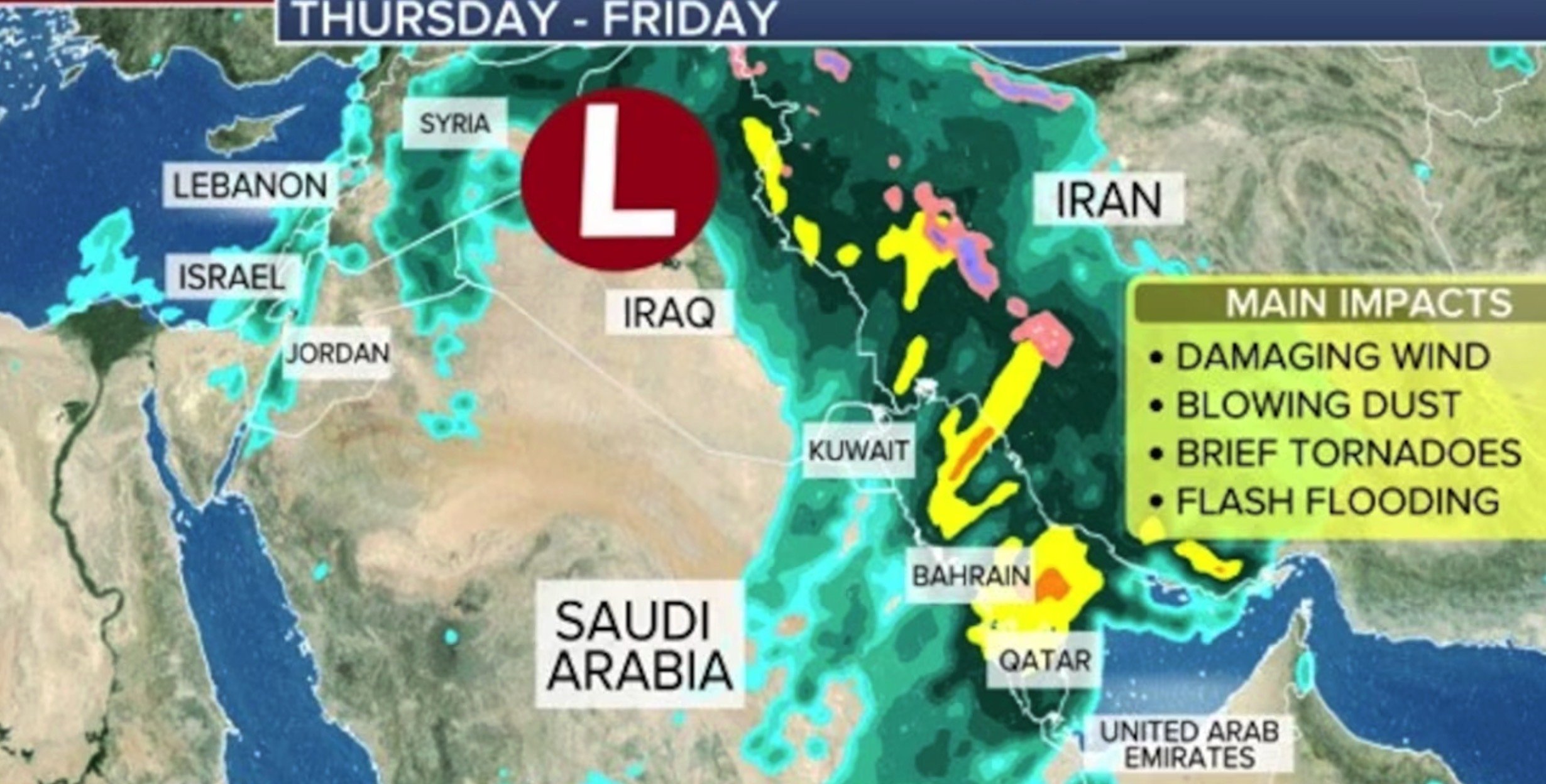
A powerful and unusual storm system is forecast to move across the Middle East this week, bringing the risk of flooding, dust storms and severe weather to several countries already affected by conflict involving Iran.

Get today's headlines by email

Weather systems are expected to begin affecting Israel and Lebanon on Wednesday, with scattered rain and thunderstorms developing during the day.

Storm to Intensify Across Region
By Thursday, forecasters say the system will strengthen significantly as it moves eastward, spreading across Syria and into the Arabian Peninsula. The most severe conditions are expected later in the week, with impacts extending to Saudi Arabia, Qatar, Kuwait, the United Arab Emirates and Iran.

Risk of Severe Weather and Flooding
The storm is expected to bring intense thunderstorms capable of producing damaging winds exceeding 60 mph, large hail and the possibility of isolated tornadoes.

Heavy rainfall is also forecast, with some areas likely to receive more than an inch of rain in a short period. This could trigger flash flooding, particularly in urban areas.

Cities such as Dubai and Abu Dhabi, which typically receive limited annual rainfall, may be especially vulnerable to flooding if the heaviest downpours materialise.

Dust Storms and Reduced Visibility
In addition to rain and thunderstorms, forecasters warn of large dust storms, known as haboobs, developing across desert regions. These storms can significantly reduce visibility and bring strong, gusty winds.

Such conditions may disrupt transport and daily activities across affected areas.

Impact Extends Into Iran
Parts of Iran are also expected to be affected by the system, with mountainous regions potentially seeing snowfall alongside heavy rain in lower areas.

The arrival of severe weather comes at a time when the region is already facing heightened instability, raising concerns about additional disruption to infrastructure and daily life.

Unusual Weather Pattern
Meteorologists say that while storms do occur in the Middle East, the scale and intensity of this system are unusual for the region.

With impacts expected to last through Friday, authorities across multiple countries are likely to monitor conditions closely as the storm develops.


Join the discussion?

Already a member?


Adapted by ASEAN Now. Source 25 March 2026
webfact
webfact
Russia has carried out its largest aerial assault on Ukraine since the start of the war, launching hundreds of drones and missiles in a coordinated wave of attacks across the country.

Get today's headlines by email

According to Ukraine’s Air Force, a total of 948 drones were deployed within a 24-hour period, alongside dozens of missiles. The strikes hit multiple regions, including western areas that have generally seen fewer attacks during the conflict.

Widespread Strikes Across Cities
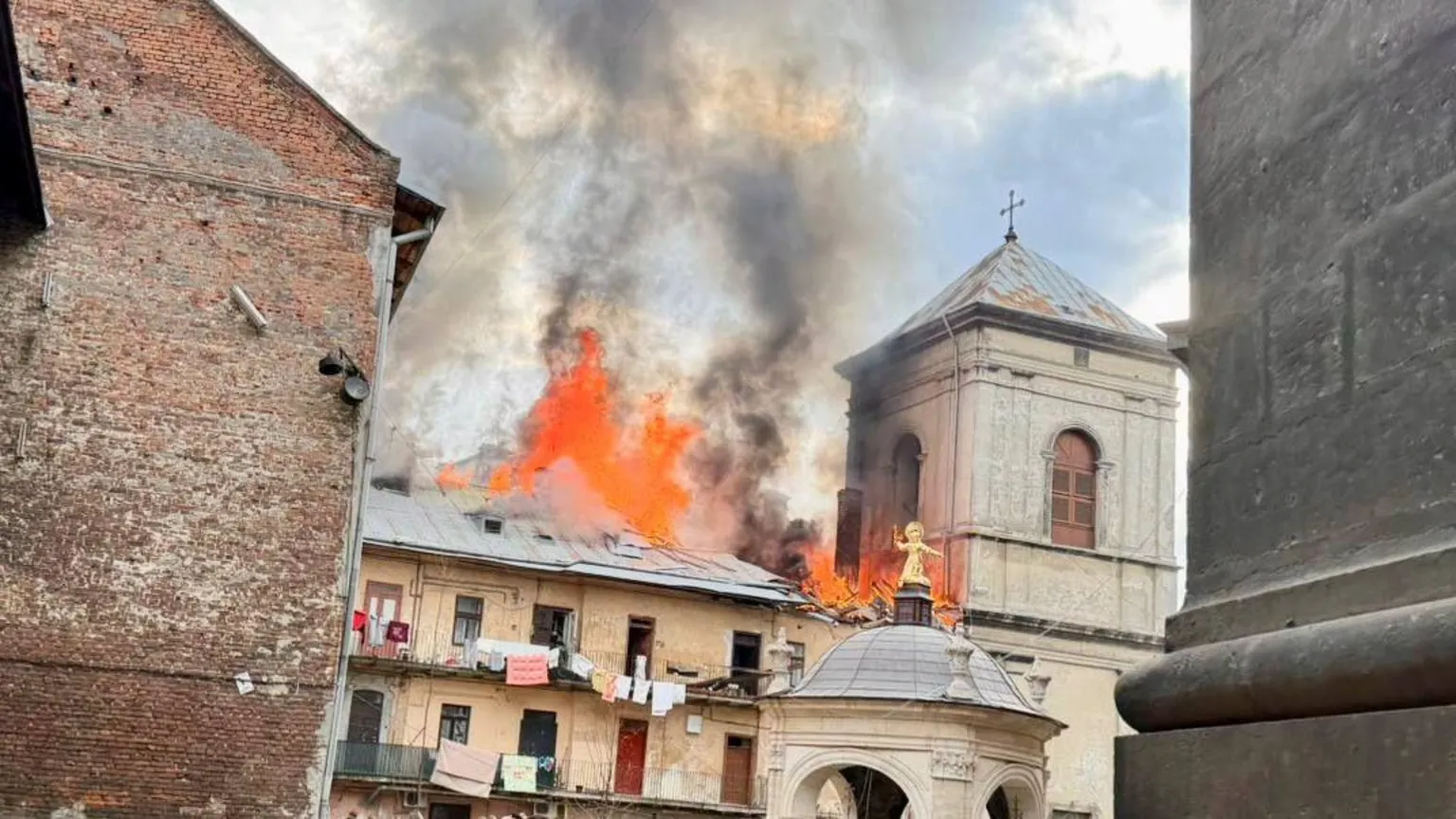
In the city of Lviv, a residential building near the historic Bernardine monastery—part of a UNESCO World Heritage site—was damaged. Local officials reported dozens of injuries.

Further west, in the Ivano-Frankivsk region, a maternity hospital was struck, with authorities confirming fatalities and injuries, including a child. Additional damage was reported in Ternopil, though no casualties were recorded there.

In central Ukraine, the city of Vinnytsia also came under attack, leaving at least one person dead and several others injured.

Casualties and Damage
Across the country, at least eight people were reported killed in the combined daytime and overnight strikes, with dozens more injured. Ukrainian officials said that while air defences intercepted many incoming drones and missiles, a significant number still reached their targets.

A spokesperson for the Ukrainian Air Force described the attack as one of the most extensive since the conflict began, noting that drones entered airspace in large समूह formations from the north and struck a wide geographical area.

Kyiv Condemns Escalation
President Volodymyr Zelensky said the scale of the assault demonstrated that Moscow had no intention of ending the war.

“The scale of the latest attacks clearly shows that Russia has no intention of really ending this war,” he said in a video address.

Russia has not publicly commented on the latest strikes.

Conflict Continues Unabated
The war, which began with Russia’s full-scale invasion in February 2022, continues with near-daily attacks on Ukrainian cities. While eastern regions remain the most heavily targeted, the latest strikes indicate a broader reach across the country.

At the same time, Russian officials reported casualties in their own territory, with a drone strike in the Kursk region said to have killed one person and injured others.

Efforts to broker a peace agreement have stalled in recent weeks, with international attention also focused on rising tensions in the Middle East.

Ongoing Human Impact
Ukrainian officials and public figures have stressed the human cost of the war, warning against growing global fatigue.

Olena Zelenska said the suffering caused by the conflict must not be overlooked amid competing global crises.

The latest escalation underscores the continued intensity of the war, as large-scale attacks persist with no immediate sign of de-escalation.

Join the discussion?

Already a member?


Adapted by ASEAN Now. Source 25 March 2026

webfact
webfact
Health authorities in the UK have faced criticism after a delay in reporting a suspected meningitis case, which may have slowed the response to a wider outbreak.

Get today's headlines by email

The UK Health Security Agency was first notified of a case by the Queen Elizabeth the Queen Mother Hospital on the afternoon of 13 March, despite the patient having been admitted two days earlier.

Missed Early Warning Opportunity
Under the Health Protection Regulations 2010, suspected cases of invasive meningitis must be reported immediately, without waiting for laboratory confirmation.

The hospital, which is operated by East Kent Hospitals NHS Trust, acknowledged that it could have alerted authorities sooner. It said staff waited for a confirmed diagnosis before notifying public health officials.
Impact on Outbreak Response
The delay meant that contact tracing and preventive treatment for close contacts were not initiated as early as they could have been.

By the time a public alert was issued on 15 March, multiple additional cases had emerged. Of 23 suspected or probable cases identified so far, all involving young people, two individuals have died and four were receiving intensive care treatment.

Health officials reported that several patients developed symptoms during the period between the initial hospital admission and the public warning, raising concerns that earlier awareness might have prompted faster medical intervention.

Expert Criticism
Infectious disease specialists have criticised the delay, emphasising the urgency required when dealing with meningitis.

Paul Hunter of the University of East Anglia described the delay as “indefensible,” noting that suspected cases should be reported immediately to allow rapid investigation and preventive measures.

Early treatment is considered critical in meningitis cases, as delays can increase the risk of severe complications, including permanent disabilities.

Questions Over Further Reporting
The UK Health Security Agency also indicated that additional cases may not have been reported promptly, with some patients presenting on 14 March but only being communicated later.

Officials said it remains unclear how much the delays affected the identification of a broader cluster, though a large-scale public health response was launched once the seriousness of the situation became clear.

Internal alerts were subsequently issued across Kent and Medway, ensuring that emergency services and healthcare providers were prepared to respond to further cases.

Ongoing Investigation
Health authorities continue to investigate the outbreak and the timeline of reporting. While no confirmed cases have yet been directly linked to the first patient, officials say earlier notification would have enabled quicker preventive action, including the administration of antibiotics to close contacts.

The incident has raised wider concerns about adherence to reporting protocols and the importance of rapid communication in managing infectious disease outbreaks.

Join the discussion?

Already a member?


Adapted by ASEAN Now. Source 25 March 2026

webfact
webfact
A Democratic candidate has secured an unexpected victory in a Florida state House special election, flipping a district that includes President Donald Trump’s Mar-a-Lago residence.

Get today's headlines by email

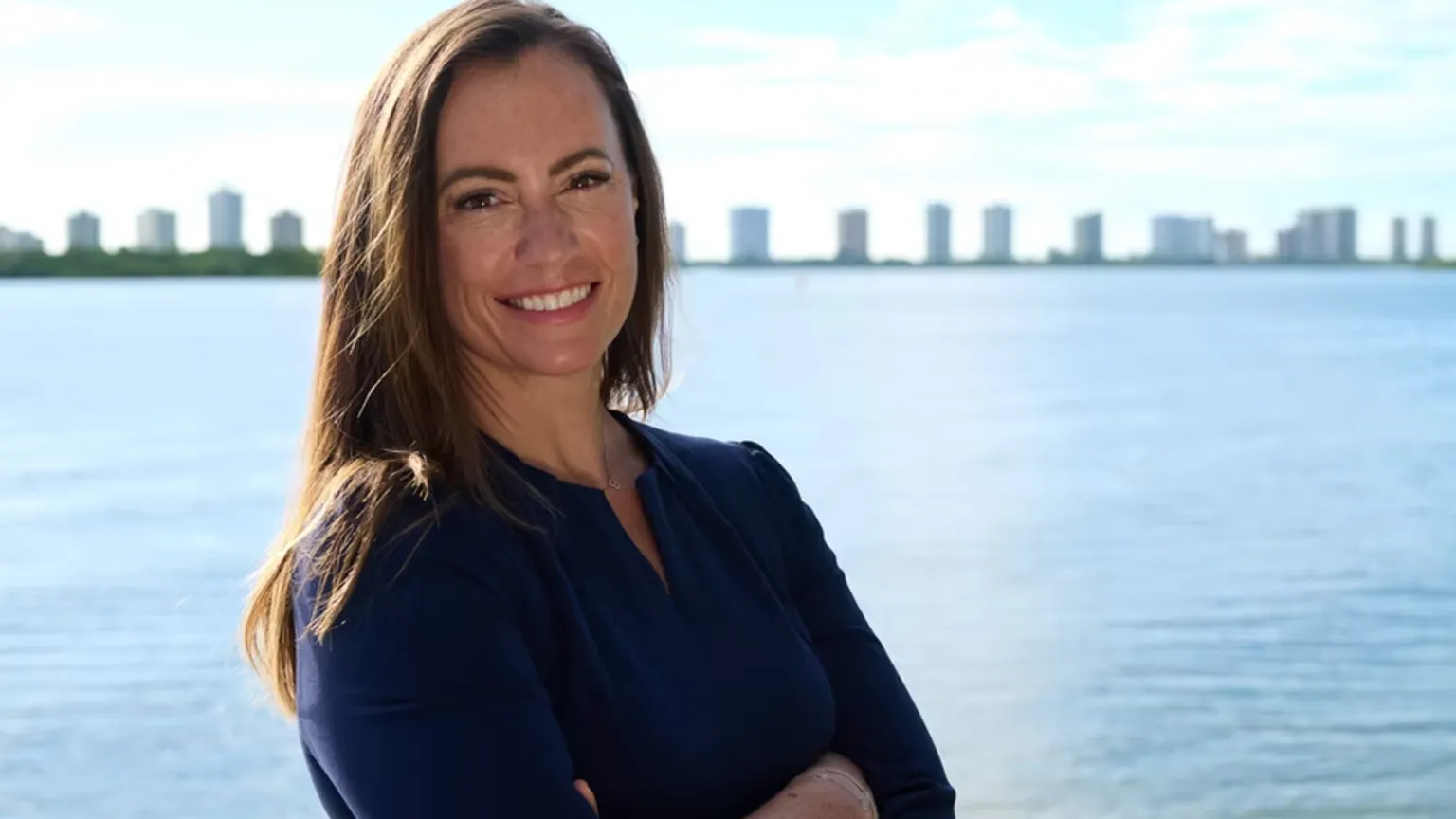
Emily Gregory, a first-time candidate, defeated Republican Jon Maples in the race for District 87, an area that includes Mar-a-Lago in Palm Beach.

Shock Result in Republican-Leaning District
The result marks a notable shift from the 2024 election, when Republicans won the same district by a margin of 19 percentage points. Gregory’s victory is being viewed as a significant upset in a traditionally conservative area.

Speaking after the result, Gregory said she believed early on that the seat could be competitive, adding that her campaign had identified a path to victory despite the district’s recent voting history.

Momentum Ahead of Midterms
The outcome is the latest in a series of strong performances by Democrats in special elections since the start of Trump’s second term. Party officials say the result could signal growing momentum ahead of the upcoming midterm elections.

Ken Martin, head of the Democratic National Committee, said the win demonstrated broader electoral potential for the party.

“If Democrats can win in Trump’s backyard, we can win anywhere,” he said in a statement.

High-Profile Republican Backing
The Republican candidate had received backing from Trump, who endorsed Maples and encouraged supporters to turn out for the vote. Additional support came from Byron Donalds, a Republican congressman who is currently running for governor of Florida.

Despite these endorsements, the result suggests that local dynamics and campaign strategy may have played a decisive role in the outcome.

Wider Political Implications
Special elections are often seen as indicators of voter sentiment between general election cycles. The latest result may increase Democratic confidence as the country approaches the next round of national and state-level contests.

The US midterm elections, scheduled for November, will determine control of the US House of Representatives, a portion of the Senate, and numerous state offices.

While one race does not determine broader trends, the Florida result is likely to draw attention from both parties as they assess their prospects in the months ahead.


Join the discussion?

Already a member?


Adapted by ASEAN Now. Source 25 March 2026
webfact
webfact
The head of BlackRock has warned that a sustained surge in oil prices driven by tensions involving Iran could trigger a severe global economic downturn.

Get today's headlines by email

Larry Fink said that if geopolitical tensions persist and oil prices remain elevated, the consequences for the global economy could be significant.

Energy Prices Seen as Key Risk
“If Iran remains a threat” and oil prices stay high, he said, the impact would be far-reaching. He outlined a scenario in which crude prices could remain above $100 a barrel for an extended period, potentially reaching $150.

Such levels, he warned, would likely result in “a probably stark and steep recession”.

However, Fink also pointed to an alternative outcome, suggesting that if the conflict were resolved and Iran re-integrated into the international community, energy prices could fall back below pre-war levels.

Market Volatility and Energy Strategy
The ongoing conflict in the Middle East has led to sharp fluctuations in global financial markets, as investors attempt to assess the long-term impact on energy supply and costs.

Fink said countries must adopt a pragmatic approach to energy policy, balancing different sources to ensure stable and affordable supply. He stressed that access to low-cost energy is essential for economic growth and improving living standards.

His comments come as some industry groups have called for increased domestic oil and gas production to reduce reliance on imports during periods of geopolitical instability.

No AI Investment Bubble
Despite concerns over heavy investment in artificial intelligence, Fink rejected suggestions that the sector is experiencing a speculative bubble.

“I do not believe we have a bubble at all,” he said, while acknowledging that some individual projects may fail.

He described a global race for technological leadership and argued that continued investment is essential, particularly in the face of competition from other major economies.

BlackRock has been involved in major deals in the sector, including investments in large-scale data centre infrastructure.

Energy Constraints and Workforce Shifts
Fink identified energy costs as a major constraint on the expansion of AI, particularly in the United States and Europe. He warned that insufficient investment in affordable power generation could hinder technological progress.

At the same time, he suggested that AI would reshape the labour market, creating increased demand for skilled trades such as electricians, welders and plumbers.

He argued that too many people have been encouraged to pursue university education at the expense of vocational training, calling for a rebalancing of priorities as economies evolve.

Broader Economic Outlook
With energy prices closely tied to geopolitical developments, Fink said the direction of the global economy will largely depend on how the current conflict unfolds.

A prolonged period of high oil prices, he indicated, would not only strain households and businesses but could also tip the world into recession.


Join the discussion?

Already a member?


Adapted by ASEAN Now. Source 25 March 2026
webfact
webfact
The ongoing conflict involving Iran has triggered a sharp energy crisis across Asia, as restricted access to the Strait of Hormuz disrupts the flow of oil and gas supplies.

Get today's headlines by email

With roughly 20% of global energy shipments typically passing through the strait, its effective closure has sent oil prices higher and unsettled markets worldwide. Asian economies, which rely heavily on these imports, have been among the hardest hit.

Thailand Urges Energy Conservation
In Thailand, authorities have introduced a series of measures to curb energy use. Public campaigns have encouraged people to adjust their daily habits, including limiting air conditioning and working remotely.

At the state broadcaster Thai PBS, news presenters symbolically removed their jackets on air to highlight the need for conservation. One presenter said the gesture aimed to demonstrate awareness of how global events were affecting everyday life.

Officials have sought to reassure the public that energy supplies remain sufficient, even as precautionary steps continue.

Sri Lanka Faces Renewed Strain
In Sri Lanka, the crisis has revived memories of recent economic hardship. Despite improved finances since its 2022 financial collapse, fuel shortages have returned due to supply disruptions.

Authorities have introduced rationing and designated midweek public holidays to reduce consumption. Long queues at fuel stations have disrupted work for many, with some workers saying they have been forced to miss jobs while waiting to secure limited supplies.

Myanmar Imposes Restrictions
In Myanmar, where conflict has already strained the economy, officials have introduced an alternating day system for private vehicle use.

Residents say the restrictions have altered daily routines, including work commutes and social activities. There are also concerns that shortages could lead to the emergence of black markets for fuel.

India Hit by Industrial and Household Shortages
The impact has been particularly severe in India, which depends heavily on imports routed through the Strait of Hormuz.

In Gujarat, a shortage of gas has forced large parts of the ceramics industry to shut down, leaving hundreds of thousands of workers without income. Elsewhere, businesses and households are struggling to secure essential fuel supplies.

In Mumbai, some restaurants have reduced operations or closed temporarily due to a lack of cooking gas. Industry representatives say shortages have made it difficult to maintain normal services.

Long queues for gas cylinders have been reported across the country, even as the government attempts to reassure the public.

Regional Impact Intensifies
Asia receives nearly 90% of the oil and gas transported through the Strait of Hormuz, making the region particularly vulnerable to disruptions.

With no clear resolution to the conflict, the crisis is expected to continue affecting daily life, from transport and employment to food services and energy use.

The situation underscores how geopolitical tensions can rapidly translate into economic hardship for millions, far beyond the immediate conflict zone.

Join the discussion?

Already a member?


Adapted by ASEAN Now. Source 25 March 2026
webfact
webfact

Account

Navigation

Search

Search

Configure browser push notifications

Chrome (Android)
  1. Tap the lock icon next to the address bar.
  2. Tap Permissions → Notifications.
  3. Adjust your preference.
Chrome (Desktop)
  1. Click the padlock icon in the address bar.
  2. Select Site settings.
  3. Find Notifications and adjust your preference.