



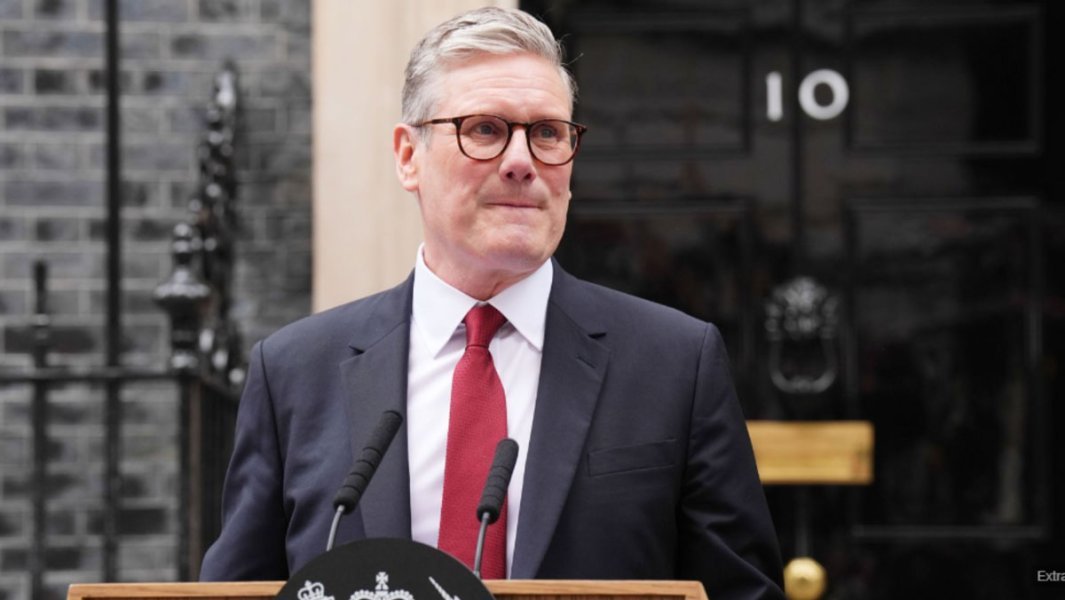

As the UK government grapples with an escalating international crisis, Prime Minister Sir Keir Starmer is facing growing unrest within his own party, highlighting political tensions at a critical moment.
Get today's headlines by email 
While previous generations of British politicians often presented a united front during times of international conflict, divisions within the governing party have become increasingly visible. Despite holding a strong parliamentary majority, Labour is showing signs of internal friction, with some ministers acknowledging widespread unease.
Internal strains resurface
Concerns have been raised about public confidence in political leadership, particularly as the conflict in the Middle East threatens global energy stability. The government’s recent decision to allow the United States to use British bases has added to the pressure, with uncertainty over public support for deeper involvement.
Policy clashes and leadership tensions
Disagreements over domestic policy—especially immigration—have intensified the situation. Proposals led by Home Secretary Shabana Mahmood have drawn criticism from within Labour ranks, including from senior figures such as Angela Rayner. Critics are considering pushing for a parliamentary vote if key elements of the plan are not revised.
Some within government argue that stricter immigration policies reflect public sentiment, while others warn that internal disputes risk damaging the party’s credibility. The handling of these disagreements has become more cautious following earlier legislative setbacks.
Tensions escalated further after public remarks questioning the government’s direction, prompting speculation about future leadership ambitions. Although such discussions are seen by some as poorly timed given the international situation, they underline ongoing uncertainty within the party.
Electoral pressure and uncertain outlook
Upcoming local elections are expected to test voter confidence, with polls suggesting a fragmented political landscape. The results could influence internal party dynamics and potentially reshape Labour’s leadership structure later in the year.
At the same time, rival parties are positioning themselves to capitalise on any perceived weaknesses. While some challengers have faced recent setbacks, competition remains strong, adding to the pressure on the government.
Balancing crisis and governance
Amid these challenges, ministers are attempting to demonstrate effective governance, including plans to fund local community projects as part of a broader effort to maintain public support.
However, with global tensions rising and domestic divisions unresolved, the government faces a difficult balancing act. The coming months are likely to determine whether it can maintain stability both at home and on the international stage.
Join the discussion? 
Already a member? 
 Adapted by ASEAN Now. Source 22 March 2026