Bacon1
Global Moderator
-
Joined
-
Last visited
Everything posted by Bacon1
-
China’s Secret Shenlong Spaceplane Launches Again, Signaling Major Leap in Reusable Space Tech Race China has successfully launched its reusable experimental spaceplane, commonly referred to as Shenlong (“Divine Dragon”), for the fourth time since 2020. The mission highlights China’s accelerating progress in reusable spacecraft technology and long-duration orbital operations, placing it among the leading nations in next-generation space systems. The spacecraft lifted off from the Jiuquan Satellite Launch Center aboard a Long March-2F rocket. Chinese officials described the mission as a technology verification test designed to advance reusable spacecraft development while supporting the peaceful use of outer space. As with previous launches, technical details remain limited, reinforcing the program’s air of secrecy. Earlier Shenlong missions demonstrated rapid progress. The inaugural 2020 flight lasted just two days, but later missions stayed in orbit far longer. A 2022 mission reportedly remained in space for 276 days, followed by a 268-day mission in 2024. These extended durations suggest improvements in thermal protection, power systems, orbital maneuvering, and autonomous landing capabilities. International analysts frequently compare Shenlong to the U.S. military’s X-37B spaceplane, an unmanned reusable vehicle used for long-term orbital testing. Observers have noted that previous Shenlong missions deployed unidentified objects and emitted signals detectable outside China, fueling speculation about potential dual-use or military applications, despite official statements emphasizing civilian research goals. This latest launch underscores China’s strategic push toward cost-efficient, reusable space access. As reusable spacecraft reduce launch costs and enable flexible mission profiles, Shenlong’s continued development signals a shift toward more routine, sustained orbital operations that could reshape the global space competition. Key Takeaways China has launched the Shenlong reusable spacecraft for the fourth time, continuing long-duration orbital testing. Previous missions showed major gains in spacecraft endurance and reusability technologies. Analysts compare Shenlong to U.S. reusable spaceplanes, raising questions about future civilian and military uses. Adapted From Interesting Engineering

-
IMDbThe Borderline (TV Mini Series 2025– ) ⭐ 6.8The Borderline: With Stephen Amell, Hamza Haq, Minnie Driver, Tamara Podemski. A border town cop uncovers an illegal drug trade tied to his childhood friend and a ruthless British crime syndicate operWorth a look, I think. On the bay now 🏴☠️
-
Comment on moderation removed @Harrisfan
-
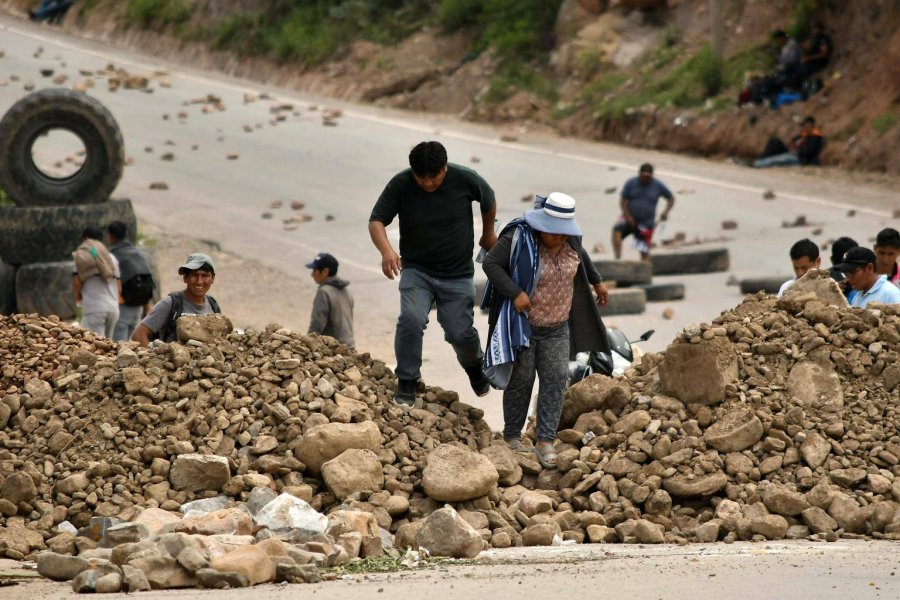
Massive Bolivian Uprising Erupts as “Capitalism for All” Decree Sparks Fury Over Natural Resources Bolivia has been gripped by widespread protests following the government’s launch of an ambitious economic initiative branded as “capitalism for all.” The plan, formalized through Supreme Decree 5503, aimed to restructure the country’s economic model by removing long-standing fuel subsidies, reshaping regulatory frameworks, and accelerating approvals for contracts tied to strategic natural resources. Officials argued the reforms were necessary to stabilize public finances and modernize the economy. However, critics quickly warned that the decree went far beyond fiscal adjustments. Opponents claimed it granted the executive excessive emergency powers, weakened environmental safeguards, and opened the door for foreign companies to gain faster access to Bolivia’s valuable natural assets, including lithium, tin, and silver. Public reaction was swift and intense. Labor unions, Indigenous organizations, students, and mining communities organized nationwide strikes and road blockades. Large demonstrations filled the streets of La Paz and other major cities, with protesters accusing the government of undermining national sovereignty and bypassing democratic oversight. The slogan: “Bolivia is not for sale” became a rallying cry across the country. The scale of resistance forced the government to reverse course. After weeks of unrest and economic disruption, authorities repealed most of the contested provisions within the decree. Despite this concession, the removal of fuel subsidies remained in place, leaving ongoing tensions between the state and social movements. The episode highlights Bolivia’s long history of resistance to policies perceived as privatizing or weakening control over natural resources. With some of the world’s largest lithium reserves at stake, the backlash underscores how deeply resource governance remains tied to political legitimacy, social stability, and national identity in Bolivia. Key Takeaways: Bolivia’s “capitalism for all” decree triggered mass protests over fears of selling out natural resources Nationwide strikes and demonstrations forced the government to roll back most of the reforms Control of lithium and other strategic minerals remains a flashpoint in Bolivian politics Adapted From The Conversation

-
Ukraine to launch 10 European weapons export hubs in 2026, boosting defense tech trade beyond borders Ukraine is planning a major expansion of its defense industry by opening ten weapons export centers across Europe in 2026, according to President Volodymyr Zelenskyy. The move signals a shift from wartime production focused solely on domestic needs toward becoming a significant exporter of military technology to allied nations. The planned export hubs will be located primarily in European partner countries, including the Nordic and Baltic regions. These centers are expected to showcase Ukrainian-made weapons and defense systems that have been tested and refined during the ongoing war, giving Ukraine a competitive edge in the global defense market. Zelenskyy said the initiative will allow Ukraine to export military equipment that exceeds its immediate battlefield requirements. Revenue generated from these exports will be reinvested into Ukraine’s own defense capabilities, supporting continued weapons development and procurement without increasing reliance on foreign aid. A major focus of the export strategy will be unmanned aerial systems and advanced battlefield technologies. Ukraine’s drone sector has grown rapidly since 2022, with hundreds of companies now operating in the country. Ukrainian specialists are also helping establish drone production lines abroad, including facilities in Germany and the United Kingdom. The export centers form part of a broader effort to integrate Ukraine’s defense industry into Europe’s security architecture. By collaborating closely with European manufacturers and governments, Kyiv aims to strengthen long-term military cooperation while positioning itself as a key contributor to regional defense. As Ukraine continues to innovate under wartime pressure, the government sees arms exports as both an economic opportunity and a strategic tool to reinforce alliances and ensure sustainable military readiness in the years ahead. Key Takeaways Ukraine plans to open 10 weapons export centers across Europe in 2026 Drone technology and battlefield-tested systems will be central to exports Export revenue will support Ukraine’s domestic defense production Adapted From Kyiv Independent

-
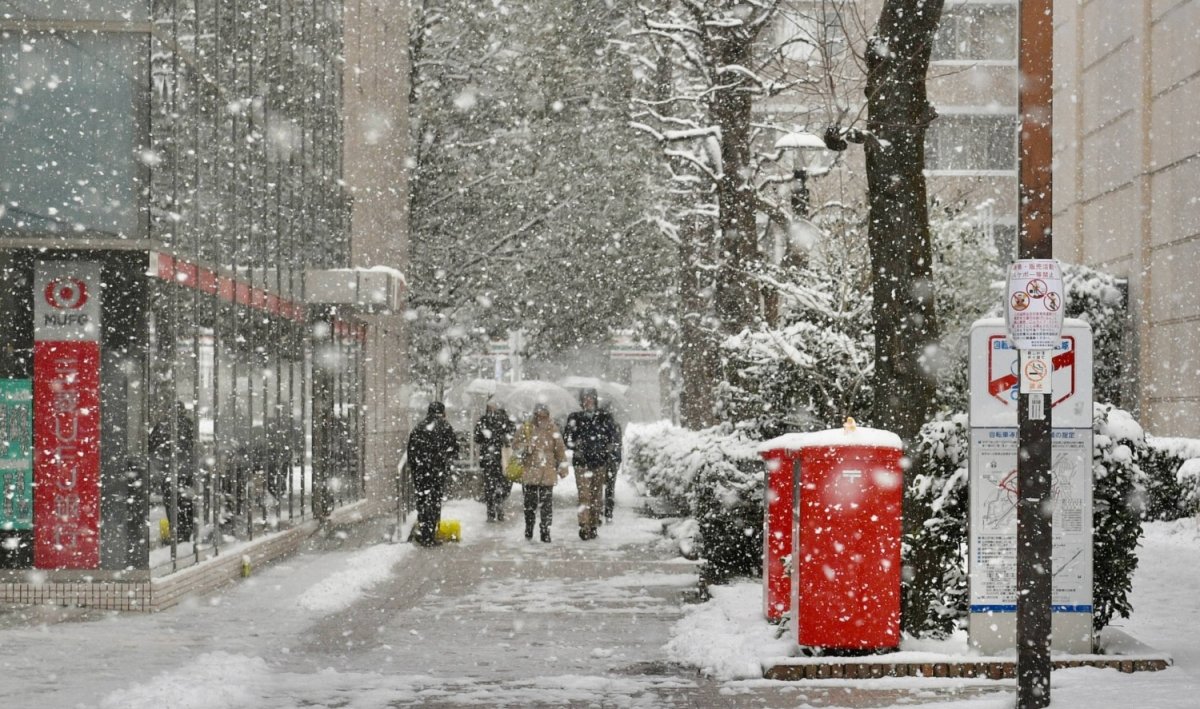
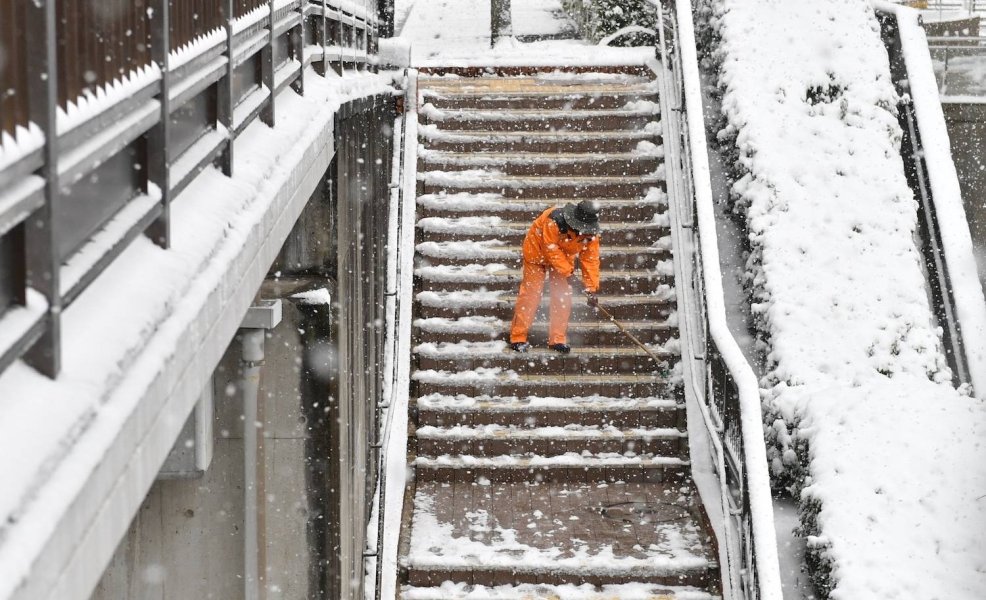
Heavy snow blankets Japan on election day as voters face icy travel, delays, and turnout concerns Japan held a national election amid severe winter weather as heavy snowfall affected large parts of the country on election day. A powerful cold air system moved across the archipelago, bringing snow to regions that rarely experience significant accumulation, including parts of the Tokyo metropolitan area. Meteorological officials warned that the snowfall could disrupt transport networks and make travel hazardous. Rail services experienced delays, roads became icy, and airports issued advisories as conditions worsened through the morning. In northern and coastal regions along the Sea of Japan, snowfall was particularly intense, with deeper accumulations reported in mountainous areas. The unusual weather raised concerns about voter turnout, especially among elderly voters and those in rural districts who rely on public transport. Despite the conditions, polling stations remained open nationwide, and many voters made efforts to cast their ballots, navigating slippery pavements and slowed transit services. The election itself was closely watched, as it followed a snap call by the prime minister seeking a renewed mandate. Analysts noted that holding a winter election carried inherent risks, with weather-related obstacles potentially influencing participation rates and election logistics. Officials urged citizens to prioritize safety, advising voters to allow extra travel time and remain cautious on icy surfaces. While snow is not uncommon in parts of Japan during winter, its arrival on election day highlighted the challenges of conducting nationwide democratic processes during severe weather events. As counting continued, attention turned to whether the harsh conditions would have a measurable impact on turnout and regional voting patterns, particularly in areas most affected by snowfall. Key Takeaways Heavy snowfall nationwide: Snow affected both urban and rural regions, including parts of Tokyo. Travel disruption: Icy roads and transport delays complicated access to polling stations. Turnout concerns: Weather conditions raised questions about voter participation levels. Adapted From Japan Times
-
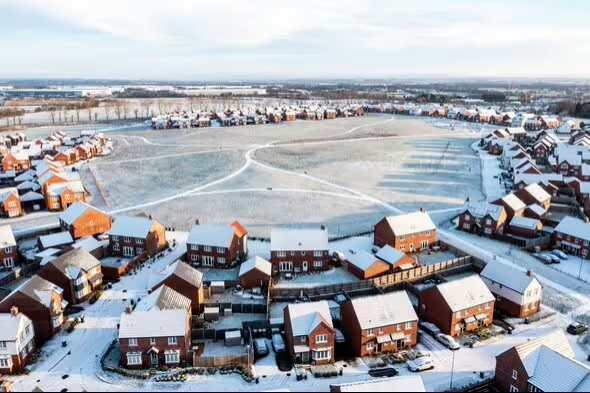
UK faces deep freeze as snow maps reveal 17 counties at risk of heavy snowfall and icy disruption New weather maps suggest a significant snow event could affect at least 17 counties across the UK, raising concerns about travel disruption and hazardous conditions. Forecast models indicate cold air pushing southwards, creating the conditions needed for snow to develop across large parts of England, Scotland, and Wales. Meteorologists say the wintry weather is being driven by an influx of colder air interacting with moisture-heavy systems. As a result, rain in some regions is expected to turn into sleet and snow, particularly overnight and during early morning hours when temperatures are lowest. Higher ground is likely to experience the most snowfall, but lower elevations may also see temporary accumulations. Several affected areas could face icy roads, reduced visibility, and slower journey times. Even modest snowfall can cause issues during peak commuting periods, especially if temperatures remain close to freezing. Drivers and public transport users are being urged to monitor forecasts closely and allow extra time for journeys. While snowfall totals remain uncertain and will vary by location, weather maps highlight a broad zone of risk rather than isolated pockets. This increases the likelihood of regional disruption rather than short-lived, localised snow showers. Forecasters stress that conditions may change quickly, with snow turning back to rain in some areas as temperatures fluctuate. However, the overall outlook suggests a sharp reminder that winter weather remains a serious factor across the UK, even as the season progresses. Key Takeaways Snow risk across 17 counties: Weather maps show a wide area potentially affected by snowfall. Travel disruption possible: Ice and snow could slow road, rail, and public transport services. Conditions may shift quickly: Rain, sleet, and snow are all possible depending on local temperatures. Adapted From The Express
-
Iran Extends Nobel Laureate Narges Mohammadi’s Prison Term for Defiant Memorial Speech In a move that has sparked international outcry, an Iranian court has sentenced Nobel Peace Prize laureate Narges Mohammadi to an additional seven and a half years in prison. This latest legal blow comes while the 53-year-old activist is reportedly on a hunger strike to protest her ongoing detention and the lack of medical care for political prisoners. Mohammadi, a tireless advocate for human rights and women's rights in Iran, was already serving a nearly 14-year sentence when the new charges were announced. According to her lawyer, the Revolutionary Court in Mashhad handed down the new term for "gathering and collusion" and "propaganda against the state." In addition to the prison time, the court imposed a two-year travel ban and ordered her into internal exile in the remote city of Khosf. Her supporters note that the hunger strike, which began on February 2, has severely compromised her health. Mohammadi has a history of heart issues and recently underwent surgery to remove a bone lesion. Despite these life-threatening conditions, she has remained a defiant symbol of the "Woman, Life, Freedom" movement, continuing her activism even from behind the walls of Tehran's Evin prison. This sentencing occurs amidst a broader crackdown by the Iranian government on dissent following years of nationwide protests. International human rights organizations are calling for her immediate release, citing her deteriorating health and the arbitrary nature of the charges. As global pressure mounts, Mohammadi’s family continues to voice her message of resistance, emphasizing that no amount of imprisonment will silence the call for justice in Iran. Key Takeaways Extended Sentence: Narges Mohammadi faces over seven more years in prison plus internal exile. Health Crisis: The laureate is on a hunger strike despite suffering from severe heart and spinal conditions. Persistent Activism: The charges stem from her continued vocal support for human rights and opposition to the death penalty. Adapted From The Guardian

-
Cerne Abbas Giant Saved: Global Fund Drive Locks Down Ancient Hillside for the Future Forever Secured An international fundraising campaign has successfully secured the landscape surrounding England’s famed Cerne Abbas Giant, ensuring long-term protection for the massive chalk hill figure and its natural habitat. The National Trust, a British heritage conservation charity that has owned the immediate site of the landmark since 1920, launched an appeal late last year to raise funds to purchase the adjacent 341 acres known as Giant’s Lair. After contributions from more than 20 countries, the trust hit its target in just 60 days, raising approximately £330,000 to complete the purchase alongside over £2 million already committed through grants and bequests. The Cerne Abbas Giant is a 180-foot-tall chalk figure carved into a Dorset hillside centuries ago. While its exact age and origins remain debated among historians—recent scientific evidence suggests it likely dates to between 700 and 1100 CE—the giant has become one of Britain’s most iconic hill figures and a notable cultural and archaeological mystery. With the surrounding land now under National Trust care, plans are underway to improve public access, support wildlife conservation, and expand archaeological research. The project aims to restore grasslands, plant new woodlands, and create thriving habitats for species like the rare Duke of Burgundy butterfly. Protecting this broader landscape will also allow researchers to explore ancient human activity in the area more comprehensively. Backed publicly by figures such as actor Sir Stephen Fry, the fundraising effort reflects global interest in preserving historic landmarks and natural environments. Conservation leaders describe the campaign’s success as a powerful example of community and international support coming together to safeguard heritage, ecology, and scientific discovery for future generations. Key Takeaways The National Trust completed the purchase of 341 acres around the Cerne Abbas Giant after a global fundraising campaign reached its goal in 60 days. The chalk figure likely dates to the early medieval period and remains a subject of historical and archaeological intrigue. New conservation plans will enhance public access, protect wildlife habitats, and support future research. Adapted From The Smithsonian

-
How Great White Sharks Grow Bone-Slicing Teeth as They Mature Scientists studying nearly 100 great white shark jaws found that tooth shape, size, and function change significantly throughout a shark’s life, closely tracking changes in diet and hunting behavior. Juvenile great white sharks primarily feed on fish and smaller prey. At this stage, their teeth are narrow and pointed, often with small side cusplets that help grip slippery animals. These early teeth are designed for holding prey rather than tearing it apart. As sharks grow larger — typically around three meters in length — their diet expands to include seals and other marine mammals. At this point, their teeth undergo a dramatic transformation. The cusplets disappear, and the teeth become wider, thicker, and heavily serrated. This new tooth design allows adult sharks to slice through tough muscle, blubber, and even bone with extreme efficiency. The study also shows that tooth shape varies across different parts of the jaw. Front teeth are more symmetrical and spear-like, ideal for grabbing prey. Teeth farther back become longer and more blade-shaped, functioning like natural knives to cut flesh. Upper and lower jaws also serve different roles: lower teeth help secure prey, while upper teeth do most of the cutting. Rather than being static weapons, great white shark teeth are adaptive tools that evolve as the shark grows. Each stage of tooth development reflects a shift in feeding strategy, offering new insight into how these apex predators dominate the ocean food chain throughout their lives. Key Takeaways: Great white sharks develop different tooth types as they age, not just replacements. Adult sharks grow broad, serrated teeth capable of slicing bone and dense tissue. Tooth shape varies across the jaw, optimizing gripping, tearing, and cutting prey. Adapted From The Conversation

-
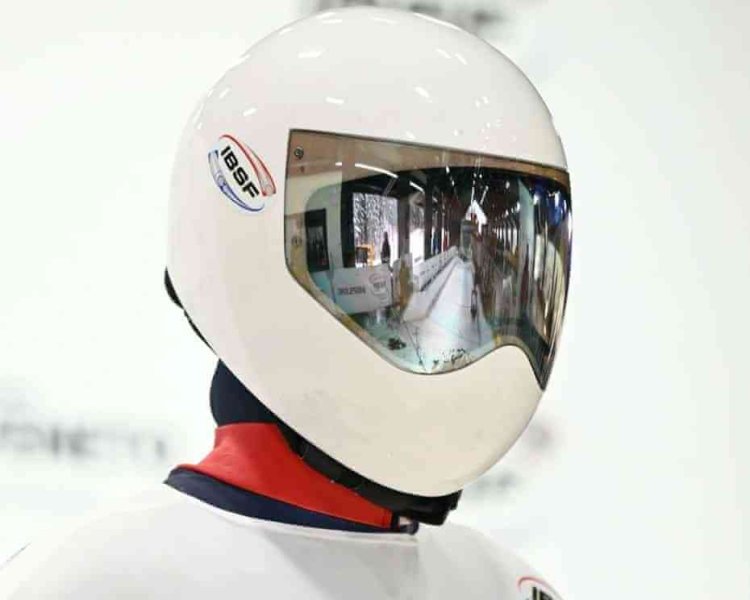
Olympic Shock: Team GB Skeleton Stars Banned From Using High-Tech Helmets Team GB’s skeleton squad has suffered a late setback ahead of the Milan-Cortina 2026 Winter Olympics after a ruling confirmed their newly designed helmets cannot be used in competition. The International Bobsleigh and Skeleton Federation (IBSF) ruled that the helmets failed to comply with equipment regulations. Officials said the helmet’s aerodynamic shape, particularly at the rear, went beyond what is permitted and could offer an unfair performance advantage in a sport where hundredths of a second matter. British Skeleton challenged the decision, arguing that the helmets met safety standards and did not breach the written rules. The case was taken to the Court of Arbitration for Sport (CAS), which reviewed the design and the governing body’s interpretation of the regulations. CAS ultimately sided with the IBSF, confirming that the helmets fall outside the acceptable parameters under current rules. As a result, British athletes will be required to compete using previously approved helmets throughout the Olympic competition. The ruling affects some of Britain’s strongest medal contenders in skeleton, including reigning world champion Matt Weston and fellow World Cup standout Marcus Wyatt. The decision is particularly frustrating given Team GB’s dominant performances during the season, where British sliders secured multiple victories and podium finishes. Despite the disappointment, team officials have played down the impact of the ruling. Coaches and athletes insist preparations remain on track, noting that several of the season’s best results were achieved using standard helmets rather than the banned design. The case highlights the constant tens ion in elite winter sports between technological innovation and strict equipment regulation, especially in high-speed events like skeleton where marginal aerodynamic gains can influence outcomes. Key Takeaways Team GB’s new skeleton helmets were ruled illegal under IBSF equipment regulations The Court of Arbitration for Sport upheld the ban ahead of Milan-Cortina 2026 British skeleton medal contenders will compete using standard, approved helmets Adapted From The Guardian
-
Why George Orwell Believed Science Is a Way of Thinking, Not Just a Lab Subject for Specialists In an era dominated by rapid technological advancement, George Orwell’s 1945 insights on scientific literacy feel more relevant than ever. While we often equate "science" with complex physics or biological research, Orwell argued for a more profound definition: a way of thinking rooted in logic, skepticism, and intellectual honesty. Redefining Science for the Masses Orwell noticed a dangerous trend where "science" was becoming synonymous with narrow specialization. He argued that being a "scientist" shouldn't just mean you can solve a chemistry equation; it should mean you possess a rational mental habit. To Orwell, a person trained in the hard sciences could still be politically naive or even susceptible to authoritarianism if they lacked a broader, humanistic understanding of the world. The Danger of Narrow Specialization The core of Orwell’s concern was that highly technical education often neglects critical thinking regarding social and ethical issues. He pointed out that many scientists in the early 20th century were easily swayed by extremist ideologies because their expertise was limited to their specific fields. To combat this, he advocated for a "new way of thinking" that bridges the gap between: Scientific Method: The rigorous testing of facts. Humanistic Values: The ability to weigh moral and political consequences. A Lesson for the Modern Age Today, as we navigate AI, climate change, and misinformation, Orwell’s plea holds weight. He believed that the public shouldn't just be taught facts about science, but rather the rationality required to question those in power. By fostering a society that values objective truth over partisan bias, we protect the very foundations of democracy. Key Takeaways Mindset over Knowledge: Orwell believed science should be defined as a rational way of thinking rather than just a collection of technical skills. The Specialization Trap: High-level technical expertise does not automatically equate to political or moral wisdom. Civic Necessity: Broad scientific literacy is essential for a functioning democracy to resist propaganda and irrationality. Adapted From The Conversation

-
Direct quote from link below: "The scientific journal, Frontiers, reported that every 2cm in suit size circumference reduced drag by 4% and increased lift by 5%. It said that a 2cm change in the suits was equivalent to an extra 5.8 metres in jump length." "Witold Banka, WADA president, joked: “Ski jumping is very popular in Poland [his home country] so I promise you I’m going to look at it.”' https://www.sportresolutions.com/news/ski-jumping-penisgate-olympics
-
A number of trolling posts and their replies have been removed. Please keep the discussion on topic. Thank you
-
Vulgar baiting posts & replies removed. @Ralf001 I strongly advise you to stop. 8. You will not post vulgarities, obscenities or profanities. 9. You will not post disruptive or inflammatory messages. You will respect other members and post in a civil manner. Personal attacks, insults or hate speech posted on the forum or sent by private message are not allowed.
-
Olympic Shock: WADA Probes Bizarre Penis Injection Claims Rocking Ski Jumping at Winter Games 2026!! in Milano-Cortina are confronting an unusual controversy in men’s ski jumping that’s drawing global attention. Reports circulating from European media outlets suggest some athletes might be attempting to alter their body measurements by injecting hyaluronic acid into their genital area before official suit fitting scans. Allegedly, this could temporarily increase the circumference around the crotch, leading to slightly larger ski suits — and, theoretically, more aerodynamic lift and longer jump distances. The World Anti-Doping Agency (WADA) acknowledged the claims at a press briefing in Milan, saying it would review any credible evidence and determine whether such methods should be treated as performance-enhancing under its regulations. WADA’s Director General Olivier Niggli noted he hadn’t seen proof these practices are occurring but stressed the agency would assess any developments under the sport’s anti-doping code. WADA president Witold Banka also indicated the matter would be taken seriously. Ski jumping’s governing body, the International Ski and Snowboard Federation (FIS), and competition officials have downplayed the rumors. FIS spokespeople have labeled the specific injection allegations as unverified and lacking concrete evidence while reiterating that suit measurements and regulations are strictly overseen with 3D scanning and tight tolerances. This episode follows a genuine equipment-tampering scandal at the 2025 World Championships when Norwegian jumpers were penalized for illegally modifying suit seams in the crotch area to increase surface area for aerodynamic benefit. That incident prompted stricter inspections and controls ahead of the Olympics. At this stage, no athletes have been formally accused or sanctioned for using these injection methods, and authorities continue to emphasize that the primary focus remains on fair competition and athlete safety. Key Takeaways WADA is reviewing reports that ski jumpers allegedly used hyaluronic acid injections to manipulate suit size for performance gain. FIS and Olympic officials say there’s no confirmed evidence supporting these claims. The controversy follows prior suit-tampering violations that resulted in sanctions and tighter checks Adapted From The Guardian

-
From Bike Courier to Literary Icon: The Gritty Rise of China’s Newest Working-Class Hero In a literary world often dominated by academic elites, Hu Anmin has emerged as a powerful, gritty voice for China’s working class. His journey to becoming a celebrated author wasn’t paved with prestigious degrees, but with the sweat of 19 different manual labor jobs. Before his debut book, Work and Life, became a sensation, Hu spent decades navigating the "gig economy" long before it had a name. Hu’s story is a testament to the "migrant worker literature" movement in China. He spent years cycling through roles as a bike courier, a bakery apprentice, and a security guard. These weren’t just temporary gigs; they were the raw materials for his storytelling. Unlike many contemporary writers who observe poverty from a distance, Hu writes from the inside out, detailing the physical toll and the quiet dignity of those who keep China’s massive urban centers running. His prose resonates because it captures the authentic struggle of the everyman. In his writing, a simple delivery run isn't just a task; it’s a high-stakes race against city traffic and unforgiving algorithms. By highlighting the invisible faces of the service industry, Hu has given a voice to millions of laborers who rarely see their own lives reflected in high art. Today, Hu is no longer delivering packages, but his influence is delivering a much-needed reality check to the Chinese literary scene. His success proves that lived experience is often the most compelling credential a writer can hold. Key Takeaways Diverse Background: Hu Anmin worked 19 different manual labor jobs, including courier and baker, before finding literary fame. Voice for the Voiceless: His writing focuses on the "migrant worker" experience, providing a rare and authentic look at China's working class. The Power of Lived Experience: Hu’s success highlights a growing demand for "grassroots" literature that prioritizes real-world struggle over academic theory. Adapted From The Conversation


-
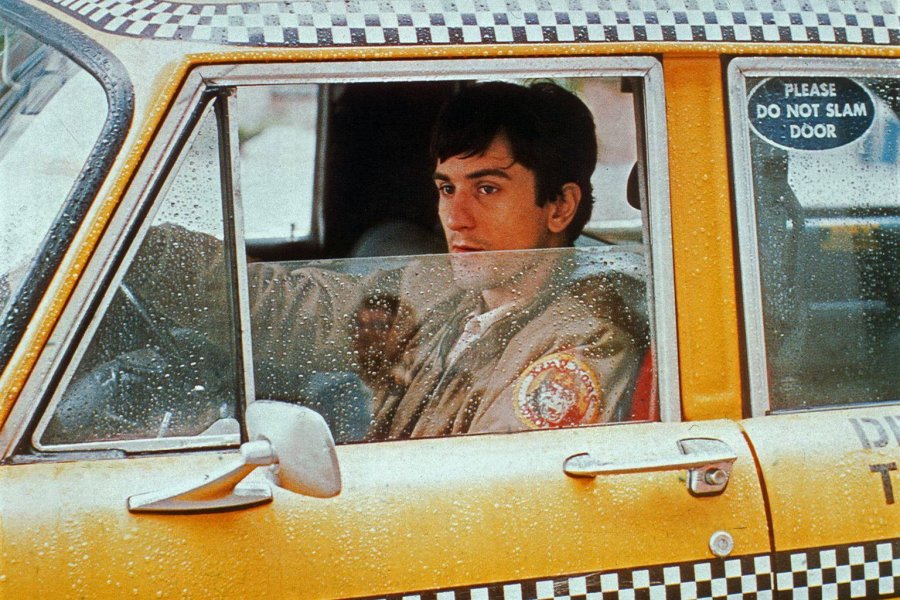
God’s Lonely Man: Why the Brutal Legacy of Martin Scorsese’s Taxi Driver Still Haunts Us at 50 Martin Scorsese’s Taxi Driver remains one of the most influential films in cinema history. Even half use a century after its 1976 release, the story of Travis Bickle continues to serve as a gritty, uncomfortable mirror for modern society. While the neon-soaked streets of 1970s New York have changed, the film’s exploration of urban isolation and the "lonely man" archetype feels more relevant than ever. The movie follows Bickle, a war veteran suffering from insomnia and deep-seated alienation, who spends his nights driving a cab through the city's underbelly. His descent from a detached observer to a violent "savior" highlights a dangerous path: the radicalization of a man who feels discarded by the world. Today, this resonates with the rise of online echo chambers and the "incel" subculture, where similar feelings of resentment can spiral into real-world aggression. Scorsese and screenwriter Paul Schrader didn't just create a character study; they captured a specific type of masculine crisis. Travis views himself as a righteous cleanser in a world he perceives as "filth." This delusion of moral superiority—paired with a desperate need for purpose—is a theme that echoes in contemporary discussions about political extremism and the mental health of isolated individuals. Ultimately, Taxi Driver endures because it refuses to give easy answers. It challenges the audience to look at a monster and see the human fractures underneath. As we navigate an era defined by digital hyper-connection that often masks deep personal loneliness, Travis Bickle’s "God’s lonely man" remains a haunting reminder of the cost of social neglect. Key Takeaways Timeless Alienation: The film’s portrayal of social isolation and mental health struggles remains deeply relevant in the digital age. The "Anti-Hero" Blueprint: Travis Bickle set the standard for the complex, troubled protagonists seen in modern films like Joker. Cultural Reflection: Taxi Driver serves as a warning about how unchecked resentment and loneliness can lead to radicalization and violence. Adapted From The Conversation
-
Low value comment removed Low-Value Posts - Posts that add no written contribution are not allowed. This includes emoji-only replies, very short comments, memes, GIFs, screenshots, or embedded social media posts without explanation or opinion.
-
Arctic Blast Carves Mesmerizing "Cloud Streets" Across Florida’s Coastlines in Stunning Space Photos Florida is famous for sunshine, but a recent cold snap transformed the state’s atmosphere into a stunning visual masterpiece. Satellite imagery recently captured a mesmerizing phenomenon known as cloud streets—long, parallel rows of fluffy white clouds stretching across the Gulf of Mexico and the Atlantic coast. What are Cloud Streets? While they look like deliberate patterns drawn across the sky, cloud streets (technically called horizontal convective rolls) are a product of specific atmospheric physics. They occur when cold, dry air blows over much warmer water. This temperature contrast creates a "conveyor belt" of air: The warm water heats the air directly above it, causing it to rise. As it rises, the moisture condenses into clouds. This rising air eventually hits a layer of warmer air higher up (a temperature inversion), which acts like a ceiling, forcing the air to roll over and sink back down. This continuous cycle of rising and sinking creates the distinct, organized "lanes" visible from space. The Perfect Storm for Visibility This recent display was particularly vivid because of a powerful Arctic blast that dipped unusually far south. When the frigid continental air hit the relatively balmy waters surrounding the Florida peninsula, the reaction was instantaneous. Because the wind was blowing steadily in one direction, these rolls stretched for hundreds of miles, looking like a giant white ribcage over the ocean. While these formations are common in the Arctic, seeing them so clearly defined over the subtropics is a treat for meteorologists and space enthusiasts alike. It serves as a stark visual reminder of how our atmosphere constantly seeks balance between extreme temperatures. Key Takeaways Scientific Origin: Cloud streets are formed by horizontal convective rolls when cold air travels over warm water. Visual Patterns: The distinct "lanes" are created by alternating columns of rising warm air (clouds) and sinking cool air (clear space). Florida’s Cold Snap: This rare, high-definition event was triggered by an intense Arctic air mass meeting the warm Gulf Stream. Adapted From Scientific American
-
Two low value comments removed. Low-Value Posts - Posts that add no written contribution are not allowed. This includes emoji-only replies, very short comments, memes, GIFs, screenshots, or embedded social media posts without explanation or opinion.
-
Comment on moderation removed @RayC 13. You will not publicly comment on moderation in an open forum. You will not comment on actions taken by individual moderators or on specific or general policies and issues. You will not post a negative emoticon in response to a public notice made by a moderator. You may send a private message to a moderator to discuss individual actions or you can email support (at) aseannow.com to discuss moderation policy and account suspensions.You will not block communication from moderators or Admin. Aggression, personal attacks, derogatory comments or any form of abuse toward moderators, Admin, or this forum in general will not be tolerated and will result in strict consequences. There is absolutely no excuse for abusive behavior. FR #13 Low-Value Posts - Posts that add no written contribution are not allowed. This includes emoji-only replies, very short comments, memes, GIFs, screenshots, or embedded social media posts without explanation or opinion.
-
Thread locked: image only. This is considered low-value content. https://aseannow.com/topic/1386197-important-notice-to-members-posting-on-the-forum/
-
Low value post removed
-