
Bacon1
Global Moderator
-
Joined
-
Last visited
Everything posted by Bacon1
-
Baiting post & reply removed @georgegeorgia
-
13. Low-Value Posts - Posts that add no written contribution are not allowed. This includes emoji-only replies, very short comments, memes, GIFs, screenshots, or embedded social media posts without explanation or opinion. A post has been removed.
-
13. Low-Value Posts - Posts that add no written contribution are not allowed. This includes emoji-only replies, very short comments, memes, GIFs, screenshots, or embedded social media posts without explanation or opinion. A post has been removed.
-
13. Low-Value Posts - Posts that add no written contribution are not allowed. This includes emoji-only replies, very short comments, memes, GIFs, screenshots, or embedded social media posts without explanation or opinion. A post has been removed.
-
13. Low-Value Posts - Posts that add no written contribution are not allowed. This includes emoji-only replies, very short comments, memes, GIFs, screenshots, or embedded social media posts without explanation or opinion. A post has been removed.
-
Post removed. @Wingate Please keep comments relevant to the topic of this thread. This discussion is about the reported case, not about the United States. If you would like to raise a separate issue or broader political point, please start a new thread. Thank you for your cooperation.
-
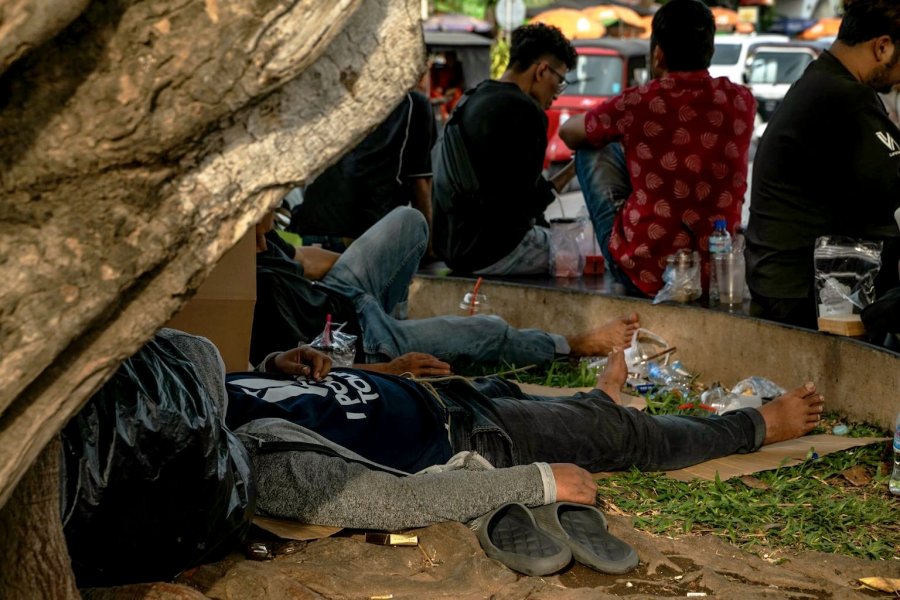
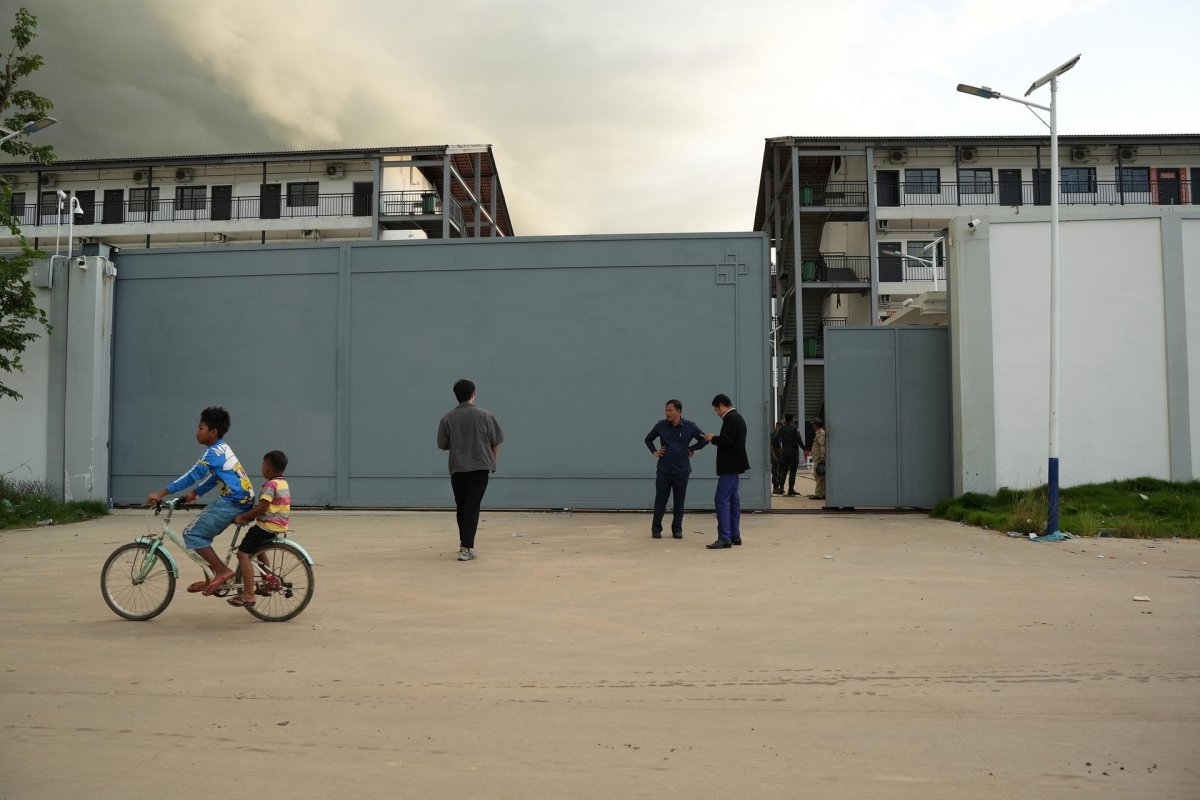
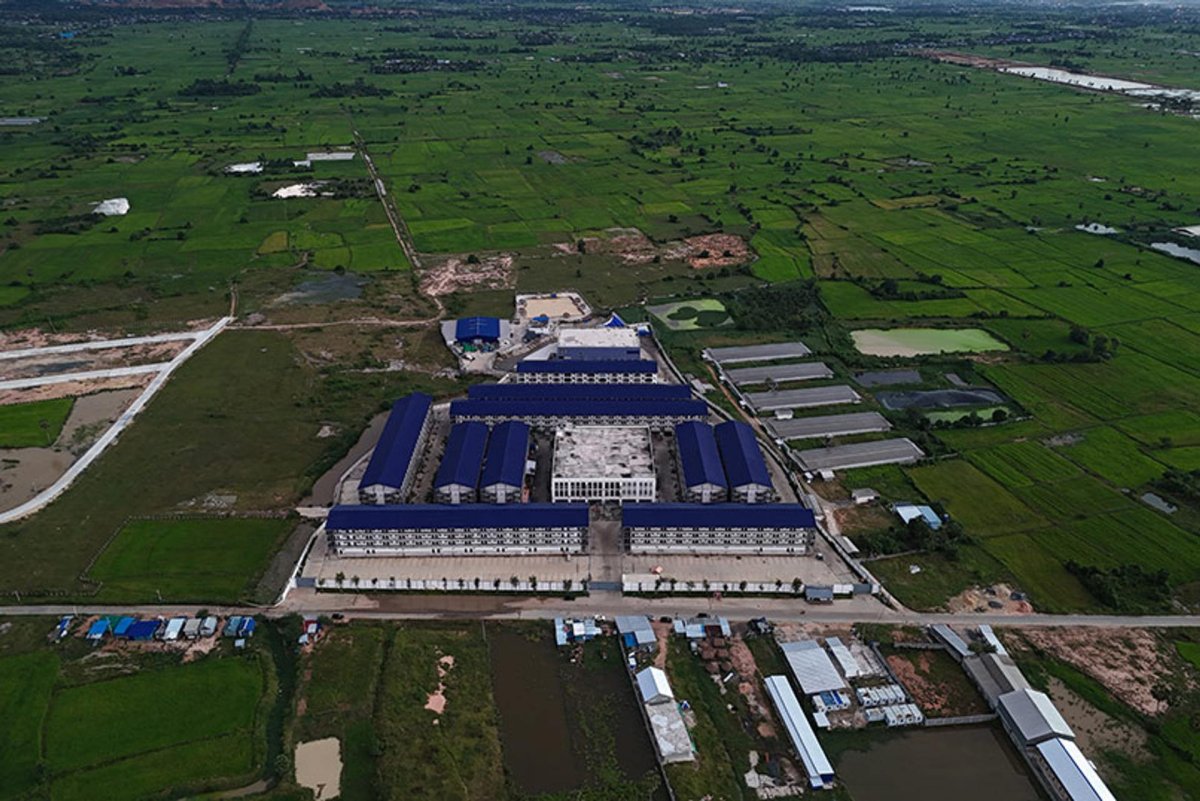
Trapped in Hell then Abandoned on the Streets: The Brutal Fate of Cambodia’s Escaped Cyber Slave Force For thousands of migrant workers, the promise of a high-paying tech job in Cambodia quickly turns into a nightmare. Lured by deceptive social media advertisements, these individuals often find themselves trapped in "scam factories"—fortified compounds where they are forced to conduct online fraud under the threat of violence. While some manage to escape these harrowing conditions, their freedom often brings a new set of challenges: homelessness, legal limbo, and a lack of institutional support. The transition from captive laborer to street dweller is a direct result of systemic failures. Many survivors flee these compounds with nothing but the clothes on their backs, having had their passports and personal belongings confiscated by their captors. Because they entered the country under false pretenses or had their visas managed by criminal syndicates, they are frequently classified as undocumented immigrants rather than victims of human trafficking. This legal distinction bars them from accessing formal employment or safe housing, leaving them to sleep in public parks or under bridges in cities like Sihanoukville and Phnom Penh. Local NGOs are struggling to keep up with the influx of escapees. These organizations provide basic necessities like food and emergency medical care, but they lack the resources for long-term rehabilitation. Furthermore, the psychological toll on survivors is immense; many suffer from severe PTSD following months of physical abuse and forced labor. Without a clear path to repatriation or legal status, these individuals remain stuck in a cycle of poverty and vulnerability on the very streets they hoped would lead to a better life. The situation highlights a desperate need for international cooperation and more robust victim protection laws to ensure that those who escape modern slavery are not simply abandoned to the elements. Key Takeaways Systemic Victimization: Many survivors of Cambodia’s scam compounds are treated as illegal "illegal migrants" rather than trafficking victims, depriving them of essential legal protections. Resource Depletion: Local aid groups are overwhelmed, leaving many escapees without access to housing, mental health support, or safe paths home. Loss of Identity: The confiscation of passports by criminal networks makes it nearly impossible for freed workers to navigate legal systems or secure legitimate work. Adapted From The Conversation
-
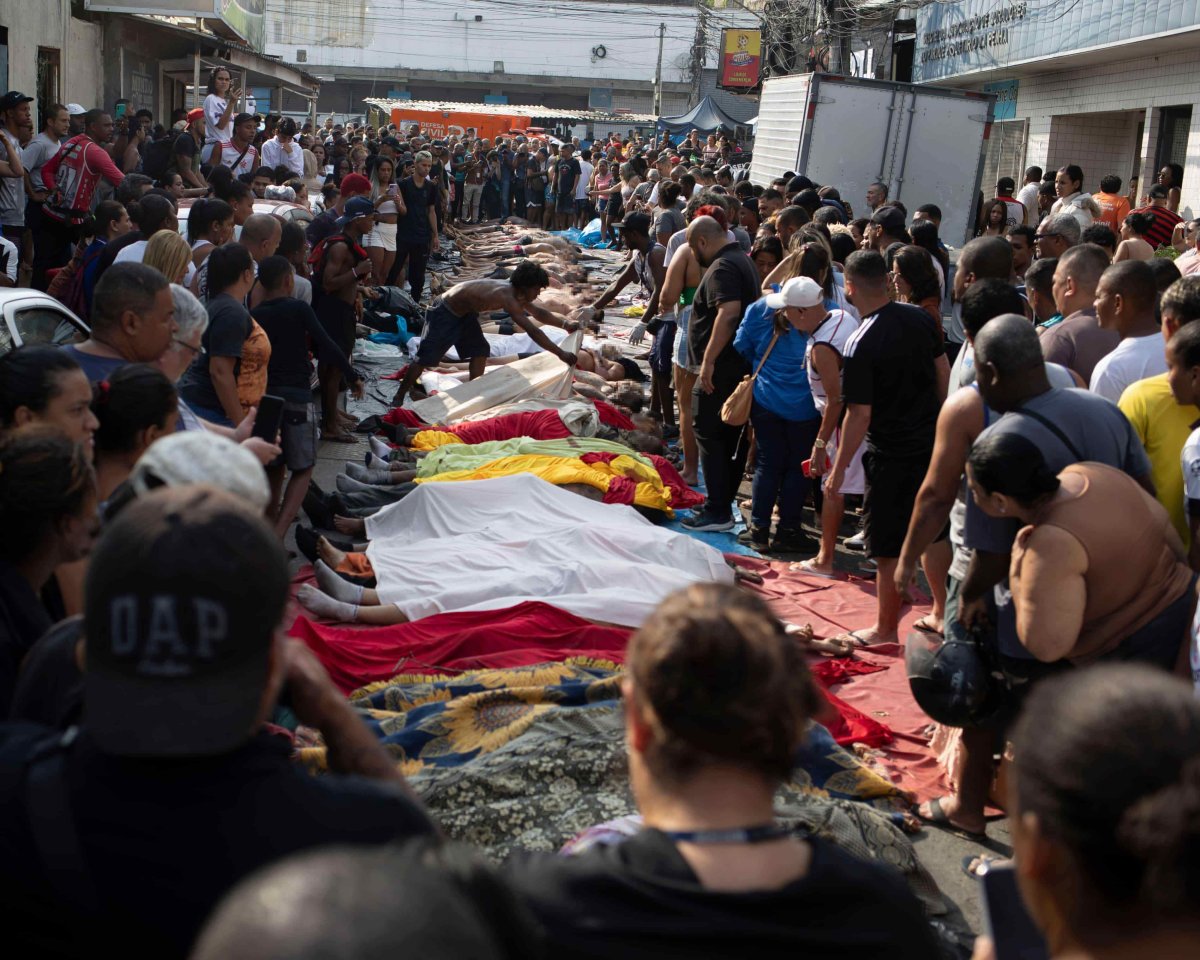
Brazil in Turmoil: Rio Police Operation Leaves Over 120 Dead, Most Civilians, and Triggers Major Debate A sweeping police operation in Rio de Janeiro has become the deadliest raid in Brazil’s history, leaving more than 120 people dead and igniting fierce debate over law enforcement tactics in the country’s favelas. It was 4.30am on 28 October. Thousands of police had surrounded the community’s barricaded entrances and were preparing to swarm up its streets on foot and in black armoured personnel carriers with firing ports and bullet-cracked ballistic windows. The large-scale security action targeted neighborhoods in Complexo da Penha and Alemão, areas long associated with the powerful Red Command criminal network. Authorities deployed thousands of officers, including elite tactical units, in an effort to execute dozens of arrest warrants and weaken organized crime control in the region. What officials described as a decisive blow to gang leadership quickly spiraled into prolonged gun battles across densely populated hillsides. As the operation stretched for hours, residents reported intense crossfire, armored vehicles pushing through narrow streets, and helicopters circling overhead. Families were trapped indoors while schools and businesses shut down. By the time the violence subsided, the death toll had climbed past 120, with many of the victims reportedly not listed among the intended suspects. Human rights advocates and community leaders have raised concerns that civilians were disproportionately affected, renewing longstanding criticism of Brazil’s militarized policing model. Brazil’s president and other national figures have called for transparency and accountability, describing the scale of the bloodshed as deeply troubling. Investigations are now underway to determine whether officers followed legal protocols, including the proper use of body cameras and adherence to warrant procedures. The tragedy has reignited national discussion about public security, systemic inequality, and racial disparities in law enforcement. For many observers, the Rio police raid highlights the persistent tension between combating organized crime and protecting the rights and lives of residents in Brazil’s most vulnerable urban communities. Key Takeaways The Rio de Janeiro police raid is the deadliest in Brazil’s history, with over 120 fatalities. Many of those killed were reportedly not listed as primary targets, sparking human rights concerns. The incident has intensified debate over policing tactics, accountability, and public security reform in Brazil Adapted From The Guardian
-
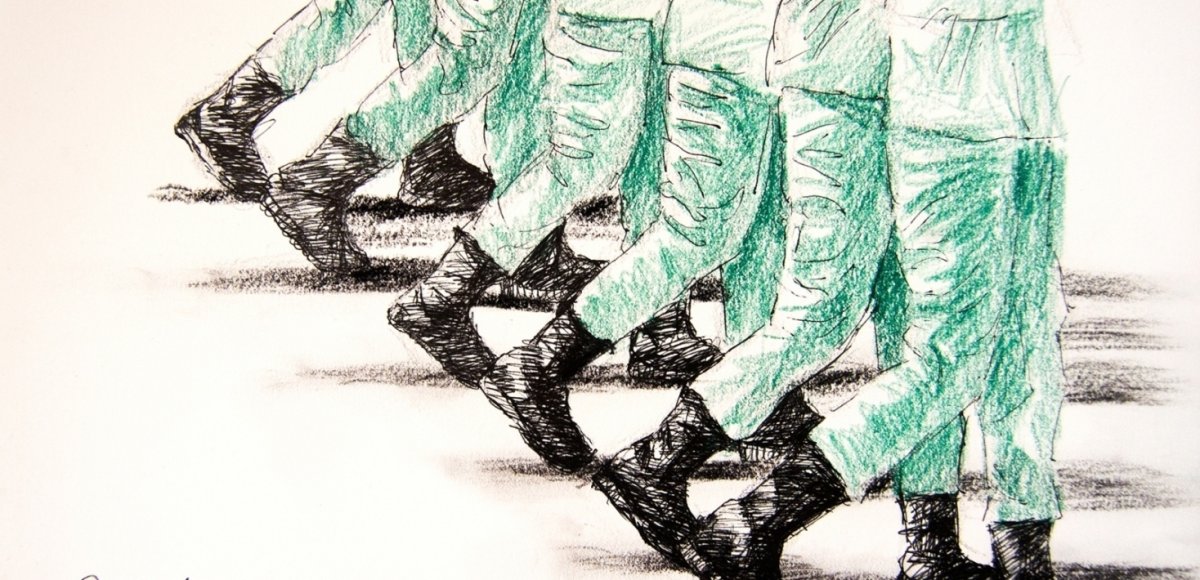
Cuba ramps up repression with surveillance, threats and pressure on prisoners of conscience families Cuban authorities have sharply increased harassment against prisoners of conscience and their families, according to Amnesty International. The rights group reports a pattern of surveillance, intimidation and arbitrary restrictions targeting relatives who publicly demand justice, medical care and improved prison conditions for detained activists. Amnesty says state security agents are conducting constant monitoring outside homes, restricting movement without court authorization and issuing threats designed to silence families. In several cases, relatives attempting to advocate for imprisoned loved ones have faced short-term detentions and ongoing intimidation. These actions, the organization argues, form part of a broader strategy to suppress dissent and discourage public criticism of the government. Serious concerns have also been raised about the health of political prisoners in Cuba. Amnesty highlights cases in which detainees suffering from chronic illnesses have allegedly experienced declining health while in custody. Despite medical vulnerabilities, authorities have reportedly delayed or denied appropriate treatment and failed to grant humanitarian benefits that could allow for medical release. Human rights advocates warn that such conditions may violate international standards prohibiting cruel or inhuman treatment. The report situates these developments within a wider climate of repression in Cuba, where individuals jailed for peaceful protest or expression remain behind bars. Amnesty International is urging the Cuban government to end harassment, stop arbitrary surveillance and release all individuals detained solely for exercising their fundamental rights. Key Takeaways Cuban authorities have intensified surveillance and intimidation of prisoners of conscience and their families. Reports indicate worsening prison conditions and inadequate medical care for detained activists. Amnesty International calls for an end to repression and the release of those jailed for peaceful dissent. Adapted From Amnesty International
-
A secret 1910 Greenland trade proposal stunned Washington — and America walked away from Arctic power In 1910, Denmark explored the possibility of transferring Greenland to the U.S. as part of a complex territorial exchange involving the Philippines and disputed European land. The proposal, however, was ultimately rejected by Washington, which viewed the arrangement as overly complicated and politically risky. At the time, Greenland’s strategic value was already apparent. Its location in the Arctic made it a potential military and naval asset, especially as global powers competed for influence. Denmark’s idea reportedly involved a multi-step land swap that would have required cooperation among several nations. U.S. officials declined to pursue the arrangement, concluding that the diplomatic hurdles outweighed the benefits. Interest in Greenland did not disappear. In 1946, the Truman administration offered to purchase the island outright for $100 million in gold, but Denmark again refused. Instead of ownership, the two countries strengthened defense cooperation. During World War II and throughout the Cold War, the U.S. established military installations in Greenland, reinforcing its Arctic security presence without transferring sovereignty. Today, Greenland remains strategically significant. Beyond its military value, the island is rich in rare earth minerals and sits along emerging Arctic shipping routes made more accessible by climate change. As global competition intensifies in the Arctic, historical efforts to acquire Greenland highlight how long the island has been viewed as a geopolitical prize. Despite renewed discussions in modern times, Greenland’s leaders and Denmark have consistently stated that the territory is not for sale. Key Takeaways • In 1910, Denmark proposed a complex territorial exchange that would have given Greenland to the United States. • Washington rejected the deal, judging it too politically and diplomatically complicated. • Greenland remains vital today due to Arctic security, rare earth resources, and strategic shipping routes. Adapted From dailygalaxy

-
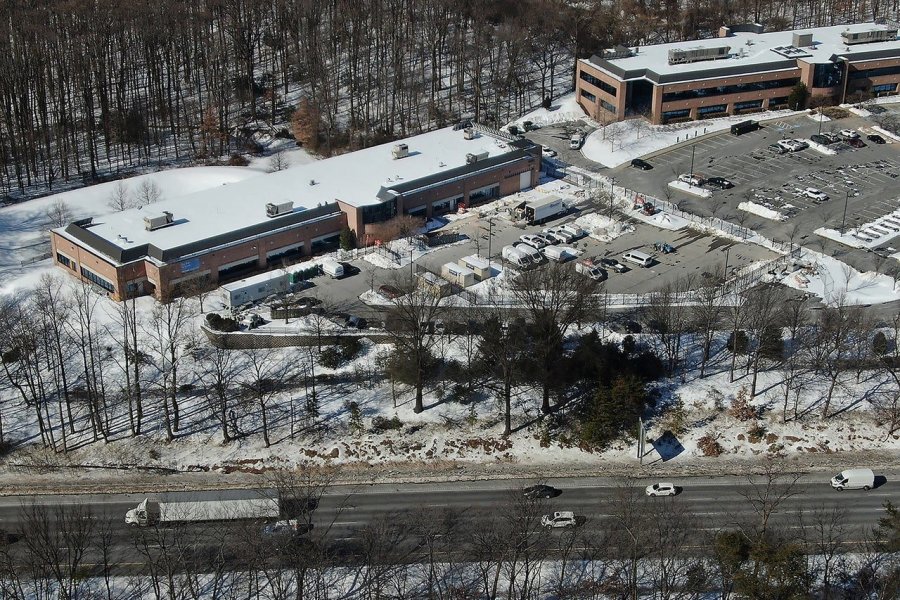
New Court Ruling Greenlights Giant Texas Detention Camps as Border Enforcement Moves Deep Into the US A recent ruling from the 5th U.S. Circuit Court of Appeals has fundamentally shifted the legal landscape for millions of immigrants across the United States. In a split 2–1 decision, the court endorsed a radical reinterpretation of federal law by the Trump administration, effectively greenlighting a policy of mandatory detention without the possibility of bond for noncitizens—including those who have resided in the country for decades. This legal breakthrough centers on an audacious reading of a 1996 immigration statute. For nearly thirty years, the government and the judiciary distinguished between migrants "seeking admission" at the border and those already living within the U.S. interior. The new ruling effectively erases that line, arguing that anyone who entered without inspection is perpetually "seeking admission," making them subject to immediate and indefinite jailing. By securing this judicial blessing in Texas, Louisiana, and Mississippi, the administration has cleared a major hurdle for its broader mass deportation strategy. This plan relies heavily on "mega-warehouses"—massive, industrial-scale detention facilities designed to hold up to 10,000 people each. Legal experts suggest that by stripping detainees of bond eligibility, the government aims to fill these high-capacity sites and use the threat of prolonged confinement to pressure individuals into "self-deporting." The decision comes amid a surge of legal challenges, with federal courts nationwide previously rejecting this interpretation. However, the 5th Circuit’s endorsement provides the "legal muscle" necessary to expand operations. Critics warn that these facilities, often lacking the infrastructure for long-term human habitation, mark the beginning of a vast, opaque archipelago of detention camps that operate with minimal oversight. Key Takeaways Expanded Detention Powers: The ruling allows the government to detain noncitizens indefinitely without bond, even if they have lived in the U.S. for years. The "Border" is Everywhere: By redefining "seeking admission," the court effectively extends border-style enforcement rules to the entire interior of the United States. Infrastructure for Mass Deportation: The legal authority provided by this decision is designed to fill newly acquired "mega-warehouses" capable of holding tens of thousands of detainees. Adapted From Slate.com
-
There's plenty of places here that sell them & as mentioned, Lazada do also. Here's a shop, they have LINE too. https://www.musicarms.net/?s=Strings
-
I think that now Mr Cameroni is back with the girl of his dreams, a wedding may soon be on the horizon. So I suppose we should all head down to our local outfitters and get ourselves a top hat and tails for the big day. We’d better be quick, though — I imagine she’ll be off again soon. 😁👍🙂
-
Low value post removed @Ralf001
-
27 injured & 9 dead. https://www.sbs.com.au/news/article/british-columbia-shooting/ca2agz7xd
-
Troll post removed @Toby1947
-
Low value post removed
-
Comment on moderation removed @Boulderman 13. You will not publicly comment on moderation in an open forum. You will not comment on actions taken by individual moderators or on specific or general policies and issues. You will not post a negative emoticon in response to a public notice made by a moderator. You may send a private message to a moderator to discuss individual actions or you can email support (at) aseannow.com to discuss moderation policy and account suspensions.You will not block communication from moderators or Admin. Aggression, personal attacks, derogatory comments or any form of abuse toward moderators, Admin, or this forum in general will not be tolerated and will result in strict consequences. There is absolutely no excuse for abusive behavior.
-
Baiting & low value posts removed
-
Trapped in the Digital Dungeon: The Dark Rise of Southeast Asia’s High-Tech Slavery and Global Fraud The idyllic landscapes of Southeast Asia currently mask a grim reality: the rise of industrial-scale "scam compounds." These fortified complexes, often located in special economic zones in countries like Myanmar, Cambodia, and Laos, have become the headquarters for a global epidemic of cybercrime. What began as a localized issue has exploded into a multi-billion-dollar shadow economy that thrives on human trafficking and sophisticated psychological manipulation. The operation relies on a dual-victim system. On one side are the captives—young, tech-savvy workers lured by promises of high-paying jobs in customer service or IT. Once they arrive, their passports are seized, and they are forced under threat of violence to perpetrate fraud. On the other side are the targets, often located in the West or China, who lose their life savings to "pig butchering" schemes—a method where scammers build long-term romantic or professional trust before persuading victims to invest in fraudulent cryptocurrency platforms. The scale of these operations is staggering, often involving luxury amenities within the compounds to keep the high-level managers comfortable, while the "grunts" face physical abuse if they fail to meet daily extortion quotas. Despite increasing international pressure and occasional raids, the industry remains resilient. The combination of weak local governance, corrupt officials, and the borderless nature of digital finance makes these syndicates incredibly difficult to dismantle. For now, the digital frontier remains a dangerous landscape where the line between the predator and the prey is tragically blurred. Key Takeaways Human Trafficking Crisis: Thousands of individuals are held against their will in high-security compounds and forced to conduct online fraud. The "Pig Butchering" Method: Scammers use long-term psychological grooming to drain victims' bank accounts through fake investment apps. A Borderless Threat: These criminal networks exploit regional instability and digital anonymity, making them a primary challenge for global law enforcement Adapted From AEON
-
How the Muppets Stayed Profitable Across Decades Through Smart Media, New Fans, and Changing Platforms For more than half a century, the Muppets have continued to be profitable and widely recognized, long after The Muppet Show first delighted TV audiences. What started as a unique puppet variety series has grown into a franchise with enduring cultural impact and commercial success. When creator Jim Henson struggled to find a U.S. network to pick up The Muppet Show, he took the show overseas for production. It quickly became a global phenomenon, attracting huge audiences, critical praise, and industry awards. The Muppets didn’t fade after the original series ended. Early feature films like The Muppet Movie became box-office hits and earned major award nominations, helping cement the characters in pop culture history. Later movies sustained interest and brought the characters to new generations. Ownership of the Muppet franchise shifted over the years, most notably when The Walt Disney Company acquired the property. Under Disney, the Muppets starred in major theatrical films, television specials, and streaming content, broadening their reach and keeping the franchise commercially relevant. Today, the Muppets appear across platforms — from streaming and film to live performances and merchandise. Their ability to evolve with media trends, engage existing fans, and attract younger viewers has kept them both visible and profitable. Key Takeaways: The Muppets transformed from a television variety show into a long-lasting franchise that still generates revenue decades later. Strategic films, corporate partnerships, and new content have helped the characters remain culturally significant and commercially successful. Adaptation to modern media formats has enabled the Muppets to connect with both longtime fans and new audiences. Adapted From The Conversation

-
Is Skipping Underwear Actually Better for Your Body? Doctors Reveal the Real Pros and Risks Going without underwear, often called “going commando,” has long been a personal comfort choice. Recently, health experts have been weighing in on whether skipping underwear offers real benefits or hidden downsides. While there is no single rule that applies to everyone, doctors agree that context, hygiene, and clothing choices matter more than the habit itself. One potential benefit of going commando is improved airflow. Underwear can trap heat and moisture, particularly when made from synthetic or tight-fitting fabrics. Allowing the skin to breathe may help reduce irritation, sweating, and the conditions that allow certain fungal infections to thrive. For people prone to chafing or sensitivity, less fabric can sometimes mean less friction. For men, temperature regulation is often discussed. Testicles function best at slightly cooler temperatures than the rest of the body. Tight underwear can increase heat, and looser clothing — or no underwear at all — may support a cooler environment. However, experts caution that the impact on fertility or long-term health is modest and varies widely between individuals. There are also clear drawbacks. Underwear acts as a protective barrier, absorbing sweat and natural discharge and keeping outer clothing cleaner. Without it, rough fabrics like denim or synthetic blends can rub directly against sensitive skin, increasing the risk of irritation or discomfort. Hygiene becomes more important, as trousers and shorts may need to be washed more frequently. Doctors generally recommend wearing underwear during exercise, long periods of movement, or in situations where support and protection are needed. Ultimately, the healthiest choice depends on comfort, clothing material, activity level, and personal skin sensitivity. Key Takeaways: Going commando may improve airflow and reduce moisture buildup. Benefits vary by body type, clothing, and daily activity. Underwear still plays an important role in protection and hygiene. Adapted From The Guardian

-
Medtide https://medtide.com/meds/cardiovascular/blood-pressure-medication/alfuzosin-flotral-10-mg-30-tablets-box/
-
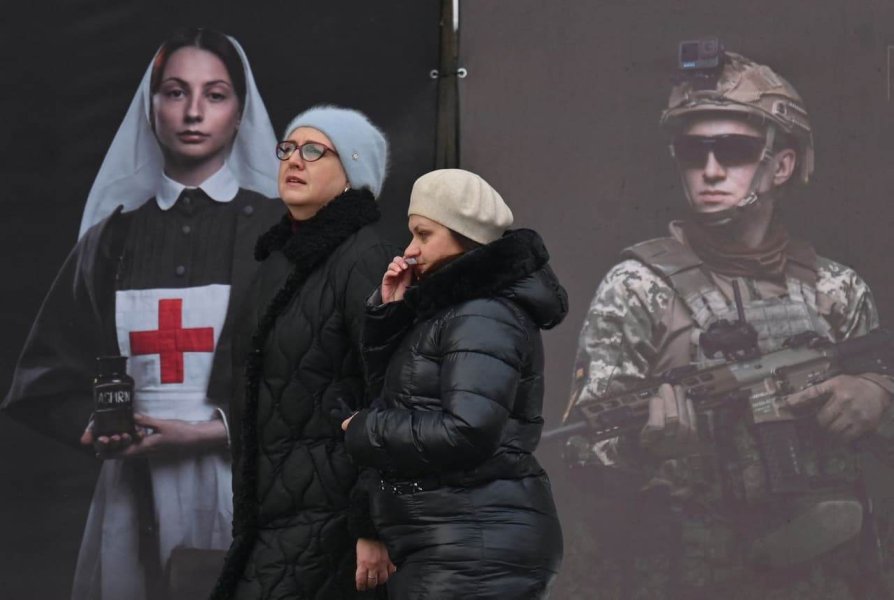
Russia’s attacks on Ukraine’s power grid are quietly triggering a nationwide health emergency this winter Russia’s sustained attacks on Ukraine’s energy infrastructure are causing far more than power outages. By repeatedly striking power plants, substations, and heating systems, these assaults have left millions of civilians exposed to prolonged cold, darkness, and instability — conditions that are now fueling a growing public health crisis across the country. Doctors and public health experts warn that extended exposure to cold indoor temperatures weakens the immune system, making people more vulnerable to respiratory infections, influenza, and other illnesses. Even individuals who are otherwise healthy or vaccinated face higher risks when heating is unreliable and sleep is disrupted by blackouts and stress. Chronic health conditions are also becoming harder to manage. Cold weather exacerbates heart and lung diseases, while power cuts interfere with essential medical devices such as oxygen machines and nebulizers. Hospitals and clinics must operate under extreme strain, while patients at home struggle to maintain consistent treatment. Food safety is another concern, as refrigeration failures increase the risk of spoilage and foodborne illness. The psychological impact is equally severe. Repeated outages, uncertainty about heating, and constant disruption to daily life are contributing to anxiety, fatigue, and reduced mental resilience. Families must constantly plan around power availability, adding to stress levels during an already traumatic wartime winter. As Russia continues to target Ukraine’s energy grid, the hidden consequences are becoming clearer. What begins as a blackout quickly turns into a cascade of health risks — physical, medical, and psychological — revealing how infrastructure attacks can quietly endanger civilian lives far beyond the battlefield. Key Takeaways Energy infrastructure attacks are exposing civilians to prolonged cold and instability. Power outages weaken immune systems and worsen chronic medical conditions. Disrupted electricity affects medical care, food safety, sleep, and mental health. Adapted From Kyiv Independent
-
I think this might be a fun watch. It’s got Mackenzie Crook and Michael Palin in it, and it’s on it the 🏴☠️ now. IMDbSmall Prophets (TV Series 2026– ) ⭐ 8.6 | Comedy, DramaSmall Prophets: With Michael Palin, Rhiannon Clements, Charlotte Mills, Mackenzie Crook. Eccentric Michael Sleep whose darling partner Clea disappeared seven years ago, sets out to create Homunculi -