



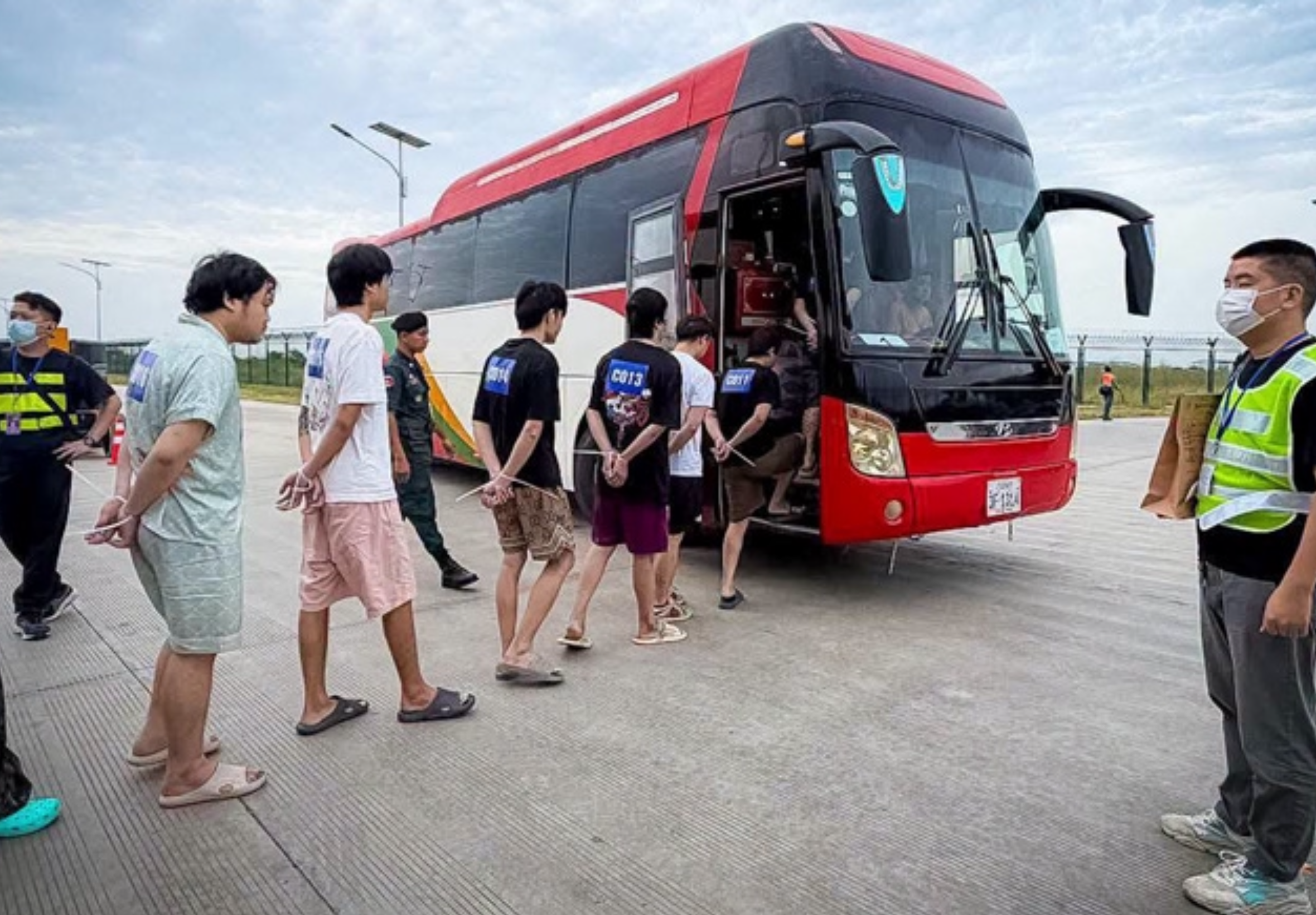

Cambodia deported 1,035 foreigners, including 104 women, representing 33 nationalities during the 10-day period beginning on 1 September, the country's General Department of Immigration said.
The group included 65 Thai nationals, 28 of them women, who were removed through the Poipet International Border Gate in Banteay Meanchey province. The operation underlines Cambodia's stated tougher approach to immigration breaches, false documents and suspected criminal activity.
The deportations were conducted under the direction of Deputy Prime Minister and Interior Minister Sar Sokha and senior ministry officials. Lieutenant General Sok Veasna, director-general of the General Department of Immigration, instructed the Department of Investigation and Procedure to continue deportation processing for foreign nationals found to be staying or operating illegally in Cambodia.
Multiple removal points.
All the Thais were removed through Poipet border crossing
Among those removed were 572 Chinese nationals, including 15 women, who were linked to online scams and deported on a special flight through the Techo International Airport Police Gate.
A further 86 Vietnamese nationals, including 28 women, were deported through the Trapeang Phlong International Border Gate in Tboung Khmum province.
Other foreign nationals accused of various offences were deported through Techo International Airport and Siem Reap-Angkor International Airport.
The nationalities listed by Cambodian immigration authorities were Chinese, Bangladeshi, Vietnamese, Indonesian, Thai, Cameroonian, Nigerian, Myanmar, Pakistani, Malagasy, Taiwanese, Burundian, Ghanaian, Ethiopian, Kenyan, Japanese, Tunisian, Liberian, Sri Lankan, Gambian, Lao, Indian, South African, Korean, Namibian, Togolese, Turkish, Polish, Russian, British, Angolan, German and Egyptian.
Documents, employment and scam allegations
Authorities said those deported had been involved in alleged illegal border crossings, document forgery, remaining in Cambodia without passports, extortion, fake visas and QR codes, drug trafficking and use, illegal employment and other criminal offences.
The operation is part of what authorities described as strict enforcement of legal measures and orders issued by Prime Minister Hun Manet. He has repeatedly said Cambodia will not permit criminals or illegal individuals to use the country as a base for online scams or other crimes threatening regional and global security.
Under Sokha's direction, Cambodian law-enforcement agencies have also intensified work against cybercrime, including investigating and dismantling criminal networks and rescuing victims of trafficking and online scams so they can safely return home.
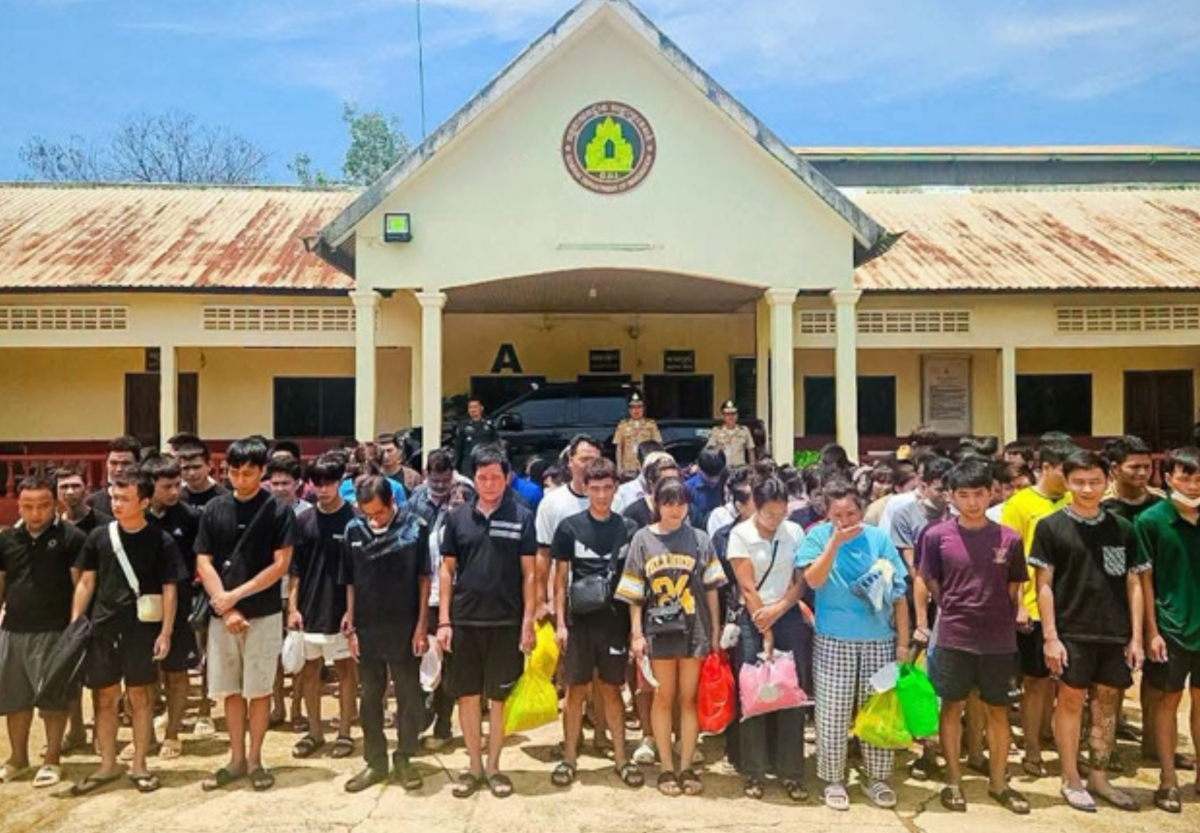
Picture courtesy of Khmer Times
Join the discussion? 

16 September 2026
Recommended Comments
Create an account or sign in to comment