



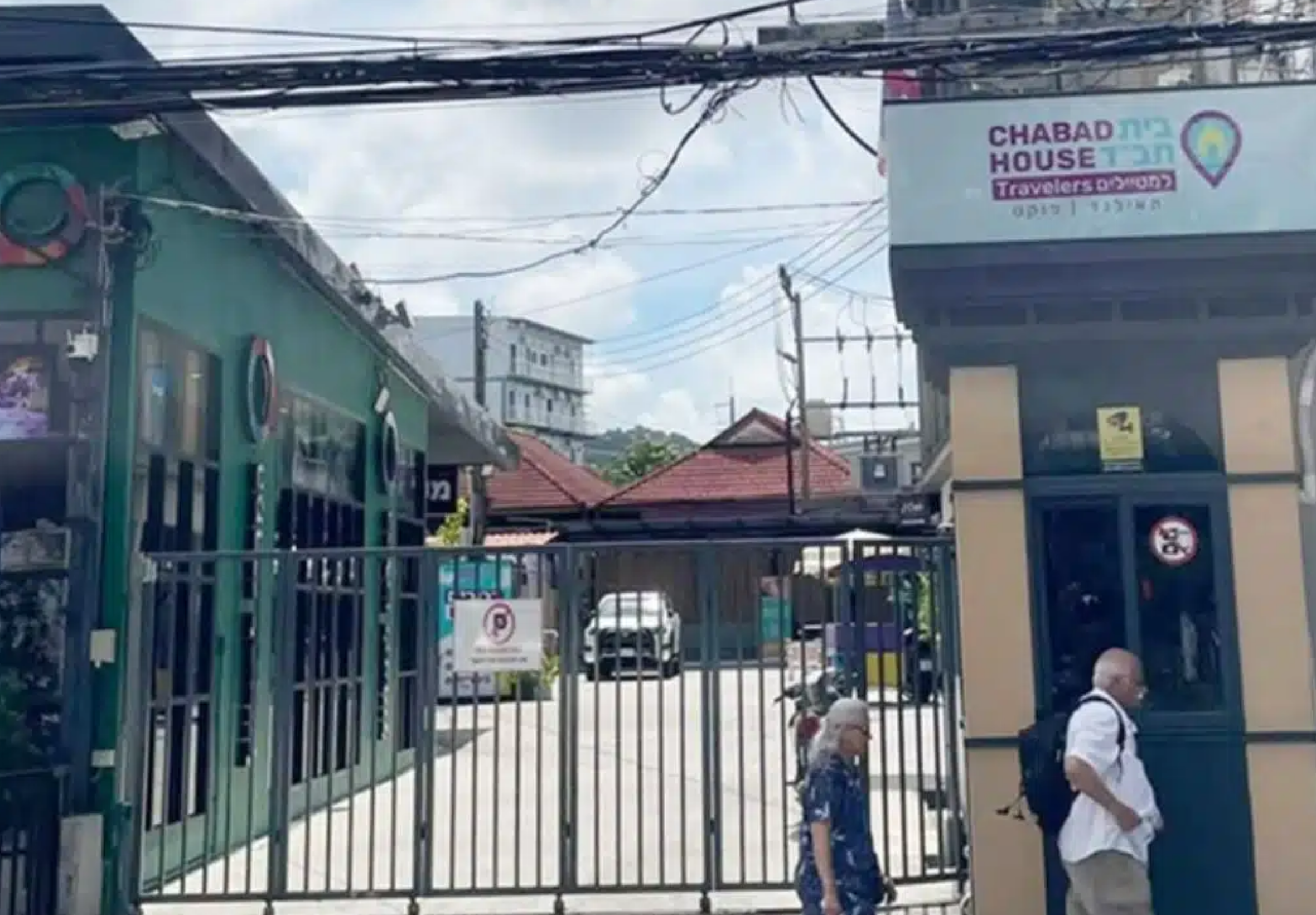

Phuket Governor Chotinarin Kerdsom has ordered a comprehensive investigation into Chabad Patong, with officials given seven days to examine its land, construction and commercial permissions.
The order follows government scrutiny of a company developing a foreign cemetery. Authorities found that the company's three shareholders or founders are Israeli-born Thai nationals who own the plot of land and may be linked to Chabad in Phuket.
Deputy Government Spokesperson Ploythale Laksmeesangchan announced the investigation on 15 September 2026, citing government policy and instructions from Deputy Interior Minister Phir Suwannachawee.
Land, buildings and business operations to be checked
The governor has told relevant agencies to carry out an in-depth review of all aspects of Chabad Patong. This will include the background to Thai nationalities, the ownership and acquisition of land, permits to use the land, building approvals and licences for commercial activity connected with trading inside Chabad.
Officials will also trace the ownership structure of Chabad Patong to establish whether any shareholders overlap with those in the Jewish cemetery company.
The province must complete the work within seven days and gather all relevant information, Ms Ploythale said. Any action will have to be taken under the law, and Phuket province will inform the public once the findings are available.
Chabad centres are Jewish community organisations that provide religious services, kosher meals, education and support to Jewish residents and visitors. The governor’s announcement does not confirm that Chabad Patong, its shareholders, or the cemetery company has committed any offence.
Foreign-held companies face tighter scrutiny
The case comes amid broader checks on foreign-linked businesses in Phuket, where overseas investment and tourism have created a large number of companies with foreign shareholders.
Official data show that Phuket has more than 32,000 registered legal entities. More than 11,000, or 34.59%, have foreign shareholding. The largest foreign shareholder groups are Russian, Chinese, British, French and Australian nationals.
Of 6,682 legal entities identified as being at risk of operating through nominee arrangements, authorities said there was sufficient evidence to bring 196 cases to prosecutors. Courts have issued judgments in nine cases, six are under consideration and 191 remain under investigation.
The tougher enforcement drive has led to a fall of more than 60% in registrations of legal entities with foreign shareholders, while registrations to dissolve legal entities have risen by about 30%, according to Ms Ploythale.

Picture courtesy of Thai Government
Join the discussion? 

16 September 2026
-
 1
1
-
 1
1
-
 1
1
-
 1
1
Recommended Comments
Create an account or sign in to comment