



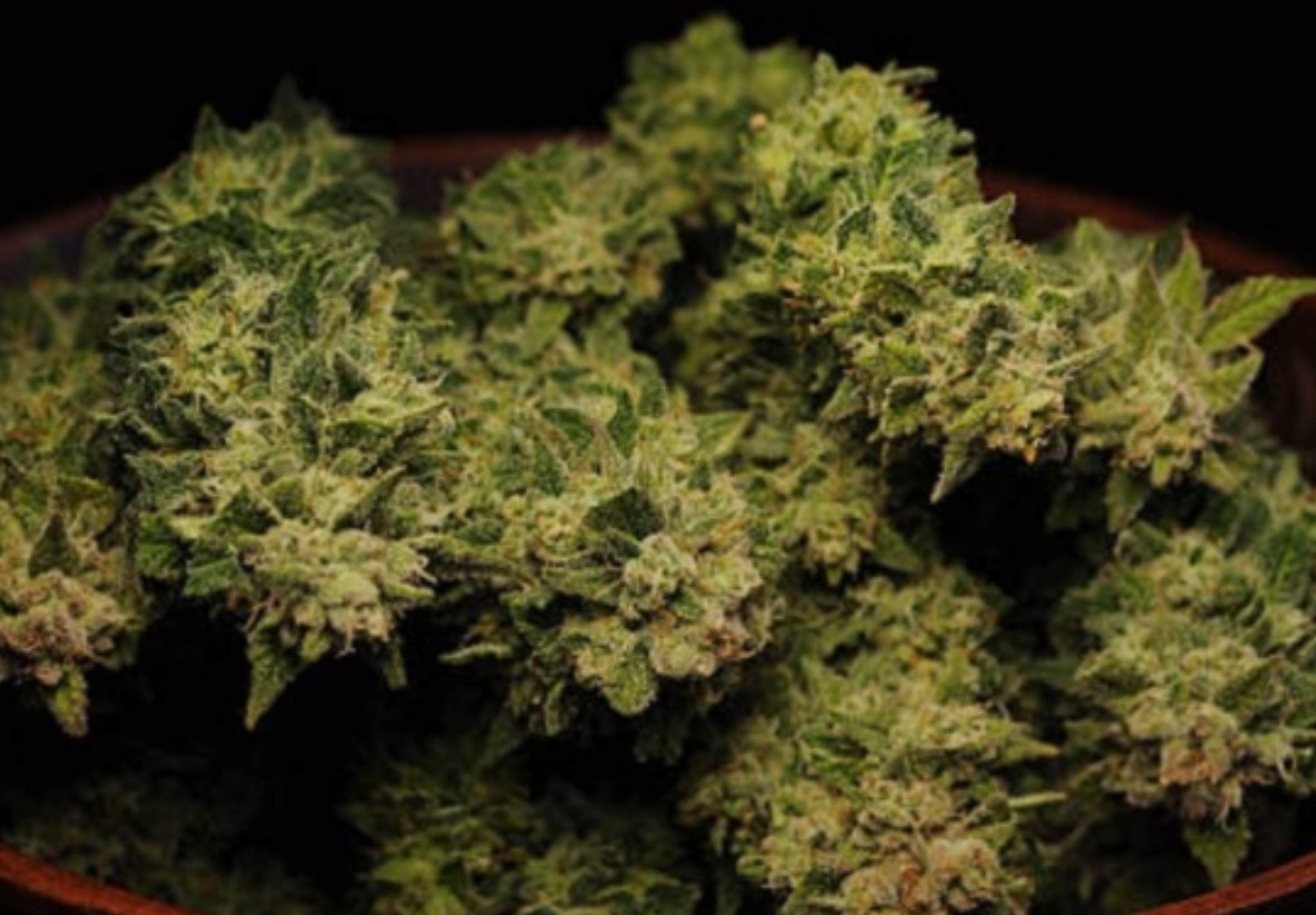

The Office of the Narcotics Control Board (ONCB) has reiterated that cannabis is not freely available in Thailand, stressing that cannabis sales are now subject to stricter controls under the Ministry of Public Health’s Controlled Herbal Products (Cannabis) Notification B.E. 2568 (2025). The agency warned that cannabis flowers may only be sold to members of the public who hold a valid medical prescription issued by an authorised healthcare professional, while illegal exports remain subject to severe penalties.
Get today's headlines by email 
ONCB Deputy Secretary-General and spokesperson Areepak Ngernbumrung said the Ministry of Public Health remains the primary regulator of cannabis, but the ONCB continues to monitor its use, issue public warnings and protect communities, particularly children and young people, from inappropriate cannabis use. The announcement follows tighter government efforts to strengthen oversight of cannabis products and prevent misuse.
Under the latest regulations, anyone wishing to study, research, export, sell or commercially process cannabis flowers must first obtain a licence under Section 46 of the Protection and Promotion of Thai Traditional Medicine Knowledge Act. Licensed operators must maintain records of product sources, intended use and stock levels, and report them to the registrar. Cannabis flowers may only be sold or exported if they originate from cultivation sites certified under Good Agricultural Practices (GAP) by the Department of Thai Traditional and Alternative Medicine.
Export licence holders must notify authorities before every commercial shipment. Licensed businesses may only sell cannabis flowers to other licensed operators, except when supplying members of the public who possess a medical prescription issued by an authorised practitioner, including doctors, Thai traditional medicine practitioners, folk healers, pharmacists or dentists. Prescriptions may cover treatment for a maximum of 30 days.
The notification also prohibits businesses from selling cannabis for smoking on their premises, except where administered as part of medical treatment by authorised practitioners. Sales through vending machines, online platforms or computer networks are banned, as is all advertising. Cannabis flowers may not be sold in temples or religious venues, registered dormitories, public parks, zoos or amusement parks.
Areepak warned that anyone illegally selling, processing or exporting cannabis flowers, including supplying people without a valid prescription, risks prosecution under Section 78 of the Protection and Promotion of Thai Traditional Medicine Knowledge Act B.E. 2542 (1999). Offenders face up to one year in prison, a fine of up to 20,000 baht, or both.
She also highlighted penalties for smuggling cannabis out of Thailand without customs clearance or attempting to evade inspection. Offenders face up to 10 years’ imprisonment, a fine of four times the value of the goods including duties, or both, with the cannabis confiscated. Since 17 June 2026, the Customs Department has also imposed an additional administrative penalty of 30,000 baht per kilogram of seized cannabis.
Amarin reported that the ONCB further reminded travellers that while Thailand permits cannabis use under specific medical and health regulations, many countries still classify cannabis as a serious narcotic. The agency urged travellers to comply with the laws of their destination countries and encouraged the public to report suspected illegal cannabis sales or drug activity through the ONCB’s 24-hour hotline on 1386, with all reports treated confidentially.
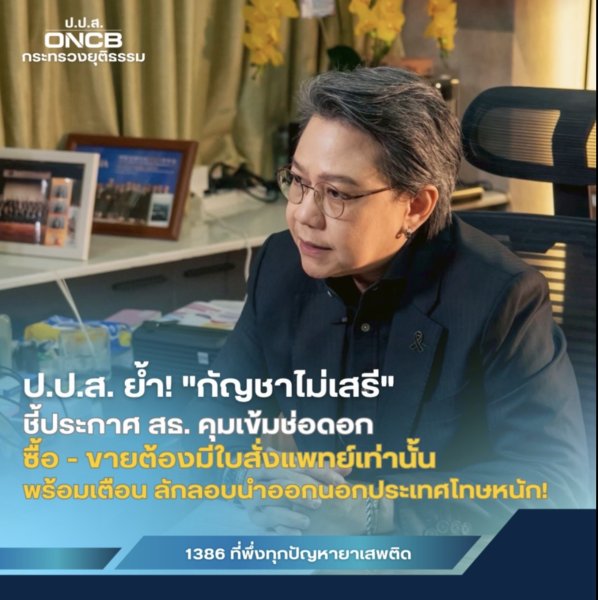
Picture courtesy of Amarin
Join the discussion? 

12 July 2026
-
 1
1
-
 1
1
-
 4
4
Recommended Comments
Create an account or sign in to comment