



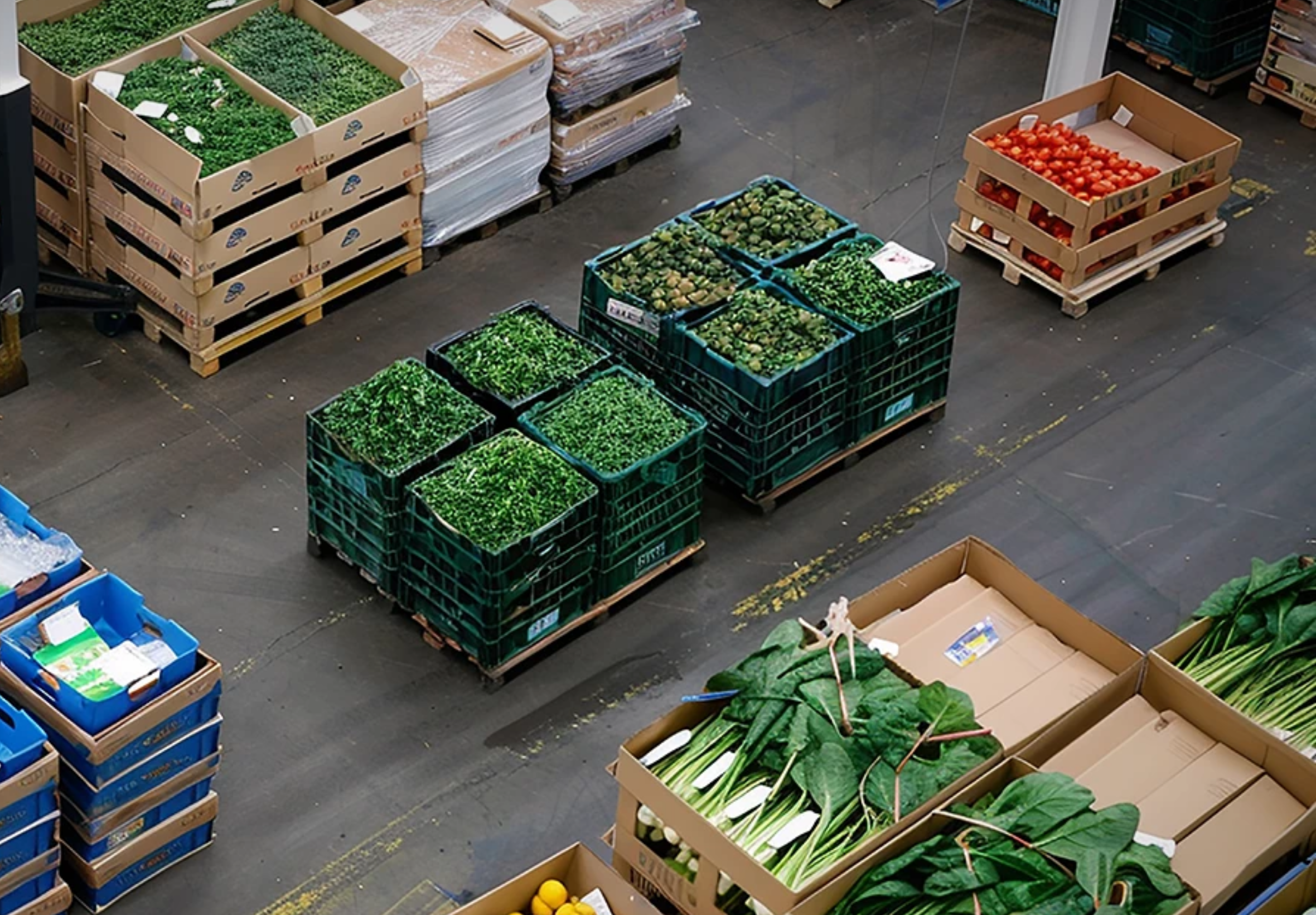

Thai food exports fell by 10.5% in the first two months of 2026, with further declines expected as the Middle East war begins to disrupt global trade routes from March. Exports were valued at THB202.1 billion, reflecting weak global demand, rising costs and growing trade restrictions. The conflict is expected to severely affect shipments through the Strait of Hormuz, a key route for goods դեպի Gulf markets.
Get today's headlines by email 
Wisit Limluecha, Vice Chairman of the Thai Chamber of Commerce and Chairman of the Processed Food and Future Food Committee, said on March 31, 2026 that exports would continue to contract in the first quarter. Factors include uncertainty over US tariff policy, a stronger baht and Indonesia’s suspension of staple food imports such as rice, corn and sugar. Indonesia’s move alone significantly reduced Thai export volumes.
Additional pressures came from falling agricultural prices and the Thai-Cambodian border conflict, which cut exports to Cambodia by more than THB5 billion per month, or about 5% of total food export value. Key markets including CLMV, ASEAN-5, the United States, the Middle East and Japan all recorded declines. However, South Asia, the European Union, the Commonwealth of Independent States and China showed growth.
The Middle East war is forecast to have the most severe regional impact, with exports to the region expected to contract by 50.7% in 2026. Products heavily reliant on that market, including canned tuna (17.4%), rice (13.3%), prepared sweetcorn (12.4%) and canned pineapple (11.5%), are likely to be hardest hit. Goods with lower dependence, such as chicken, instant noodles and coconut beverages, will face less disruption.
Indirect effects are also significant, with rising energy prices expected to increase costs across the supply chain, from fertilisers and raw materials to transport and packaging. Paiyada Hanchaisuksakul, Director of the National Food Institute, said future food exports remain a growing segment, rising from THB79.525 billion in 2020 to THB134.468 billion in 2025. However, growth remains uneven, with heavy reliance on Health and Wellness Food, which accounts for 90.3% of the segment.
In 2025, Thailand’s total food exports stood at THB1.510066 trillion, down 8.1%, while the country ranked as the world’s 15th largest food exporter with a 2.14% market share. Global food trade, by contrast, grew 5.1% to US$2.146 trillion. Export markets have diversified over the past two decades, with regional and emerging markets now accounting for 70% of total exports.
For 2026, Thai food exports are projected to fall 7.3% to THB1.4 trillion, with a sharp contraction of 17.7% expected in the second quarter before gradual recovery later in the year. March is expected to mark the start of direct disruption from the Middle East conflict, particularly through blocked shipping routes affecting Gulf Cooperation Council countries and re-exports from the UAE.
The Nation reported the despite the downturn, opportunities remain from a potential weakening of the baht and rising global demand linked to food security concerns. Markets such as South Asia and the European Union are expected to grow by 35% and 15.9% respectively, offering some offset to losses elsewhere.

Pictures courtesy of The Nation
Join the discussion? 
Already a member? 
 Adapted by ASEAN Now Nation 1 Apr 2026
Recommended Comments
Create an account or sign in to comment