



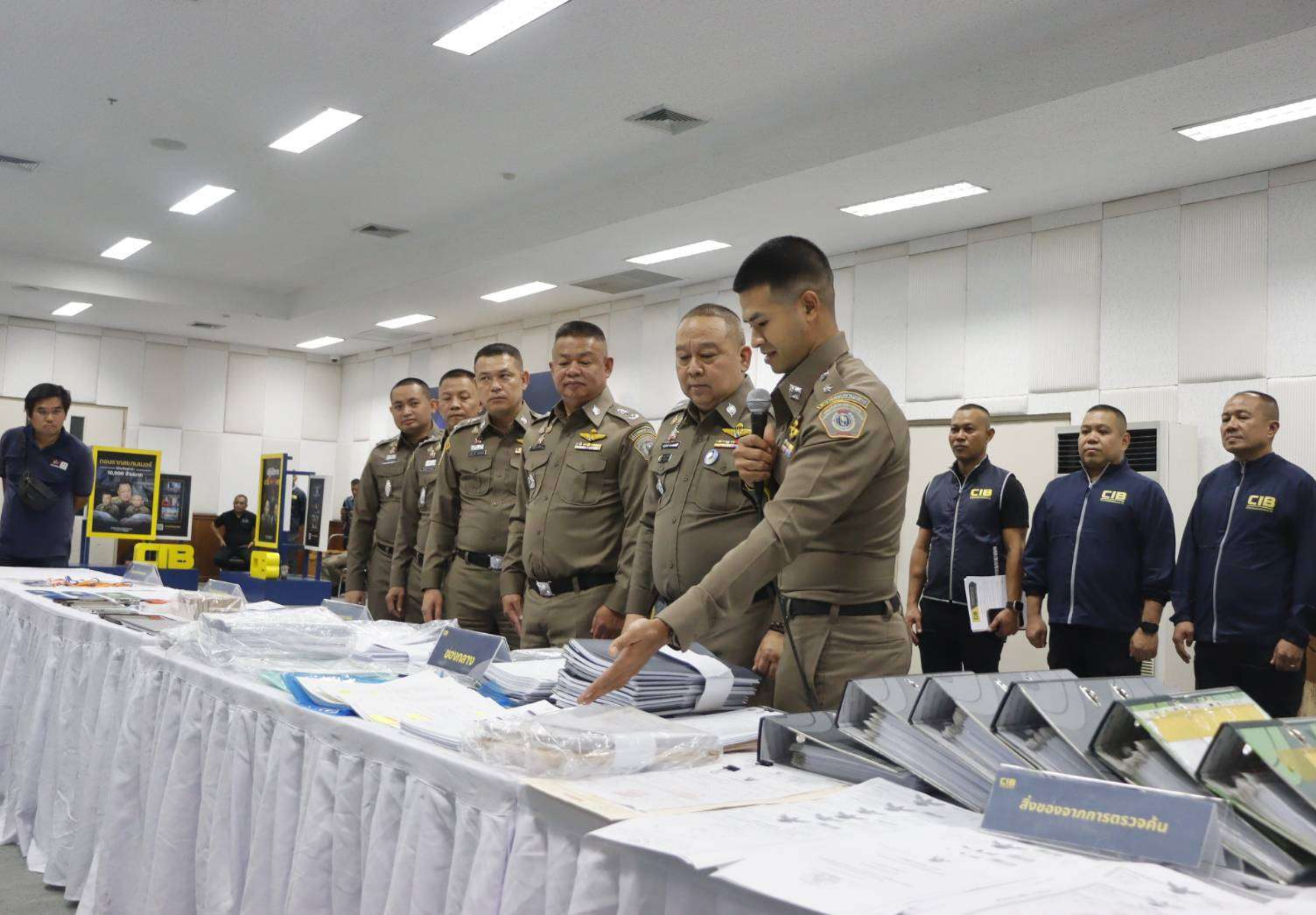

Thai police have raided 20 locations in an alleged nominee-property network said to have acquired 33 luxury homes worth more than 1.275 billion baht for a Chinese national.
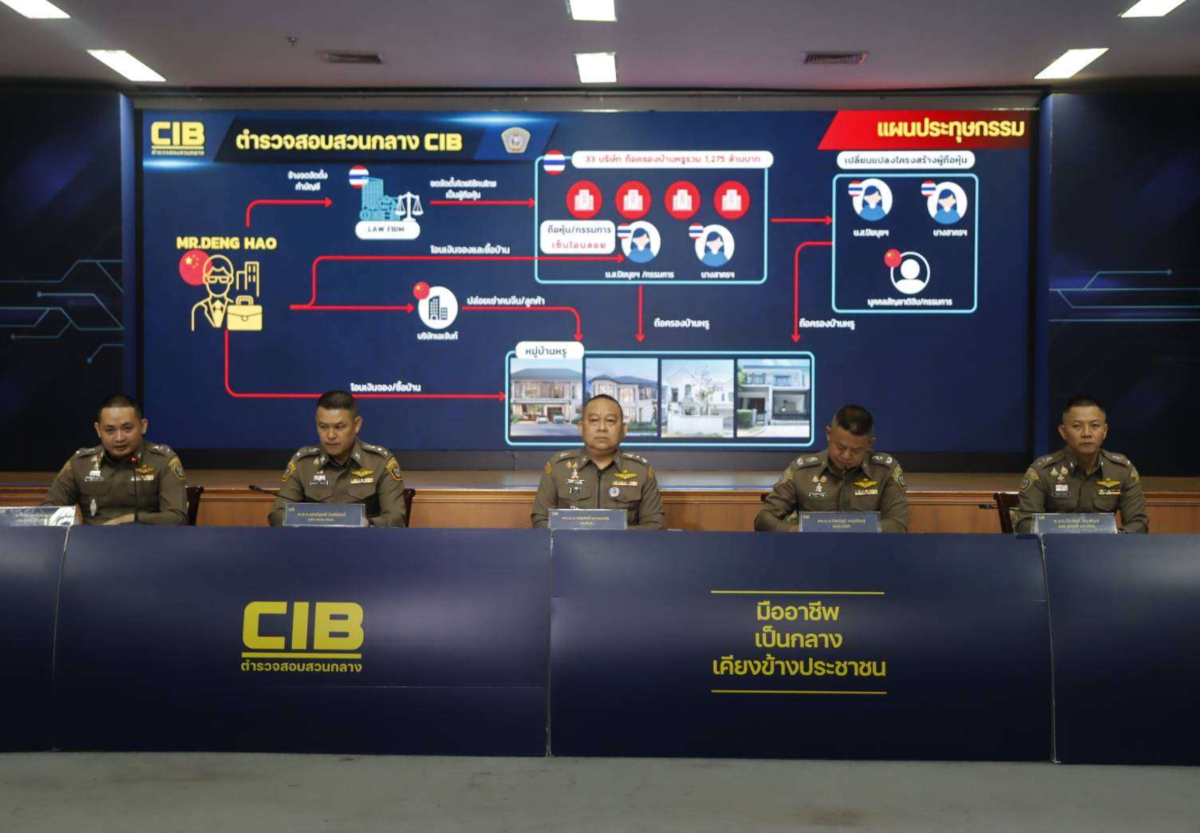
The Economic Crime Suppression Division (ECD) said the homes were held through 33 Thai companies, with Thai nationals named as shareholders and directors. The properties were in high-end estates around Pattanakarn Road and Krungthep Kreetha Road in Bangkok.
Police announced the results of the operation on 22 July. The briefing was led by Pol Lt Gen Nattasak Chaowanasai, commissioner of the Central Investigation Bureau, alongside ECD commander Pol Maj Gen Thatphum Charupratcha and other officers.
Companies allegedly used Thai nominees
The investigation began after the Department of Business Development provided information to the ECD. Police also received complaints from local residents, who said large numbers of Chinese nationals were living in luxury housing estates and causing problems for neighbours.
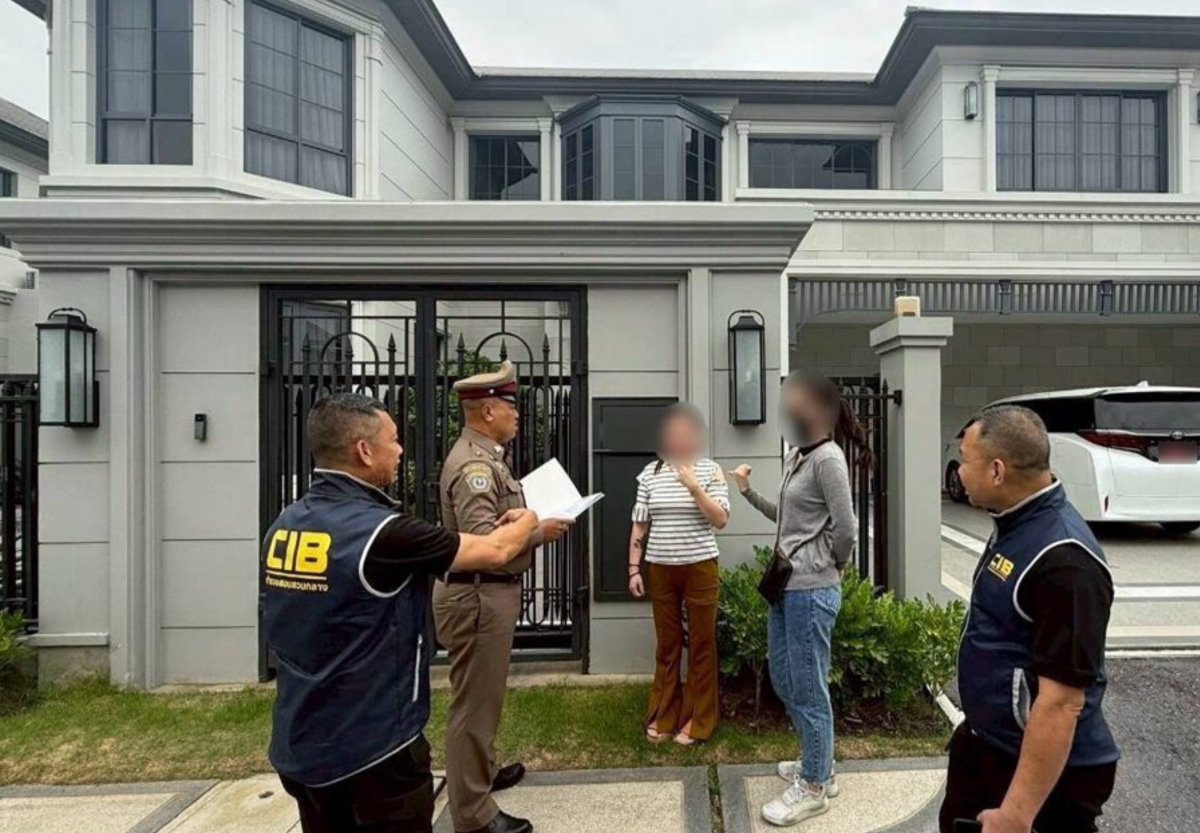
Investigators allege that Thai national, Piyanuch and her mother, Sakorn, were listed as shareholders and directors in companies which concealed the real ownership of the homes. Police identified Chinese national Mr Hao Deng as the alleged person directing the operation and providing all of its funding.
According to Pol Maj Gen Thatphum, the group operated in three ways. Two homes were bought first through nominee companies; three were allegedly set up for Chinese buyers to take control of the shareholder structure after a buyer was found; and 28 were purchased through nominee firms before being rented out or sold via Chinese agencies.
Officers also found 30 pre-signed share-transfer documents bearing the names of Piyanuch and Sakorn. Police said the documents were intended to allow shareholder changes at Mr Deng's instruction, indicating the two women had acted only as nameholders.
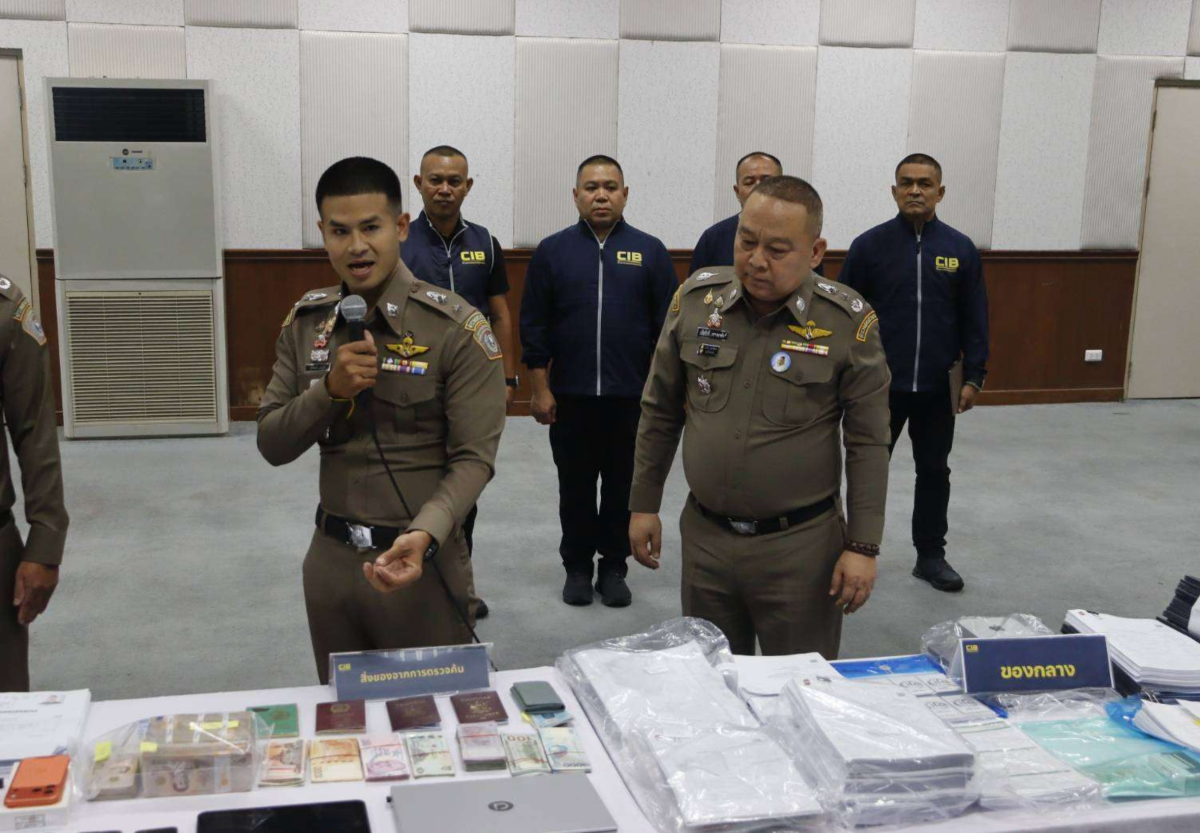
Deeds, passports and cash seized
Among the items seized were three land title deeds, 30 sets of sale contracts and ownership documents, 15 passports of several nationalities, 13 electronic devices, and Thai and foreign banknotes worth about 1.4 million baht.
Police also took 24 sets of company and financial records, as well as six company stamps.
Investigators have initially brought allegations under the Foreign Business Act 1999, concerning the use of Thai nationals as nominee shareholders, as well as offences under the Land Code. The findings will be sent to the Land Department for action concerning disposal of the land and buildings.
Police said they will continue investigating Thai and foreign participants allegedly linked to the network.
Pictures courtesy of Thaitabloid
Join the discussion?  Discussiongroup hosting

23 July 2026
-
 1
1
-
 1
1
Recommended Comments
Create an account or sign in to comment