



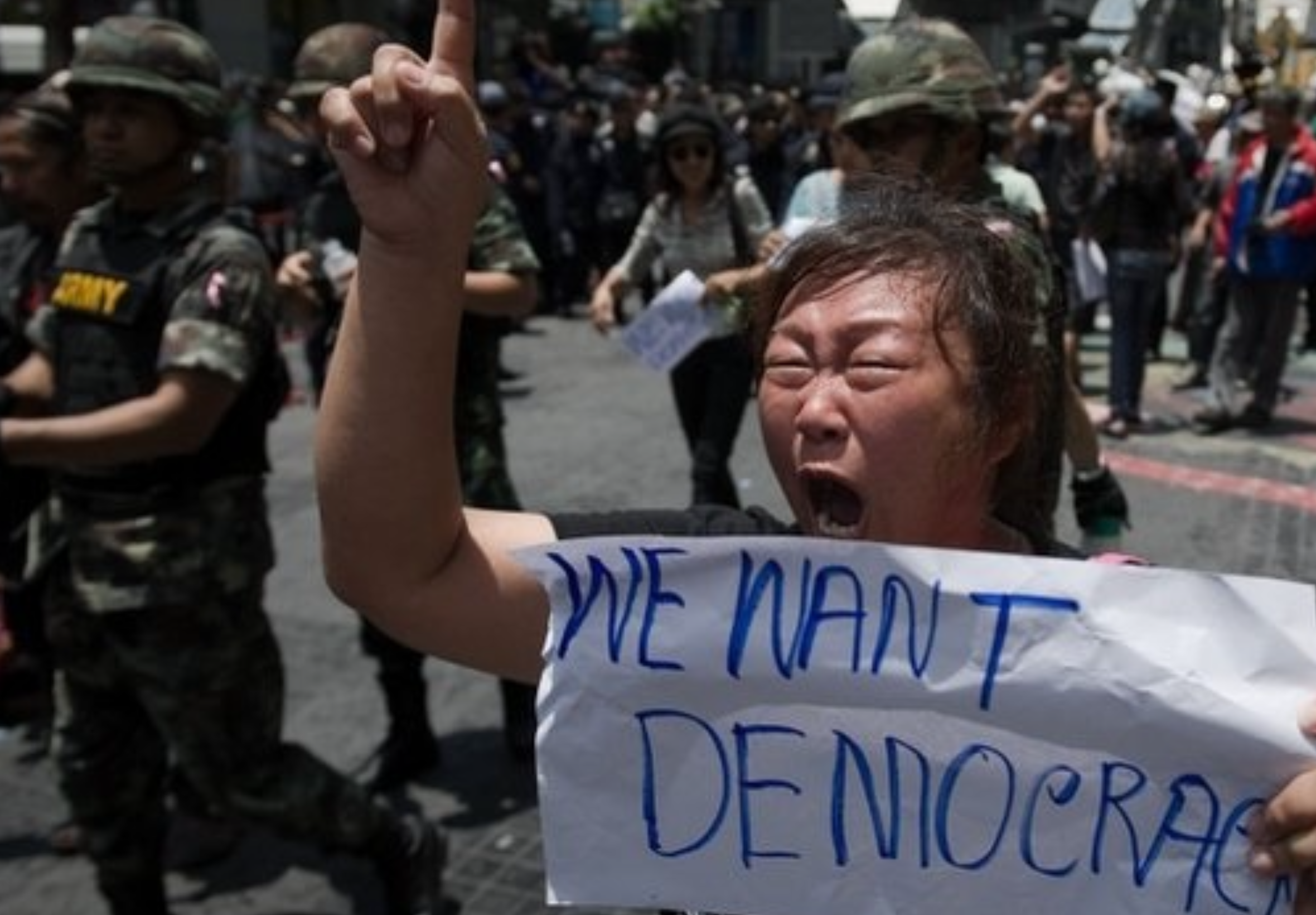

Former Future Forward Party leader Thanathorn Juangroongruangkit has used the 20th anniversary of the September 19, 2006 coup to argue that Thailand's political upheaval has contributed to weaker economic growth than regional neighbours.
Speaking at a Bangkok seminar on September 19, the head of the Progressive Movement called for military land, facilities and other assets to be redirected towards public and commercial use.
Two decades of political disruption
The seminar, organised by the House Standing Committee on Military Affairs at Bangkok Art and Culture Centre, was titled "Unfamiliar Memories: Wounds of the Coup and the Vanishing Justice Process".
Thanathorn said the Council for Democratic Reform under Constitutional Monarchy gave four reasons for removing the elected caretaker government of Prime Minister Thaksin Shinawatra in 2006. However, he said historical evidence indicated an underlying aim of creating mechanisms that placed elected governments under the judiciary and independent agencies.
Thailand has since had three constitutions and 10 prime ministers, with five removed through Constitutional Court rulings. Nine major political parties have been dissolved, two elections declared void, and another coup took place in 2014.
Growth behind neighbouring countries
Thailand's average annual GDP growth over the past 20 years was 2.6%, compared with a global average of 3.3%, Thanathorn said.
He said Vietnam's economy had expanded by 300% since 2006, while Indonesia and the Philippines recorded growth of about 250%. Thailand, by comparison, grew by 162%.
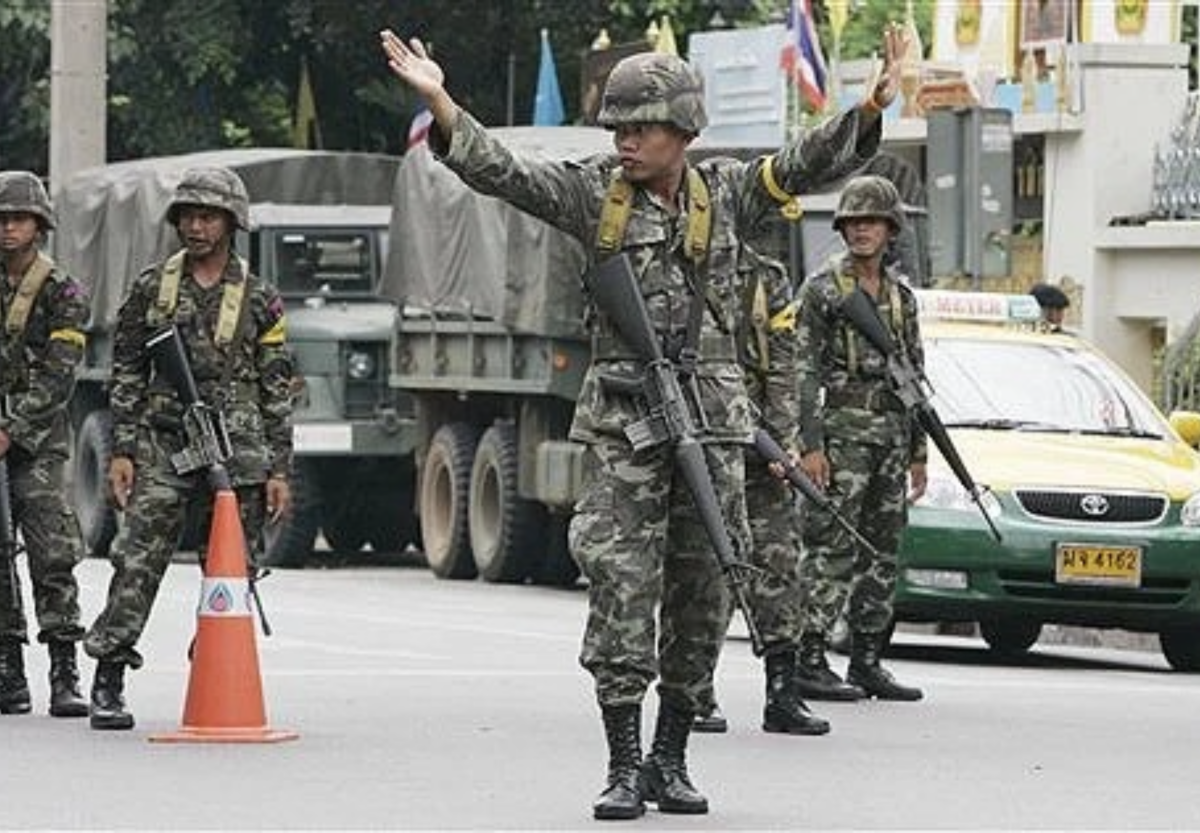
He also pointed to what he described as a bloated bureaucratic state, saying the number of government agencies rose from 166 to 225, personnel reached 3 million, and the budget increased to 3.8 trillion baht.
Interest payments are projected to account for 13.6% of government revenue by 2029, he said, potentially restricting future spending on education and welfare.
Plans to repurpose military assets
Thanathorn proposed a military focused on combat capability, technology-led economic contribution and democratic alignment. He said the armed forces hold 71 golf courses, 12 buildings and hotels, 196 radio stations and more than 5.8 million rai of land.
Among his examples was the army's Ram Inthra International Convention Hall, valued at 3.4 billion baht and abandoned for three years. He said this had led to more than 700 million baht in economic losses and land opportunity costs.
Transferring it to the Treasury Department for an auction of private management rights aimed at the MICE industry could generate 3 billion baht in state rental income over 20 years and create tens of billions of baht in wider economic circulation, he said.
He also backed People’s Party Pathum Thani MP Chetawan Teuaprakon's proposal to turn the air force's Thupatemi Golf Course into a major public park for more than 300,000 residents. Plans include developing the Phahonyothin Road frontage into a transport hub linking the Red and Green Line systems.
Other proposals covered turning the navy's Sattahip electricity operation into a Smart Grid Sandbox, and acquiring AI-and-sensor Autonomous Defence Tower technology for border surveillance, wildfire and disaster monitoring. Thanathorn said an Offset Policy should require domestic software development.
He said that after three years working with military representatives on the House committee, he had found many personnel ready for change.

Pictures courtesy of TNR
Join the discussion? 

21 September 2026
Recommended Comments
Create an account or sign in to comment