



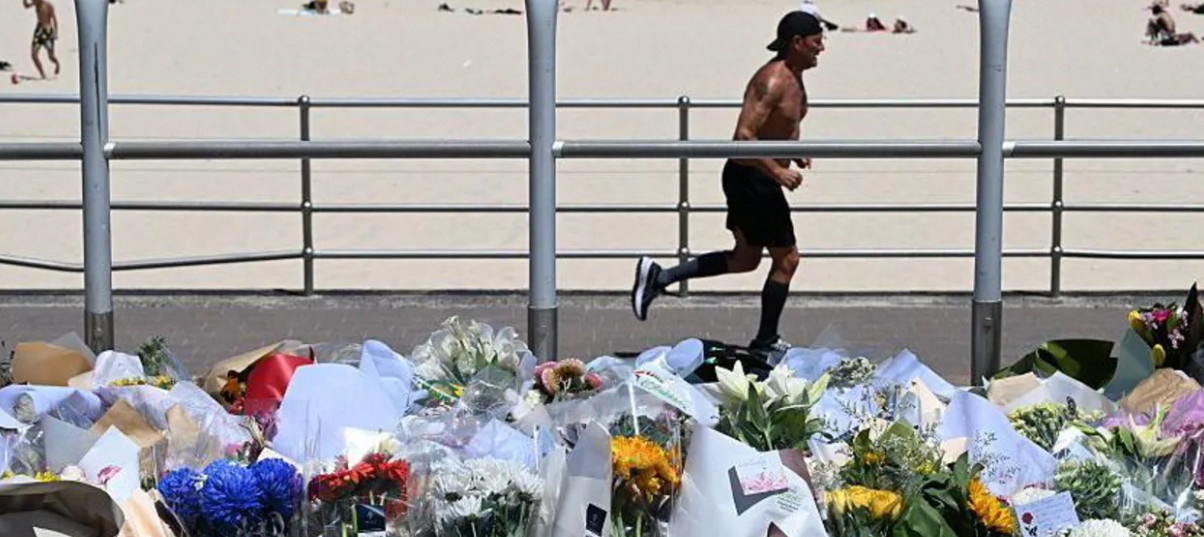

Australia has initiated a landmark royal commission into antisemitism following the devastating Bondi Beach shootings, which resulted in 15 deaths and 40 injuries. The public hearings aim to explore the prevalence and causes of antisemitism and make policy recommendations to the government.
Get the latest headlines in your email 
The commission is led by former High Court Justice Virginia Bell and began on Tuesday. It will investigate antisemitism and examine the events leading up to Australia’s worst mass shooting in decades.
Initially, Prime Minister Anthony Albanese was against a federal inquiry, expressing concerns about social cohesion. However, he later agreed due to mounting public pressure. Justice Bell has committed to conducting the inquiry swiftly, aiming to present an interim report by the end of April and a full report by the attack's first anniversary, December 14.
In her statement, Bell emphasized the importance of addressing antisemitism within the Australian community. The inquiry will hear from security agencies, intelligence services, and families of the victims and survivors.
The attack involved two gunmen. Sajid Akram, 50, was killed by police at the scene, while his son, Naveed Akram, 24, was critically injured and later charged with 59 offenses, including 15 counts of murder and one count of committing a terrorist attack. Naveed appeared in court last week.
To avoid interfering with ongoing legal proceedings, some hearings may be conducted privately. Originally, a review by a former spy chief was planned to evaluate federal law enforcement actions before the attack. This review, alongside the New South Wales inquiry, will now be integrated into the royal commission.
The fallout from the shootings has prompted Australia to implement stricter gun laws and measures to combat hate speech. Authorities have also been granted more power to control protests.
The commission represents a significant step in addressing the underlying issues of antisemitism within the country. It seeks to uncover the key drivers and propose solutions to prevent such tragedies in the future.
The findings from this inquiry are highly anticipated and expected to influence policy changes to better protect communities and enhance social cohesion.
Join the discussion? 
Already a member? 
 Adapted by ASEAN Now · Source · 23 Feb 2026