



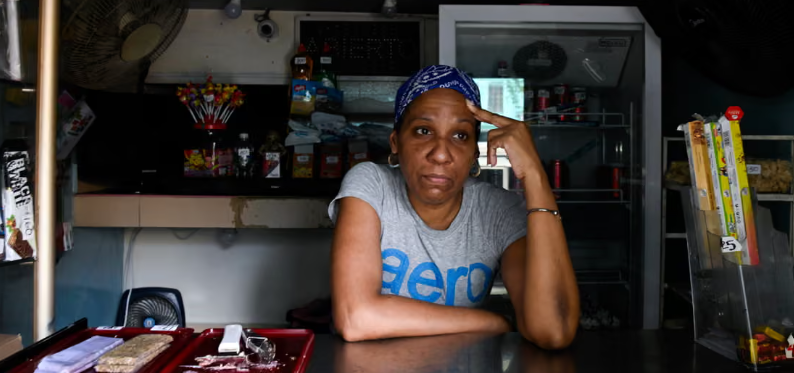

A massive power outage has plunged much of Cuba into darkness, leaving millions of people, including residents of Havana, without electricity as the island grapples with a deepening energy crisis worsened by dwindling oil supplies and pressure from the United States.
The outage on Wednesday affected most of western Cuba from Pinar del Río to Camagüey, leaving nearly 7 million people — about two-thirds of the population — without power, officials confirmed. The collapse of the National Electric System followed the unexpected shutdown of the Antonio Guiteras thermoelectric plant, one of the country’s largest power generators, after a boiler leak and fire triggered a cascading failure of the grid and a “domino effect” blackout. Government energy officials warned it could take up to 72 hours or more to restore full service.
Get the latest headlines in your email 
Strained grid and chronic outages
This outage is the second major blackout in Cuba’s western region in recent months and highlights long-standing fragilities in the island’s power network. Cuba’s electricity grid has suffered repeated failures in recent years due to aging infrastructure, insufficient maintenance and chronic fuel shortages, leaving frequent rolling blackouts part of daily life for many residents.
Even before this week’s outage, authorities warned of severe energy shortages, rationing services such as transportation and trash collection, and limiting jet fuel availability at several airports due to the deepening fuel crisis.
Oil supply crunch and U.S. pressure
The blackout has occurred against the backdrop of a broader energy squeeze. Cuba has long relied on imported oil — particularly from Venezuela — to fuel its electricity generation and transportation systems. However, Venezuelan oil shipments have ceased since late last year after a U.S. military operation and subsequent control of Venezuela’s exports, cutting off Havana’s primary source of fuel. Washington has also threatened tariffs on countries that supply oil to Cuba, prompting at least one alternate supplier, Mexico, to reduce deliveries.
Although the government emphasizes the technical cause of the latest blackout, analysts say the chronic scarcity of diesel and heavy fuel oil — essential for power plants and generators — has exacerbated an already fragile system. Fuel shortages have also disrupted public transport, forcing buses to suspend services in some areas.
Human impact and daily life
For ordinary Cubans, the blackout has transformed everyday life into a struggle. With transportation stalled, water pumps failing and refrigerators idle, people have been forced to adapt to extended periods without basic services. In Havana, some traffic lights and businesses depended on solar panels or backup generators to stay partly operational, but most homes remained in darkness.
“We trust in the experience and effort of the electrical workers to overcome this situation in the shortest possible time,” Prime Minister Manuel Marrero Cruz wrote on social media, as crews worked to restart power services.
Residents expressed frustration as public transport ground to a halt due to lack of fuel, leaving many, including elderly citizens and families with children, stranded or forced to seek rides by any means available.
Broader energy crisis
Energy analysts point to systemic challenges beyond the immediate blackout. Cuba’s grid struggles because supply frequently fails to match demand, and several thermal plants are offline due to breakdowns or maintenance needs. Solar and photovoltaic capacity, while growing, still cannot offset the deficits in thermal generation.
The broader fuel shortages have also impacted aviation, tourism and economic activity, with authorities warning of ongoing constraints until at least mid-March in some sectors. The loss of Venezuelan crude and threats to alternative suppliers have left the island confronting a potential “hour zero” of total fuel depletion unless new shipments arrive.
Join the discussion? 
Already a member? 
 Adapted by ASEAN Now · Source · 04.03 2026
-
 1
1