



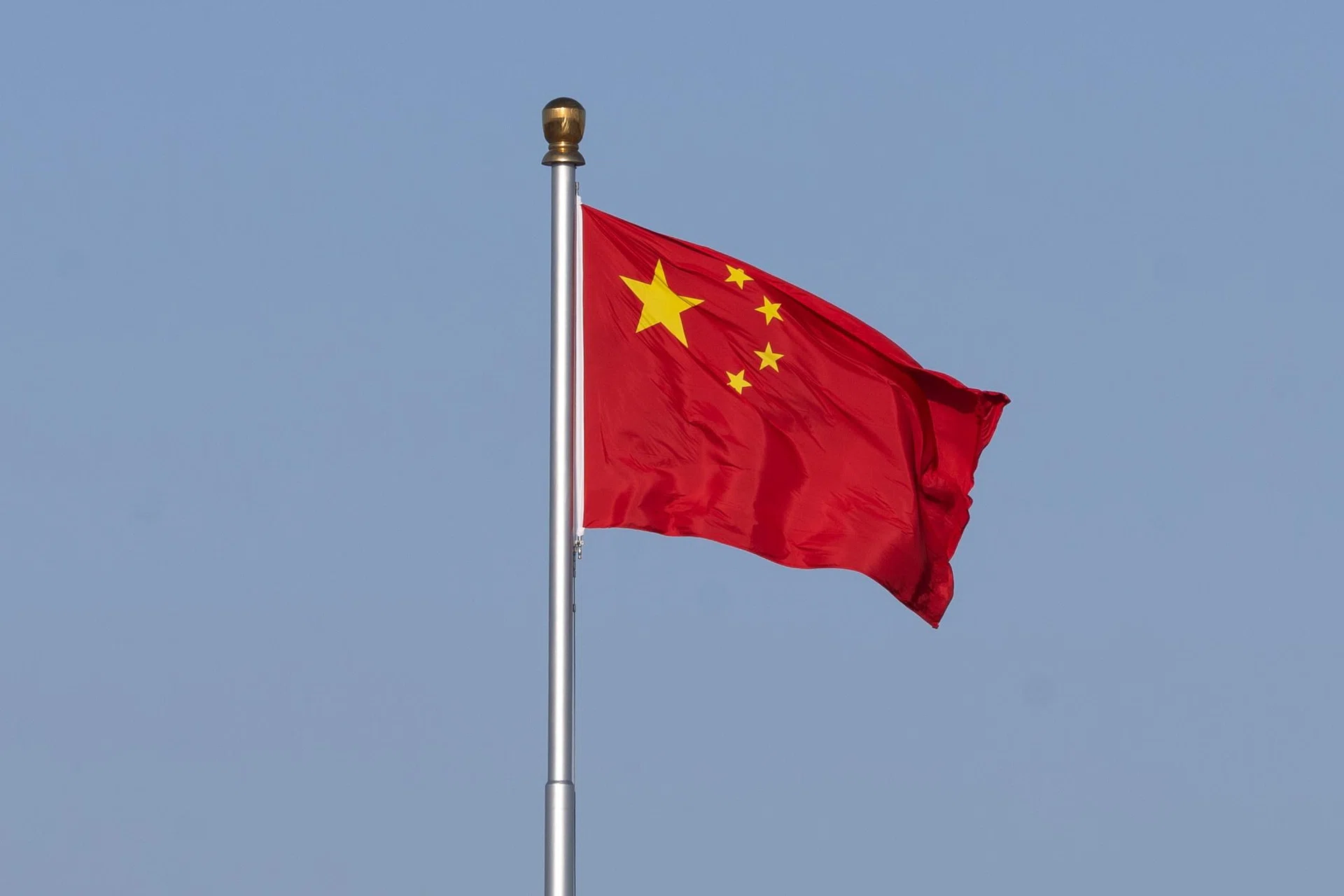

China’s ability to withstand a major energy shock is being tested as the war involving Iran disrupts oil shipments through one of the world’s most critical maritime routes. The conflict has effectively halted tanker traffic through the Strait of Hormuz, a key passage for global النفط flows, triggering shortages and driving up prices. Countries across Asia that rely heavily on Gulf energy supplies have been forced into emergency measures, highlighting the scale of disruption.
Get today's headlines by email 
Since strikes by the United States and Israel on Iran in late February, oil markets have been thrown into volatility. Prices have surged to near $120 per barrel at times, as attacks on infrastructure and shipping intensified.
Oil disruption shakes global markets
Roughly a fifth of the world’s oil passes through the Strait of Hormuz, making its disruption particularly significant. The shortage has forced countries to search for alternative suppliers or draw down strategic reserves.
The impact has been especially severe in parts of Asia. The Philippines has introduced shorter working weeks to reduce fuel consumption, while Indonesia is attempting to conserve limited reserves that could otherwise run out within weeks.
China’s exposure and reserves
As the world’s largest oil importer and second-largest consumer after the United States, China depends heavily on foreign crude to power its economy.
The country consumes an estimated 15 to 16 million barrels of oil per day, much of it used in transportation. A significant portion of these imports comes from Gulf producers, including Saudi Arabia and Iran.
Despite sanctions, Iran has remained a major supplier of discounted crude to China, with reports suggesting Beijing purchases a large share of Tehran’s exports.
However, China has spent years building up strategic reserves. Estimates suggest stockpiles could range from around 900 million to over 1 billion barrels, providing a buffer equivalent to several months of imports. In addition, tens of millions of barrels of Iranian oil are currently stored in tankers near the South China Sea.
Authorities have also reportedly taken steps to conserve supply, including limiting fuel exports to prioritise domestic needs.
Shift towards energy resilience
China’s longer-term strategy has focused on reducing dependence on imported fossil fuels. The country has rapidly expanded renewable energy, becoming a global leader in wind, solar and hydropower.
According to official data, more than a third of China’s electricity came from non-fossil sources in 2025, with clean energy capacity continuing to grow. Oil now accounts for only about a fifth of total energy consumption.
The rise of electric vehicles has further reduced reliance on oil. With EVs making up a substantial share of new car sales, some consumers are less exposed to fluctuations in global fuel prices.
Uncertain outlook
Analysts say China’s combination of large reserves and diversification into renewable energy has placed it in a stronger position than many of its regional neighbours.
However, continued disruption to global supply chains — particularly if the Strait of Hormuz remains closed — could still strain the system over time.
While Beijing appears better prepared than most, the unfolding crisis is likely to test the resilience of even the most robust energy strategies as the conflict continues.
Join the discussion? 
Already a member? 
 Adapted by ASEAN Now. Source 19 March 2026