



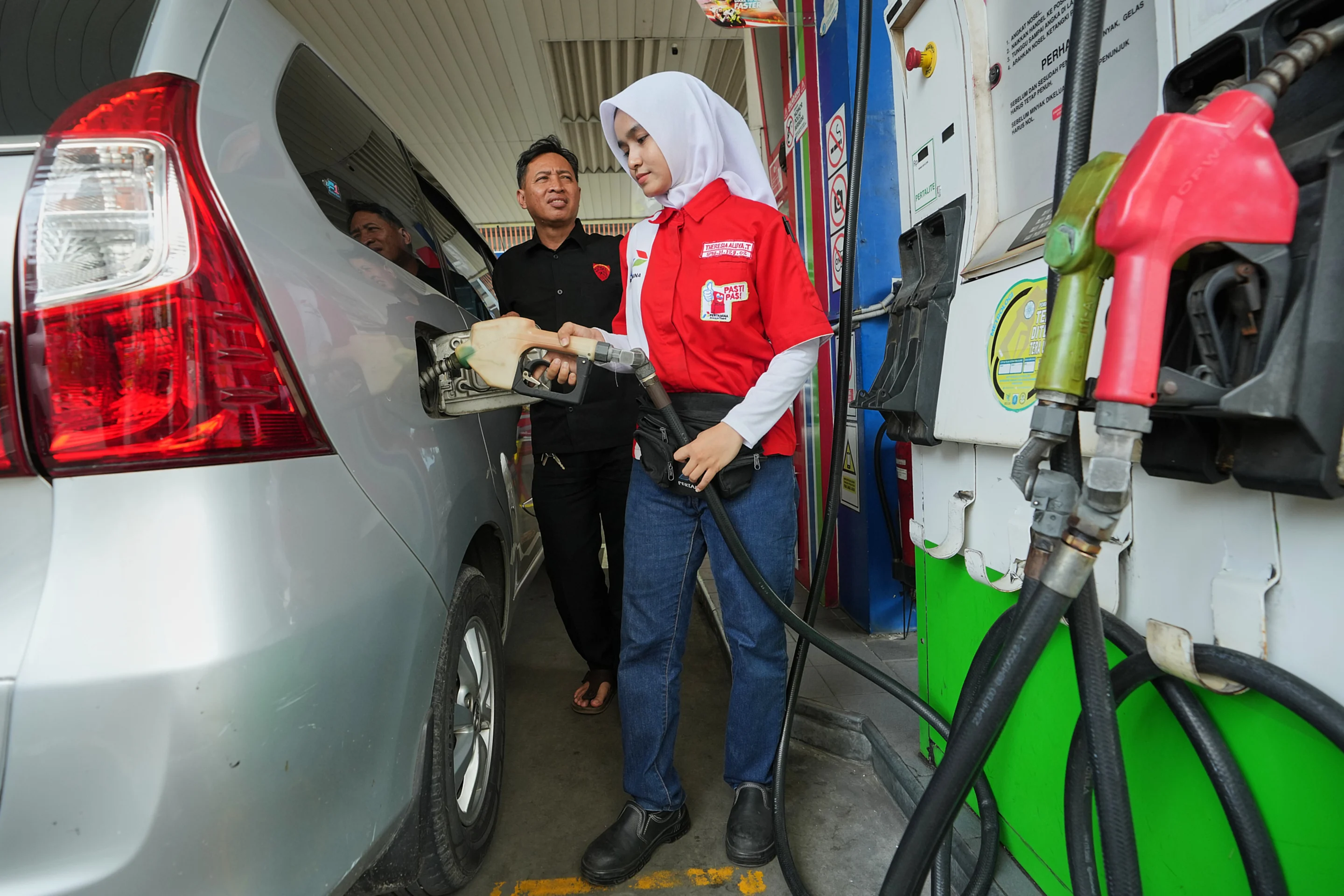

Asia faces growing risk as conflict threatens oil and LNG shipments through the Strait of Hormuz
War in the Persian Gulf is sending shockwaves through global energy markets, raising fears of a new supply crisis as oil and natural gas shipments face disruption. The conflict involving Iran, the United States and Israel is already pushing prices higher and threatening fuel supplies to Asia, which relies heavily on imports transported through one of the world’s most critical maritime routes.
Get the latest headlines in your email 
At the centre of concern is the Strait of Hormuz, the narrow waterway linking the Persian Gulf to the Gulf of Oman and global shipping routes. Roughly a fifth of the world’s oil and liquefied natural gas (LNG) shipments pass through the strait, making it one of the most strategically important chokepoints in the global energy system.
Energy consultancy Kpler estimates that about 13 million barrels of crude oil per day moved through the corridor in 2025. That represents nearly a third of all crude oil transported by sea worldwide. The strait also carries about 20% of global LNG exports, much of it destined for energy-hungry Asian economies.
War raises fears of supply disruption
Since the conflict escalated, concern over the safety of shipping in the region has intensified. Attacks on vessels and growing military activity have made insurers and shipping companies increasingly cautious, raising costs and increasing the risk of delays.
Even the possibility that the strait could be closed has unsettled markets. Analysts warn that any prolonged disruption would have immediate global consequences because there are few viable alternative routes for the enormous volume of fuel that passes through the waterway each day.
Oil prices have already surged. Brent crude, the international benchmark, has climbed about 15% since the war began, reaching roughly $84 per barrel — its highest level since mid-2024. Prices could rise further if hostilities escalate or if commercial shipping becomes significantly restricted.
The United States has said it may offer risk insurance to shipping companies and deploy naval forces to help protect vessels moving through the region, but uncertainty remains high.
Asia most exposed to the crisis
Asia is particularly vulnerable because many of its largest economies depend heavily on imported energy from the Middle East. Japan, South Korea and Taiwan rely on the region for a large share of their oil and gas supplies, while Southeast Asia’s growing economies are also exposed.
Japan imported around 2.34 million barrels of crude oil per day in January, according to its Ministry of Economy, Trade and Industry. Around 95% of those imports came from the Middle East. Japan is also one of the world’s largest importers of LNG, making uninterrupted shipping routes essential.
South Korea faces similar risks. The Korea International Trade Association estimates that roughly 70% of its crude oil imports and about 20% of its LNG supplies come from Middle Eastern producers.
Taiwan also imports nearly all of its natural gas and oil. While the island has attempted to diversify its energy sources, around one-third of its LNG supply still comes from Qatar.
Although Japan and South Korea maintain significant emergency energy reserves, analysts say these stockpiles can only act as temporary buffers. Industries that depend heavily on energy — such as Taiwan’s semiconductor sector — remain vulnerable if disruptions continue for an extended period.
Developing economies face price pressure
Developing countries across Southeast Asia face an additional challenge. When supplies tighten, wealthier nations can outbid poorer economies for available cargoes, leaving smaller markets struggling to secure fuel.
Similar dynamics were seen during the global energy shock triggered by Russia’s invasion of Ukraine in 2022, when competition for shipments drove prices sharply higher.
Governments across the region are already taking precautionary steps. In Singapore, officials have warned businesses and households to prepare for higher energy costs.
In the Philippines, authorities have restricted non-essential travel using government vehicles to reduce fuel consumption.
Thailand has urged citizens to conserve energy as fuel prices rise. Officials say domestic petroleum reserves could last up to 61 days while the country works to increase natural gas production from fields in the Gulf of Thailand and neighbouring Myanmar.
Rising costs ripple through economies
For workers who rely on fuel to earn a living, however, cutting consumption is not always possible. Taxi driver Sommit Sutar in the northern Thai city of Chiang Rai said rising gasoline prices are already affecting his livelihood.
“Gasoline was already expensive,” he said. “This war will make the problem even worse.”
Analysts say the biggest immediate threat may not be outright shortages but the ripple effects of rising prices. Higher fuel costs can push up transportation expenses, increase food prices and contribute to broader inflation across economies.
Energy experts say governments are now preparing for multiple scenarios — hoping the conflict does not further disrupt supplies, while bracing for the possibility that the crisis could deepen if fighting in the region continues.
Join the discussion? 
Already a member? 
 Adapted by ASEAN Now · Source · 05.03 2026