



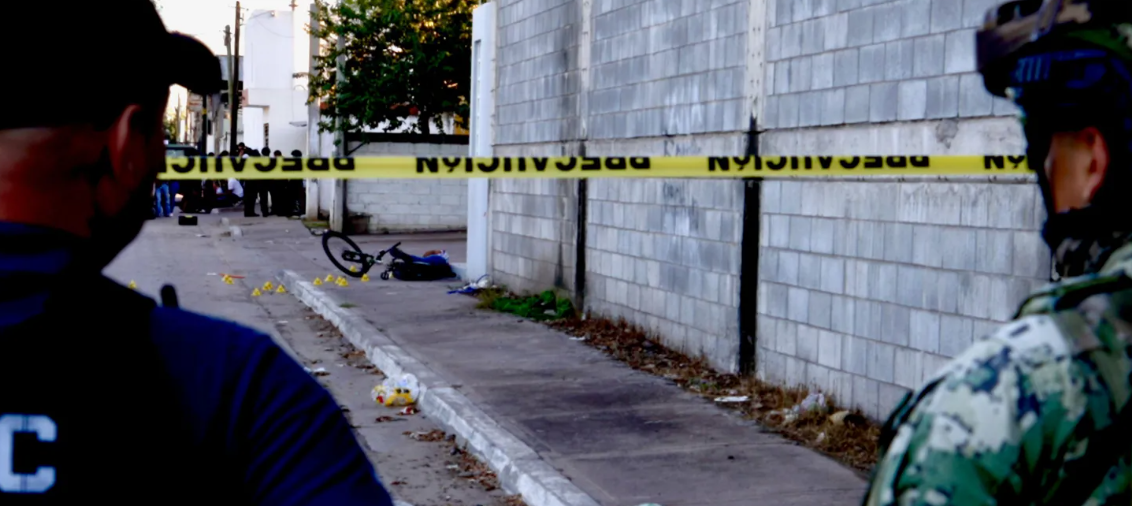

Mexico's President praised special forces for capturing notorious drug lord Nemesio Oseguera Cervantes, known as "El Mencho," who subsequently died in custody. Despite this, the vacuum left by his removal has intensified violence in cartel hotspots, particularly Culiacán, located in the northern state of Sinaloa.
Escalating Violence
Paramedics Héctor Torres and Julio César Vega frequently encounter scenes of violence and death as rival cartels battle for supremacy. Once a united front, the Sinaloa cartel is now fractured, leading to increased violence and instability as internal divisions escalate tensions.
In Culiacán, violence surged following the arrests of key figures like Ismael "El Mayo" Zambada. Frequent attacks have rippled across public spaces, including schools and hospitals, leaving the city in a perpetual state of fear and uncertainty. The cartel's involvement in the production and export of fentanyl, contributing to the U.S. opioid crisis, has further complicated the region's stability.
Get the latest headlines in your email 
Government and Military Response
In an effort to restore order, the Mexican government has deployed thousands of troops throughout the region. Despite the heightened military presence, violence has not subsided—kidnappings, torture, and heavily armed checkpoints remain common as officials struggle to curb the chaos.
The constant threat of violence presents a daunting challenge for law enforcement and military personnel alike, as they endeavor to re-establish control over a city gripped by terror.
Impact on Civilians
For the residents of Culiacán, the impact of cartel violence is both profound and personal. Families live in a state of perpetual anxiety, with many searching desperately for missing loved ones. Groups such as Mothers Fighting Back represent a community driven by desperation and hope, led by figures like Reynalda Pulido.
Pulido's own son disappeared without a trace in 2020, motivating her relentless pursuit of answers. This effort reflects the broader personal tragedies that unfold within the larger context of cartel conflict.
Inside the Cartel's Mindset
Interviews with cartel members reveal a ruthless and unyielding attitude toward the ongoing violence. Expressing little to no guilt over civilian casualties, some suggest the government step aside and allow warring factions to resolve their disputes.
These masked, armed leaders embody the belief that conflict will persist until only one faction remains dominant, reflecting a grim and bleak outlook on the future.
The Fentanyl Crisis
Despite increased efforts by the Mexican and U.S. governments to curb the illicit drug trade, cartels continue to produce and export fentanyl to the United States, leveraging high demand to sustain their operations.
Producers like "Román" openly assert that as long as there is a market for their products, they will continue to meet the demand, posing an ongoing challenge to authorities striving to disrupt these illegal networks.
Ongoing Struggles and Challenges
While claims of progress in reducing fentanyl exports to the U.S. persist, the perpetual internal power struggles within cartels perpetuate the cycle of conflict and violence. Acknowledging the formidable challenges posed, the Mexican President has reiterated the importance of safeguarding civilians while targeting the root causes of cartel rivalries.
Culiacán's residents continue to endure the atrocities and hardships of living in an area embroiled in conflict. The fear instilled by cartel activities not only claims lives but profoundly disrupts the everyday existence of those trapped within the turmoil.
The ongoing violence exemplifies a significant challenge to regional security, requiring sustained efforts and innovative strategies to manage and eventually alleviate the intensifying turmoil.
The complex and volatile landscape observed in Culiacán underscores the broader issues affecting the region and highlights the urgent need for cohesive strategies to address the systemic problems fueling the conflict. Community resilience, alongside international cooperation, remains essential as stakeholders strive to navigate these deeply entrenched challenges effectively, working toward lasting peace and stability in the affected areas.
Join the discussion? 
Already a member? 
 Adapted by ASEAN Now · Source · 25 Feb 2026