



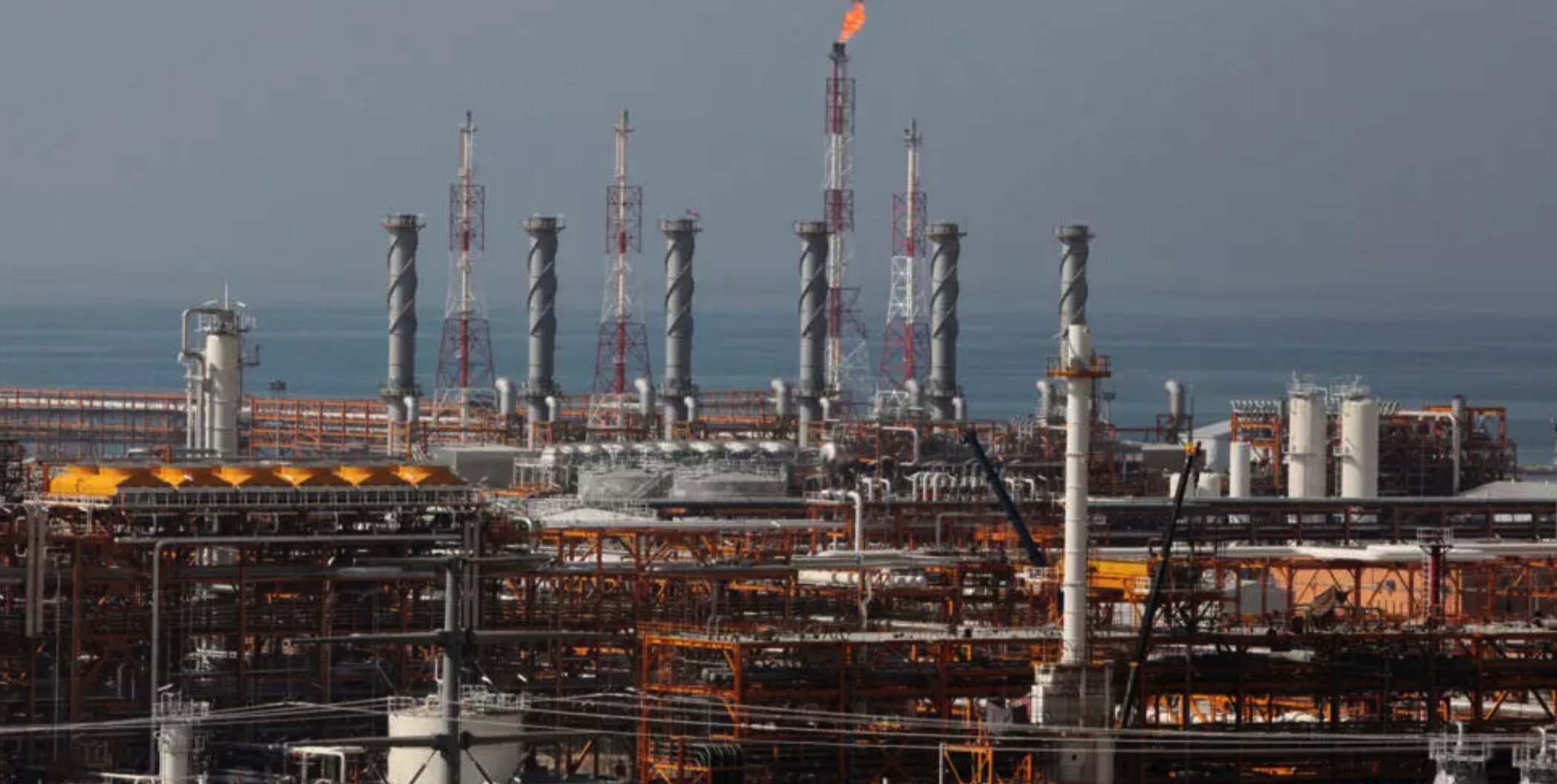

Donald Trump has warned that the United States could target Iran’s vast South Pars gas field if Tehran continues strikes against energy infrastructure in Qatar, marking a sharp escalation in rhetoric as tensions intensify across the Gulf. In a social media post, Trump said Washington would “massively blow up the entirety” of the South Pars field if Iran persisted in attacking Qatari facilities. The warning followed a series of missile strikes by Iran on Qatar’s major energy hub, which caused significant damage but no reported casualties.
Get today's headlines by email 
Qatar confirmed that Iranian missiles struck Ras Laffan Industrial City, home to one of the world’s largest liquefied natural gas export terminals. Officials described the damage as extensive, with emergency teams deployed to contain fires at the site.
Strikes hit major energy facilities
The attack came after Israel targeted Iran’s South Pars gas field, the world’s largest natural gas reserve shared between Iran and Qatar. It marked the first known strike on Iran’s gas production infrastructure since the conflict began in late February.
Trump denied any prior knowledge of the Israeli operation, stating that the United States had not been involved and that Qatar had no warning of the attack.
Rising tensions and military considerations
The developments underscore a widening regional conflict, with both sides increasingly targeting energy infrastructure. Iran’s Islamic Revolutionary Guard Corps has warned it could extend attacks to oil and gas facilities in other Gulf states, including Saudi Arabia and the United Arab Emirates.
Meanwhile, reports indicate the United States is considering deploying additional forces to the Middle East, raising concerns that the conflict could broaden further.
Global markets have reacted sharply. Oil prices rose significantly following the latest attacks, reflecting fears of prolonged disruption to supply chains. The Strait of Hormuz — a critical route for global oil and gas shipments — has seen a steep decline in tanker traffic amid ongoing threats.
International calls for restraint
European leaders have urged de-escalation. Emmanuel Macron called for an immediate halt to strikes on civilian infrastructure, particularly energy and water facilities, following discussions with regional leaders.
Germany’s foreign minister warned that continued disruption to energy supplies could trigger a severe global crisis, while Gulf states also expressed alarm at the growing risks to energy security.
The United Arab Emirates described attacks on energy sites as a “serious escalation,” warning of environmental and economic consequences. Qatar condemned the Israeli strike on South Pars as “dangerous and irresponsible” and has expelled Iranian diplomatic staff in response to Tehran’s actions.
Risk of wider conflict
Iranian officials have vowed retaliation, with President Masoud Pezeshkian warning that attacks on energy infrastructure could have “uncontrollable consequences” extending beyond the region.
The conflict has already had a significant impact on global energy markets, with oil prices climbing sharply since the outbreak of hostilities. Analysts warn that continued disruption — particularly in the Strait of Hormuz — could have far-reaching effects on inflation, trade and global economic stability.
As both sides signal readiness to escalate further, diplomatic efforts are intensifying to prevent a broader regional crisis.
Join the discussion? 
Already a member? 
 Adapted by ASEAN Now. Source 19 March 2026