



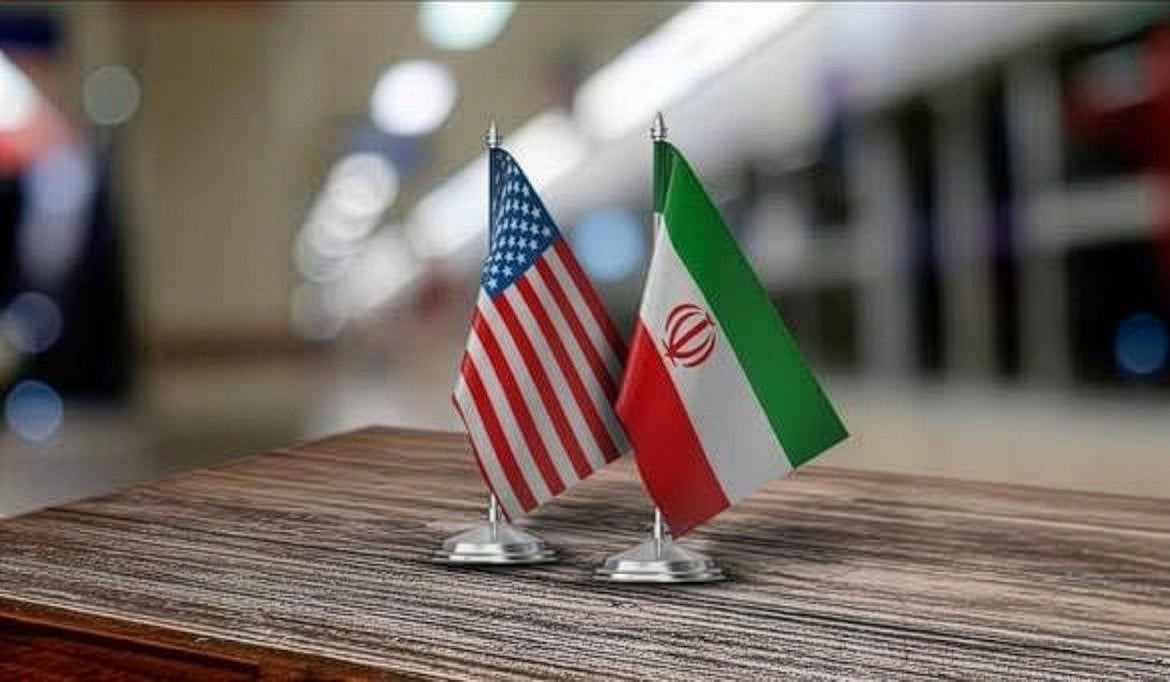

Top US and Iranian officials held their first talks in New York since June as President Donald Trump said he could “annihilate” Iran if the conflict remained unresolved.
The meeting took place at the United Nations on a day when Trump, speaking at the UN General Assembly, renewed his warning that the United States could use overwhelming force if no agreement is reached. No breakthrough was reported from the discussions, which were mediated by Qatar and involved Iran’s foreign minister and Trump’s envoy, Steve Witkoff.
Talks Mediated by Qatar
Witkoff said the parties completed a round of discussions and that the mediation effort would continue.
Iran’s state TV confirmed that Foreign Minister Abbas Araghchi met Witkoff on the sidelines of the General Assembly. Iran’s foreign ministry spokesman Esmail Baghaei, quoted by the state broadcaster IRNA, said negotiations took place through Qatar’s mediator, who conveyed Tehran’s conditions. Those conditions included an end to fighting on all fronts and an end to what Iran called US “acts of aggression”.
Witkoff later said on X that the talks were held “through the mediators”, with Qatar shuttling between the two sides throughout the day.
Iran repeated its demand that the United States stop its “acts of aggression”, while the US side described the session as constructive, without indicating any agreement had been reached.
Trump’s UN Address and Coercive Approach
In his speech on Tuesday, Trump began by highlighting domestic themes including the economy, immigration, border security and violent crime. He then turned to the conflict with Iran, arguing that it had prevented Tehran from obtaining a nuclear weapon.
He framed the strategy as “peace through strength”, describing ultimatums rather than deal-making or compromise. Trump questioned whether a deal would allow Iran to rebuild and become more powerful, or whether the US should instead “annihilate” the Islamic Republic.
He said he expected an agreement, which has so far not materialised, would come after the November Congressional elections. Analysts and diplomats have previously characterised his approach as coercive diplomacy, combining threats of force with the continuation of negotiations.
Strikes, Fire Incidents and the Strait
The latest round of diplomacy comes after a ceasefire collapsed in June. Since then, both sides have intermittently exchanged fire.
After the US and Israel launched air strikes on Iran on 28 February, Iran responded with attacks on Israel and on US bases in the Gulf and on Arab Gulf allies of the United States, and by blocking the Strait of Hormuz.
About one fifth of the world’s oil and liquefied natural gas passes through the strait. Its closure has contributed to sharp movements in prices. The disruption has also increased pressure on Trump to find a route to ending the wider conflict as the election campaign ramps up.
Iran has attacked vessels it says were attempting to transit the strait without authorisation. The United States has conducted strikes on Iranian sites in the area, and attacked Iranian tankers off Iran’s coast. It has also maintained a blockade of Iranian ports, disrupting Iran’s economy.
Sanctions Threats and Regional Fallout
Trump has also threatened sanctions on countries that continue trading with Iran, aiming to pressure Tehran into agreeing to end the war. There has been no sign, however, of a shift in Iran’s position.
Iran has continued to insist that the US and Israel stop their war, including fighting that Israel has directed against the Iran-backed Shia group Hezbollah in Lebanon.
In the wider region, Yemen’s Houthis—an Iran ally—have recently intensified attacks aimed at disrupting oil shipping from Saudi Arabia, raising fears of further escalation with the kingdom.
Join the discussion? 

23 September 2026
Recommended Comments
Create an account or sign in to comment