



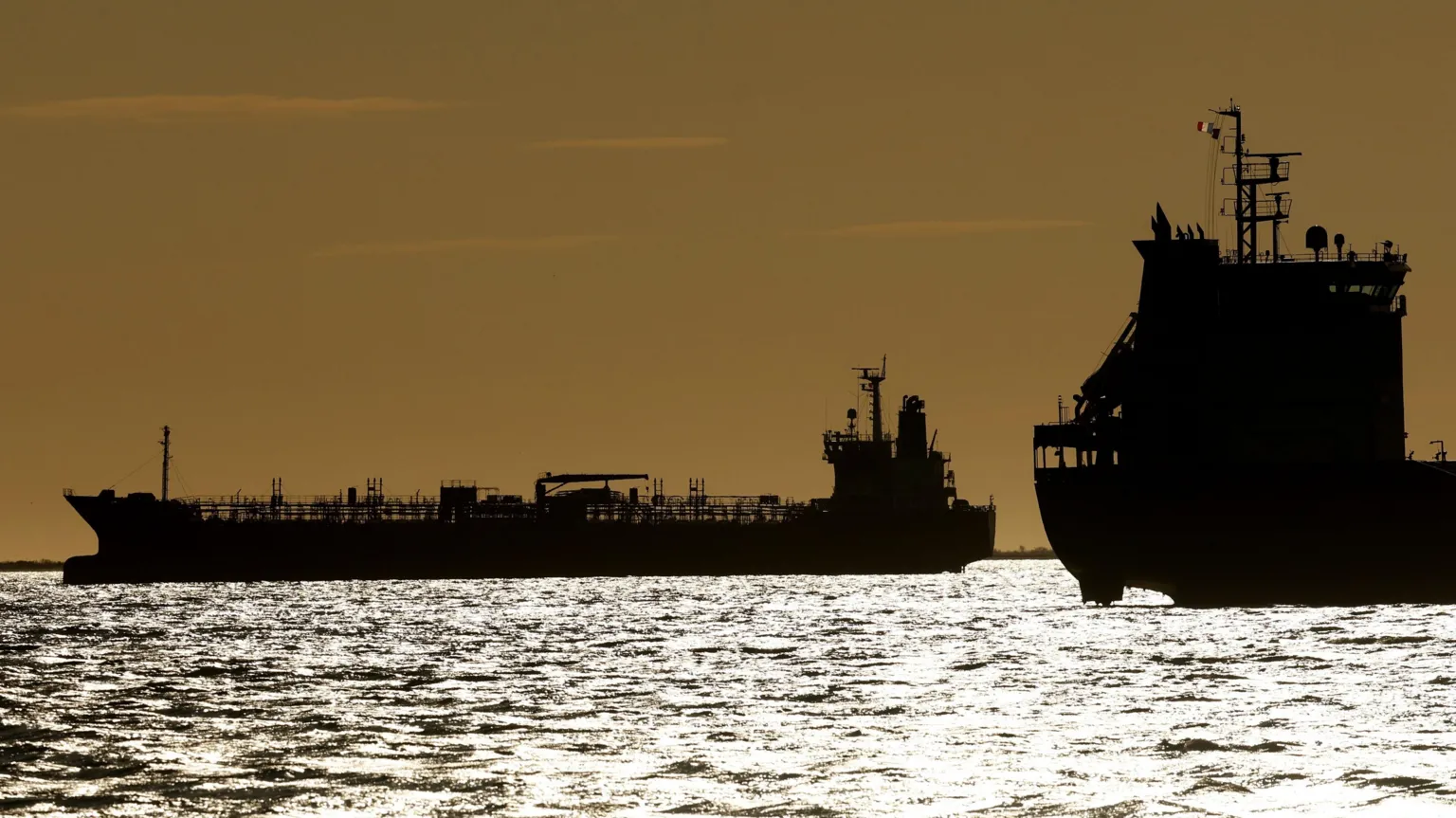

The United States is considering loosening restrictions on some Iranian oil exports as it seeks to limit the impact of the ongoing conflict with Iran on global energy markets. US Treasury Secretary Scott Bessent said the idea is under discussion, suggesting that allowing certain shipments to reach buyers could help stabilise supply at a time when prices are rising sharply worldwide. Speaking in a television interview, Mr Bessent indicated that the US could allow the sale of Iranian oil already at sea, estimated at around 140 million barrels. He said such a move might temporarily ease global prices for up to two weeks.
Get today's headlines by email 
The proposal would represent a significant shift from longstanding US policy, which has aimed to restrict Iran’s oil exports through sanctions.
Proposal to release oil into global markets
Before the conflict, much of Iran’s oil was sold at discounted prices to China due to these restrictions. Mr Bessent suggested that easing rules could redirect supplies to other countries, including India, Japan and Malaysia, while forcing China to pay higher market rates.
However, officials have not provided details on how such a plan would work in practice, including whether safeguards could prevent proceeds from reaching the Iranian government.
Limited impact expected, experts say
Analysts have expressed scepticism about the potential effectiveness of the measure. Some argue that the volume under consideration is relatively small compared with global demand and would therefore have only a modest impact on prices.
Rachel Ziemba, an expert at the Center for a New American Security, said the move might add some supply but was unlikely to be a “game changer”.
Others warned the policy could have unintended consequences. David Tannenbaum said allowing Iranian oil sales could ultimately provide financial resources to a government the US is actively confronting.
“It raises a whole lot of questions,” Ms Ziemba added, particularly over how any revenue controls could be enforced.
Broader efforts to stabilise supply
The proposal follows other steps taken by the administration of Donald Trump to increase global oil supply, including releasing strategic reserves and easing certain restrictions on Russian exports.
Those measures have already drawn criticism, particularly from European leaders concerned they could strengthen rival governments and prolong existing conflicts.
It remains unclear whether the latest proposal will face similar opposition in Washington, where lawmakers have recently moved to tighten sanctions on Iran’s energy sector.
Global supply shock drives urgency
The consideration of easing sanctions reflects growing concern about the scale of disruption to global energy flows. Around a fifth of the world’s daily oil supply typically passes through the Strait of Hormuz, but shipping through the route has largely halted since the conflict began.
Experts estimate that roughly 10% of global oil supply has been temporarily removed from the market, despite some rerouting efforts.
Further risks have emerged from attacks on energy infrastructure, including key gas facilities linked to Iran and Qatar, raising fears that production capacity could be affected for years.
Analysts say the US is now searching for additional sources of supply wherever possible, as governments worldwide grapple with rising prices and the prospect of prolonged disruption.
Join the discussion? 
Already a member? 
 Adapted by ASEAN Now. Source 20 March 2026