





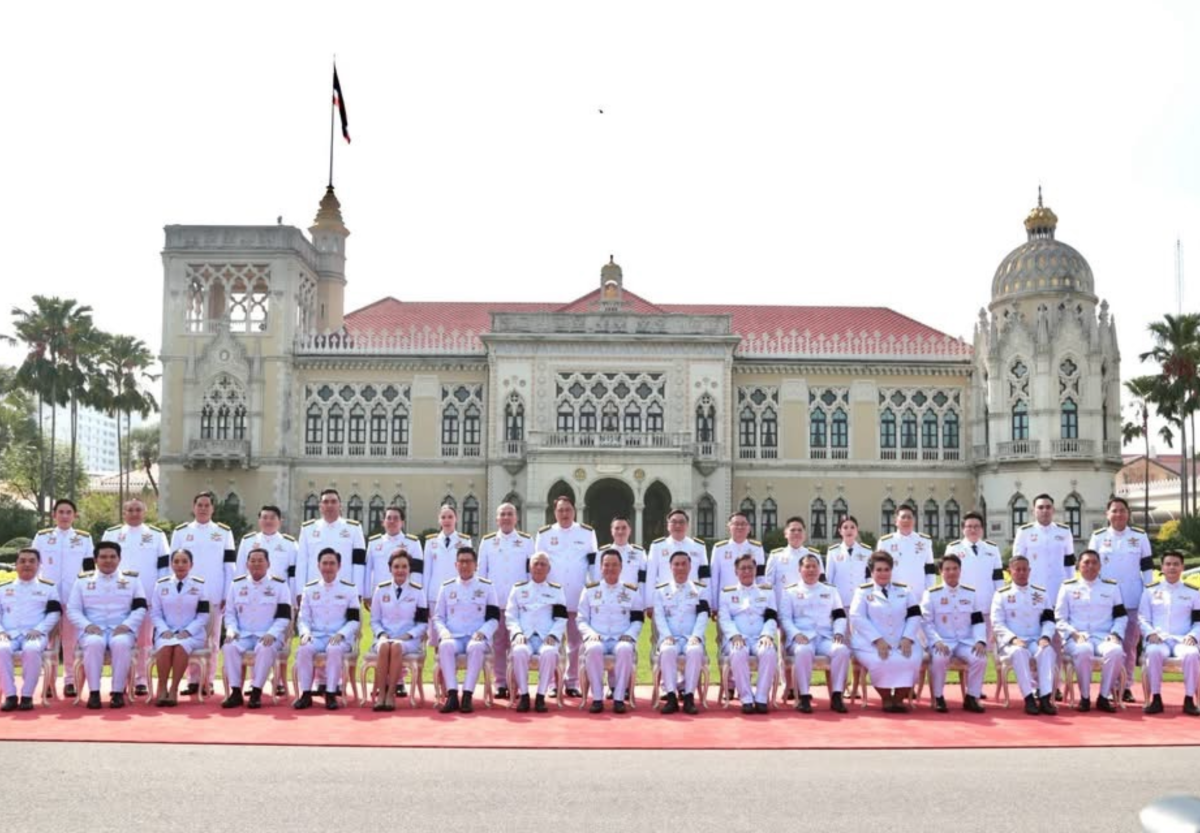
Following a royal oath-taking ceremony before Their Majesties the King and Queen on 6 April 2026, Prime Minister and Interior Minister Anutin Charnvirakul convened a special cabinet meeting to approve the government’s policy statement for Parliament. The statement focuses on using five main pillars to strengthen the economy, address rising energy prices due to the Middle East conflict, and restructure society. The policy will be presented to Parliament starting 7 April 2026.
Get today's headlines by email 
The Anutin II administration plans to implement a “Strategic Cluster Integration System,” uniting public and private sectors. The government will shift its role to supporter and facilitator, while accelerating digital development in public administration. The five strategic clusters are: macroeconomics, investment and future industries; production, trade and services; infrastructure, natural resources and environment; social welfare; and foreign affairs and security.
Economic policies aim to create equal opportunities for all, boost employment, and restructure the economy for sustainable growth. Trade initiatives will connect Thailand to the global economy, while agriculture will move from traditional methods to precision, secure, and sustainable systems. Tourism will focus on high-value destinations, shifting from volume-driven strategies to quality growth.
In foreign affairs and security, the government will strengthen Thailand’s global status, promote economic diplomacy, and ensure border security. Efforts will continue on Thailand–Cambodia territorial issues through existing bilateral mechanisms. Southern border provinces will see enhanced security measures, including tackling drugs, fraud, terrorism, and cybercrime. Military reforms include the introduction of 100,000 volunteer positions with structured contracts and training opportunities.
Social policies will expand free education and healthcare, improve social security laws, and enhance medical services using AI, telemedicine, and traditional Thai medicine. Community and family structures will be strengthened to support an aging population, with high-standard facilities for the elderly and vulnerable groups. Environmental and disaster policies include systematic water management, AI-based weather forecasting, and achieving net-zero greenhouse gas emissions by 2050.
The ThaiNewsRoom reported that public administration reforms will transition to a fully digital system, simplify regulations and implement an omnibus law to update outdated legislation within one year. The government will remove redundant or obstructive laws and reform public procurement to enhance efficiency and combat structural corruption. Policies will be implemented in alignment with Thailand’s Constitution and National Strategy to ensure sustainable, inclusive growth.
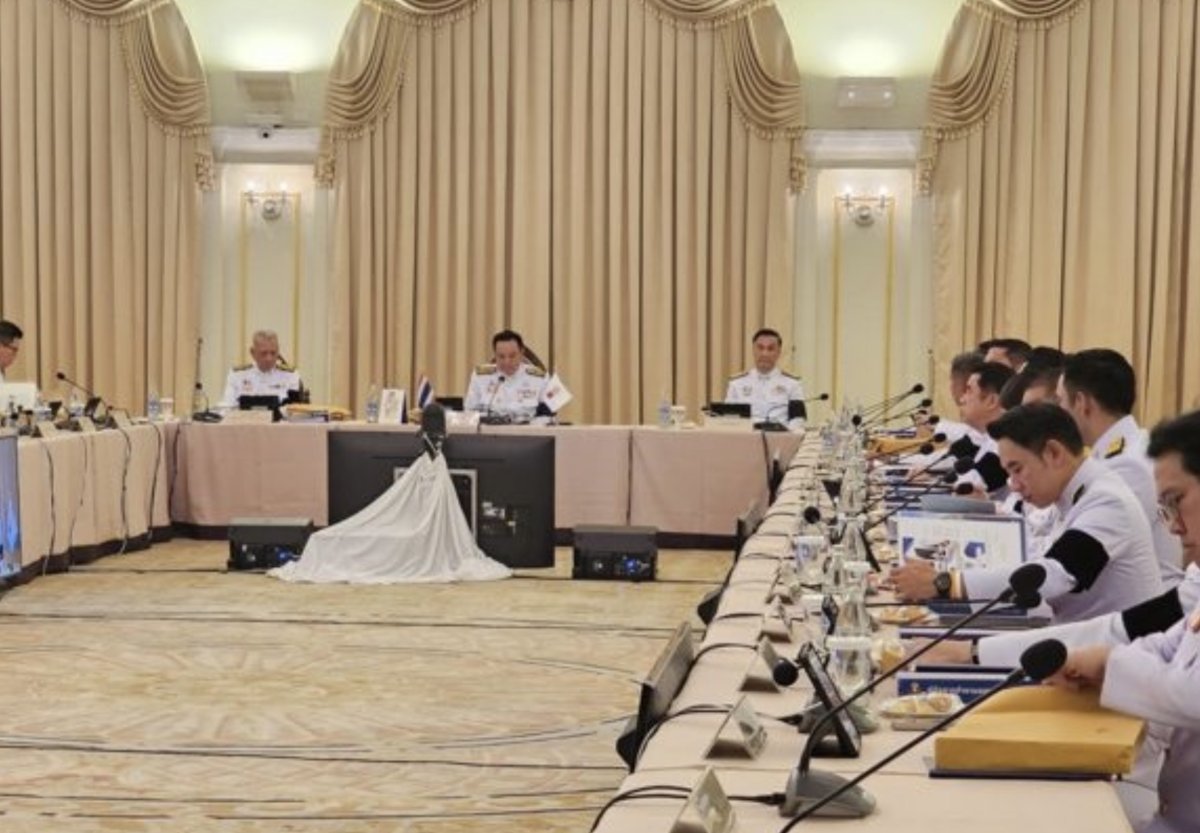
Picture courtesy of TNR
Join the discussion? 
Already a member? 
 Adapted by ASEAN Now Thainewsroom 7 Apr 2026
Recommended Comments
Create an account or sign in to comment