Skip to content
View in the app

A better way to browse. Learn more.

ASEAN NOW

A full-screen app on your home screen with push notifications, badges and more.

To install this app on iOS and iPadOS
  1. Tap the Share icon in Safari
  2. Scroll the menu and tap Add to Home Screen.
  3. Tap Add in the top-right corner.
To install this app on Android
  1. Tap the 3-dot menu (⋮) in the top-right corner of the browser.
  2. Tap Add to Home screen or Install app.
  3. Confirm by tapping Install.

Thailand News

All the latest news stories from Thailand are written in English. Fresh news and stories from around the kingdom brought to you daily.
Thailand’s Foreign Minister Sihasak Phuangketkeow has briefed the ASEAN Chair on the outcome of his recent informal discussions with Myanmar’s foreign minister in Phuket. The update was delivered during a telephone call on 27 February 2026 with Maria Theresa P. Lazaro, Foreign Secretary of the Philippines, in her capacity as ASEAN Chair.

Get today's headlines by email

Sihasak informed Lazaro of the informal meeting held on 18 February 2026 in Phuket between himself and the Foreign Minister of the Republic of the Union of Myanmar. The discussion focused on Thailand’s proposal to promote “calibrated re-engagement” between ASEAN and Myanmar.

The proposal aims to encourage appropriate and gradual interaction while supporting ASEAN’s role in advancing peace and national reconciliation within Myanmar. Thailand reiterated its readiness to act as a bridge between ASEAN and Myanmar to help facilitate further progress.

During the call, Sihasak also provided the latest information on the situation along the Thai–Cambodian border. He reaffirmed that Thailand remains firmly committed to the ceasefire agreement and expressed appreciation for the Philippines’ leading role in the ASEAN Observer Team (AOT).

Both sides welcomed the strong bilateral relations between Thailand and the Philippines. They agreed to maintain close coordination on both bilateral and regional matters.

The discussions come amid continued regional attention on Myanmar’s internal situation and ASEAN’s engagement strategy. Thailand’s proposal for calibrated re-engagement reflects ongoing efforts to balance dialogue with support for peace and reconciliation initiatives.

Naewna reported that further coordination between ASEAN member states is expected as part of ongoing diplomatic efforts. Thailand has indicated its willingness to continue playing a constructive role in facilitating communication between ASEAN and Myanmar.

Join the discussion?

Already a member?

Adapted by ASEAN Now Naewna 1 Mar 2026
Georgealbert
Georgealbert
A 35-year-old durian orchard owner was found shot dead in his orchard in Lan Saka district, Nakhon Si Thammarat, on the morning of 28 February 2026. Police reported he died from blood loss after being shot multiple times. Officers are investigating several possible motives and are searching for the gunman.

Get today's headlines by email

Police were alerted at 8.30am on 28 February 2026 to the discovery of a body in a durian orchard in Soi Suan Na, Moo 2, Khao Kaew subdistrict, Lan Saka district. Attending the scene were Pol Lt Theerawut Aksornkul, Deputy Inspector (Investigation) of Lan Saka Police Station, Pol Col Phin Inmak, Superintendent of Lan Saka Police Station, Pol Lt Col Chuyot Jindanakhon, Deputy Superintendent (Investigation), forensic officers, a duty doctor from Lan Saka Hospital, and rescue workers from Sawang Tham Khiri Thammasathan Nakhon Si Thammarat Foundation and Sawang Lan Saka Rescue.

The deceased was identified as Mr Jaturong, 35, the owner of the orchard. He was found lying on his back with gunshot wounds to his right arm, right leg and left leg. His face showed abrasions and his head had bruising and officers estimated he had been dead for at least 10 to 12 hours.


Investigators said the bullets did not strike vital organs but believe he died from significant blood loss. Forensic officers examined the scene for evidence linked to the suspect.

Police inquiries established that at around 8pm the previous evening, Mr Jaturong had gone to buy food at a shop at the entrance to the alley before returning to the orchard with a friend. Later that night, villagers reported hearing five to six gunshots in quick succession but did not investigate, as gunfire is reportedly heard in the area on a regular basis.

His body was discovered the following morning by someone passing through the orchard, who then notified authorities. Police said Mr Jaturong had a history of involvement with drugs and had been suspected in connection with property belonging to villagers going missing.

Khoasod reported that investigators are also examining the possibility of a personal conflict within a group. Witnesses reported that a friend had been with Mr Jaturong on the night of the shooting, and officers have taken that individual for gunshot residue testing. Police said they will continue gathering evidence to identify and apprehend the suspect and proceed with legal action.


Pictures courtesy of Khaosod

Join the discussion?

Already a member?

Adapted by ASEAN Now Khaosod 1 Mar 2026
Georgealbert
Georgealbert
Prime Minister Anutin Charnvirakul has instructed the Ministry of Foreign Affairs and the Air Force Commander to prepare aircraft to evacuate Thai nationals stranded in Iran, placing all relevant agencies on 24-hour standby. The order was issued on 1 March 2026 as tensions in the Middle East escalate. The government said the safety of Thai citizens in high-risk countries is its top priority.

Get today's headlines by email

In a Facebook post published at 01:40 on 1 March, Anutin warned that the conflict in the Middle East is likely to intensify and could affect the global economy, including Thailand. Although Thailand is not a party to the conflict, he noted that many thousands of Thai citizens live and work in countries across the region. He said Iran and Israel are of particular concern.

Anutin stated that he is coordinating closely with the Foreign Minister and the Air Force Commander to prepare aircraft for evacuation, with Iran identified as the first priority. The Ministry of Foreign Affairs, under Minister Sihasak Puangketkaew, has established an operations centre to monitor developments and prepare assistance measures for Thai nationals. The Prime Minister said he is personally receiving reports and monitoring the situation from all security agencies.

He has directed the Prime Minister’s Office, Ministry of Finance, Ministry of Labour, Ministry of Public Health, Ministry of Defence and Ministry of Interior to be ready to support the operation at any time. All units have been ordered to remain on standby 24 hours a day, for when required. The measures are intended to ensure swift assistance and safe return for affected citizens.

The Prime Minister acknowledged that the crisis will inevitably impact Thailand’s economy, particularly during a period of recovery. He said the government will take every possible measure to minimise economic disruption. Anutin added that his administration would seek to turn the Middle East crisis into an opportunity for Thailand where possible.

ThaiRath reported he pledged that the government would do its utmost to ensure the success of the evacuation mission and deliver results as quickly as possible. Further updates are expected as authorities continue to assess conditions on the ground and coordinate with relevant agencies.

Join the discussion?

Already a member?


Adapted by ASEAN Now Thairath 1 Mar 2026
Georgealbert
Georgealbert
Thailand’s Department of Fisheries has outlined the country’s role in shaping global fisheries management at the Second Session of the COFI Sub-Committee on Fisheries Management (2nd SCFM) held in Reykjavik, Iceland, from 23–27 February 2026. The meeting was organised by the Food and Agriculture Organization of the United Nations (FAO). The Thai delegation, led by Director-General Thitiporn Laoprasert, participated in discussions to help set global policy directions and promote sustainable fisheries management in line with international standards and the Sustainable Development Goals (SDGs).

Get today's headlines by email

The SCFM meeting brought together representatives from 193 FAO member countries, the European Union and non-governmental organisations. It serves as a key global forum for establishing policy and technical frameworks on fisheries management amid rapidly changing economic, social and environmental conditions. Discussions were guided by the FAO Code of Conduct for Responsible Fisheries (CCRF), focusing on conservation measures and sustainable resource use.

Over five days, Thailand presented its progress in long-term sustainable fisheries management and shared best practices. On conservation and sustainable use of aquatic resources, Thailand highlighted science-based management combined with local knowledge and stakeholder participation, citing the community-initiated crab bank project supported by the Department of Fisheries and expanded across coastal provinces. The delegation also called on FAO to support context-appropriate approaches for small-scale and data-limited fisheries, including freshwater stock assessments.


On multi-species fisheries management, Thailand outlined measures based on scientific evidence, including studies on mackerel life cycles and seasonal fishing closures. The country applies maximum sustainable yield (MSY) principles to determine fishing days and licensing, while developing assessment tools suited to multi-species and multi-gear fisheries.

Regarding fleet capacity management, Thailand has integrated the International Plan of Action for the Management of Fishing Capacity (IPOA-Capacity) into its national fisheries management plan. Measures include aligning fishing licences with MSY assessments, registering only licensed vessels, formalising small-scale vessel registration, and applying Monitoring, Control and Surveillance systems such as the Vessel Monitoring System (VMS) and the Electronic Port-In Port-Out (E-PIPO) system. Thailand also contributes vessel data for boats 24 metres and over to the FAO Global Record to enhance transparency.

Thailand further emphasised integrating social dimensions into fisheries management through public consultations, provincial fisheries committees and application of FAO guidelines for securing sustainable small-scale fisheries. The country continues to engage in regional fisheries management organisations, complying with conservation measures and strengthening digital MCS systems for Thai vessels operating beyond national waters.

Director-General Thitiporn said participation in the 2nd SCFM reflects Thailand’s proactive role in shaping global fisheries governance. She stated it reinforces the country’s commitment to raising regulatory standards in line with international principles and building confidence in Thailand’s fisheries industry under the “Fisheries Connect for Sustainability” concept.


Pictures courtesy of InsideThailand

Join the discussion?

Already a member?

Adapted by ASEAN Now InsideThailand 1 Mar 2026


Georgealbert
Georgealbert
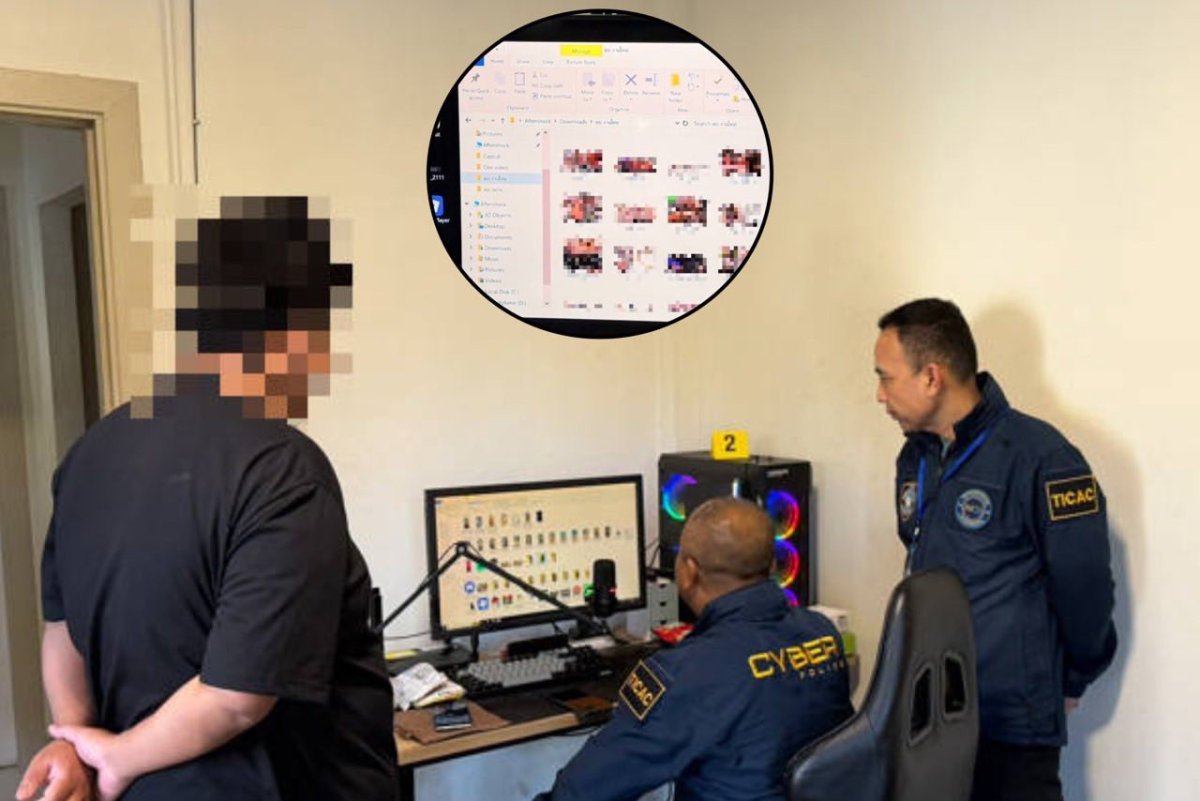
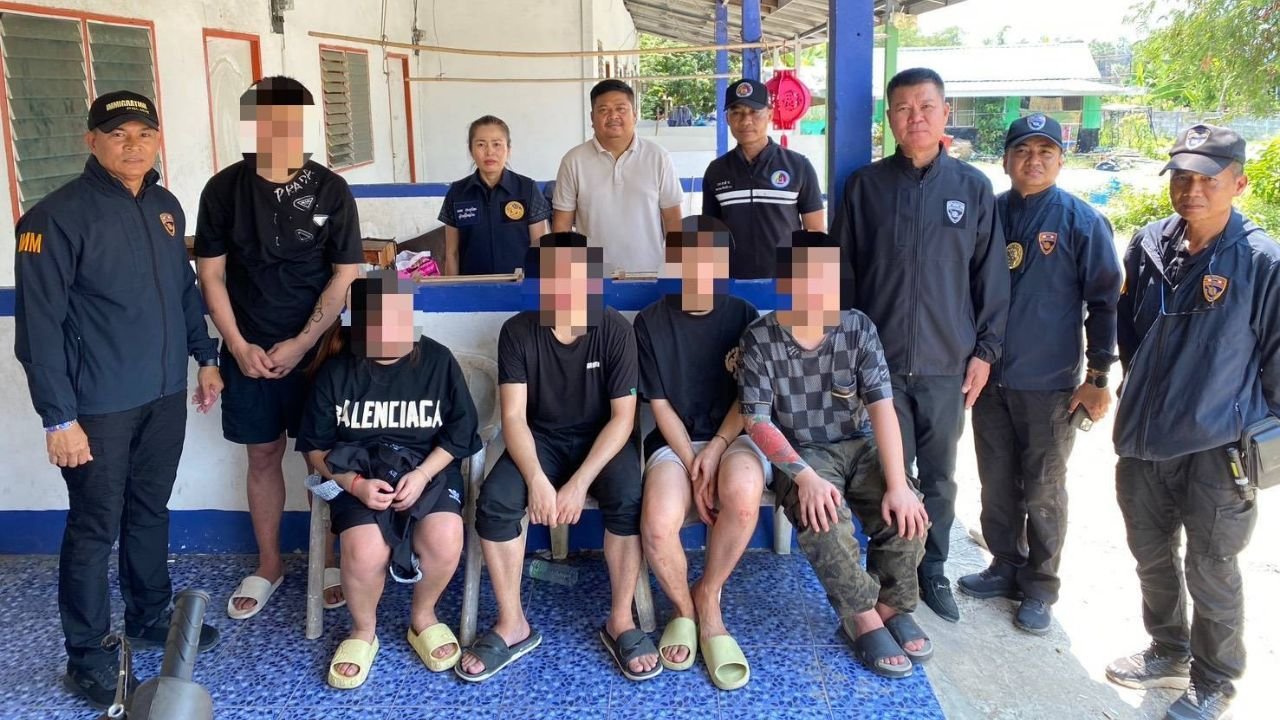
Officials in Phuket raided an entertainment venue in Muang district, after receiving complaints that foreign nationals were hosting drug-fuelled parties, authorities said. The operation took place early morning on 28 February 2026 under the direction of district chief Pairoj Srilamul. A 30-year-old Thai man identified as Koby was arrested and charged.

Get today's headlines by email

The enforcement team was led by Akara Suwattikul, head of the district administrative group, and Thiti Bunyastian, assistant district chief for security affairs. They were joined by members of the Volunteer Defence Corps, Company 1, Muang Phuket. The inspection targeted a venue located near the local slaughterhouse intersection in Talat Nuea subdistrict.

Officials said the raid followed reports of gatherings involving narcotics use. During the inspection, officers requested to see the establishment’s operating licence. Koby, who identified himself as the venue manager, informed authorities that no licence was available.


The venue was unable to produce any relevant documentation for inspection. Officers seized 12 items as evidence at the scene. The suspect was subsequently charged with operating a service establishment without a licence.

Authorities defined the business as a commercial venue providing food and alcohol with live music or other entertainment and closing after midnight. The charge falls under the Entertainment Places Act B.E. 2509 (1966) and its amendments. Koby was also charged with selling alcoholic beverages during prohibited hours.

The alcohol-related charges were filed under the Alcoholic Beverage Control Act B.E. 2551 (2008), Section 16 and Section 28 in conjunction with Section 39. The action was taken in accordance with the Alcoholic Beverage Control Committee’s notification dated 1 December 2025 on prohibited sales hours. The suspect and the seized items were handed over to investigators at Phuket City Police Station for further legal proceedings.

District officials stated they would continue strict inspections of entertainment venues in the area. Particular attention will be given to closing times and compliance with alcohol sales restrictions. Authorities said the measures are intended to maintain public order and prevent social problems.

Khoasod reported that further legal proceedings will now be handled by investigators at Phuket City Police Station. Officials have indicated that inspections will continue in Muang district as part of ongoing enforcement efforts.


Pictures courtesy of Khaosod

Join the discussion?

Already a member?

Adapted by ASEAN Now Khaosod 1 Mar 2026
Georgealbert
Georgealbert
A new amendment to Thailand’s land allocation law will come into force on 1 March 2026, introducing stronger protections for buyers in housing estate developments. Deputy Government Spokesperson Lalida Phersriwattana announced on 28 February 2026 that the Land Allocation Act (No. 3) B.E. 2568 (2025) aims to enhance oversight of developers and reduce disputes in housing projects.

Get today's headlines by email

The revised law strengthens safeguards for purchasers of subdivided land and clarifies regulatory measures governing developers. It aligns with Sections 26, 37 and 40 of the Constitution, which require that any limitation of individual rights and freedoms must be authorised by law and necessary.

A key amendment increases scrutiny over public utilities within housing developments. Facilities such as roads, parks and playgrounds will be subject to servitudes for the benefit of buyers, and developers must maintain them to established standards without deterioration. Developers are also required to provide a maintenance guarantee contract with a bank or financial institution to protect buyers’ rights.

The law sets clearer conditions under which developers may be released from maintenance obligations. They may do so once buyers establish a juristic person for the housing estate to receive transferred assets, or when assets are dedicated for public use. In such cases, developers must transfer maintenance guarantee funds to the juristic person or the relevant local authority, as applicable.

Buyers are granted additional mechanisms to act if developers fail to meet their obligations. Where at least half of the sold plots support the move, purchasers may apply to establish a housing estate juristic person themselves.

The amendment also revises common area fee regulations. Charges may now vary according to land use type or plot size, in line with rules set by the Central Land Allocation Committee.

Penalties have been strengthened for non-compliance with committee orders. Developers who breach orders may face fines ranging from 50,000 to 100,000 baht, with daily fines imposed until corrective action is taken.

Lalida said the changes are intended to clarify developers’ responsibilities, reduce disputes in housing estates and ensure greater fairness for buyers. She added that the government is committed to raising standards in land allocation to ensure transparency, fairness and tangible protection of citizens’ rights.

ThaiRath reported that authorities will begin enforcing the updated provisions from 1 March 2026. Developers and buyers involved in housing estate projects will be required to comply with the new regulations from that date.

Join the discussion?

Already a member?

Adapted by ASEAN Now Thairath 1 Mar 2026


Georgealbert
Georgealbert
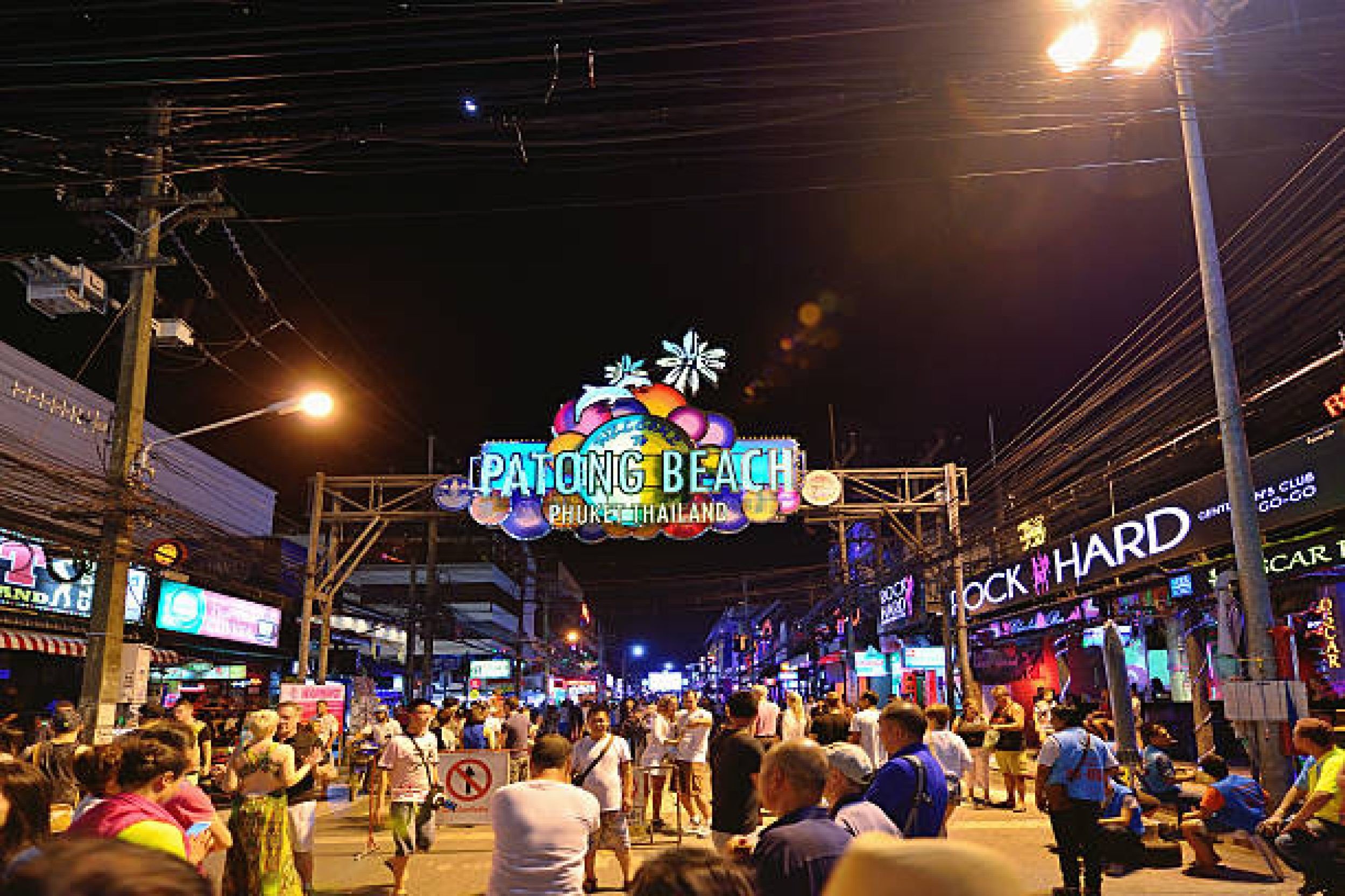
Police in Pattaya have arrested two Indian men accused of trafficking three Indian women and forcing them into prostitution along Pattaya Beach, Chon Buri. The suspects allegedly blackmailed the women with explicit photographs and deprived them of food and water if they refused to comply. Both men deny the charges.

Get today's headlines by email

On 28 February 2026, Pol Col Anek Sarathongyu, superintendent of Pattaya City Police Station, and Pol Lt Col Arut Sapanon, deputy superintendent of investigations, led officers to arrest the suspects at a room in Pattaya. Police seized three mobile phones, a tablet and a laptop computer as evidence. The suspects were identified as Mr Brahmananda, 25, and Mr Justin, 32, both Indian nationals.

The case stems from a complaint filed on 18 February by three Indian women with Pol Lt Kriengkrai Kaewphiphop, deputy inspector (investigation). The women told police they had been contacted via Instagram and offered restaurant jobs in Thailand, with high pay and travel expenses covered. Upon arrival in Pattaya, they were allegedly asked for additional payments, had their passports confiscated and were cut off from outside contact.


The victims stated they were confined to a room and prevented from contacting anyone. They were then allegedly forced to stand for prostitution daily along Pattaya Beach. If they refused, they were threatened, deprived of food, and photographed in compromising positions to be used for blackmail, with threats to send the images to their families or harm relatives if they attempted to escape.

The women eventually managed to escape by asking for their passports under the pretext of booking a hotel room with a client. They fled and sought help at an Indian restaurant in the area before filing a police report.

Investigators coordinated with the Chon Buri Provincial Social Development and Human Security Office to assess the victims. Authorities determined the case met the criteria for human trafficking, under Thai law and placed the women under legal protection.

Police say they gathered witness testimony and physical evidence linking the suspects to the offences. The charges include joint human trafficking, unlawful detention, coercion, criminal intimidation, destruction or seizure of another person’s documents, procuring for prostitution and importing false computer data likely to cause public harm.

The suspects have denied all allegations, claiming they were merely customers. Police stated that both testimonial and material evidence clearly connects the men to the offences and that legal proceedings will continue. Investigators are expected to proceed with prosecution while ensuring ongoing protection and support for the victims under Thai law.


Picture courtesy of เช็กข่าวพัทยา

Join the discussion?

Already a member?

Adapted by ASEAN Now เช็กข่าวพัทยา 1 Mar 2026
Georgealbert
Georgealbert
The Second Army Region has clarified new measures to control the export of fuel oil to the Lao People’s Democratic Republic, introducing GPS tracking and enhanced inspections to safeguard national security. On 28 February 2026, the Second Army Region Operations Centre outlined the framework, confirming that exports are subject to stringent monitoring from origin to destination. The move is intended to ensure transparency, order and compliance with security guidelines.

Get today's headlines by email


The Army stated that fuel oil exports to Laos were suspended on 14 December 2025. A revised export control framework has been approved, described as appropriate and stringent. Briefing meetings have been held with local security agencies and representatives of fuel export businesses operating through the Chong Mek customs checkpoint.

Six representatives from three fuel distribution companies were involved in verifying export demand data from local operators. In addition, authorities coordinated checks on 10 Lao operators in Champasak province. These operators confirmed in writing that they are legally authorised under Lao law to import fuel oil and have not exported it to any third countries.


Under the strengthened controls, all fuel transport vehicles must be fitted with GPS tracking systems from the point of origin in Thailand to their destination in Laos. Officers are assigned to verify that the type and volume of fuel, as well as the vehicles used, match authorised permissions. Exporters must also obtain certification confirming the transfer of cargo at the destination depot in Laos and report the results to the Suranaree Task Force each time.

The Second Army Region said the measures are designed to minimise potential impacts on the Lao population while maintaining orderly and transparent operations. It reaffirmed that enforcement would strictly consider national security, transparency and good international relations. The clarification comes amid ongoing coordination between military authorities, local agencies and private sector operators.

ThaiRath reported that the Army indicated it will continue operating under the approved control framework and maintain close monitoring of fuel exports. Further coordination with Lao counterparts and domestic stakeholders is expected to ensure compliance.


Picture courtesy of Second Army Region

Join the discussion?

Already a member?

Adapted by ASEAN Now Thairath 1 Mar 2026
Georgealbert
Georgealbert
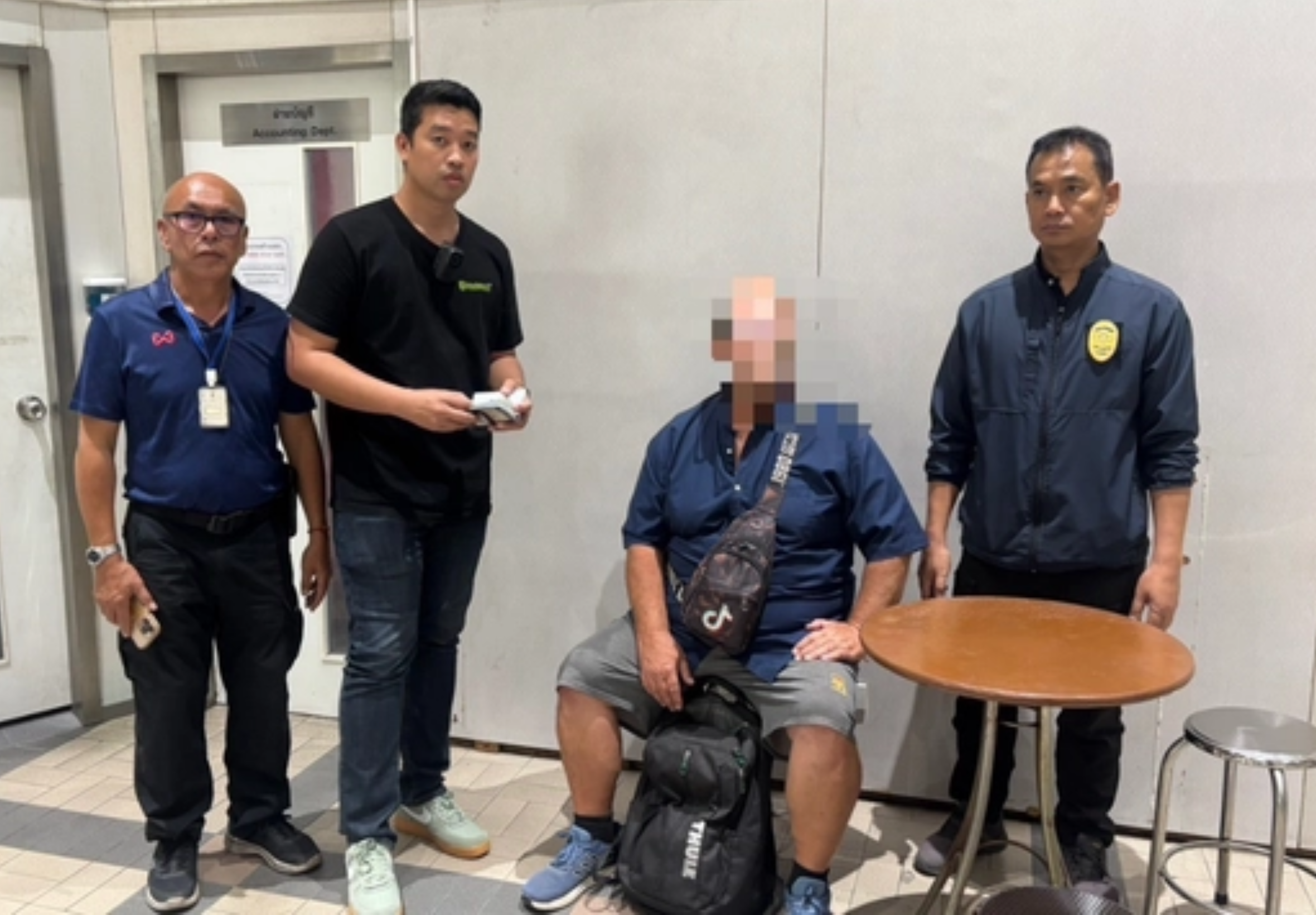
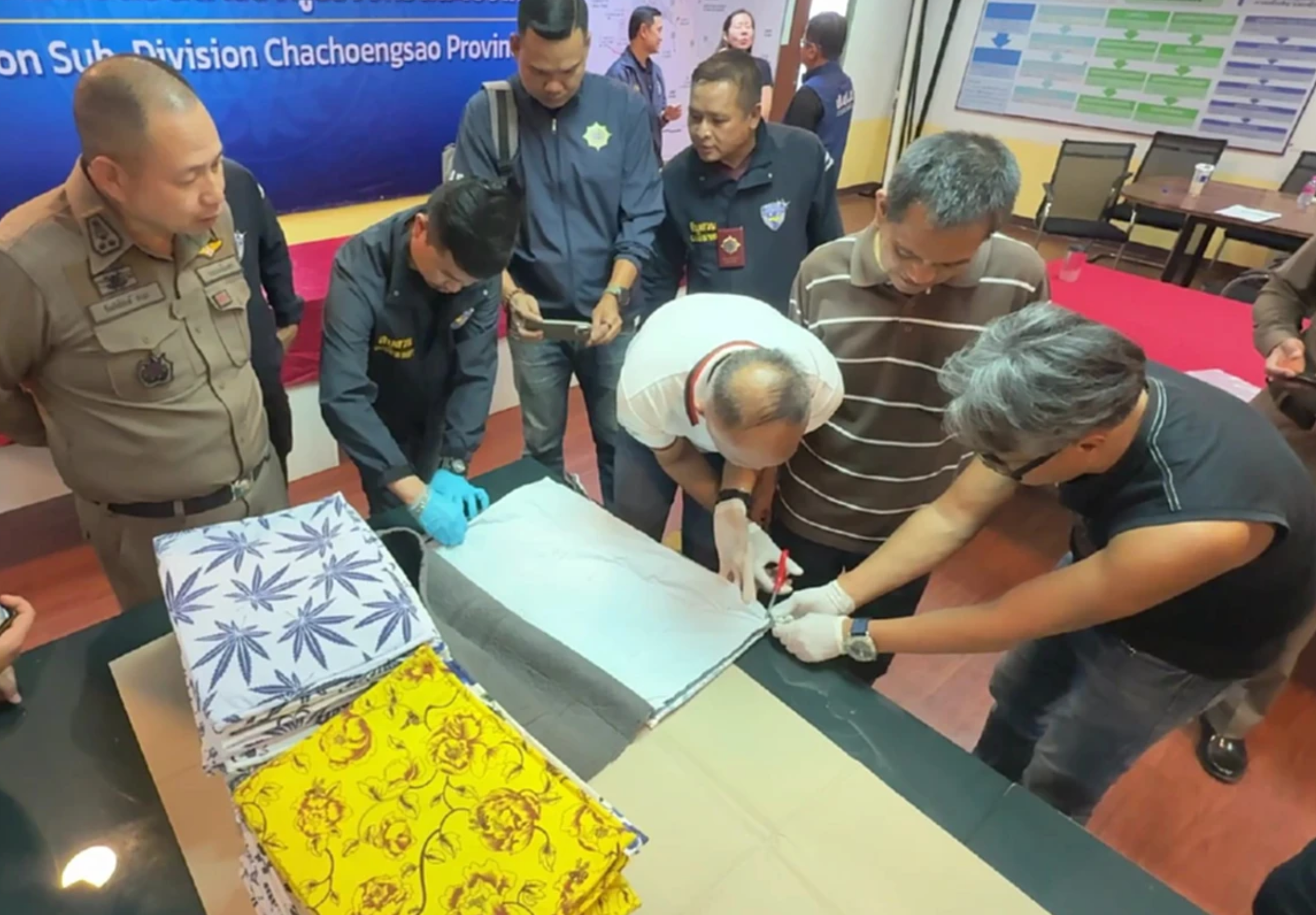
Immigration police have arrested a 39-year-old Chinese national wanted by authorities in the People’s Republic of China for allegedly operating an online casino offering Stud Poker, with more than 3.8 million yuan in turnover. The suspect, identified as Mr Chen, had been hiding in the Khao Yai area of Nakhon Ratchasima province. His visa has been revoked and he is now facing legal proceedings in Thailand.

Get today's headlines by email

The arrest took place on 27 February 2026 at approximately 12.50pm under the direction of senior Immigration Bureau officials, including Pol Lt Gen Phanumart Boonyalak, Commissioner of the Immigration Bureau and Director of the Immigration Suppression Centre. Also overseeing the operation were Pol Maj Gen Phanthana Nutchanart, Pol Maj Gen Phanop Worathanatchakul and other senior officers from the Immigration Bureau’s Investigation Division.

Mr Chen is the subject of an arrest warrant issued by the Ministry of Public Security of Longgang District, Shenzhen City, Guangdong Province, dated 3 January 2024. He is accused of opening a casino and organising gambling activities in the form of “Stud Poker”, a card-based poker game, with cumulative betting exceeding 3.8 million yuan. Chinese authorities requested cooperation from Thai police, prompting Immigration investigators to revoke his permission to stay in the Kingdom.

Investigators from Division 1 of the Immigration Bureau’s Investigation Division discovered that the suspect had been residing at a hotel in Khao Yai, Moo Si subdistrict, Pak Chong district, Nakhon Ratchasima. Officers noted that individuals in similar cases often display luxurious lifestyles, including residence in high-end properties, use of luxury vehicles, branded clothing and jewellery, and the presence of drivers or security staff.

Immigration officers conducted surveillance at the hotel and confirmed the identity of Mr Chen, who was reportedly living lavishly with luxury vehicles, branded bags and jewellery. After verifying that he matched the details of the arrest warrant, officers formally notified him of the revocation of his stay permit and transferred him to investigators for further legal action.

Authorities also reiterated that under Section 38 of the Immigration Act B.E. 2522 (1979), householders, property owners and hotel managers must report the residence of foreign nationals staying on their premises. Failure to comply carries legal penalties. Enquiries can be made with provincial Immigration offices or via the Immigration Bureau hotline 1178 during official hours.

Thaitabloid reported that the case highlights ongoing cooperation between Thai and Chinese authorities in tracking suspects wanted overseas. Further legal proceedings are expected in accordance with Thai law.


Picture courtesy of Thaitabloid

Related stories

Immigration-police-arrest-two-on-interpol-red-notices

Ukrainian-woman-arrested-in-Phuket-over-ponzi-case

Join the discussion?

Already a member?

Adapted by ASEAN Now Thaitabloid 1 Mar 2026

Georgealbert
Georgealbert
Street vendors in Bangkok say long hours and falling returns are straining livelihoods, as tighter city regulations and a weak economy reshape life on the pavement. Interviews published on 28 February 2026 highlight reduced sales, relocation pressures and rising costs affecting small traders across the capital. Many report that profits have not recovered since the Covid-19 pandemic and remain unpredictable.

Get today's headlines by email

For decades, vendors have supplied affordable food to office workers, labourers and tourists, forming a recognised part of Bangkok’s street culture. However, under a Bangkok Metropolitan Administration (BMA) programme begun in 2017 to clear pedestrian walkways and enforce sanitary rules, more than 250 vending zones along routes such as Silom, Sarasin and Witthayu roads have been removed. Authorities have promoted Singapore-model hawker centres as alternatives.

Sivarod, 42, second-generation owner of Hia Hui Soy Milk in Khlong Toey, said his shop was moved about 450 metres from Ratchadaphisek Road to an inner market area with less than a month’s notice. “Authorities didn’t give us enough time to inform our customers about the relocation. They just did it right away,” he said. He added that sales were stronger during a recent government co-payment stimulus scheme but have since declined.


Koi, 53, from Ubon Ratchathani, who sells Isaan sausages in the Luk Luang area of Dusit district, said rising goods prices and steady profits have reduced earnings. She recalled that New Year and Songkran once brought strong tourist sales, but “now it depends on luck”. She also alleged that illegal foreign workers take over market spaces and that officials sometimes accept money before ceasing inspections.

On Yaowarat Road, Anne, 59, who has sold mango sticky rice with her husband for more than 20 years, said profits have been unstable since Covid. “Before Covid, we could predict daily profits, but they have declined and have never been stable since then,” she said. She linked economic conditions to politics and corruption, saying she believed the economy would be better without such problems.

A 71-year-old vendor selling Thang Thong on Lan Luang Road said daily profits have fallen from 800–1,000 baht in the past to 200–300 baht now. She said she was too old to change jobs and would continue selling as long as she could.

Street vendors are among more than 20 million informal workers in Thailand. While they can enrol in Social Security under Section 40, benefits remain limited compared with the formal system. The Federation of Street Vendors in Bangkok and the Federation of Informal Workers (Thailand) are calling for recognition of street vending as a legitimate occupation, fair selling spaces and stronger occupational security.

The Bangkokpost reported that how authorities respond to these calls, and whether economic conditions improve in 2026, will shape the outlook for vendors seeking stability in the capital.


Pictures courtesy of Bangkok Post

Join the discussion?

Already a member?

Adapted by ASEAN Now Bangkokpost 1 Mar 2026
Georgealbert
Georgealbert
Police have detained three suspects, on 28 February, over a planned robbery in Pattaya in which more than 2 million baht was stolen from a safe, allegedly using three vehicles to evade capture in a manner likened to the film Fast & Furious. Officers say the group carefully plotted the raid after learning the victim had recently withdrawn the cash to buy a house. One foreign suspect has been taken in for questioning, with two others also under investigation.

Get today's headlines by email

The robbery took place shortly after midnight on 26 February at a house in Chokchai Village 9, Moo 10, Nong Prue, Bang Lamung district, Chonburi. Three men dressed in black and wearing balaclavas allegedly forced their way into the property and held a 32-year-old British national and his Thai partner and their friends, at knifepoint. The victim, a chef working overseas, had kept more than 2 million baht in a safe inside a wardrobe on the second floor, which the suspects carried away in a black four-door Ford pickup truck.

On 28 February 2026, Pol Col Nattaphon Phongsuksakul, chief of Nong Prue Police Station, Pol Col Phatsakorn Paijit, chief of investigation at Chonburi Provincial Police, Pol Col Naphatsapong Kosit Suriyamanee, chief of Chonburi Immigration, and Pol Lt Col Prabda Suksuntree, superintendent of Tourist Police Division 4, deployed teams to track the suspects. Investigators believe the gang deliberately targeted the victim after learning he had withdrawn 2 million baht in cash. Police reported the offenders share the same nationality as the victim and became acquainted at a cannabis shop in Pattaya.


CCTV footage shows the black Ford pickup used in the robbery driving along the railway road before the victim’s mobile phone was discarded. The vehicle then travelled onto Sukhumvit Road, turning right towards Wat Boonkanjanaram, inJomtien. At 22.57, footage captured the suspects switching to a white car and heading to an apartment in Soi Boonkanjanaram 5, around 8–9 kilometres from the crime scene, where they stayed for a time, allegedly to open the safe and divide the cash.

At 23.33 the same night, another four-door Ford pickup collected the group before heading onto Sukhumvit Road towards Chonburi. Police say the use of three vehicles was intended to mislead officers, drawing comparisons by police, with the film Fast & Furious.

Khoasod reported that one foreign suspect described as a dark-skinned man nearly two metres tall is being questioned at Nong Prue Police Station. Two additional suspects have also been taken into custody for further interrogation, but police have not released further details or at what location they are being held. Further updates will follow as the investigation continues.


Pictures courtesy of Khaosod

Original story

Masked-gang-raid-Brits-Pattaya-home-flee-with-2m

Join the discussion?

Already a member?

Adapted by ASEAN Now Khaosod 1 Mar 2026
Georgealbert
Georgealbert
Since the government cancelled the long-standing prohibition on selling alcoholic beverages between 14:00 and 17:00, in a move aimed at stimulating the economy and tourism, the early assessments indicate the change is likely to increase restaurant revenues by more than 20%, after aligning sales hours more closely with tourist behaviour.

Get today's headlines by email

Information from the Ministry of Public Health, provided by Pattana Promphat, Minister of Public Health, shows that during a two-month evaluation period from December 2025 to 31 January 2026, the average hourly rate of drink-driving between 14:00 and 17:00 was significantly lower than during the same period last year. The accident-occurrence graph remained stable and did not spike, despite the New Year festival period and heavy travel.

The data has been cited by the private sector as empirical evidence that extending alcohol sales hours did not create the social impacts previously feared. Instead, it has been described as an economic driver, helping to offset the effects of the original law, which many said no longer reflected tourist behaviour or current economic and social conditions.

The restriction dated back to a Revolutionary Council order issued in 1972 to control civil-servant discipline. In recent years, foreign media reports about civil penalties for drinking beyond the afternoon time limit under the new Alcoholic Beverage Control Act had raised concerns among visitors, with some reportedly choosing other ASEAN destinations with more flexible regulations.

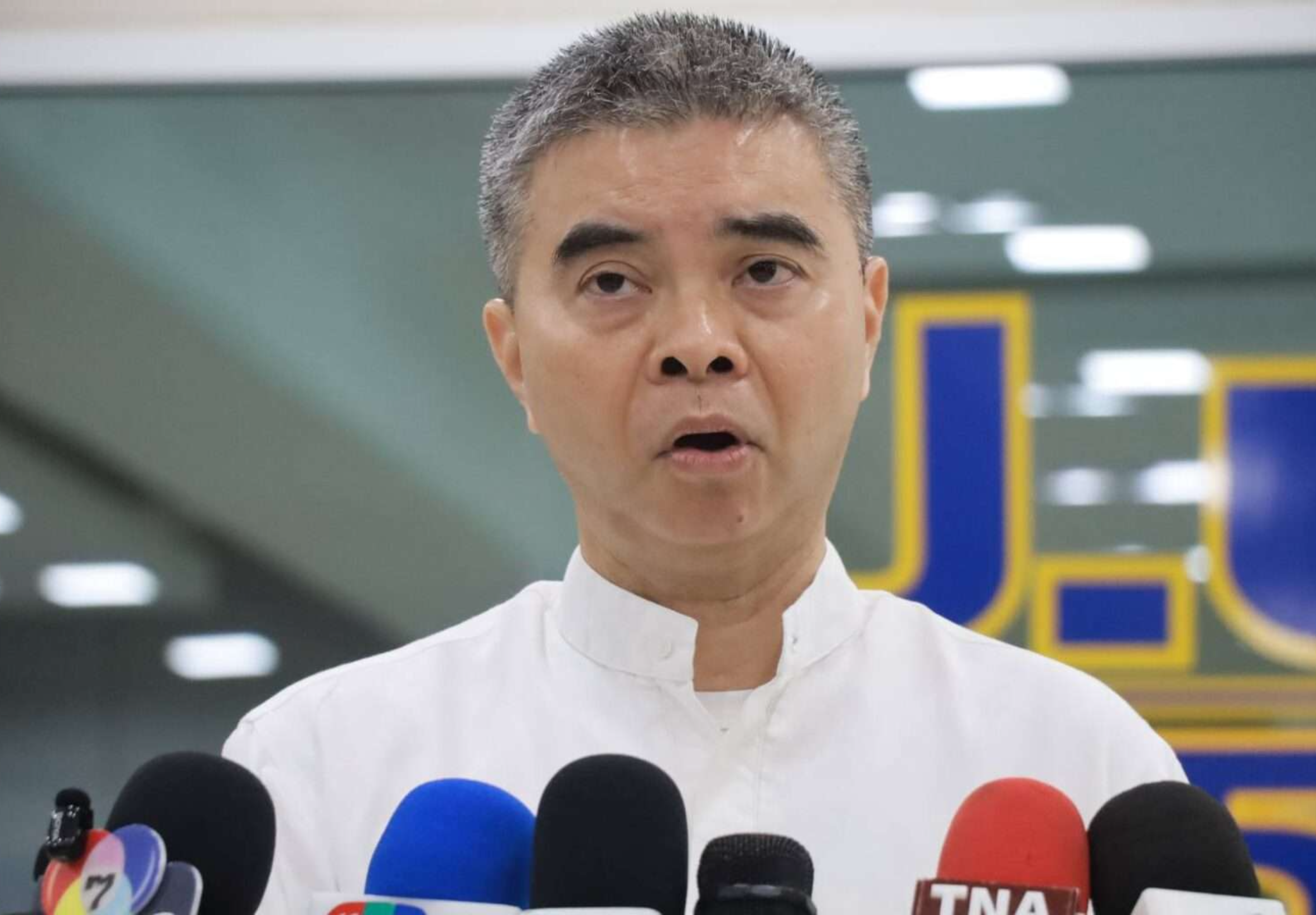
Dr Chatchai Tuangrattanaphan, vice-chairman of the Thai Retailers Association, said removing the three-hour “gap” eliminated what he described as an economic vacuum. Retail outlets, particularly in tourist areas, saw overall average income rise by 5% over the past two months. He added that the change also reduced conflicts between staff and tourists who previously did not understand why alcohol displayed on shelves could not be sold.

Chanon Koetcharoen, president of the Restaurant Association, said operators’ figures indicate revenue has the opportunity to increase by more than 20%. Foreign tourists often have longer lunches than Thai diners, and the ability to order drinks such as wine or beer without a 2pm cut-off has led to longer stays and higher food orders.

The Nation reported that Kawee Sarakawee, president of the Thai Alcohol Beverage Business Association (TABBA), called the change a correction of a legal obstacle that had hindered tourism for more than half a century. He said if the government reviews 180 days of data and finds that social impacts do not rise, the association hopes the measure will be made permanent to build investor and tourist confidence.


Picture courtesy of The Nation - Dr Chatchai Tuangrattanaphan, vice-chairman of the Thai Retailers Association

Join the discussion?

Already a member?

Adapted by ASEAN Now Nation 1 Mar 2026
Georgealbert
Georgealbert
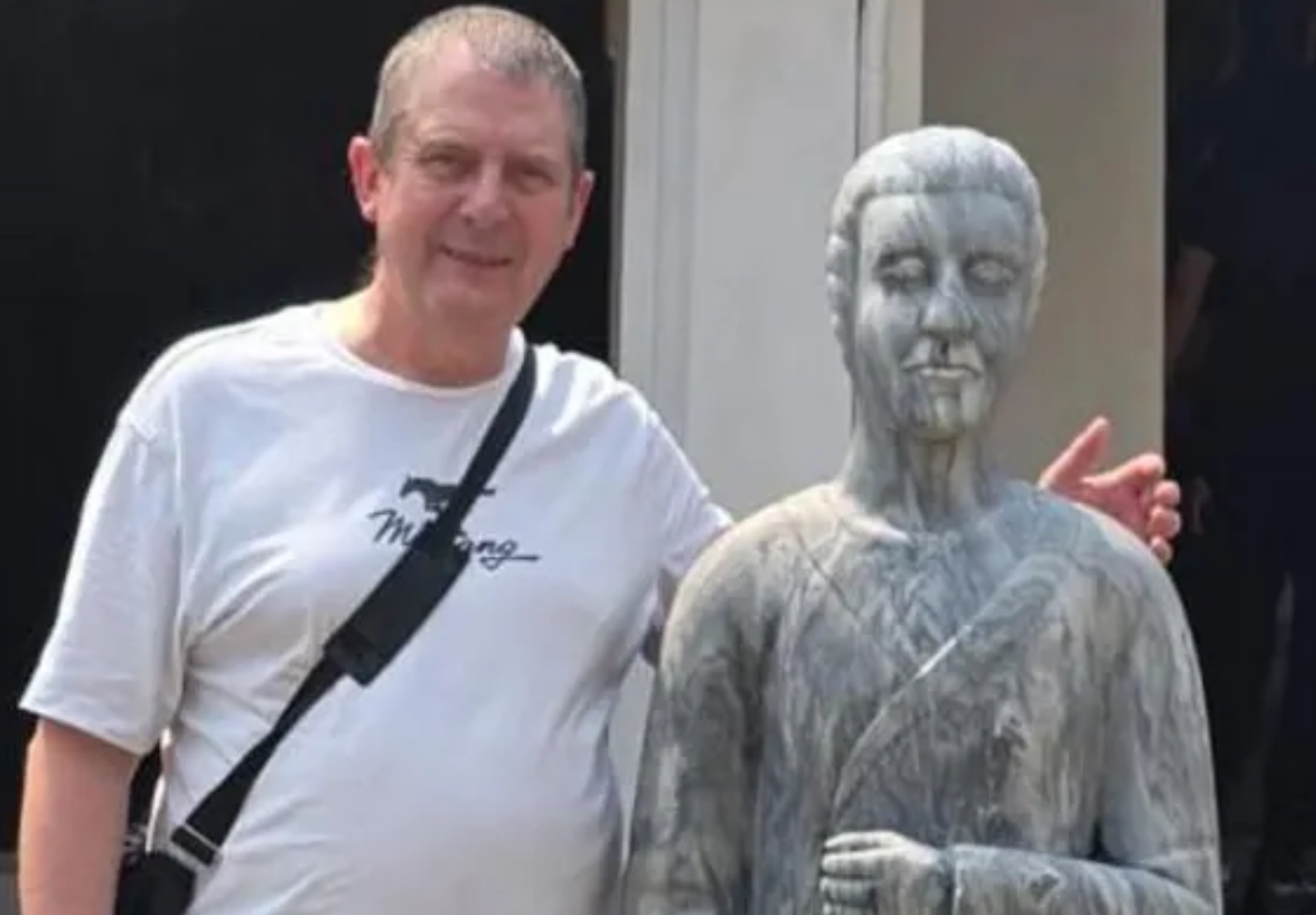
ASOS co-founder Quentin Griffiths had been convicted of fraud a months before falling to his death from the balcony of his 17th-floor flat in Pattaya. The 58-year-old retail tycoon died two days before a planned meeting with his ex-wife’s lawyers that could have affected his prison sentence. Police in Thailand are treating the fall as suicide.

Get today's headlines by email

Griffiths was convicted on 21 October last year and sentenced to 18 months’ imprisonment. He had appealed the ruling and, under Thai law, was able to remain free while the appeal was pending. Authorities said he had been accused of falsifying documents to remove his ex-wife, Ploy, as a director of a firm used to hold property for a family home in an alleged £500,000 fraud.

He was arrested at Bangkok airport on 15 January last year after arriving on a first-class flight from London. Footage showed him being led to a police car and driven away. Police chief Lt Col Worapoj Lallitjirakul said: “The court convicted him. He was sentenced to one year and six months in prison on October 21.”


Pictures courtesy of The Sun of the moment ASOS co-founder Griffiths was arrested when he landed in Thailand

Griffiths had been due to meet lawyers representing Ploy in February, in an effort to reach a deal that might have kept him out of prison. Two days before that meeting, he fell from the balcony of his Pattaya condominium. Police and medics found him on the ground below and his exact cause of death will not be confirmed until a full post-mortem reported is completed.

Following his death, Ploy, 43, reported to local police that their three children had been abducted. Griffiths had previously won custody after a court battle, but she said she fears they are now being cared for in England by his family, despite her now being their legal guardian. She said: “I have no knowledge of any business problems he may have had. I am deeply concerned for the safety and wellbeing of all three. I do not know where they are, and I have been unable to contact them.”

The Sun reported that Griffiths, a former advertising executive, co-founded ASOS and later stepped down as marketing director after four years. He made £15 million from share sales in 2010 and received another stock windfall in 2013. His family declined to comment.


CCTV image shows Quentin Griffiths arriving back at the luxury apartment block in Pattaya where he lived – in one of the last pictures before his death

Original stories

Ex-wife-again-denies-link-to-ASOS-co-founders-death

British-ASOS-co-founder-dies-in-Pattaya-fall

Join the discussion?

Already a member?

Adapted by ASEAN Now TheSun 1 Mar 2026
Georgealbert
Georgealbert
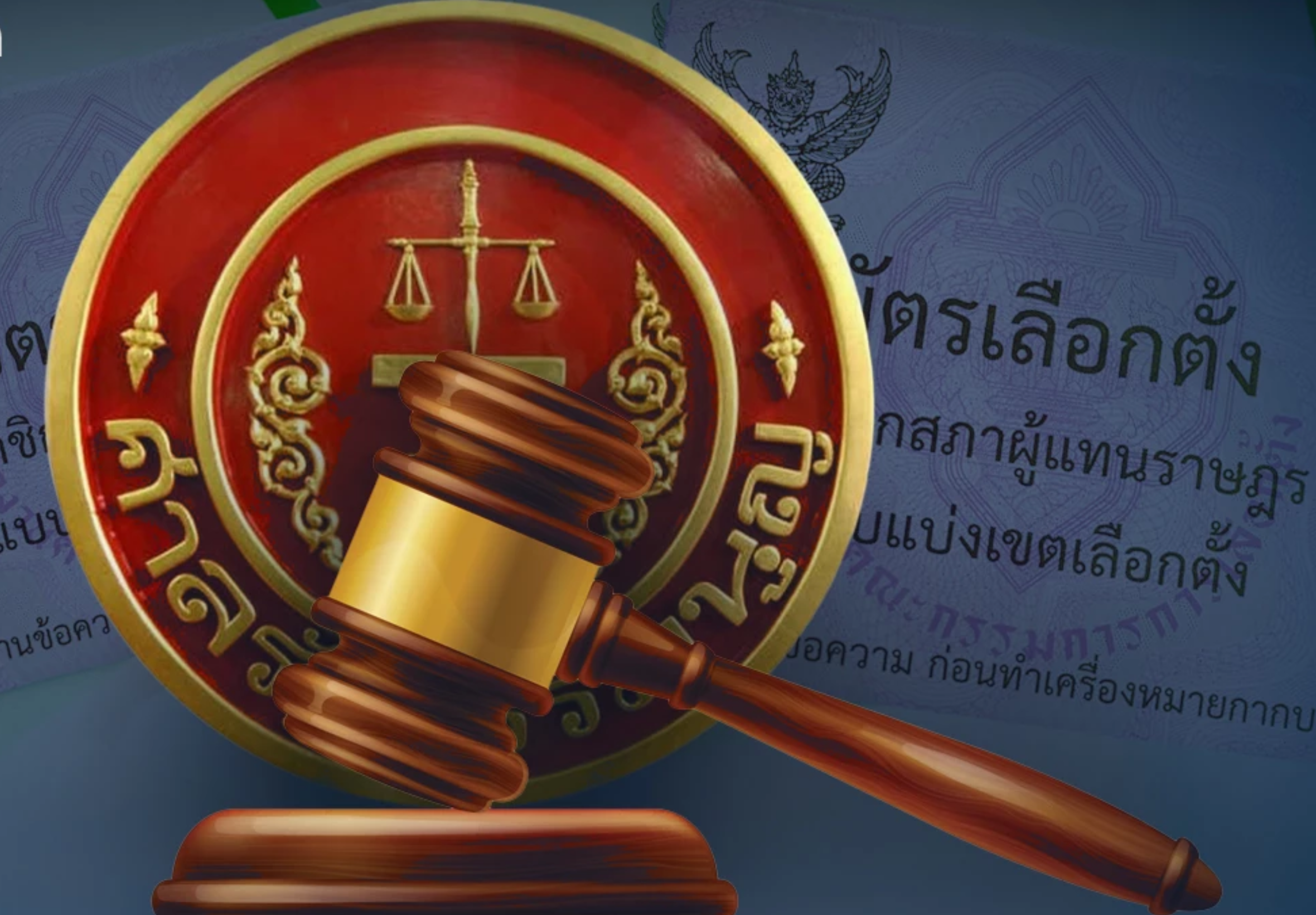
The People’s Party has called on the Election Commission (EC) to clarify concerns surrounding the 8 February 2026 general election and to halt legal action against members of the public and media. In a Facebook post on 28 February 2026, the party said the EC should address questions transparently rather than respond with what it described as disproportionate lawsuits that risk being viewed as attempts to silence scrutiny.

Get today's headlines by email

The party cited multiple concerns raised since the poll, including delays in reporting results on the EC website, the discovery of tally sheets (Form Sor.Sor. 5/11) in areas resembling rubbish piles, and discrepancies between tally sheets (Sor.Sor. 5/11) and official result reports (Sor.Sor. 5/18) at certain polling stations. It also questioned the certification of constituency MPs before 100% of votes had been announced or turnout figures disclosed, recounts in some units that led to significant vote changes, and the ballot design featuring barcodes that could potentially be traced back to individual voters.

According to the party, rather than holding open briefings to answer questions from the public and media, the EC has relied on one-way written statements. On the night of 27 February, the EC issued a statement confirming it had filed complaints with the Crime Suppression Division against individuals who examined ballot-related issues, including events on 22 February during a re-run at Polling Station 9, Constituency 15, Bangkok.

Those reportedly named in complaints are believed to include academics, civil society representatives, journalists and Parit Wacharasindhu, also known as “Ice Tim”, the party’s spokesperson. The People’s Party expressed strong disagreement with the EC’s decision, arguing that public oversight of state authorities is a fundamental democratic right that must be protected rather than undermined.

The party described the legal action as potentially amounting to a Strategic Lawsuit Against Public Participation (SLAPP), alleging it could impose time and financial burdens on defendants and create a climate of fear. It maintained that state agencies should instead facilitate public scrutiny and provide clear explanations.

Parit Wacharasindhu travelled to the Central Investigation Bureau’s complaint centre on 27 February to assert his innocence and request clarification of the allegations. He said he had attended the 22 February recount as an observer in a process conducted publicly and denied obstructing officials or receiving any warning at the time.

Naewna reported that the party’s legal team stated that if any complaint was found to be false or knowingly unfounded, it would pursue legal action against the EC. Amid ongoing public doubts about the election’s management, the party said restoring confidence required transparency and verifiable processes rather than litigation.

Key Takeaways

• The People’s Party has urged the EC to explain election concerns and stop filing lawsuits against citizens and media.
• Complaints reportedly include allegations linked to scrutiny of ballot handling and a 22 February re-run in Bangkok.
• The party warns that legal action may be viewed as a SLAPP and says it will consider countermeasures if allegations are unfounded.

Join the discussion?

Already a member?

Adapted by ASEAN Now Naewna 28 Feb 2026
Georgealbert
Georgealbert
Two 18-year-old Chinese men were arrested in Kanchanaburi late on 26 February after allegedly entering Thailand illegally while attempting to reach Myanmar to work at a scam centre. The pair were found hiding in a rubber plantation in Thong Pha Phum district after reportedly begging villagers for food. Police have charged both with being foreign nationals entering and staying in the Kingdom without permission.

Get today's headlines by email

At 22.00 on 26 February 2569, Pol Maj Gen Phasavee Ruangphu, commander of Kanchanaburi Provincial Police, and Pol Col Parinya Khaikruan, superintendent of Thong Pha Phum Police Station, received a report from officers that villagers had spotted two young Chinese men asking for rice to ease their hunger. The men were said to be hiding in a rubber plantation in Ban Prang Kasi, Moo 3, Tha Khanun subdistrict, Thong Pha Phum district.

Officers used torches to search the area at night and found the pair living in the forest and appearing exhausted and only having the clothes they were dressed in. They were taken to Thong Pha Phum Police Station for questioning and identified as Mr Husi Yu, aged 18, and Mr Zhao Hai Rui, aged 18, both Chinese nationals.

Questioning was difficult as the two could not speak Thai. However, officers understood that they had travelled by car from Cambodia into Kanchanaburi province in stages using four vehicles, intending to cross illegally into Myanmar to work at a scam centre. The fourth vehicle reportedly dropped them by the roadside at Ban Prang Kasi, promising to return, but no one came back.

Fearing arrest, the pair hid in the rubber plantation and eventually sought food from villagers when they became hungry. They were subsequently detained and handed to investigators to face legal proceedings.

Authorities said the arrests come amid heightened efforts to prevent so-called “grey Chinese” scam groups from relocating operations near Phaya Tong Su in Myanmar. Since October 2025, security agencies have recorded arrests involving 45 people on highway 323.

Kanchanaburi governor Waristha Sanguansermsri, deputy governor Wutthipong Suphakwanich, provincial clerk Kamolchaya Prasertsil, and Thong Pha Phum district chief Anusorn Sangaesaeng have instructed officials to work with local hotel, resort and homestay operators. Meetings were held with Pol Col Parinya Khaikruan and Col Piyanet Phatsatsawatwong, deputy commander of the Lat Ya Task Force under Surasi Force, to urge stricter guest checks along Highway 323.

Matichon reported that a Line group has been established for rapid reporting of suspected groups, and the “Police Care” application has been promoted to help the public check warrants, fines and mule accounts. Investigations and legal proceedings against the two men are ongoing.

Key Takeaways

• Two 18-year-old Chinese nationals were arrested in Thong Pha Phum after allegedly entering Thailand illegally from Cambodia.
• Police say the pair intended to cross into Myanmar to work at a scam centre but were abandoned and later sought food from villagers.
• Authorities have intensified monitoring along Highway 323, with 45 people arrested in related cases since October 2025.

Join the discussion?

Already a member?

Adapted by ASEAN Now Matichon 28 Feb 2026
Georgealbert
Georgealbert
Thai and Lao military forces have agreed to intensify joint efforts to combat drug trafficking and transnational crime along the Mekong River, following a bilateral meeting held on 26 February 2026. The initiative includes coordinated river patrols aimed at curbing illegal border crossings, cross-border narcotics smuggling and online scam operations. The move signals strengthened security cooperation between the two neighbouring countries.

Get today's headlines by email

The meeting took place at the conference room of the Third Lao–Thai Friendship Bridge international checkpoint in Laos. Colonel Suphat Chutinan, Commander of Control Division 1 of the Surasak Montri Task Force (R.3), joined the operation alongside Major General Mongkol Hothong, Commander of the Surasak Montri Task Force, who serves as head of the Thai–Lao Border Coordination Unit for the Nakhon Phanom–Khammouane sector. Colonel Bounlert Bupphavan, Head of Military Affairs at the Khammouane Provincial Military Command of Laos, co-chaired the session.

The meeting brought together security commanders from both Thailand and Laos to advance cooperation on preventing and suppressing drug trafficking networks and other illegal activities. Discussions also addressed measures to counter online fraud syndicates, commonly referred to as scammers, operating across borders. The talks form part of ongoing coordination between Nakhon Phanom province and Khammouane province.


Following the meeting, the co-chairs presided over the launch of a joint water patrol along the Mekong River. The patrol aims to demonstrate close cooperation in intercepting illegal immigration, cross-border drug transport and scam-related activities, as well as other criminal offences along the frontier. Authorities stated that the operation is intended to enhance rapid coordination and effective responses to emerging security threats.


The joint patrol also seeks to strengthen mutual understanding and professional ties between the security agencies of both nations. Officials emphasised the importance of timely information sharing and operational readiness in maintaining border stability. The cooperation reflects broader regional efforts to tackle transnational crime affecting communities along the Mekong.

Kaoded reported that further coordination meetings and continued patrols are expected as both sides pursue sustained enforcement measures. Authorities indicated that collaboration would remain ongoing in response to evolving criminal tactics.


Pictures courtesy of kaoded

Key Takeaways

• Thai and Lao forces met on 26 February 2026 to strengthen action against drugs and transnational crime.
• The agreement includes joint Mekong River patrols targeting illegal crossings and online scam networks.
• Security commanders from Nakhon Phanom and Khammouane pledged continued coordination and rapid response.

Join the discussion?

Already a member?

Adapted by ASEAN Now Kaoded 28 Feb 2026
Georgealbert
Georgealbert
Fifteen migrant workers were injured when a pick-up truck transporting employees overturned in Chonburi on the morning of 28 February 2026. The crash occurred at around 07:00 on the parallel road to Motorway 7, Section 2, inbound to Chonburi, at kilometre marker 98+200 in Nong Kham subdistrict, Si Racha district. Emergency responders provided first aid at the scene before transferring the injured to local hospitals.

Get today's headlines by email

The Sawang Prateep Si Racha rescue centre received the report and coordinated ambulances to attend the incident. Officers found a white Toyota Vigo pick-up truck, registration from Chonburi, which had been modified to transport workers, overturned and damaged on its side at the roadside. Approximately 20 workers were travelling in the vehicle and 15 sustained injuries, 14 women and one man, all Myanmar nationals.

Injuries reported included head wounds, abrasions and broken arms and legs, and general swelling and pain. Bystanders assisted by moving the injured to the roadside to ease traffic flow while awaiting emergency services. Rescue workers administered initial treatment before transporting the casualties to hospitals in the area.


A passerby told authorities that he arrived to find the vehicle already overturned and numerous injured passengers at the scene, prompting him to alert rescue services. The driver, a Myanmar national, later stated through an interpreter that another vehicle had overtaken and sideswiped his truck. He said he swerved left in shock, causing him to lose control of the vehicle and overturn.

According to police, the vehicle was reportedly transporting employees of a farm at the time of the incident. Pol Lt Kiattisak Jaihan, Deputy Investigation Inspector at Nong Kham Police Station, documented the scene as evidence. Officers are reviewing CCTV footage along the route to identify the other vehicle involved and pursue legal action.

Amarin reported that ivestigations are ongoing to determine the precise cause of the crash. Authorities have not yet confirmed details of the unidentified vehicle allegedly involved in the sideswipe or what legal actions will be taken.


Pictures courtesy of Amarin

Key Takeaways

• Fifteen Myanmar migrant workers were injured after a modified pick-up truck overturned in Si Racha on 28 February 2026.
• The driver alleged that an unidentified vehicle sideswiped the truck, causing him to swerve and lose control.
• Police are examining CCTV footage to trace the other vehicle and continue their investigation.

Related stories

Five-dead-six-injured-in-Chainat-pickup-crash

Four-dead-as-suv-hits-pole-in-Prachuap-crash

Join the discussion?

Already a member?

Adapted by ASEAN Now Amarin 28 Feb 2026
Georgealbert
Georgealbert
A 56-year-old Chinese man has been arrested in Songkhla province for overstaying his visa by 335 days, as immigration police intensify a regional crackdown on foreign nationals residing illegally in southern Thailand. The arrest forms part of a coordinated enforcement operation which is running from 23 February to 2 March 2026. Authorities said the campaign aims to prevent transnational crime and maintain national security.

Get today's headlines by email

The suspect, identified as Mr. Li Lijun, was detained on 27 February 2026 outside a dormitory in Khao Rup Chang subdistrict, Mueang district, Songkhla. The operation was conducted by Investigation Unit 1 of Immigration Division 6 under the direction of Pol Lt Gen Phanumas Boonyalak, Commissioner of the Immigration Bureau, and Pol Maj Gen Chutharet Yingyongdamrongsakul, Commander of Immigration Division 6. The team was led by Pol Lt Col Seksan Tangkhongnut, Inspector of Investigation Division 6.

Passport checks confirmed that Mr. Li had remained in the Kingdom beyond the expiry of his permitted stay for 335 days. He was charged with being a foreign national who remained in the Kingdom after his permission had expired, overstay. Officers transferred him to investigators at Mueang Songkhla Police Station for legal proceedings.

Following prosecution, he will be deported and placed on a blacklist barring re-entry to Thailand in accordance with regulations. Immigration officials reiterated that enforcement measures are being stepped up across all areas under Immigration Division 6’s jurisdiction in the South. The sweep specifically targets foreign nationals residing without valid authorisation.

The crackdown aligns with national policy directives mandating strict checks on undocumented foreign residents. Authorities stated that the operation is designed to curb cross-border criminal activity and safeguard Thailand’s security image. Officers have been instructed to conduct thorough inspections throughout the designated enforcement period.

Daily News reported that further arrests may follow as inspections continue through 2 March. Immigration Division 6 confirmed that operations will proceed across southern provinces within its area of responsibility. Officials have urged compliance with immigration laws and warned that violators will face prosecution, deportation and blacklisting.

Key Takeaways

• A 56-year-old Chinese national was arrested in Songkhla for overstaying his visa by 335 days.
• The detention forms part of a southern enforcement drive running from 23 February to 2 March 2026.
• Authorities confirmed he will face prosecution, deportation and blacklisting from re-entry.

Related stories

Nigerian-man-arrested-in-nonthaburi-for-overstay

Malaysian-arrested-after-faked-kidnap-in-Bangkok

Join the discussion?

Already a member?

Adapted by ASEAN Now Dailynews 28 Feb 2026
Georgealbert
Georgealbert
The President of the Supreme Court has appointed a nine-member independent inquiry panel to investigate allegations that Ekawit Watcharawaluk, a commissioner of the National Anti-Corruption Commission (NACC), accepted 246 baht-weight of gold as a bribe linked to a high-profile online gambling case. The appointment was announced on 26 February under constitutional and organic law provisions governing criminal proceedings against political office holders. The move formally initiates a fact-finding process into alleged misconduct.

Get today's headlines by email

The development follows a petition submitted by Pol Col Pakphoom Pitsamai, a former close aide to Pol Gen Surachate Hakparn, widely known as “Big Joke”, a former Deputy National Police Chief. Pol Col Pakphoom lodged a letter with the President of Parliament seeking action through the Supreme Court against Mr Ekawit. The complaint alleges that the NACC commissioner received 246 baht-weight of gold to assist Pol Gen Surachate in a case involving online gambling networks.

Subsequently, the Supreme Court issued an announcement appointing an “independent inquiry panel” under Section 82 and Section 236 of the Constitution of the Kingdom of Thailand, together with Sections 49 and 50 of the Organic Act on Criminal Procedure for Persons Holding Political Positions B.E. 2560 (2017). These provisions empower the President of the Supreme Court to establish a panel of no fewer than seven members to investigate allegations that an NACC commissioner engaged in corruption, intentionally performed duties contrary to the Constitution or law, or seriously breached ethical standards.

The President of the Senate, acting as President of Parliament, formally notified the President of the Supreme Court that there were reasonable grounds to suspect Mr Ekawit of misconduct as alleged. This notification triggered the appointment of the independent panel.

The nine appointed members are: Chawalit Isaradej; Phedim Petchkul; Athikom Intookti; Sakorn Tangwanwiboon; Adisorn Chaikup; Sanchai Chanphong; Professor Paitchit Eakchariyakorn; Professor Sakda Thanithakul; and Professor Wicha Mahakhun. The panel is tasked with examining the facts and providing an opinion on the allegations.

Matichon reported that the inquiry panel will now conduct its investigation in accordance with the relevant constitutional and statutory framework. Its findings and opinion will determine whether further legal proceedings are warranted under the law governing political office holders.

Key Takeaways

• The Supreme Court has appointed a nine-member independent panel to investigate bribery allegations against NACC commissioner Ekawit Watcharawaluk.
• The complaint alleges receipt of 246 baht-weight of gold to assist Pol Gen Surachate Hakparn in an online gambling case.
• The inquiry is conducted under constitutional and organic law provisions relating to misconduct by political office holders.

Related stories

Big-joke-lawyer-asks-amlo-to-probe-alleged-bias-rights-breaches

Big-joke-files-defamation-case-against-former-aide

Join the discussion?

Already a member?

Adapted by ASEAN Now Matichon 28 Feb 2026
Georgealbert
Georgealbert
Farm-gate prices for Thailand’s Nam Hom (aromatic) coconuts have fallen sharply to just 1–2 baht per fruit, pushing growers towards financial ruin. The slump has prompted urgent action from Commerce Minister Suphajee Suthumpun, who has ordered officials to closely monitor the situation and assist farmers and entrepreneurs across the supply chain. Authorities are also expanding export efforts and investigating nominee firms accused of distorting the market.

Get today's headlines by email

Suphajee said the Ministry of Commerce has been tracking the price decline and had previously implemented comprehensive support measures since July 2025. Nantapong Chiralerspong, Director of the Trade Policy and Strategy Office (TPSO) and ministry spokesman, said agencies have coordinated efforts to tackle the low-price problem.

The Department of Internal Trade had divided its response into three phases. During the first round of low prices from July to September 2025, it absorbed 830,000 coconuts, opened purchase points offering above-market prices in Bang Phae district, Ratchaburi province and organised pre-orders and CSR activities with major private companies and government agencies.

In the second round, from November to December 2025, 460,000 coconuts were absorbed. Measures included linking provincial commerce networks, orders via the MOC GO app, distributing coconuts through petrol stations including PT, Susco, PTT and Bangchak in Bangkok and surrounding areas, and promoting consumption through MasterChef Thailand Season 7.

The third round, from late January 2026 to the present, targets management of 1 million coconuts. Purchase points offering above-market prices have opened in Ratchaburi, Samut Sakhon, Samut Songkhram and Songkhla, alongside sales points in Bangkok and nearby areas, Thong Fah fairs and coordination with modern trade operators and private firms.

Despite a global surge in demand for Thai coconut water, growers report limited benefit from export growth. Industry leaders attribute the collapse to foreign investors, predominantly from China, who they say operate through local nominee companies and now control much of the supply chain.

Natthasak Manusrungsri, managing director of K-Fresh and owner of the All Coco brand, said the industry ecosystem is being hollowed out by foreign capital using nominee firms. “The most heart-breaking reality is that farmers are being squeezed to the point of no return,” he said, warning that growers cannot afford fertilisers or irrigation, leading to stunted fruit and inferior flavour.

In Ratchaburi and other key provinces, foreign-funded factories have expanded rapidly, reportedly renting plantations, building high-speed processing plants and managing their own logistics. Industry sources warned that without protective measures, Thai operators risk displacement from the market.

The Nation reported that calls for intervention are increasing to safeguard local producers and stabilise prices. The future of Thailand’s aromatic coconut sector now depends on whether regulatory or protective measures are introduced.


Picture courtesy of The Nation

Key Takeaways

• Farm-gate prices for Nam Hom coconuts fell to 1–2 baht per fruit.
• The Commerce Ministry has implemented phased absorption measures totalling more than 2.29 million coconuts since July 2025.
• Industry leaders blame foreign-backed nominee firms for controlling the supply chain and suppressing farm prices.

Join the discussion?

Already a member?

Adapted by ASEAN Now Nation 28 Feb 2026
Georgealbert
Georgealbert
Immigration police have arrested a Chinese national wanted by authorities in the People’s Republic of China on fraud charges, as part of an intensified crackdown on foreign fugitives under the “Turn Back Crimes” initiative. The suspect was detained in Chiang Mai after coordination with Chinese officials. Her permission to stay in Thailand had been revoked prior to her arrest.

Get today's headlines by email

The operation follows instructions from Pol Lt Gen Phanumart Boonyalak, Commissioner of the Immigration Bureau, directing all units to increase surveillance of foreign nationals who may be evading prosecution abroad or posing risks to public order in Thailand. The directive includes close cooperation with domestic and international security agencies and forms part of a broader campaign targeting overstayers in the Kingdom.

The suspect, Ms Chang Li, 42, a Chinese national holding a Chinese passport, was the subject of a cooperation request from Chinese authorities in Thailand regarding alleged fraud offences. Investigators from Division 1 of the Immigration Bureau’s Investigation Division determined that she entered Thailand on 7 December 2025.

Further enquiries found that she was residing in Village No. 8, Chai Sathan subdistrict, Saraphi district, Chiang Mai province. Officers conducted checks at the address and confirmed that she matched the description of a person whose permission to stay in the Kingdom had been revoked.

She was formally notified of the revocation order and taken to Chiang Mai Immigration for further legal proceedings. Authorities stated that the action was carried out in accordance with immigration law and established coordination procedures.

Officials said the arrest reflects strengthened enforcement measures aimed at identifying and apprehending foreign nationals wanted abroad. The Immigration Bureau confirmed that further legal processes will proceed in line with Thai law and relevant coordination with Chinese authorities.


Picture courtesy of InsideThailand

Key Takeaways

• A 42-year-old Chinese national wanted for fraud was arrested in Chiang Mai.
• Her permission to stay in Thailand was revoked before her detention.
• The arrest forms part of the Immigration Bureau’s “Turn Back Crimes” enforcement campaign.

Related Stories

Join the discussion?

Already a member?

Adapted by ASEAN Now InsideThailand 28 Feb 2026
Georgealbert
Georgealbert
The Royal Thai Navy’s Second Naval Area Command rescued 25 foreign crew members after they were left adrift at sea for three days following the alleged hijacking of their vessel. The operation was launched on 25 February 2026 after authorities received a report from the vessel Thanadol 2 that around 10 people were spotted floating in a raft. The location was given as bearing 055, 75 nautical miles from the Songkhla bar light buoy.

Get today's headlines by email

In response, HTMS Tayan Chon was deployed to support the Thai Maritime Enforcement Command Centre Region 2 (Thai MECC Region 2) in conducting a search and rescue mission. Upon arrival near an offshore drilling platform, naval personnel located and recovered a total of 25 foreign nationals. The group consisted of one Georgian, 11 Pakistanis and 13 Iranians.

Preliminary questioning established that all those rescued were crew members of the vessel MT OMRA (VLCC). They stated that the ship, a crude oil tanker, had been hijacked by armed perpetrators at bearing 035, approximately 24.4 nautical miles from Horsburgh Lighthouse in Singapore. During the incident, the crew managed to escape using a rubber dinghy and subsequently drifted at sea for three days before being found.


The crew reported spending the three-day period exposed to the elements while awaiting assistance. Naval forces transported all 25 individuals safely to the pier at Songkhla Naval Base under the Second Naval Area Command. From there, they were handed over to police authorities to proceed with investigations and related legal procedures.

No further operational details have been released regarding the circumstances of the hijack or the status of the vessel MT OMRA. Authorities have not confirmed whether the ship remains under the control of the perpetrators or if additional maritime security measures have been initiated in the area.

The incident occurred in waters along a major international shipping route near Singapore, an area known for heavy commercial traffic. While officials have not publicly detailed cross-border coordination, further inquiry is expected given the proximity to Singaporean waters.

Investigations will now focus on gathering formal statements from the rescued crew and clarifying the sequence of events leading to the hijack. Maritime and law enforcement agencies are expected to coordinate on any follow-up action as the case develops.


Pictures courtesy of NBT

Key Takeaways

• The Second Naval Area Command rescued 25 foreign crew members on 25 February 2026 after they drifted at sea for three days.
• The crew reported their vessel MT OMRA (VLCC) was hijacked by armed perpetrators near Horsburgh Lighthouse in the Republic of Singapore.
• All rescued individuals were taken to Songkhla Naval Base and handed over to police for further investigation.

Join the discussion?

Already a member?

Adapted by ASEAN Now NBT 28 Feb 2026
Georgealbert
Georgealbert
The governments of Thailand and China have finalised a Government-to-Government (G-to-G) agreement for the sale of 40,000 tonnes of Thai rice. Deliveries under the deal are scheduled to begin gradually from February 2026 onwards. The agreement is seen as reinforcing export momentum and supporting domestic rice price stability.

Get today's headlines by email

The announcement was made on Friday, 27 February 2026, by Commerce Minister Suphajee Suthumpun, who described the deal as a significant step reflecting the strong relationship and long-standing rice trade cooperation between the two countries. She said the Department of Foreign Trade has been instructed to continue negotiations to facilitate further sales. The move is intended to accommodate the upcoming off-season rice harvest entering the market and to help stimulate Thai rice exports.

Suphajee noted that G-to-G rice negotiations are complex and require multiple stages of consideration, particularly for 5% white rice, which China is seeking and where pricing remains a crucial factor. She and Prime Minister Anutin Charnvirakul discussed the matter during a meeting held at the invitation of Zhang Jianwei, Ambassador of the People’s Republic of China to Thailand. During the talks, the Chinese side expressed its intention to expedite additional rice purchases to reach a target of 500,000 tonnes by the end of 2026.


Officials emphasised the exclusive nature of the trade relationship, stating that China conducts G-to-G rice trade only with Thailand. The Ministry of Commerce has directed the Department of Foreign Trade to closely monitor global rice market conditions and pricing trends while continuing negotiations. The government is also advancing trade delegation plans and expanding promotional efforts to increase Thai rice market share worldwide.

Arada Fuangtong, Director-General of the Department of Foreign Trade, said activities are planned to penetrate both established and high-potential new markets. These efforts target high-quality and healthy rice markets in Germany, Switzerland, the United States, Canada, China, the United Arab Emirates, Saudi Arabia and Australia. The ministry is also promoting the potential of SMEs in line with the minister’s directives.

The Nation reported that further negotiations are expected as Thailand works towards supporting China’s broader target of 500,000 tonnes by 2026. Authorities will continue monitoring global market developments while accelerating export promotion initiatives. The gradual delivery schedule for the 40,000-tonne agreement is already under way.


Pictures courtesy of The Nation

Key Takeaways

• Thailand and China have agreed a 40,000-tonne G-to-G rice deal, with deliveries starting from February 2026.
• China aims to increase total rice purchases from Thailand to 500,000 tonnes by 2026.
• The Ministry of Commerce is expanding export promotion and market penetration efforts globally.

Related Story

Thai-rice-exports-fall--as-baht-strengthens

Join the discussion?

Already a member?

Adapted by ASEAN Now Nation 28 Feb 2026
Georgealbert
Georgealbert
A 30-year-old Chinese man was found dead in a hotel room in central Chiang Mai on 27 February 2026. Police from Muang Chiang Mai Police Station received a report of a body inside a hotel room and attended the scene with a forensic doctor from Maharaj Nakorn Chiang Mai Hospital and rescue workers from Petchkasem Chiang Mai Foundation.

Get today's headlines by email

Officers discovered the man lying beside the bed in room 308, wearing only trousers and surrounded by a significant amount of blood. He had a severe wound to his left wrist, which appeared to be the source of the bleeding. A fruit knife was found on the bedside table, along with an opened bottle of alcohol that was about half full.

Medication and medical records from a private hospital in Chiang Mai were also found in the room. Police reported no signs of a struggle or ransacking and there were no visible injuries other than the wound to the left wrist.


Hotel staff told officers that the man had checked in at around 4am on the same day and was due to check out at noon. When he failed to respond after repeated knocks by housekeeping staff past the check-out time, police and rescue workers were called to assist in opening the door, where the body was discovered.

Preliminary examinations at the scene found no evidence of assault. Investigators are gathering evidence to confirm the exact cause of death, but initial findings suggest the man may have taken his own life, possibly linked to health problems.

A diary written in Chinese was also found in the room, which police believe may indicate personal difficulties. Authorities have transferred the body to the forensic department at Maharaj Nakorn Chiang Mai Hospital for a detailed post-mortem examination.

Amarin reported that police are coordinating with the Chinese consulate to contact the man’s relatives so that funeral arrangements can be made. Further findings will depend on the results of the forensic examination and ongoing investigation.


Pictures courtesy of Amarin

Key Takeaways

• A 30-year-old Chinese man was found dead in a Chiang Mai hotel room on 27 February 2026.
• Police found a knife, alcohol, medical records and a diary, with no signs of a struggle.
• Authorities are awaiting forensic results and have contacted the Chinese consulate.

Join the discussion?

Already a member?

Adapted by ASEAN Now Amarin 28 Feb 2026
Georgealbert
Georgealbert
Thai Airways International has reported a net profit of 30.94 billion baht for 2025, marking a sharp turnaround from the previous year’s loss and signalling sustained recovery in the aviation sector. Chief Executive Officer Chai Eamsiri said total revenue, excluding one-off items, reached 190.28 billion baht, up 1.2% year-on-year and above pre-pandemic 2019 levels. The results reflect continued growth in passenger traffic and improved operational performance.

Get today's headlines by email

Operating expenses, excluding special items, rose 2% to 149.44 billion baht, in line with higher flight frequencies and passenger volumes despite lower average jet fuel prices. Earnings before interest and tax stood at 40.84 billion baht, while EBITDA (Earnings Before Interest, Taxes, Depreciation, and Amortisation) totalled 53.88 billion baht. Including special items, the airline recorded a net gain of 782 million baht, mainly from aircraft lease terminations and foreign exchange gains, partly offset by asset impairments, derivative losses and financial costs under TFRS 9 (Thai Financial Reporting Standard No. 9: Financial Instruments) amounting to 13.15 billion baht.

The company posted earnings per share of 1.09 baht, compared with a loss per share of 6.26 baht in 2024. As of 31 December 2025, total assets increased 3.9% to 304.06 billion baht, while total liabilities declined 7.6% to 228.15 billion baht. Shareholders’ equity rose to 75.91 billion baht, up more than 30 billion baht from a year earlier, and cash and cash equivalents, including short-term investments, stood at 123.56 billion baht.

Passenger revenue remained the primary driver of growth. Revenue passenger kilometres rose 8.3%, the average cabin factor improved to 79.2%, and the airline carried 16.46 million passengers, up 2% year-on-year. Air cargo volumes also expanded by between 8% and 9%.

Chai Eamsiri said the airline would continue its “Network Line” strategy to diversify revenue across regions and reduce exposure to geopolitical risks. The company has hedged around 50% of its fuel consumption to manage cost volatility.

Khaosod reported that in 2026, Thai Airways plans to take delivery of 14 Airbus A321neo and four Boeing 787-9 aircraft, operate 62 routes worldwide, and launch a Bangkok–Amsterdam service in July. The carrier also intends to increase flight frequencies to Auckland, China and India as part of its expansion strategy.

Key Takeaways

• Thai Airways recorded a net profit of 30.94 billion baht in 2025, reversing a loss in 2024.
• Revenue reached 190.28 billion baht, surpassing pre-pandemic 2019 levels.
• The airline plans fleet expansion and new routes in 2026, including Bangkok–Amsterdam.

Join the discussion?

Already a member?

Adapted by ASEAN Now Khaosod 28 Feb 2026
Georgealbert
Georgealbert

Account

Navigation

Search

Search

Configure browser push notifications

Chrome (Android)
  1. Tap the lock icon next to the address bar.
  2. Tap Permissions → Notifications.
  3. Adjust your preference.
Chrome (Desktop)
  1. Click the padlock icon in the address bar.
  2. Select Site settings.
  3. Find Notifications and adjust your preference.