Skip to content
View in the app

A better way to browse. Learn more.

ASEAN NOW

A full-screen app on your home screen with push notifications, badges and more.

To install this app on iOS and iPadOS
  1. Tap the Share icon in Safari
  2. Scroll the menu and tap Add to Home Screen.
  3. Tap Add in the top-right corner.
To install this app on Android
  1. Tap the 3-dot menu (⋮) in the top-right corner of the browser.
  2. Tap Add to Home screen or Install app.
  3. Confirm by tapping Install.

Thailand News

All the latest news stories from Thailand are written in English. Fresh news and stories from around the kingdom brought to you daily.
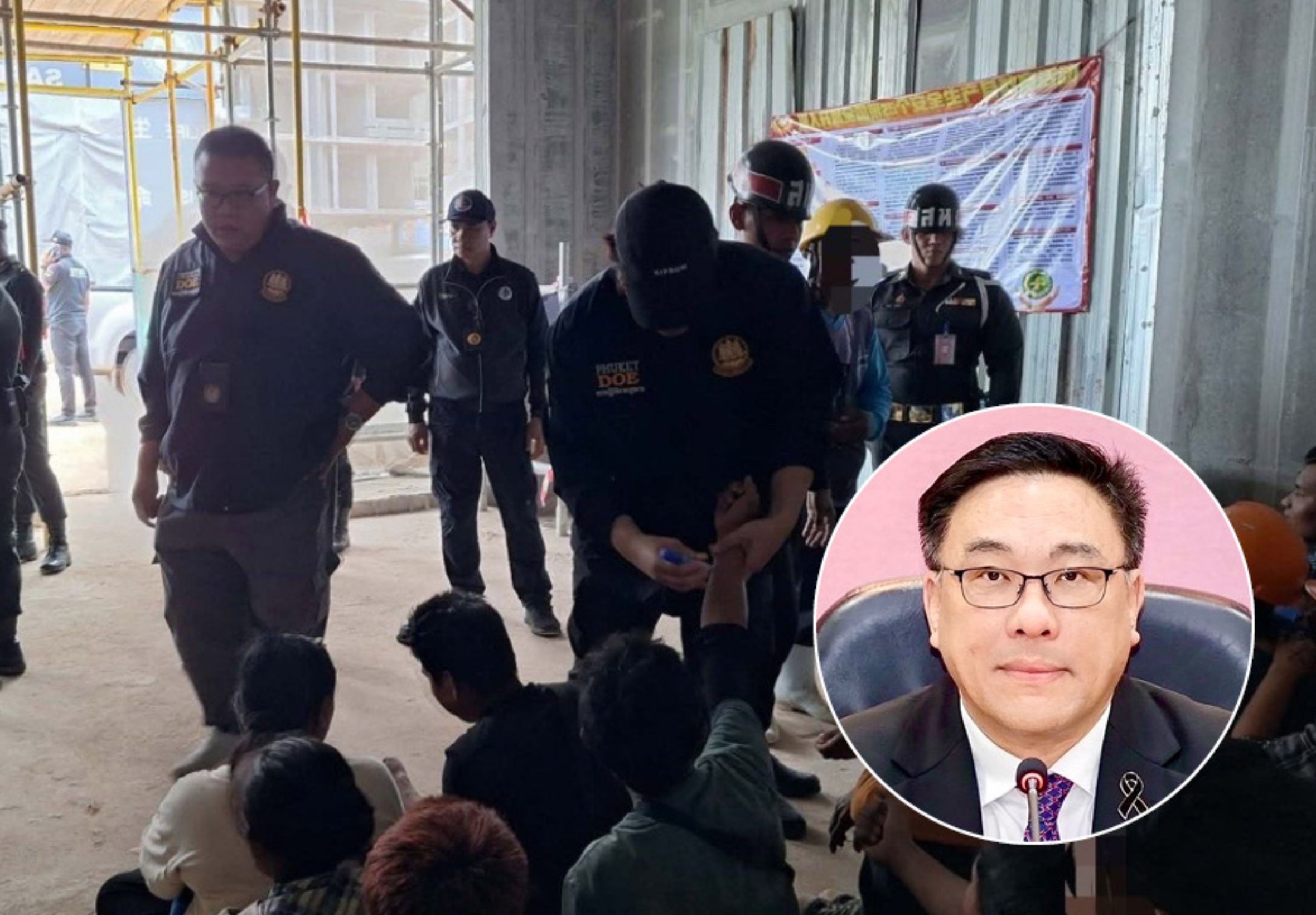
Julpun Amornvivat, Minister of Labour, said on 22 June that managing foreign workers is a key policy of the Ministry of Labour, aimed at balancing business labour demand with the protection of workers’ rights to international standards. He stressed that employers must have sufficient labour to operate effectively while foreign workers should be able to enter legal employment and receive appropriate welfare and protections.

Get today's headlines by email

He also highlighted strict enforcement against illegal entry and unauthorised work. The Department of Employment has been instructed to carry out nationwide inspections. Recent enforcement operations in Phuket identified a total of 69 foreign workers found to be in violation of the law.

Between 17 and 18 June 2026, the Phuket Provincial Employment Office carried out intensive inspections of foreign workers and workplaces across the province. On 17 June, officers inspected a restaurant in a shopping mall in central Phuket and found one South Sudanese male working without a permit. He was informed of the charges, detained, and transferred to Thalang Police Station for legal proceedings.

On 18 June, officials inspected a construction project in Cherng Talay, Thalang district, Phuket, where 68 foreign workers were discovered. The group included 56 Myanmar nationals working without authorisation or residing illegally in the Kingdom, and 12 Chinese nationals working without permits. All individuals were detained and sent to Cherng Talay Police Station for prosecution, while employers were also referred for legal action.

Somchai Morakotsriwan, Director-General of the Department of Employment, said the department has instructed its central registration and worker protection division, Bangkok employment offices, and provincial employment offices nationwide to work with security agencies in conducting proactive inspections. He said the aim is to prevent illegal employment and ensure compliance with labour regulations.

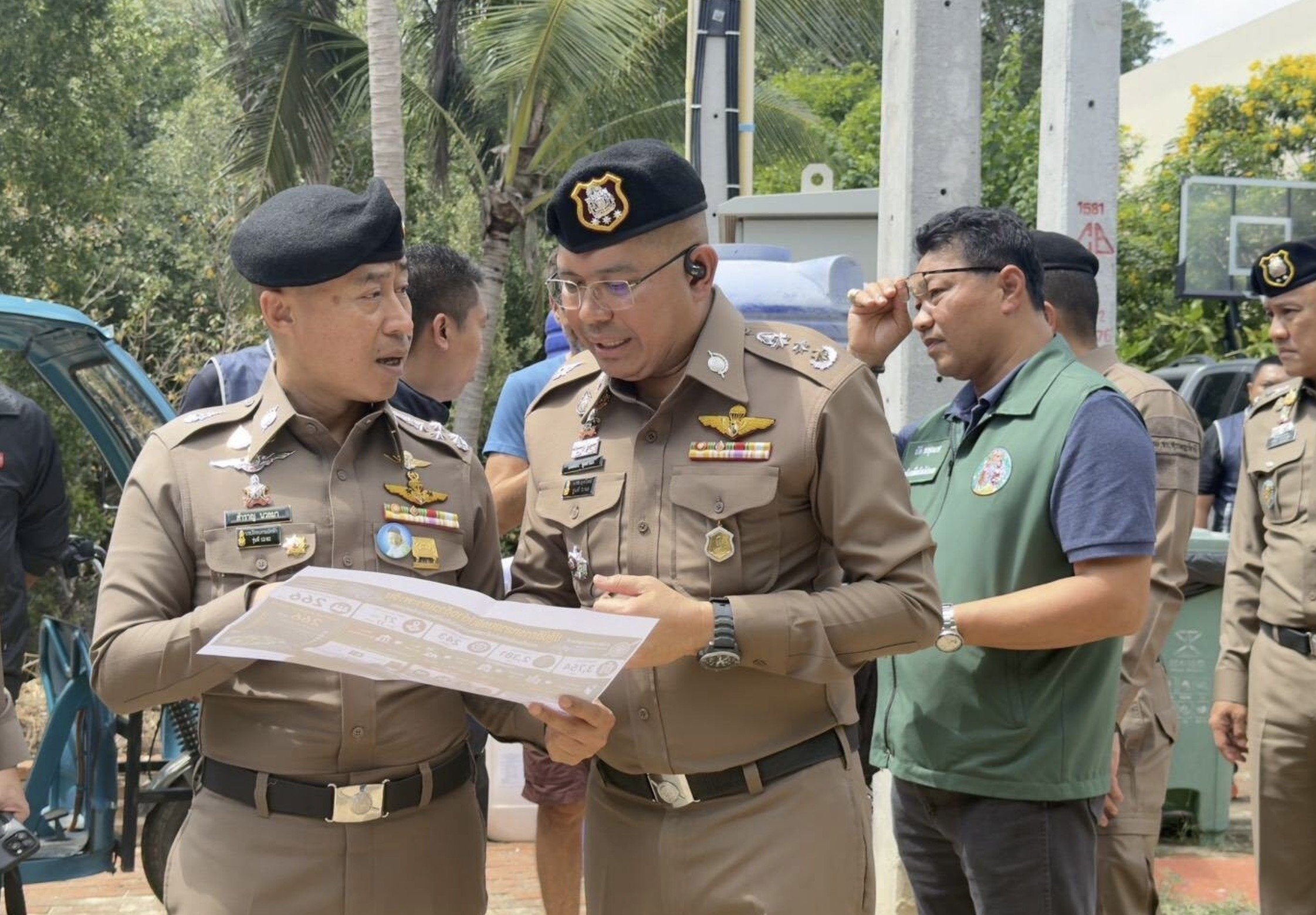
He also noted that on 20 June, officials participated in a coordinated operation with the Royal Thai Police and related agencies targeting foreign business operations and nominee networks in Phuket, supporting broader law enforcement efforts.

The Standard reported that authorities said the combined enforcement actions are intended to strengthen compliance among employers and foreign workers while reducing illegal employment practices. The inspections form part of a wider national strategy to regulate foreign labour and ensure proper legal channels are used for employment across sectors.


Picture courtesy of The Standard

Related story

Chinese-workers-held-in-Phuket-crackdown

Join the discussion?

Already a member?

Adapted by ASEAN Now TheStandard 23 June 2026
Georgealbert
Georgealbert
A paramotor pilot was injured after crashing at Wasukri Beach in Sai Buri district, Pattani province, southern Thailand, on the evening of 21 June 2026. The crash resulted in serious injuries, including a severely fractured leg that was visibly deformed. Emergency responders and local volunteers provided immediate assistance before the pilot was transported to hospital for urgent treatment.

Get today's headlines by email

According to reports, the incident occurred at a public beach area where members of the public witnessed the paramotor lose control and descend unexpectedly. The pilot came down onto the beach, prompting alarm among bystanders who quickly alerted emergency services. Rescue teams arrived at the scene shortly afterwards to assist with first aid and stabilisation.

The injured pilot was given initial medical support on site before being transferred to Somdej Phra Yupparaj Sai Buri Hospital for further treatment. Authorities confirmed that the pilot sustained a severe leg injury, though no further details regarding identity or condition have been released.


Picture courtesy of Naewna

Officials have not yet confirmed what caused the paramotor to lose control and fall. Investigators reviewed the scene and collect relevant information to help to determine the cause of the crash. No technical findings have been released at this stage. Authorities have stated that further details will depend on the outcome of the ongoing examination into the incident.

Naewna reported that the incident has prompted attention on safety procedures for recreational flying activities in coastal areas, although officials have not yet issued any specific conclusions or recommendations. At this stage, the focus remains on medical treatment for the injured pilot and the formal investigation into what led to the crash.

AQNHWZVFEbpQl2rtiaeuHixwxkFuKvOLvXDLbEucktrUvv72IfXi3Nc6vcUmhJWownMDQcgH7EJ0uPqohaLx2DAIE0V5h24TrLxmmM5U9g.mp4

Join the discussion?

Already a member?

Adapted by ASEAN Now Naewna 23 June 2026
Georgealbert
Georgealbert
Authorities in Krabi have launched an investigation into alleged illegal land acquisitions through nominee companies, uncovering extensive violations of Thailand’s Land Code. The operation targeted companies suspected of using Thai nationals to conceal foreign ownership of land and businesses.

Get today's headlines by email

The investigation was divided into two groups of offenders. The first focused on nominee companies, where nine firms were found to be holding 17 plots of land covering over 6 rai, with an estimated value of 209 million baht. The court approved 40 arrest warrants and 13 search warrants in connection with the cases.

The second group involved eight companies in which foreign shareholders allegedly held more than half of the shares. These firms controlled eight plots of land covering over 8 rai, with a combined value of approximately 290 million baht. The court authorised six search warrants as investigators gathered evidence and summoned individuals for questioning over the ownership structures.

Police successfully arrested 39 suspects, including 28 Thai nationals and 11 foreign nationals. Those detained comprised six Israelis, two Polish nationals, two Swiss nationals and one South African. Authorities allege the companies were operating as nominees in violation of Thai law.

One of the most significant cases involved Tropical House Co., a construction and property development company linked to Polish investors. The firm specialised in modern pool villas with swimming pools in Nuea Khlong, Nong Thale and Khao Thong, with properties starting at 11.5 million baht.

Investigators found that despite having a registered capital of 4 million baht and being officially listed as 100 per cent Thai-owned, the company controlled 16 plots of land valued at around 200 million baht. Authorities allege the business was actually managed by Polish nationals Ms. Katarzyna and her husband Mr. Kamil, who used Thai nominees to hold shares without making genuine investments.

Another key case involved Gunz Partnership Ltd., an entertainment and music services company in Krabi. Investigators allege the business was secretly owned by Mr. Stefan, a South African national, through Thai nominees who concealed his ownership interests.

Police said evidence indicated that a lawyer, identified by authorities only as Mr. W., and an auditor, identified only as Ms. S., played significant roles in preparing false documentation. Investigators allege the documents included the use of signatures belonging to deceased individuals to register and modify shareholder structures.

ThaiPost reported that authorities seized large quantities of evidence during the operation, including company registration documents, accounting records, computers, mobile phones and electronic data. The materials are now undergoing forensic examination as investigators expand the inquiry into wider networks linked to the alleged nominee arrangements.


Picture courtesy of ThaiPost

Related story

Police-seize-Phuket-Krabi-Phang-Nga-land-in-nominee-crackdown

Join the discussion?

Already a member?

Adapted by ASEAN Now ThaiPost 23 June 2026
Georgealbert
Georgealbert
Thailand’s Ministry of Public Health has introduced stricter administrative penalties for cannabis businesses, including licence suspensions of 30 to 90 days and immediate revocation for serious or repeated violations, in measures announced on 22 June 2026. The move is aimed at strengthening enforcement under the controlled herbal substance framework and standardising compliance across operators nationwide.

Get today's headlines by email

The Department of Thai Traditional and Alternative Medicine, under the Ministry of Public Health, issued new administrative guidelines under the Controlled Herbal Substance (Cannabis) Notification B.E. 2568. The rules apply to licensed operators involved in research, export, sale, or processing of controlled cannabis herbs for commercial purposes. Authorities said the updated framework is intended to ensure consistent enforcement and clearer compliance standards for both regulators and businesses.

Under the new system, a 30-day suspension will apply to offences such as failing to keep required reports PH.T 27 and PH.T 28 at premises, submitting incomplete or missing reports, or not forwarding reports to the registrar. It also covers selling cannabis products without Good Agricultural and Collection Practices (GACP) certification or equivalent standards, failing to display a licence publicly or electronically, and advertising controlled cannabis products.

A 90-day suspension will apply in more serious cases, including failing to report export details to authorities and selling cannabis without a medical prescription form PH.T 33 issued by a licensed professional. Authorities stated that suspension periods may be combined across violations but must not exceed 90 days under Section 52 of the Thai Traditional Medicine Protection and Promotion Act B.E. 2542.

Immediate licence revocation will be enforced for severe breaches. These include falsified PH.T 27 or PH.T 28 reports, and the sale of cannabis to vulnerable groups such as individuals under 20 years old, students, pregnant women, or breastfeeding mothers without a valid prescription. Other grounds include allowing on-site cannabis smoking, selling through vending machines or online platforms, and distribution in prohibited locations such as temples, dormitories, and public parks. Repeat offences of the same nature following a prior suspension will also result in revocation.

Dr Tewan Thaniarat, Deputy Director-General of the Department of Thai Traditional and Alternative Medicine, said the measures were designed to provide a unified enforcement standard for officials and operators. He added that inspections would be stepped up nationwide to ensure compliance and to support the safe, medical-focused use of cannabis while protecting young people and vulnerable groups.

The Standard reported that Dr Peera Kookasemkij, Director of the Cannabis Medical Division, said the framework would improve regulatory consistency between state agencies and private operators, with ongoing field inspections planned across regions.

Join the discussion?

Already a member?

Adapted by ASEAN Now TheStandard 23 June 2026
Georgealbert
Georgealbert
An Australian man has been arrested after crashing into a police checkpoint in Phuket and injuring a police officer before fleeing the scene in the early hours of 22 June 2026.

Get today's headlines by email

Police said they were notified of the crash at 01:05 at the Naka police checkpoint in Kamala subdistrict, Kathu district. The collision resulted in injuries to a police officer who was on duty at the time.

According to investigators, officers from Kamala Police Station were preparing equipment for a checkpoint operation when a white Toyota Yaris Ativ approached from Kamala towards Patong.

Police allege that the vehicle struck a checkpoint sign at high speed, sending it flying across the road and causing damage. Pol. Lance Cpl. Anuchit Chaocharoen was standing behind the sign while carrying out his duties and suffered injuries in the collision.


Following the crash, the driver allegedly left the scene. Police immediately launched a search operation to locate the vehicle and driver. Officers later intercepted the car in Patong and arrested the driver, identified as Australian national Petratos Kosta.

He was subsequently taken to Kamala Police Station for legal proceedings. The injured officer received assistance following the incident. Police have not yet released further details regarding the extent of his injuries, but are believed not to be serious.

The case has drawn attention to the risks faced by officers working at roadside checkpoints, particularly during late-night operations when visibility and traffic conditions can present additional challenges.

Authorities have confirmed that the investigation remains ongoing. Officers are continuing to examine the circumstances surrounding the crash and are gathering additional evidence to determine the events leading up to the incident, with legal action to follow.


Picture courtesy of Khaosod

Join the discussion?

Already a member?

Adapted by ASEAN Now Khaosod 22 June 2026
Georgealbert
Georgealbert
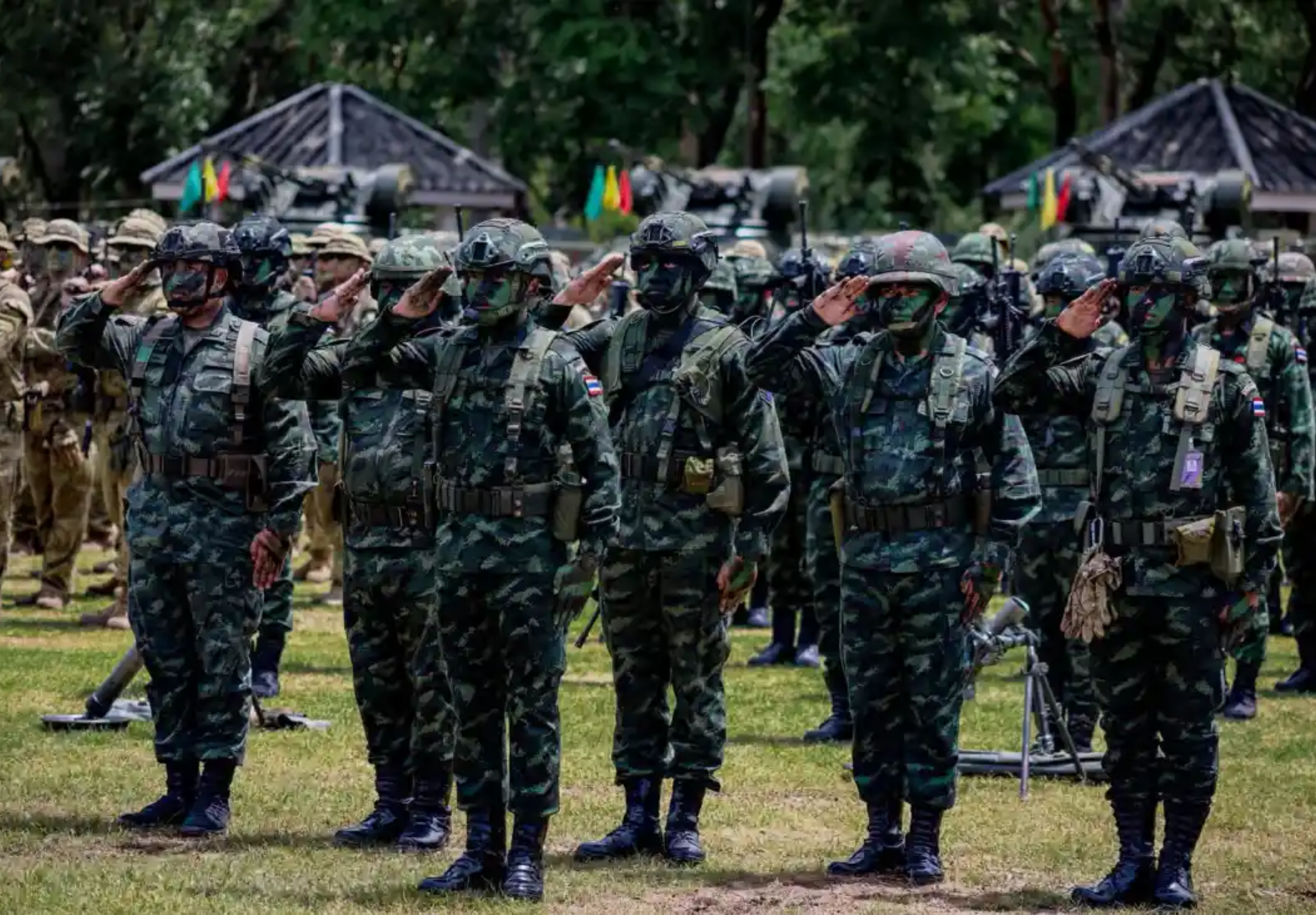
Thai and Australian forces launched the Chapel Gold 2026 joint military exercise in Prachinburi Province on 18 June 2026, aimed at strengthening bilateral military relations and enhancing operational readiness through combined training activities. The opening ceremony was presided over by Brig Gen Benjapol Dechatwong na Ayutthaya, Commander of the 2nd Infantry Division Royal Guard, at Chakraphong Camp, Mueang Prachinburi, Prachinburi Province.

Get today's headlines by email

This activity forms part of ongoing defence engagement between Thailand and Australia aimed at strengthening practical cooperation and readiness. The programme includes a range of joint activities such as forest survival training, conducted in a structured field environment, knowledge exchange sessions, and ice-breaking exercises designed to build familiarity and camaraderie between Thai and Australian personnel during the training period.

The exercise is hosted by the 2nd Infantry Division Royal Guard and focuses on improving shared tactical skills and mutual understanding while supporting effective coordination in field conditions, enhancing interoperability at the tactical level within a bilateral training framework. The ice-breaking component was designed to support team cohesion and improve working relationships between personnel from both nations in a multinational training environment.


Officials highlighted that the exercise represents an important step in strengthening defence cooperation between Thailand and Australia, with an emphasis on improving interoperability, coordination, and readiness for future joint operations under ongoing bilateral defence cooperation efforts.

It also serves as a platform for exchanging operational experience and building long-term professional relationships between participating forces, supporting sustained collaboration and mutual capability development. The initiative underscores continued efforts to enhance coordination and preparedness for future combined training and operational scenarios.


Pictures courtesy of Kaoded

Laoded reported that further training activities will continue as part of Chapel Gold 2026, with both sides expected to deepen practical cooperation and exchange operational experience throughout the exercise period, reinforcing joint preparedness and coordination capabilities and reinforcing bilateral defence ties and operational readiness over the duration of the exercises.

AQPNuSyNHdwvRMmE-rUD_zr29wLqLcvYjVpnwLhaMWBEUS5TvRR-nHYs1Y7lI8I2_ydFJ5FH98guRi7ursE2j75Nu4rRe3Uy8rFRcN3waw.mp4

Join the discussion?

Already a member?

Adapted by ASEAN Now Kaoded 22 June 2026
Georgealbert
Georgealbert
An anti-corruption court has sentenced a former Ubon Ratchathani governor and several associates in a major graft case involving disaster relief funds used for pesticide procurement, with the primary defendant receiving a total prison term of 27 years. The ruling was delivered on 15 June and reported on 21 June 2026, marking a significant conclusion to a long-running investigation into alleged abuse of state emergency budgets.

Get today's headlines by email

The case, brought by the National Anti-Corruption Commission (NACC), centred on allegations that officials misused disaster relief allocations intended for emergency agricultural assistance. Between 2010 and 2012, authorities approved repeated disaster declarations in Ubon Ratchathani province, including the Khemmarat district, despite findings that some areas did not experience unusually severe pest outbreaks beyond normal seasonal conditions. These declarations enabled large-scale procurement of chemical products under emergency spending frameworks for fiscal year 2011.

Investigators found evidence suggesting that the procurement process was manipulated to favour specific bidders, in breach of fair competition rules under Thai procurement law. The court considered multiple legal provisions, including sections 149, 151 and 157 of the Criminal Code, as well as legislation governing public procurement offences and anti-corruption regulations. The court ruled that offences constituted single acts violating multiple laws.

Several defendants received custodial sentences of varying lengths. The former governor, listed as defendant 10, was convicted on multiple counts of accepting or soliciting unlawful benefits in connection with official duties, resulting in a combined sentence of 27 years in prison. Other defendants received sentences ranging from two to 18 years, depending on their level of involvement, with some having sentences reduced due to guilty pleas that were considered beneficial to the proceedings.

The court also ordered financial restitution. Multiple defendants were instructed to jointly repay a total of 1,999,000 baht and 1,497,650 baht to Ubon Ratchathani provincial authorities, amounting to approximately 3.4 million baht. Several accused individuals were acquitted of all charges due to insufficient evidence.

Matichon reported that authorities have stated that the ruling reinforces accountability standards in the management of public disaster relief funds, while further legal steps may follow depending on appeals lodged by the defendants.

Join the discussion?

Already a member?

Adapted by ASEAN Now Matichon 22 June 2026
Georgealbert
Georgealbert
A crash occurred at 09:20 on 22 June 2026, when an electric car struck a CJ convenience store branch in Khao Khanthamat, Moo 9, Sattahip district, Chon Buri province, Thailand, leaving three people injured. Emergency services from the Sawang Rojanatham Sathan Sattahip rescue foundation were alerted and responded with rescue units and emergency medical teams.

Get today's headlines by email

At the scene, responders found an MG4 electric vehicle, registered in Chon Buri, which had ploughed into the front of the shop, smashing glass and destroying the coffee counter area. The driver was identified as 82-year-old Mr Phok Sae Tan, who was uninjured and remained at the scene to give a statement to police.


Three people were injured: Mr Wasan Phongjit, 61, with bruises; Ms Kritsaya Chansiri, 68, seriously injured with fractures, internal bruising and a severe left leg wound; and Ms Woraporn Panya, 58, who suffered bone fractures and cuts from broken glass.

Mr Wasan, one of the injured shop staff, said he and a colleague were preparing drinks when the vehicle suddenly struck the shop, throwing them in different directions. He added that it was fortunate no one was run over, which could have led to a more serious outcome.


Picture courtesy of Daily News

The driver stated that he had driven from his home to buy items at the CJ store, but mistakenly pressed the accelerator instead of the brake while entering the parking area, causing the vehicle to surge forward; he accepted responsibility and contacted his insurance company to handle damages and medical costs.

Rescue workers provided first aid at the scene before transferring all injured individuals to Sattahip Hospital Km 10 emergency department for treatment. Police are continuing to investigate the circumstances of the crash, while the case highlights ongoing concerns about pedal misapplication among elderly drivers operating automatic vehicles.

AQOE9zAKJMPfWhqZ1BC8WiK_f6gK3fJOKMEV8U2nj4e9P6QWF_puvO2j0oaICrxce1sReOUm7N8_9jnUtusN-x53_sWqZ3dqxgizwHJvtQ.mp4
Video courtesy of Sattahip News

Join the discussion?

Already a member?

Adapted by ASEAN Now Dailynews 22 June 2026
Georgealbert
Georgealbert
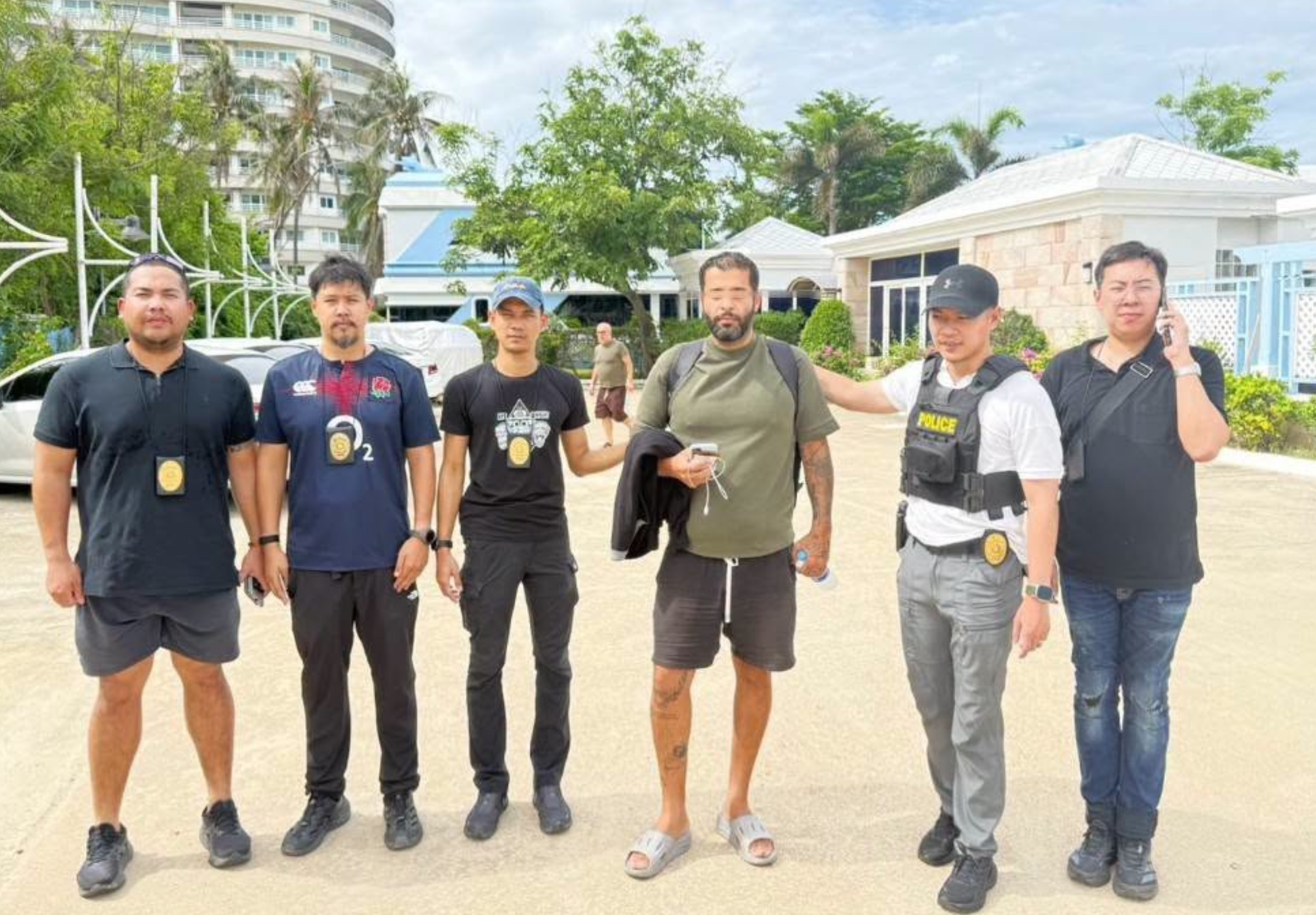
Thai immigration police have arrested a 33-year-old French man in Cha-am, Phetchaburi province, who is alleged to be a key figure in a transnational pyramid investment scam causing damages of more than 200 Million Euros. The suspect, identified by authorities only as Mr. Dogan, was found hiding in a villa and is wanted by authorities in France, Turkey and by Interpol.

Get today's headlines by email

The arrest was carried out by Pol Col Suriya Puangsombat, Superintendent of Investigation, Immigration Bureau Region 3, together with officers from the Investigation Division of Immigration Bureau Region 3. The operation followed orders from Pol Maj Gen Songprode Sirisukha, Commissioner of Immigration Bureau Region 3, who signed the revocation of the suspect’s permission to stay in Thailand. Officers included Pol Lt Col Ithithorn Prasernsak, Deputy Superintendent of Investigation, and Pol Lt Col Thongthai Pairor, Inspector of the same unit.

At around 15:00 on 20 June 2026, investigators received intelligence that the suspect was hiding in a luxury villa in the Cha-am area. Officers moved in to inspect the property, requested to check his passport and confirmed his identity against international arrest records. He was subsequently detained on site.


Authorities said the man is wanted in connection with a large-scale investment fraud network involving a so-called digital finance company established in 2022 with five associates. The group allegedly claimed links to major financial institutions in Dubai, United Arab Emirates, to attract investors.

The scheme reportedly targeted members of the Turkish community living in France, Belgium, Switzerland, and New Zealand, encouraging investments ranging from 20,000 to 300,000 euros. Victims were promised unusually high returns, including monthly profits of 15 percent, annual gains of up to five times the initial investment, and bonuses for recruiting new members. The operation is described as a Ponzi scheme, with estimated losses exceeding 200 million euros, affecting more than 900 victims worldwide.


Pictures courtesy of Khaosod

Following the arrest, immigration authorities said the suspect’s permission to remain in Thailand has been revoked under Section 12(7) of the Immigration Act BE 2522. He is now being held for deportation procedures and will be transferred to countries requesting extradition so he can face prosecution under their legal systems.

Khaosod reported that officials added that further legal coordination will be carried out with international agencies as part of ongoing efforts to dismantle cross-border financial crime networks operating in the region.

AQMnIP9AgQW4L5HoOvbAGIjISAme71fmu5qHHScope1-da5nuecSOHG_a6oHsl8PuCabrwb4b9Ws9MKvzP1j6M3k9ViKkM7AVjLCOOg7zg.mp4

Join the discussion?

Already a member?

Adapted by ASEAN Now Khaosod 22 June 2026


Georgealbert
Georgealbert
Assistant Professor Dr Noppadol Kannika, a member of the National Police Policy Committee, has proposed a seven-point strategy to tackle systemic problems in Phuket and restore confidence in one of Thailand’s premier tourism destination. He said the island faces interconnected challenges involving foreign capital, nominee shareholding structures, property developments, organised influence networks, migrant labour, licensing processes and law enforcement.

Get today's headlines by email

Writing on 21 June, Dr Noppadol said Phuket is no longer simply a Thai province but a gateway connecting Thailand with tourists, investors, retirees, entrepreneurs and residents from around the world. He argued that while visitors may initially come for Phuket’s beaches, their decision to return depends on confidence in safety, fairness and the rule of law.

According to Dr Noppadol, complaints have emerged over the use of Thai nominees in property businesses, property projects that fail to meet contractual obligations, incomplete construction works, unpaid returns promised to investors, and the movement of funds outside Thailand’s economic system. He also highlighted concerns that gaps within state agencies and some professional sectors may be allowing improper activities to appear legitimate.

He warned that these issues could damage not only affected buyers and businesses but also Thailand’s international reputation, competitiveness and economic performance. As Phuket serves as one of the country’s most visible destinations, any loss of confidence could affect perceptions of tourism, investment and governance nationwide.


Pictures courtesy of Daily News

Dr Noppadol welcomed the recent visit to Phuket by Deputy Prime Minister and Interior Minister Anutin Charnvirakul, describing it as a significant policy signal that the government is committed to restoring confidence among residents, investors and tourists. He said the visit reflected an integrated approach balancing economic growth, law enforcement and long-term national interests.

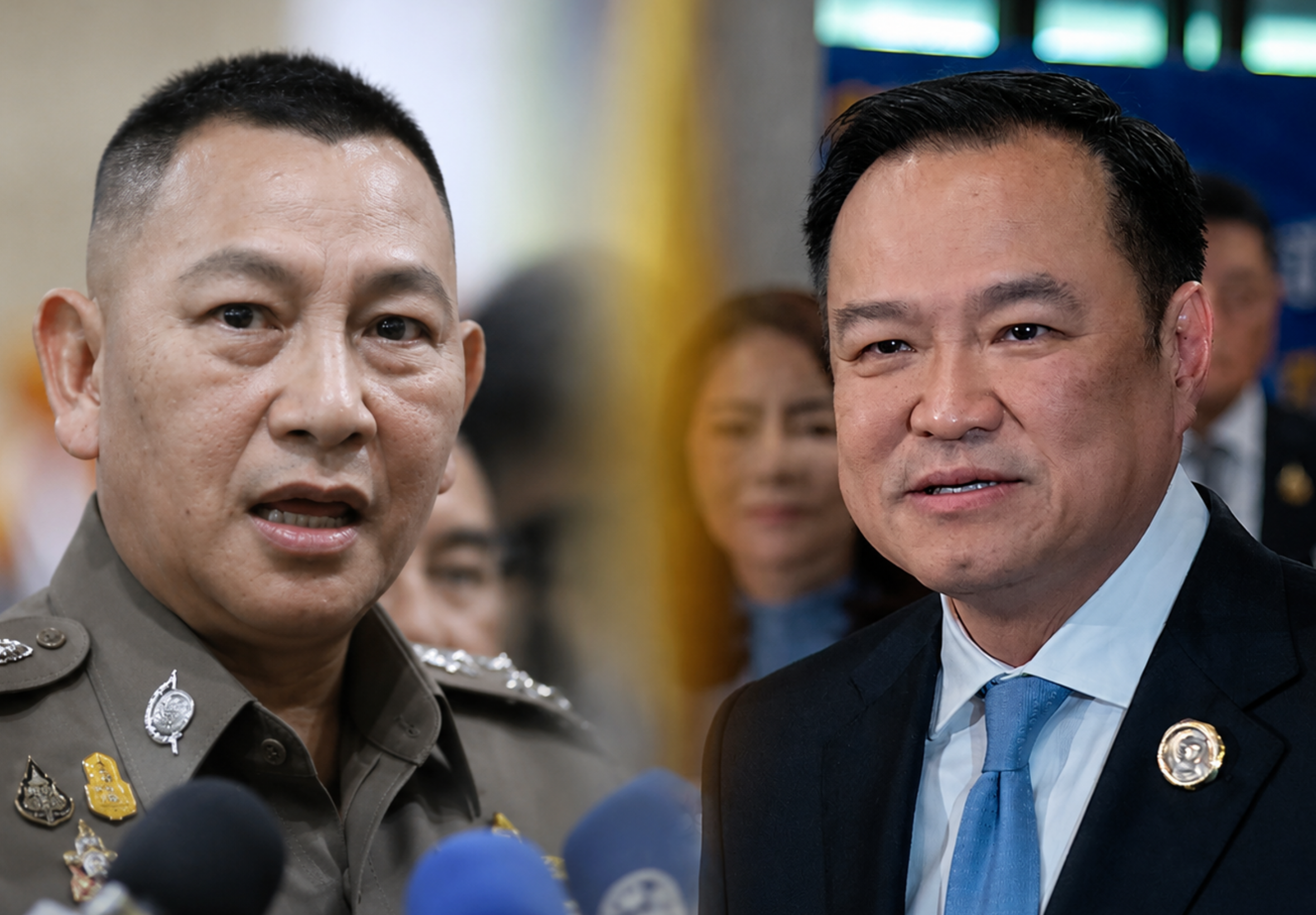
He also pointed to ongoing strategic changes within the Royal Thai Police under National Police Chief Pol Gen Kitrat Phanphet. These efforts include adjustments to personnel management and law enforcement priorities aimed at addressing transnational crime, illegal businesses, influential figures and other issues affecting public confidence.

To address the challenges, Dr Noppadol proposed seven urgent measures. These include establishing a Phuket special operations centre, investigating high-risk corporate structures linked to nominee arrangements, reviewing property projects facing complaints, scrutinising construction and local licensing systems, regulating foreign workers and foreign business operators, strengthening tourist police into a “Tourist Trust Police” model, and developing a data-driven risk index using crime, financial, licensing and public feedback data.

Drawing on his academic background in data science, methodology, strategy and security studies, Dr Noppadol said Phuket’s problems require coordinated action based on data, policy and multi-agency cooperation rather than case-by-case responses.

The Daily News reported that he said the ultimate goal is not only stronger enforcement but also rebuilding confidence among local residents, Thai citizens and the international community. He added that Phuket should not become a safe haven for fraudsters, illegal nominees, grey capital networks, influential figures or corrupt officials.


Related stories

Phuket-land-nominee-crackdown-ordered

Police-seize-Phuket-Krabi-Phang-Nga-land-in-nominee-crackdown

Join the discussion?

Already a member?

Adapted by ASEAN Now Dailynews 22 June 2026
Georgealbert
Georgealbert
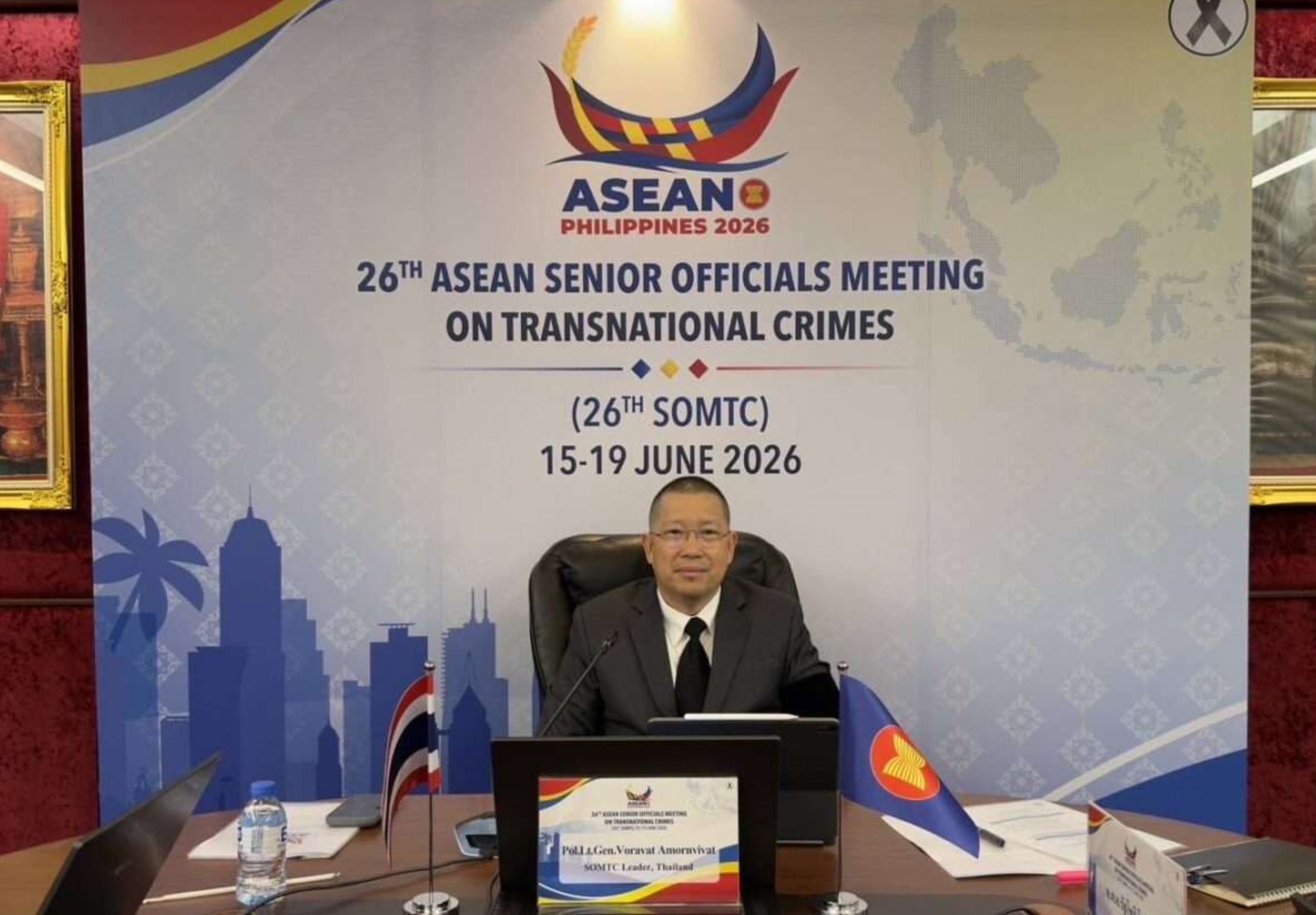
Thai police have taken part in high-level ASEAN discussions aimed at strengthening cooperation against transnational crime, with a focus on regional security and joint enforcement across key threat areas. The meeting, held from 15 to 19 June 2026, was conducted via video conference with the Philippines acting as host.

Get today's headlines by email

The ASEAN Senior Officials Meeting on Transnational Crime (SOMTC) is a key multilateral mechanism under the ASEAN framework designed to facilitate information sharing and coordination among member states. It addresses cross-border criminal threats that impact regional stability and public safety.

Pol Gen Kittirat Phanpetch, Commissioner-General of the Royal Thai Police, assigned Pol Lt Gen Worawat Amornvivat, a senior expert within the force, to lead Thailand’s delegation. Pol Maj Gen Jaturaphat Phromkaeo, Commander of the Foreign Affairs Division and deputy spokesperson of the Royal Thai Police, served as deputy head of the delegation. Thai representatives included officers from the Immigration Bureau, the Narcotics Suppression Bureau, the Cyber Crime Investigation Bureau, the Anti-Human Trafficking Division, the Natural Resources and Environmental Crime Division, and the Foreign Affairs Division, alongside external agencies including the Department of National Parks, Wildlife and Plant Conservation and the Office of the Narcotics Control Board.

Opening discussions involved ASEAN member states and Timor-Leste, followed by sessions with 10 dialogue partners: China, Japan, South Korea, India, New Zealand, Canada, Australia, the European Union, Russia and the United States. Thailand highlighted five priority crime areas requiring stronger cooperation: drug trafficking, human trafficking, cybercrime including call centre scams and online fraud, money laundering, and illegal wildlife and plant trade.

Officials said the outcomes of the meeting will be submitted to the ASEAN Ministerial Meeting on Transnational Crime (AMMTC) for formal endorsement in August 2026. The discussions also form part of preparations for Thailand to assume the ASEAN chairmanship in 2028, following Singapore.

Thaitabloid reported that authorities said the Royal Thai Police and relevant agencies will continue to strengthen regional cooperation mechanisms to improve public safety and reduce cross-border criminal threats.


Picture courtesy of Thaitabloid

Join the discussion?

Already a member?

Adapted by ASEAN Now Thaitabloid 22 June 2026
Georgealbert
Georgealbert
Thailand has moved to expand overseas employment opportunities after its Labour Minister held talks with Italy to advance a potential labour agreement that could allow between 20,000 and 30,000 Thai workers per year to access the Italian job market. The discussions took place during the 114th International Labour Conference (ILC) in Geneva, Switzerland, where both sides focused on establishing legal employment channels and improving labour mobility between the two countries.

Get today's headlines by email

According to the Thai government, Minister for Labour and Social Welfare H.E. Marina Elvira Calderone met with Thailand’s Minister of Labour, Julpun Amornvivat, to strengthen bilateral cooperation. Italy has included Thailand in its draft labour framework, known as the Flows Decree or Decreto Flussi 2026-2028, which governs the legal entry of non-European Union workers. The programme provides for more than 500,000 total quotas for non-EU workers over the 2026-2028 period, covering seasonal and general employment categories.

Thai authorities said Italy has expressed interest in recruiting Thai workers for sectors facing labour shortages, including agriculture, healthcare and services. The proposed arrangement would allow Thai nationals to work in both seasonal and long-term roles, subject to the completion of a bilateral memorandum of understanding (MOU) currently being prioritised by both governments.

Officials said the MOU is intended to provide a structured legal pathway for Thai workers, reducing reliance on informal recruitment channels and lowering the risk of exploitation by illegal brokers. It is also expected to improve labour rights protection, welfare standards and working conditions in line with international norms.

Both sides also agreed to expand cooperation in four key areas: the development of vocational education and joint training centres, exchange of expertise on pension systems, strengthening labour protection and family welfare policies, and increasing access for Thai workers to European labour markets. Thailand also expressed interest in Italy’s dual-track education model, which links technical education with workplace training, as well as its workplace safety standards and the “Right to Disconnect” principle limiting after-hours work contact.

Komchadluek reported that if finalised, the agreement would position Italy as a major new European destination for Thai labour, amid rising demand for foreign workers in key sectors. It would also mark a significant step in Thailand’s broader strategy to enhance workforce skills and expand regulated overseas employment opportunities.

Join the discussion?

Already a member?

Adapted by ASEAN Now Komchadluek 22 June 2026
Georgealbert
Georgealbert
Officials from the Rayong Provincial Public Health Office, working with Crime Suppression Division police Region 2, have raided an illegal dental clinic in Klaeng district, Rayong province, where a deputy mayor was found allegedly posing as a dentist without any professional licence. One patient was found undergoing a tooth extraction at the time of the raid, and all services were immediately stopped.

Get today's headlines by email

The operation took place on 20 June when Ms Pimolwan Sirigjirachai, a senior pharmacist at the Rayong Provincial Public Health Office, led a joint team with investigators from Provincial Police Region 2 to execute a search warrant issued by Rayong Provincial Court. Officers entered a premises operating under the name “Khao Din Dental Clinic” in Village 1, Thung Khwai Kin subdistrict, following repeated complaints from local residents about unlicensed dental services.

During the search, officers found a man identified as Mr Somprasong, a deputy mayor of a subdistrict administrative organisation in Chon Buri province, who presented himself as the clinic owner and claimed to be a dentist. However, he was unable to produce either a valid dental professional licence or a licence to operate a healthcare facility when requested by officials.

Inside the premises, authorities discovered a range of dental equipment including treatment instruments, dentures, and other clinical tools, along with a patient receiving treatment. A second individual, Ms Korpachara, who was responsible for screening and managing customers, was also detained for questioning. All equipment and materials were recorded as evidence.


Picture courtesy of Daily News

The Rayong Provincial Public Health Office stated that preliminary inspections indicated the clinic had been operating illegally for a prolonged period, possibly 10 years. Officials also noted that the facility did not meet basic hygiene standards required for medical establishments, prompting repeated public complaints before enforcement action was taken.

Mr Somprasong and others involved face multiple charges, including operating a healthcare facility without permission, providing dental treatment without a licence, and selling modern pharmaceuticals without authorisation. The suspects, along with seized items, were handed over to Klaeng Police Station for further legal proceedings.

Daily News reported that authorities said the case will now proceed through formal investigation channels, with further examination of the clinic’s operations and any additional individuals involved in its management or service provision.


Join the discussion?

Already a member?

Adapted by ASEAN Now Dailynews 22 June 2026
Georgealbert
Georgealbert
Two foreign females were caught on CCTV defecating outside a shop in Patong, Phuket, prompting complaints from local business owners and residents over hygiene and public behaviour.

Get today's headlines by email

The incident took place at around 5pm on 20 June 2026 outside a shop in Patong, Kathu district. According to CCTV footage, the two women stopped outside the premises while the shop was closed and had not yet opened for business.

The footage reportedly shows one of the women was experiencing severe stomach discomfort and being unable to hold on. She then squatted and defecated on the pavement directly outside the shop, against a covered display unit.

Afterwards, she used tissue paper to clean herself before leaving the area with her companion. The waste was left behind, leaving the shop owner to deal with the aftermath.

Images from the CCTV system were later shared locally online, drawing attention to the incident and sparking discussion among business operators in the area. Several local traders expressed dissatisfaction, saying the act affected hygiene standards and reflected poorly on the image of the shopping district.

The identities and nationalities of the two women have not been established. No information has been released indicating whether the pair were tourists staying in Phuket or residents of the area.

There has been no confirmation that the shop owner has filed a formal complaint with police. Authorities have also not announced any investigation or legal action in connection with the incident.

Amarin reported the case has renewed discussion about public behaviour in popular tourist destinations and the challenges faced by businesses. Whether any further action will be taken remains unclear. Authorities have yet to provide an official statement regarding possible enforcement measures or efforts to identify those involved.


Picture courtesy of Amarin

Join the discussion?

Already a member?

Adapted by ASEAN Now Amarin 22 June 2026
Georgealbert
Georgealbert
The Thai government on 20 June 2026 denied claims that it is monitoring or pressuring news organisations, stating it has no policy to interfere with or block the media. Ms. Rachada Thanadirek, spokesperson for the Prime Minister’s Office, said reports suggesting special surveillance of certain outlets are incorrect. She said the government has issued no orders to interfere or take action to pressure media in carrying out their duties.

Get today's headlines by email

She also reaffirmed that press freedom is a key mechanism in a democratic system under Prime Minister Anutin Charnvirakul’s leadership. Reports had circulated alleging increased scrutiny of certain media outlets, alongside the cancellation of the “Inside Thailand” programme.

Rachada said the cancellation was not the result of any government order or interference, and does not prevent media outlets or presenters from scrutinising or criticising the government. The programme, aired on state-owned MCOT TV, had featured commentary by Danai “Mah Kae” Ekmahasawat and had been critical of the TH-AI Passport project, a digital identity initiative valued at 1.6 billion baht.

Thai Newsroom reported claims from an opposition lawmaker linking the cancellation to displeasure from Newin Chidchob, a de facto Bhumjaithai figure, regarding criticism of his son, Digital Economy and Society Minister Chaichanok Chidchob. That reporting also suggested political influence behind the decision, though these claims remain unverified in the government’s statement.

Rachada emphasised respect for all media outlets, including mainstream, online and citizen producers, particularly those reporting facts and public interest. Opposition People’s MP Pukkamon Nunarnan was cited in earlier reports as alleging that political pressure from Newin Chidchob may have contributed to the programme’s termination.

The government, however, rejected any suggestion of interference and maintained that media organisations can continue their work normally. The issue has contributed to renewed debate over media independence and scrutiny of government-linked projects.

The government said no further actions have been announced regarding media regulation or programme scheduling decisions. Media outlets are expected to continue operating based on factual reporting and social responsibility standards. Authorities reiterated that no restrictions have been placed on criticism of government policies or projects.


Picture courtesy of TNR of Danai “Mah Kae” Ekmahasawat

Join the discussion?

Already a member?

Adapted by ASEAN Now Thai newsroom 22 June 2026
Georgealbert
Georgealbert
Highway police and the Anti-Human Trafficking Division intercepted a Toyota van on 20 June 2026, carrying nine illegal migrants at a PTT petrol station in Tambon Songtham, Mueang Kamphaeng Phet, as the vehicle travelled towards the Thai-Myanmar border. The group was suspected of being transported to work for scam networks in Myanmar, and the operation led to the immediate arrest of those involved.

Get today's headlines by email

The operation followed urgent intelligence provided by a former scam centre victim in Dubai, who reported receiving messages from foreign nationals requesting help while being held inside a moving vehicle. Acting on the tip, officers tracked the van and coordinated a stop along its route.

Inside the vehicle, police found nine migrants of multiple nationalities: four from Nigeria, two from India, one from Cameroon, one from Uganda and one from Vietnam. The driver was identified as 31-year-old Myanmar national Than So Tun.


During questioning, the driver admitted he had been hired via Telegram by an alleged broker known as “Ko Yae” to collect passengers from Bang Kapi and Suvarnabhumi area and transport them to Tak province for onward crossing into Myanmar. He said he was paid 2,000 baht per person and confirmed this was the third vehicle in a coordinated trafficking chain, with all migrants originally entering from Cambodia.

Authorities stated the case is being treated as part of a wider transnational human trafficking and scam network investigation. The migrants were found to have either no valid documentation or had entered Thailand through irregular border routes.


Pictures courtesy of Daily News

All suspects have been taken to Songtham Police Station for legal proceedings, while investigators prepare to expand the case to identify senior members of the trafficking network and dismantle further operations along the route. The investigation remains ongoing as police are continuing enquiries into the wider network in Thailand.


Join the discussion?

Already a member?

Adapted by ASEAN Now Dailynews 22 June 2026
Georgealbert
Georgealbert
Thailand’s Department of Special Investigation (DSI) has expanded its investigation into illegal cryptocurrency mining operations, uncovering alleged links to grey Chinese capital networks, transnational money laundering and financial flows exceeding 10 billion baht per year. The widening probe highlights concerns over the scale of organised criminal activity linked to digital asset operations and their impact on Thailand’s economic security.

Get today's headlines by email

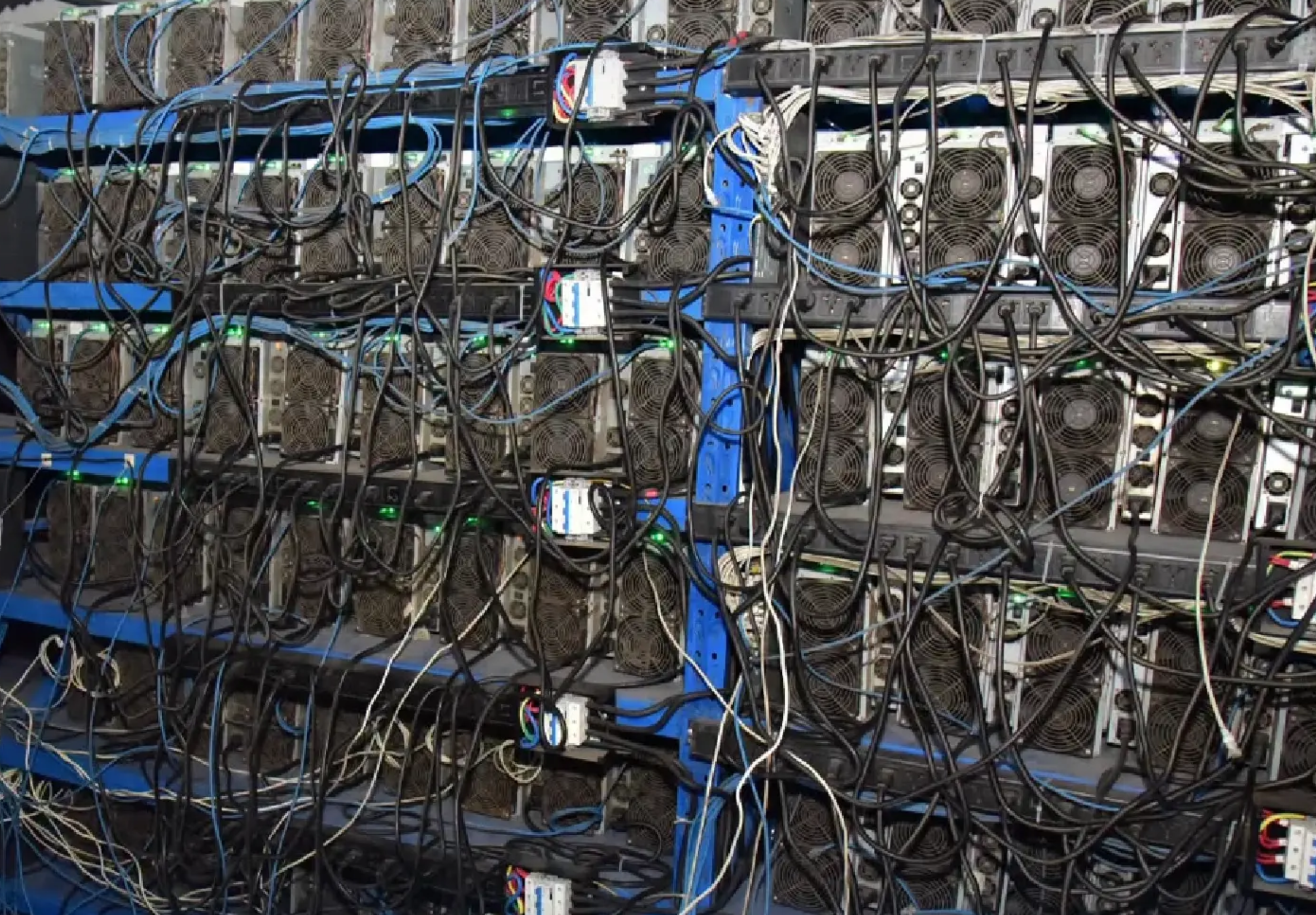
The investigation follows action taken in 2025 by the DSI’s Technology and Cyber Crime Bureau, which dismantled three major networks accused of illegally using electricity for cryptocurrency mining. Authorities seized more than 6,390 mining machines and estimated losses to the Provincial Electricity Authority (PEA) at more than 953 million baht. Officials described the case as one of the highest-value instances of illegal use of state utilities in recent years.

Investigators also found evidence allegedly linking some state officials to assisting or facilitating the operations. The DSI has already forwarded two case files to the National Anti-Corruption Commission (NACC), involving seven electricity authority officials, one law enforcement officer, and 13 investors or alleged accomplices.

As the investigation expanded, authorities began examining Chinese investment groups believed to play a significant role in managing a large financial network in Thailand. Investigators uncovered information and evidence allegedly connected to money laundering from technology-related crimes, including call centre scams and transnational online gambling operations.

Analysis of financial records revealed unusually high levels of activity in bank accounts and corporate entities linked to the network. Investigators found that Myanmar nationals were allegedly used to withdraw cash from Thai financial institutions at a rate of approximately 30 million to 50 million baht per day. The network’s annual financial transactions were estimated at no less than 10 billion baht, indicating a complex structure capable of moving large volumes of assets.

The DSI also received information from US law enforcement agencies identifying Wang Yicheng as a suspect in a major digital asset fraud case. The US Secret Service seized digital assets linked to Wang worth more than US$17.8 million, in connection with losses exceeding 2 billion baht.

Authorities have issued arrest warrants for eight suspects, comprising four Chinese financiers and four Myanmar team members. The DSI is also seeking approval for seven additional arrest warrants and has summoned five other individuals to acknowledge charges.

The Nation reported that the department said it will accelerate evidence gathering before submitting the completed case file to special case prosecutors. Investigators stated that illegal electricity use for cryptocurrency mining is not merely theft of power but also a mechanism used by transnational criminal organisations to generate income, launder money and support technology-related crime networks.


Picture courtesy of The Nation

Join the discussion?

Already a member?

Adapted by ASEAN Now Nation 22 June 2026
Georgealbert
Georgealbert
Thailand is pursuing two major policy directions that appear to conflict with one another: opening its economy to foreign business while intensifying enforcement against foreign-linked property ownership structures.

Get today's headlines by email

The contrast has become increasingly visible following reforms to the Foreign Business Act. In April 2025, the Cabinet approved the most significant overhaul of the law in 25 years. In January 2026, it confirmed plans to remove ten business categories, including software development, from restricted lists, allowing foreign companies to operate without local partners or special licences. The reforms form part of the Thailand 4.0 strategy aimed at improving competitiveness and attracting investment.

Now authorities have launched an extensive crackdown on nominee company structures used by some foreigners to control land. New rules require Thai shareholders in foreign-linked companies to prove that invested funds genuinely belong to them. Authorities have also introduced data-sharing systems between agencies and analytical tools designed to identify suspicious ownership arrangements.


Enforcement activity has increased significantly. In May 2026, a major operation on Koh Phangan resulted in 22 arrests and the seizure of more than 40 rai of land. Police are also using criminal procedures in investigations involving alleged nominee arrangements.

The crackdown targets structures where Thai shareholders act only as legal fronts while foreigners effectively control assets. Authorities argue such arrangements violate Thai law and amount to fraud. However, concerns have emerged that some long-term foreign residents who purchased property through company structures recommended by legal advisers years ago may also be affected.

The debate is rooted in previous attempts to reform foreign property ownership rules. In late 2022, Thailand’s Cabinet approved a proposal that would have allowed qualifying foreigners to legally own small residential land plots. Supporters argued that foreigners already gained access to property through leases, condominium ownership quotas and nominee companies, and that the proposal would provide a transparent legal alternative.

The proposal was withdrawn less than two weeks later following political opposition. In March 2025, the Supreme Court also ruled against a long-lease renewal structure that many foreign buyers had relied upon for additional security.

Supporters of reform argue that restrictive laws encourage the very workarounds now being targeted. They point to broader business reforms as evidence that Thailand has already accepted the principle of creating legal pathways while enforcing existing laws against abuse.


Some observers believe the current crackdown may be part of a broader strategy to clear out unlawful structures before introducing new legal ownership frameworks. Others warn that enforcement without further reform could discourage investment and prompt foreign capital to move elsewhere.

Regional competition is increasing. Malaysia permits foreign freehold ownership subject to minimum-price requirements, while Indonesia offers foreigners registered property rights lasting up to 80 years. Other neighbouring countries have also introduced clearer frameworks for foreign property investment.

The Thaiger reported that the attention will now focus on whether Thailand introduces new legal routes for foreign property ownership or long-term leases. Proposals frequently discussed include reviving elements of the 2022 ownership framework, strengthening lease protections and updating condominium regulations.

The outcome could determine whether Thailand’s property policies ultimately align with its broader efforts to attract foreign investment and support economic modernisation.


Pictures courtesy of The Thaiger

Join the discussion?

Already a member?

Adapted by ASEAN Now TheThaiger 22 June 2026
Georgealbert
Georgealbert
Authorities are investigating whether vibrations from the Skytrain contributed to the collapse of part of a century-old building on Charoen Krung Road in Bangkok, after a concrete awning fell from the second floor of a shophouse and killed one person.

The collapse occurred on June 20, prompting officials to declare all five adjoining old shophouses off-limits while a detailed structural inspection is carried out. Mr. Thanadech Chankaew, Samphanthawong district chief, confirmed that the only injured person, Mr. Prawit Tulaphan, 67, was taken to Samitivej Chinatown Hospital but had died from his injuries. No other casualties were reported.

Following the collapse, the Samphanthawong district office established a disaster relief centre and issued a temporary order prohibiting the use of all five units. Officials from the Public Works and Building Control departments, together with the Engineering Institute of Thailand, have begun assessing the buildings’ structural stability and safety.


Picture courtesy of TNR

The Metropolitan Electricity Authority cut power to the area to ensure safety during the removal of the collapsed awning and large concrete debris. The Public Works department supplied a six-wheel truck and concrete-cutting equipment, while the Bangkok Metropolitan Administration’s Disaster Prevention and Mitigation department deployed rescue vehicles, personnel and lighting systems to support overnight operations alongside volunteers from Poh Teck Tung Foundation and other agencies.

Initial investigations found that the affected building is more than 100 years old and stands on land owned by Wat Traimit Witthayaram Worawihan temple. According to Thanadech, the structure was built without piling, a common construction method of the period, relying instead on its walls for support. Many neighbouring buildings share similar construction characteristics.

Residents reported frequent vibrations because of the nearby elevated train line. However, Thanadech stressed that it is not yet possible to determine whether those vibrations contributed to the collapse. Engineers will conduct a detailed investigation before reaching any conclusions. ThaiNewsroom reported that authorities are also expanding inspections to nearby buildings of similar design to reduce the risk of a similar incident.

AQNJXZ3dNvCX4ElriuoansT6lt-SCZR4nAQQIhazSQF6hX3K7BiRjtJiyZIfy6sMSAKts4Uipy0I4ubx1AeZhyRPW28SsFJnziuhw3EmGA.mp4

Related story

Building-collapse-traps-people-at-Bangkok-junction

Join the discussion?

Already a member?

Adapted by ASEAN Now Thai newsroom 21 June 2026
Georgealbert
Georgealbert
The Department of Special Investigation (DSI) has ordered a preliminary investigation into allegations of bid rigging linked to projects at Airports of Thailand (AOT) worth 74.9 million baht. The inquiry follows a complaint submitted by lawyer Sittra Biabungkerd, who alleged that a former deputy prime minister and a major news organisation were involved in coordinating work for individuals and companies under scrutiny.

Get today's headlines by email

Sittra, secretary-general of the People’s Lawyer Team Foundation, submitted evidence to the DSI on 16 June 2026. He asked the agency to investigate whether offences related to bid rigging had occurred and requested that his tip-off letter be treated as a formal criminal complaint if evidence of wrongdoing is found.

The complaint concerns projects involving internet systems and passenger drop-off facilities at Suvarnabhumi Airport. At the time of submission, Pol Lt Col Woranan Srilam, director of the Consumer Protection Cases Division and DSI spokesperson, accepted the documents on behalf of the agency.

On 19 June, DSI Director-General Pol Maj Yutthana Praedam said he had assigned the case to the Bureau of Offences Relating to the Submission of Bids to State Agencies, commonly known as the bid-rigging investigation division. He said investigators would begin examining the allegations and determine whether the matter meets the criteria for designation as a special case.

According to Yutthana, the allegations raised by the complainant may warrant examination into whether collusion occurred during the procurement process. If investigators find sufficient grounds, the division may later propose that the matter be formally accepted as a special investigation.

Reports indicate that the DSI team has already begun reviewing a large volume of documents provided by Sittra. These include chat messages from a Line group, project details, quotations and procurement information connected to Suvarnabhumi Airport systems.

The materials reportedly cover projects involving i-PRO Network Cameras with AI engines, FastLane Passenger Drop Systems, budget allocations for fiscal years 2025 and supplementary 2025 spending, as well as network upgrades, CCTV systems, screening equipment, intrusion detection systems, automated passport control gates, fire alarm systems, telephone replacement systems, access control installations, speed detection equipment and other infrastructure projects.

Officials have not announced any findings, charges or conclusions. The review remains at the preliminary investigation stage.

Daily News reported that as the document examination continues, investigators will assess whether the evidence supports allegations of bid rigging and whether the case should proceed as a special case under DSI jurisdiction.


Picture courtesy of Daily News

Join the discussion?

Already a member?

Adapted by ASEAN Now Dailynews 21 June 2026
Georgealbert
Georgealbert
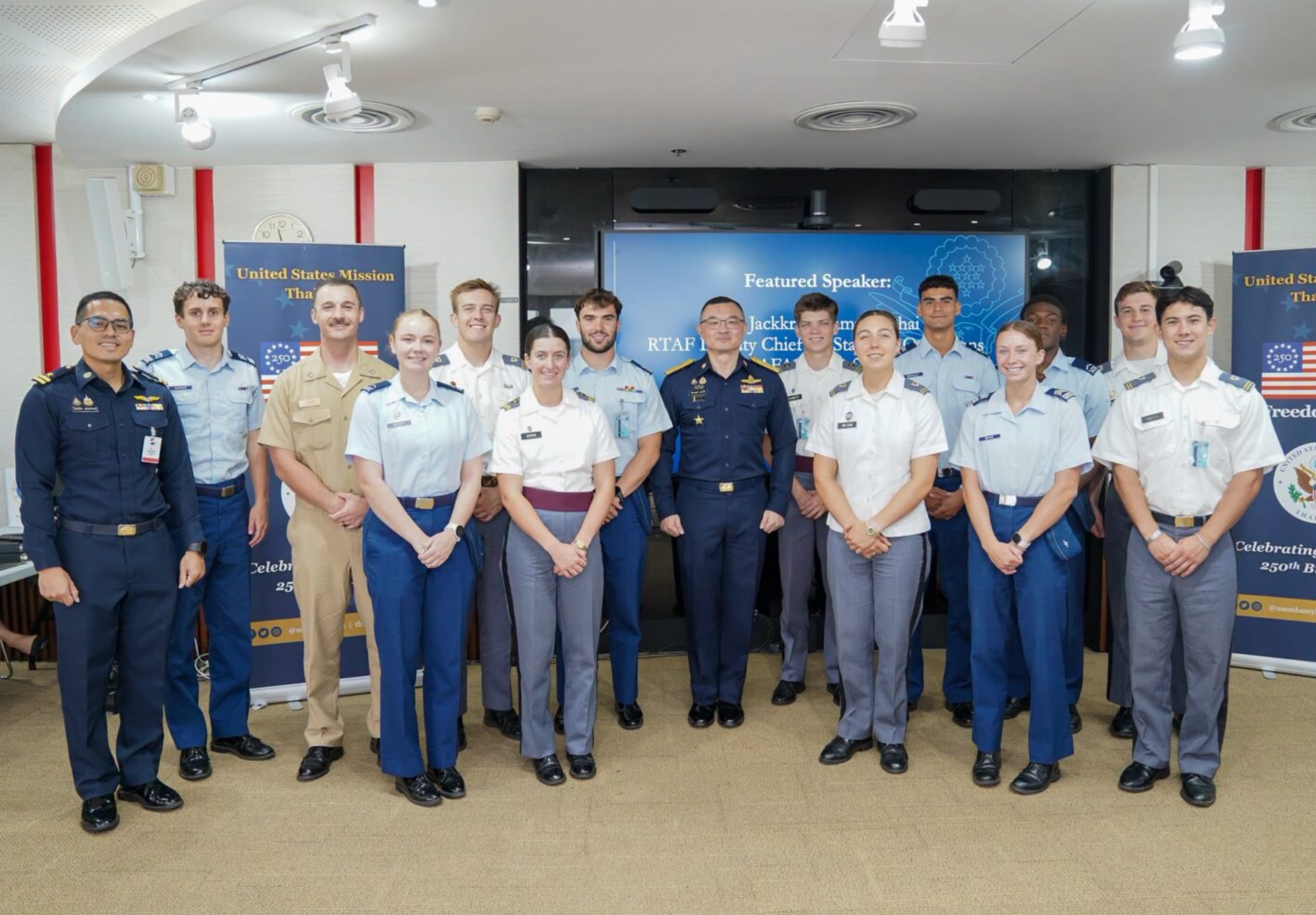
American military cadets from the United States Military Academy at West Point and the United States Air Force Academy visited Bangkok on 19 June 2025 for an educational seminar hosted by the US Embassy. The visit provided the cadets with first-hand exposure to the long-standing security partnership between Thailand and the United States, one of Washington’s oldest alliances in Asia.

Get today's headlines by email

During their visit, the cadets met senior leaders from the Royal Thai Army and the Royal Thai Air Force. They also toured military museums and spoke with both American and Thai alumni connected to the military institutions.

According to the US Embassy, the programme was designed to deepen the cadets’ understanding of how the US-Thai alliance contributes to the security and prosperity of citizens in both countries. The visit formed part of a broader effort to familiarise future military leaders with key international partnerships and regional security relationships.

Thailand and the United States have maintained diplomatic and military ties for more than 200 years. The relationship is regarded as one of the longest-standing bilateral partnerships that the United States maintains in the region.


The visit highlighted ongoing military-to-military engagement between the two countries and provided opportunities for exchanges with Thai defence leaders and military personnel. Discussions and activities focused on the history of cooperation between the allies and the role the partnership continues to play in regional stability and security.

The seminar also gave the cadets an opportunity to learn about Thailand’s armed forces, defence institutions and military heritage through direct interaction with senior officials and visits to military sites.

Khaosod reported the visit is expected to contribute to stronger professional links between future American military officers and their Thai counterparts. Educational exchanges and military engagement programmes remain an important element of the broader US-Thai alliance.


Pictures courtesy of Khaosod

Join the discussion?

Already a member?

Adapted by ASEAN Now Khaosod 21 June 2026
Georgealbert
Georgealbert
Prime Minister Anutin Charnvirakul is set to launch the Thailand FastPass programme at Government House on 23 June 2026, aiming to accelerate major investment projects by removing regulatory barriers and streamlining approvals. The initiative currently covers 25 projects with a combined investment value of 223.216 billion baht, reflecting the government’s efforts to convert approved investments into real economic activity.

Get today's headlines by email

According to Government House sources, the launch ceremony will take place at 1.30pm on Tuesday, 23 June. Deputy Prime Minister and Finance Minister Ekniti Nitithanprapas, who oversees the Board of Investment (BOI), will attend alongside BOI Secretary-General Narit Therdsteerasukdi, senior executives from eight government agencies and representatives of selected private-sector companies participating in the scheme.

Ekniti said Thailand FastPass builds on the success of the former BOI Fast Pass programme. He stated that improved coordination between government agencies and faster approval procedures have demonstrated the ability to stimulate investment without additional public spending, instead attracting foreign direct investment through greater investor confidence.

The initiative comes as Thailand’s ranking for International Investment in the IMD global competitiveness assessment improved by six places, rising from 30th to 24th. The government plans to discuss similar approaches with the private sector through the Joint Public-Private Consultative Committee to strengthen long-term cooperation.

As chairman of the BOI board, Ekniti has closely monitored progress under the Thailand FastPass system. He said priority issues include electricity supply, clean energy and securing suitable land for investment projects.

At a BOI meeting on 6 May 2026, nine additional projects worth 52.104 billion baht were approved for inclusion in the programme’s second phase. This followed approval of 16 projects in March 2026, bringing the total to 25 projects with cumulative investment commitments of 223.216 billion baht.

Projects admitted to Thailand FastPass receive accelerated approvals from all relevant agencies, including the BOI, Department of Industrial Works, Industrial Estate Authority of Thailand, Office of Natural Resources and Environmental Policy and Planning, Customs Department and state electricity enterprises.

Between 2023 and 2025, 78 large-scale projects received investment promotion approval, with a combined value of 480 billion baht. Of these, 35 projects worth around 100 billion baht have already begun investment, while 30 projects worth 110 billion baht are scheduled to commence between 2026 and 2027.

The Standard reported that a further 13 projects, valued at approximately 270 billion baht, remain affected by technical obstacles involving power supply, land availability and permits. The government believes that resolving these issues could generate an additional 350 billion baht in actual investment by 2027.

Join the discussion?

Already a member?

Adapted by ASEAN Now TheStandard 21 June 2026
Georgealbert
Georgealbert
Thailand’s Office of the Narcotics Control Board (ONCB) has issued an official warning about the spread of a new synthetic drug known as 2C-B (2C-Bromine), commonly referred to as “pink cocaine”. Authorities say the substance is gaining attention among some nightlife and drug-using groups despite posing serious risks to both physical and mental health.

Get today's headlines by email

On 20 June, Ms Areepak Ngernbamrung, Deputy Secretary-General and spokesperson for the ONCB, said the agency is concerned about the growing presence of 2C-B. Although it is marketed as pink cocaine, she stressed that the drug is not cocaine but a synthetic psychoactive substance with potentially severe effects on users.

According to the ONCB, 2C-B acts as both a stimulant and a hallucinogen, producing effects similar to LSD and ecstasy. Users may experience euphoria, unusual alertness, hallucinations, distorted perception, impaired judgement and reduced self-control. These effects can increase the likelihood of risky behaviour and may endanger both the user and others.

The agency warned that prolonged use can damage the brain, leading to irritability and chronic hallucinations. Excessive consumption can be fatal. The ONCB also highlighted concerns raised during the recent International Symposium of Forensic Drug Testing Lab Directors, where experts reported that 2C-B and substances sold as pink cocaine are often distributed as complex drug mixtures.

The drug is commonly sold in powder, tablet or capsule form and is increasingly mixed with other substances such as ketamine, cocaine or benzodiazepines. These mixtures are sometimes marketed as “Happy Water”, significantly increasing the risk of overdose and unpredictable reactions.

Health risks associated with high doses of 2C-B or its use alongside other drugs include irregular heartbeat, high blood pressure, dangerously elevated body temperature, seizures and loss of consciousness. In severe cases, users may suffer sudden heart failure. The ONCB also warned that mixing the substance with the painkiller tramadol can cause respiratory depression, which may lead to immediate death because users often do not know the true composition or quantity of the substances they consume.

The spokesperson noted that 2C-B is classified as a Category 1 narcotic under Thai law. Anyone who produces, imports, exports, distributes or possesses the substance without authorisation faces legal penalties.

The ONCB urged the public, particularly young people, not to be misled by claims that pink cocaine is safe or harmless. The agency warned that synthetic drugs can have serious consequences for health, finances, future prospects and life itself.

Daily News reported that authorities are expected to continue monitoring the spread of 2C-B and related synthetic drugs. Members of the public with information about illegal drug trafficking are encouraged to contact the ONCB hotline 1386, available 24 hours a day.

Join the discussion?

Already a member?

Adapted by ASEAN Now Dailynews 21 June 2026
Georgealbert
Georgealbert
A 58-year-old man was found dead in Dong Yai Wildlife Sanctuary in Buriram province after apparently being attacked by a wild elephant while foraging for mushrooms in the forest. The victim, identified as Phaitoon Samniang, was discovered on 20 June 2026 in a remote forest area near Nong Bon village in Lam Nang Rong subdistrict, Non Din Daeng district.

Get today's headlines by email

Police from Non Din Daeng Police Station responded after villagers searching for mushrooms reported finding a body in the forest. The location was approximately 3 kilometres from the village and 2 kilometres into the woodland.

Officers and rescue workers found the victim lying face down on a mound of earth. The body had significantly decomposed. A shoulder bag and a head torch were found nearby.

Investigators also found extensive elephant footprints around the scene, with the surrounding ground appearing heavily trampled. Authorities believe the man had been dead for at least three to four days before being discovered.


According to the investigation, Phaitoon, aged 58, lived in Nong Bon village, Lam Nang Rong subdistrict, Non Din Daeng district, Buriram. Family members said he was not married and had no children and regularly stayed overnight at a cassava field near the village. He was also known to enter the forest frequently to collect wild produce and mushrooms for food and additional income.

His sister, 44-year-old Uea-aree Tunhasing, told authorities that her brother routinely gathered forest products and mushrooms. She believes he may have encountered wild elephants while collecting mushrooms at night.

She said it was possible the elephants were startled by his presence and chased him. Investigators suspect he was unable to escape and was fatally attacked.

The forest area where the incident occurred is known to be inhabited by a herd of nearly 50 wild elephants that regularly forage in the vicinity. SiamRath reported that authorities documented the circumstances surrounding the death and continue to examine the evidence found at the scene.


Pictures courtesy of SaimRath

Join the discussion?

Already a member?

Adapted by ASEAN Now Siamrath 21 June 2026
Georgealbert
Georgealbert
Thailand’s US$30 billion Land Bridge project, aiming to create a coast-to-coast logistics corridor linking Chumphon on the Gulf of Thailand with Ranong on the Andaman Sea. The project is intended to provide shippers with an alternative route to the congested Strait of Malacca, one of the world’s busiest maritime trade passages.

Get today's headlines by email

The plan has regained momentum under Prime Minister Anutin Charnvirakul’s government following the war in Iran and disruption around the Strait of Hormuz, events that highlighted the vulnerability of global trade routes to strategic maritime chokepoints. The proposed 1-trillion-baht corridor would connect two new deep-sea ports through rail, highway and logistics infrastructure across southern Thailand.

According to a government presentation, the project could reduce logistics costs by nearly 30% and cut transit times by up to 14 days for cargo travelling between southern China and ports in the Indian Ocean serving South Asia and the Middle East. A 90-kilometre standard-gauge railway between the ports would form the core of the project, with capacity to handle up to 20 million TEUs (twenty-foot equivalent unit)annually. A separate metre-gauge railway would link the corridor to Thailand’s existing rail network.

Thai officials have stressed that the Land Bridge is not intended to replace the Strait of Malacca but to capture part of the regional trans-shipment and feeder cargo market. Jiraroth Sukolrat, director-general of the Office of Transport and Traffic Policy and Planning, said Thailand was targeting feeder vessels with capacities of 12,000 TEUs or less. Government estimates indicate feeder-to-feeder cargo movements could be around 10% cheaper and six days faster than comparable routes through Singapore.

Analysts remain cautious about the project’s long-term viability. Eugene Mark of Singapore’s ISEAS-Yusof Ishak Institute said the scheme may ultimately prove more valuable as a strategic national transport corridor than as a direct competitor to Malacca. Independent researcher Wipawadee Panyangnoi noted that while the project has been repackaged to focus on ports, railways and light industry, its core concept remains largely unchanged from earlier proposals.

Investor interest has been restrained by the project’s high cost, evolving policy framework and geopolitical sensitivities. Thai authorities have stated that the government would primarily act as regulator and facilitator, with funding expected to come from private-sector consortiums involving shipping lines, port operators, financiers and land developers.

Local communities have also voiced concerns about potential impacts on livelihoods, marine ecosystems and agricultural land. Reuters reported that fishing and farming groups along the proposed corridor fear disruption to established industries. In Ranong, fisherman Chaiyaporn Arunrasamee expressed concern about development in areas where residents depend on fishing, while coffee entrepreneur Chalermchart Seekhiao questioned the need for large-scale industrialisation in Chumphon’s productive Phato district.

The Nation reported that the project recently faced another obstacle after regulators ordered a new Environmental and Health Impact Assessment due to significant differences between government and private-sector estimates of marine life density near the proposed ports. A government-appointed panel is reviewing the project and previous impact assessment reports, with findings expected before the end of July. The results will be closely watched by investors, local communities and neighbouring countries as Thailand considers whether the Land Bridge can become a major logistics asset.


Picture courtesy of The Nation

Join the discussion?

Already a member?

Adapted by ASEAN Now Nation 21 June 2026
Georgealbert
Georgealbert

Account

Navigation

Search

Search

Configure browser push notifications

Chrome (Android)
  1. Tap the lock icon next to the address bar.
  2. Tap Permissions → Notifications.
  3. Adjust your preference.
Chrome (Desktop)
  1. Click the padlock icon in the address bar.
  2. Select Site settings.
  3. Find Notifications and adjust your preference.