Skip to content
View in the app

A better way to browse. Learn more.

ASEAN NOW

A full-screen app on your home screen with push notifications, badges and more.

To install this app on iOS and iPadOS
  1. Tap the Share icon in Safari
  2. Scroll the menu and tap Add to Home Screen.
  3. Tap Add in the top-right corner.
To install this app on Android
  1. Tap the 3-dot menu (⋮) in the top-right corner of the browser.
  2. Tap Add to Home screen or Install app.
  3. Confirm by tapping Install.

Thailand News

All the latest news stories from Thailand are written in English. Fresh news and stories from around the kingdom brought to you daily.
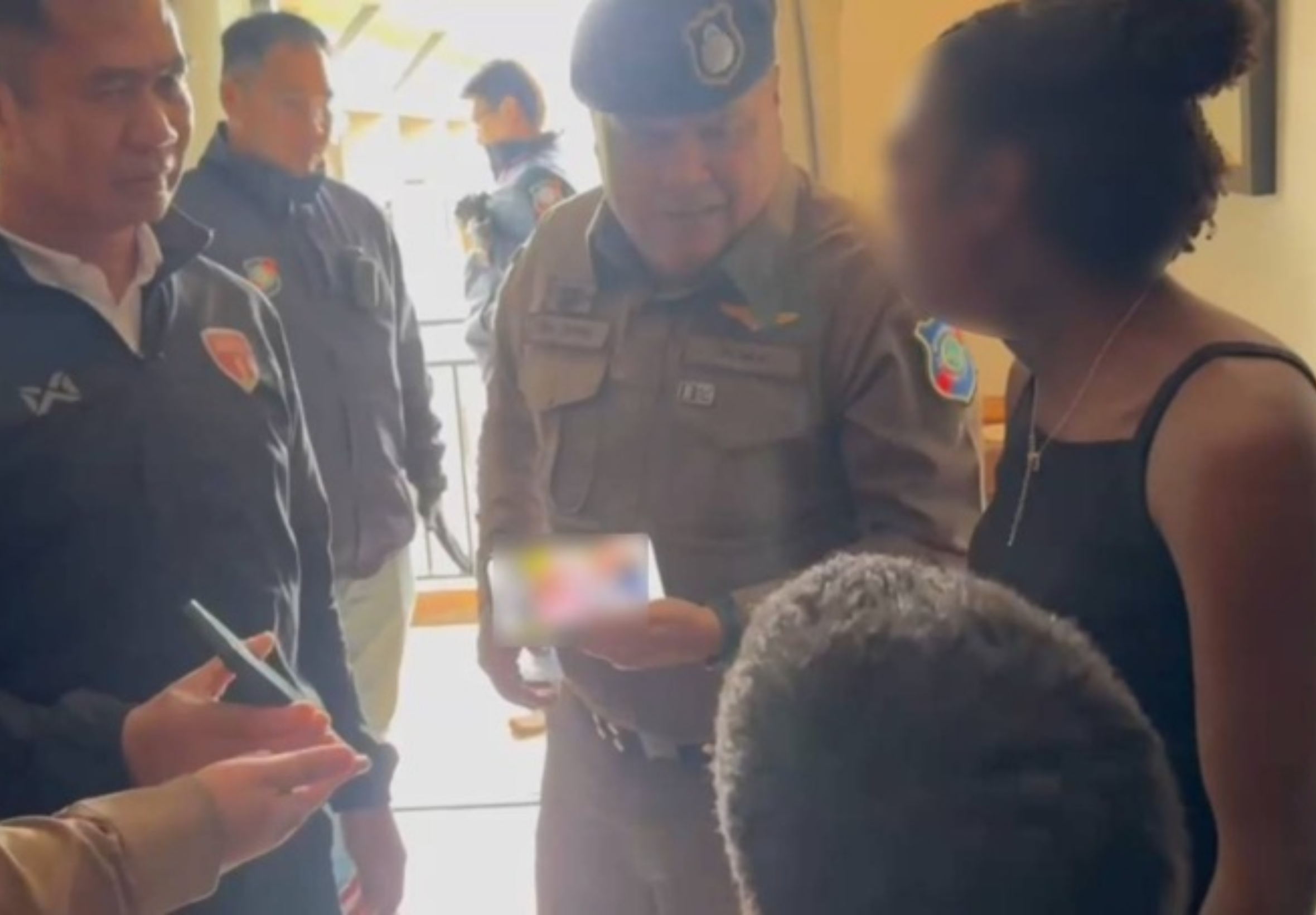
A Thai police officer's video is gaining traction after it captured a taxi driver allegedly refusing passengers and breaking traffic rules near Bangkok’s Don Mueang Airport. The incident, shared by officer “Jaa Auan Bolikhamsai” from the Vibhavadi Rangsit Traffic Control Centre on Facebook, quickly went viral. In the video, the driver is seen parking near the airport entrance and declining service to two waiting passengers, prompting the officer to step in.

Get today's headlines by email

The officer confronted the driver, noted existing fines, and issued new charges for refusing passengers and unlawfully parking, with fines totaling 1,000 baht. The driver initially contested, seeking to reduce the charges, but was penalized further for improper attire, becoming his fourth recorded offence due to three prior unpaid fines.

The video sparked significant online attention. Many praised the officer's stringent enforcement, highlighting the potential for stricter discipline among taxi drivers as a result. This incident underscores the importance of adherence to service and traffic laws, hinting at ongoing efforts to ensure more reliable transport services for passengers.

Looking forward, this case could prompt increased monitoring and stricter regulations for taxi operators around the airport area. Authorities may also consider enhancing checks to prevent similar incidents, with discussions underway on improving accountability among drivers.

AQOwDzg03TKENW11UsU57BERXa0wvIM80xLM3v8-oGJk8359z3Hy8UHMGI0s_56VOMs-VXtMzM3qG0Csu2DPOToqdyLc4fb-rBjxiXtrUw.mp4

Join the discussion?

Already a member?


  Adapted by ASEAN Now · Khaosod · 29 Apr 2026
snoop1130
snoop1130
A well-known disabled bakery vendor in Bangkok was arrested for stealing coins from washing machines on April 21. This revelation comes as the vendor faces accusations of faking his disability to boost sales.

Get today's headlines by email

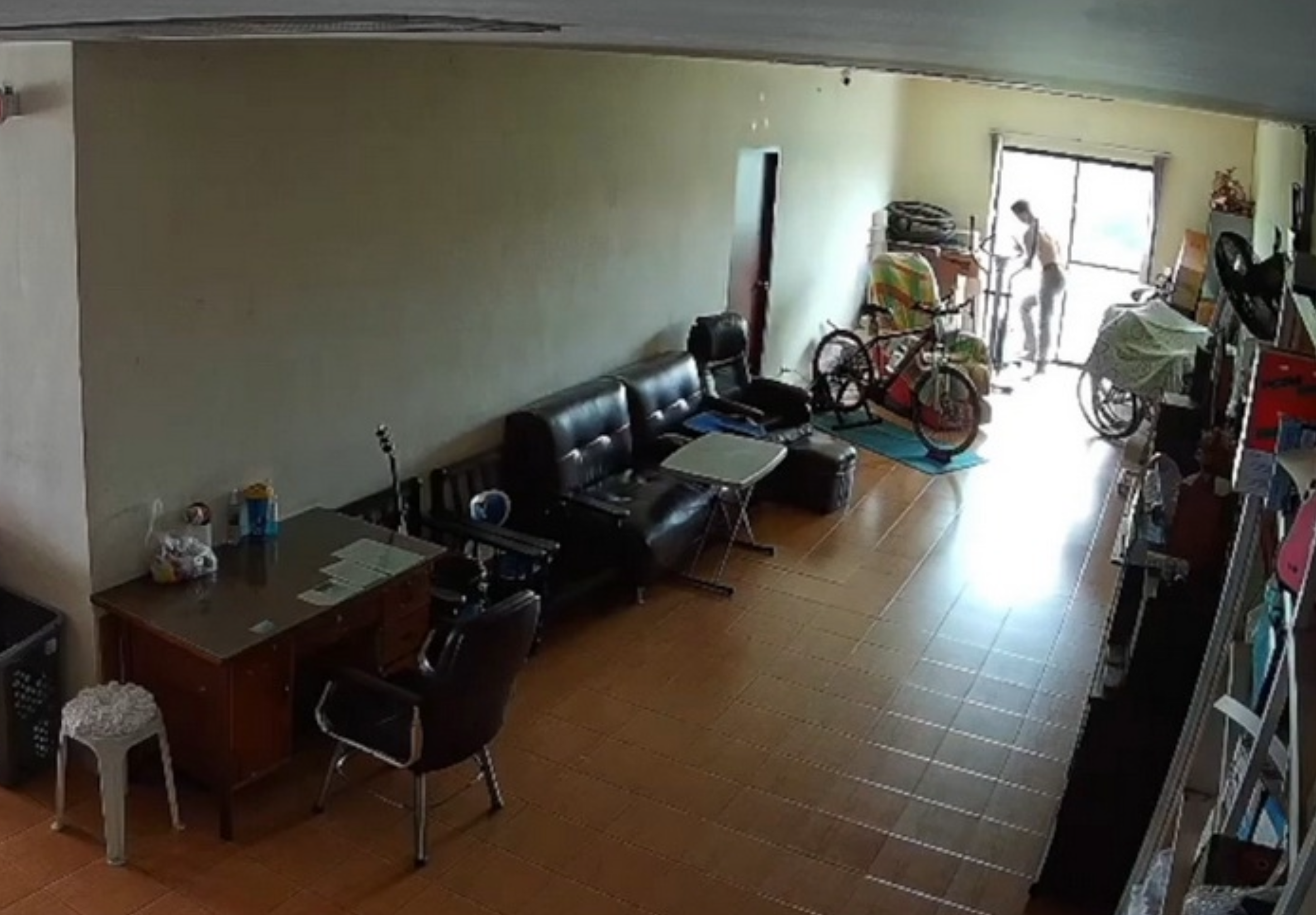
The incident began when the machines' owner, 23-year-old Thanatchai, reported the theft to Phetkasem Police Station after CCTV footage showed two individuals taking money from his machines around 3 a.m. in Soi Phetkasem 20. One suspect, identified on TikTok as a disabled bakery vendor, had previously garnered online support for his efforts to earn a living despite his disability.

Thanatchai estimated several thousand baht was stolen, citing the machines' busy location near residential condominiums. The footage depicted one suspect using a screwdriver to remove coins as the other monitored the area, leaving the scene in under five minutes.


Police arrested the 19-year-old vendor, Tum, at his residence on April 28. Tum admitted to the crime, stating he took approximately 2,600 baht to fix his motorcycle, claiming it was his first offense. He also denied accusations of faking his disability to enhance bakery sales.

Thanatchai expressed disappointment, as he had purchased products from Tum in the past. Tum is charged with nighttime theft under Section 335 of the Criminal Law, facing one to five years in prison and a fine between 20,000 and 100,000 baht. Police continue to search for the second suspect involved.

AQMFcfcFb6BlQ7iHBFD1XpAQNS6Pttd_PezBzI3KjQX0KqNLG6Efv2XLwgzNErvHqiWKgck440w9hdWnXsvFIHyr_J8C0h6mgFzLo9Thmw.mp4

Join the discussion?

Already a member?

  Adapted by ASEAN Now · The Thaiger · 29 Apr 2026
snoop1130
snoop1130
A sign advertising Yaba for sale at a Lop Buri road intersection has sparked calls for police intervention. The sign, spotted near Ananda Mahidol Hospital, included a contact name and phone number, alarming local residents. Shared widely on social media, the sign raised concerns about potential drug promotion.

Get today's headlines by email

The sign, seen on a traffic island, had a message stating, "Yaba on sale. Contact Ple from Ban Non Hua Chang community via 061…”. Channel 7 reported unsuccessful attempts to reach the person named Ple, as the phone was switched off, fueling doubts about the ad's authenticity. The incident quickly became a topic of discussion online, with some suggesting it might be a prank or stunt for attention.

Others mentioned the widespread availability of Yaba, questioning the need for such advertising and noting that prices have reportedly decreased following recent clampdowns on drug activities. Despite doubts about the sign's legitimacy, residents have urged authorities to investigate, fearing that even a staged display could inspire copycats or send harmful messages.

Currently, there have been no updates from police or officials about any investigation or the removal of the sign. The situation underscores the need for vigilance in addressing both genuine and potentially misleading drug-related advertisements.

Join the discussion?

Already a member?

  Adapted by ASEAN Now · The Thaiger · 29 Apr 2026
snoop1130
snoop1130
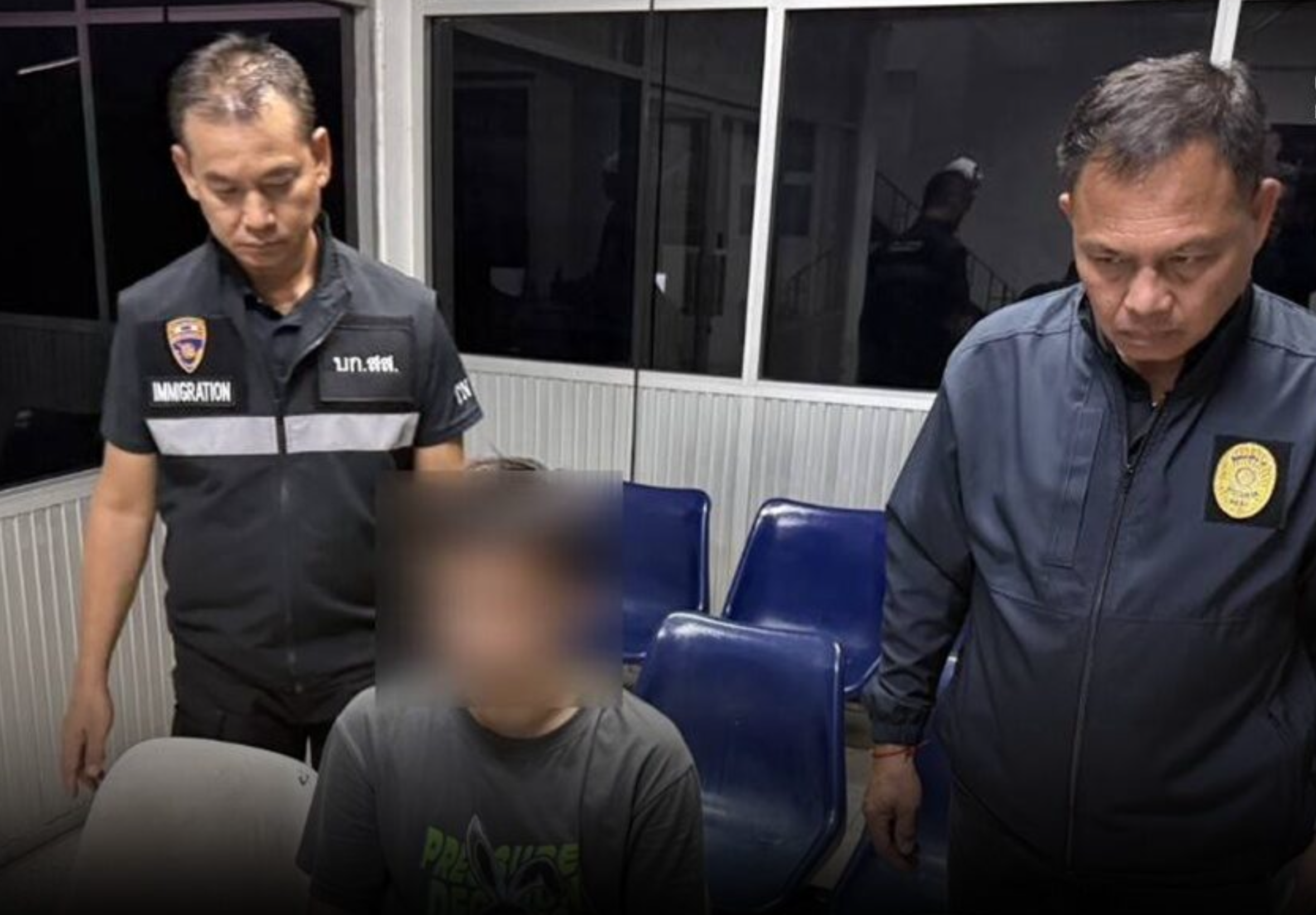
A 19-year-old Taiwanese passenger was arrested at Bangkok's Suvarnabhumi International Airport for attempting to smuggle 30 Indian Star tortoises to Taipei. Discovered by airport officials due to suspicious movements, the tortoises were strapped to her body, wrapped in adhesive tape, and placed in cloth bags.

Get today's headlines by email

This incident unfolded early Tuesday morning when wildlife officials, led by Komkrit Pinsai, chief of the Wildlife Inspection Station, identified the illegal cargo during a screening at the departure terminal. The Indian Star tortoise is a protected species under the Convention on International Trade in Endangered Species (CITES) and is highly valued on the black market.


The suspect, whose name remains undisclosed, was scheduled to fly on VietJet Air flight VZ568. With one tortoise found dead among those smuggled, authorities took her into custody at the airport's police station, charging her under the Wildlife Protection Act.

Join the discussion?

Already a member?

  Adapted by ASEAN Now · Bangkok Post · 29 Apr 2026
snoop1130
snoop1130
Thai authorities have introduced measures to protect air travelers amidst rising fuel costs linked to Middle East conflicts. The Civil Aviation Authority of Thailand (CAAT), in partnership with the Office of the Consumer Protection Board, finalized regulations to manage flight delays and cancellations. Airlines must now notify passengers of international cancellations at least seven days in advance and domestic cancellations at least three days ahead, barring unforeseen circumstances.

Get today's headlines by email

Affected passengers are entitled to full refunds within specified time frames: 14 days for cash payments, 45 days for credit card purchases, and 60 days for tickets bought through online agencies. Those opting for compensation via credit, vouchers, or mileage rewards will receive it within seven days upon submission of necessary documents.

Passengers preferring to continue their travels must be offered alternative flights promptly, either on the same or a different airline, to nearby destinations. Additionally, they can claim compensation for accommodation and related travel expenses, with unresolved claims eligible for legal action or intervention by the Consumer Protection Board.

Transport Minister Phiphat Ratchakitprakarn reiterated that airlines must comply with these compensation rules despite the pressures of the global energy crisis affecting flight operations. The CAAT has demanded improvements in airline communication channels for handling traveler complaints, with further discussions scheduled for the upcoming Tuesday.

Refund Schedule for Affected Passengers:
Cash Payments: Refund within 14 days
Credit Card Payments: Refund within 45 days
Online Travel Agencies: Refund within 60 days

Join the discussion?

Already a member?

  Adapted by ASEAN Now · Bangkok Post · 29 Apr 2026
snoop1130
snoop1130
The opposition People’s Party in Thailand has created a shadow cabinet to scrutinize Prime Minister Anutin Charnvirakul's government, focusing on four urgent issues amid global energy crises and rising living costs. Announced at the House of Representatives by party leader Natthaphong Ruengpanyawut, this move aims to systematically examine government decisions and offer policy alternatives to the public.

Get today's headlines by email

This step marks a strategic shift for the opposition, as they seek to serve both as a watchdog and an alternative policy platform. With economic strain, infrastructure spending, and environmental issues pressing on Thailand's agenda, the People’s Party plans to meet weekly to assess governmental decisions, determine their impact, and propose policy alternatives focused on public interest.

The shadow cabinet is divided into four mission-based teams. Weerayut Kanchuchat leads the New Economy team, Decharut Sukkumnoed heads the New Quality of Life team, Phicharn Chaowapatanawong leads the New Security team, and Sirikanya Tansakun directs the State Reform team. These teams mirror government responsibilities, monitoring policy decisions in economy, welfare, security, and state administration.

The cabinet identified four urgent agendas: immediate relief measures such as the Thai Helps Thai Plus scheme targeting key affected groups; addressing electricity bills by negotiating capacity payments and removing solar power quotas; reassessing the Land Bridge project with a focus on economic and quality of life improvements in the South; and advancing the Clean Air Act and PRTR Act by May 12. Reports from The Standard and The Momentum confirm these agendas and the clean-air legislation deadline.

The global energy crisis has intensified scrutiny on Anutin's administration. The People’s Party emphasizes the need for targeted relief measures, especially for sectors impacted by rising fuel costs. Recently, Anutin asserted Thailand's capability to purchase oil while seeking to maintain public confidence.

Reviving an opposition model from past Democrat Party regimes, the shadow cabinet holds symbolic political significance. Bangkok Biznews notes its reintroduction as a structured challenge to the current government. The People’s Party aims to use this mechanism to critique and offer alternatives to Anutin's policies, seeking a more equitable and sustainable national crisis response.

Join the discussion?

Already a member?

  Adapted by ASEAN Now · The Nation · 29 Apr 2026
snoop1130
snoop1130
Thailand's Energy Policy Committee has announced a reduction in electricity prices for households consuming up to 200 units per month to 3 baht/unit. This change will benefit approximately 20 million households, with the new rates taking effect in June. Alongside this, the committee approved a buyback scheme for surplus solar energy at 2.20 baht/unit, a move aimed at encouraging solar panel installations.

Get today's headlines by email

This decision follows the Cabinet's endorsement of measures to promote clean and efficient energy use. The Energy Regulatory Commission (ERC) will allocate 369 million baht from the bypass gas fund to subsidize electricity costs from May to August. Energy Minister Akanat Promphan highlighted the government's goal to increase rooftop solar panel installations, promising purchase of extra generated energy for a decade.

To facilitate this shift towards solar energy, the Electricity Generating Authority of Thailand, Metropolitan Electricity Authority, and Provincial Electricity Authority are tasked with enhancing power infrastructure. This includes upgrading the grid and transmission systems to support rooftop solar integration without compromising national power security.

The Cabinet has also set a target to reduce energy consumption by state agencies by 20%. Plans include transitioning street lights to LEDs and expanding solar-powered lighting. Additionally, to advance the country's green initiatives, the government is promoting electric vehicle production, more public charging stations, and bioenergy usage.

Looking Forward, The ERC is expected to finalize details on the solar buyback scheme by June. These developments underline Thailand's commitment to sustainable energy practices and could position the country as a leader in clean energy adoption.

Join the discussion?

Already a member?

  Adapted by ASEAN Now · Thai PBS · 29 Apr 2026
snoop1130
snoop1130
Thailand’s Department of Rural Roads will reduce street lighting on selected rural highways starting May 1. This energy-saving initiative is a response to tensions in the Middle East affecting energy supplies. Director-General Pichit Hoonsiri assured the public that safety standards will be maintained during the implementation.

Get today's headlines by email

The reduction will occur only on roads deemed low risk, characterized by low nighttime traffic and a lack of hazardous features like sharp curves or intersections. Some streetlights will be switched off during certain periods, but the emphasis remains on user safety. If increased risks are identified post-implementation, lighting will be promptly restored.

Public reaction is divided. Some individuals express concern about potential accidents and crime in dimly lit areas, particularly affecting motorcycle riders. Meanwhile, other citizens support the reduction, citing driver behavior as the primary cause of accidents, not lighting conditions alone.

People’s Party MP Suphanat Minchaiynunt voiced his concerns on Facebook, suggesting that reduced lighting could be detrimental to motorists. He recommended replacing traditional sodium lamps with energy-efficient LED lights and urged measures to prevent theft of electrical cables, which adds to maintenance costs.

Looking ahead, local provincial offices will inform residents of impending lighting changes. Adjustments will be made as needed to address any safety concerns, ensuring the initiative meets both energy-saving goals and public safety standards.

Join the discussion?

Already a member?

  Adapted by ASEAN Now · The Thaiger · 29 Apr 2026
snoop1130
snoop1130
The Ministry of Justice's Parole Board has approved the parole of Thaksin Shinawatra, the de facto Pheu Thai leader, allowing for his release on May 11 from Klong Prem Central Prison in Bangkok. This decision was made during a meeting chaired by Deputy Permanent Secretary Tharininee Saengsawat, with representatives from various agencies in attendance. Thaksin, who was incarcerated on September 9, 2025, will not be required to wear an electronic monitoring (EM) bracelet upon release due to his age and medical conditions.

Get today's headlines by email

Thaksin's incarceration has lasted for seven months and 20 days, just shy of completing two-thirds of his one-year sentence. The parole is part of a general program applicable nationwide, with Thaksin being the most notable inmate on the list. The committee's meeting lasted over three hours, ultimately ruling in favor of Thaksin’s conditional release considering his circumstances.

Upon his release on May 11, Thaksin will enter a four-month probation period, overseen by the Klong Prem Central Prison commander and probation officers. Experts suggest that the parole approval highlights considerations for elderly and health-compromised inmates under the justice system. Some observers note that this decision might influence public opinion and the political landscape, given Thaksin's prominent role in Thai politics.

Looking forward, Thaksin's release will be closely monitored by the political community and citizens alike, as discussions arise regarding his potential influence and involvement in future political activities. Observers will be watching how his probation period unfolds and the potential implications for his return to public life.

Join the discussion?

Already a member?

  Adapted by ASEAN Now · Thai Newsroom · 29 Apr 2026
snoop1130
snoop1130
Thai tourist police in Pattaya, Chon Buri, working with Provincial Police Region 2 investigators, dismantled a scam network operating out of a hotel in central Pattaya, on 28 April 2026. Three Nigerian nationals and a Thai woman, all not named by authorities, were arrested in connection with a romance scam and bank account mule operation. Officers seized 12 mobile phones and 12 bank accounts during the raid.

Get today's headlines by email

Investigators said the group was part of a wider transnational fraud network involving the purchase and use of so-called “mule accounts” to receive illicit transfers from victims of online romance scams. The Thai suspect, identified only as a 41-year-old woman from Chon Buri, admitted to sourcing bank accounts for her Nigerian husband and receiving around 2,000 baht per account. She also handled daily cash withdrawals and transfers for the group, earning an additional commission of around 10 per cent, with reported earnings reaching up to 30,000 baht per day.


Police said victims were typically deceived into transferring money into accounts controlled by the syndicate, after which funds were quickly withdrawn and routed through intermediaries before being sent to senior figures based in Nigeria. The suspects allegedly formed part of a wider romance scam network operating across Thailand and internationally, with similar groups believed to be active in multiple locations.

All suspects were taken into custody and handed over to Bang Lamung police for prosecution. They face charges under Thailand’s 2023 Technology Crime Prevention and Suppression Act, including organising or facilitating the buying, selling, or lending of bank accounts and electronic payment accounts for criminal purposes, as well as offences relating to SIM card trafficking and involvement in an organised criminal association.

Daily News reported that authorities said investigations will continue to identify additional members of the network and trace financial flows linked to the group. Police are also working to establish connections with overseas coordinators and disrupt further romance scam operations believed to be active in Thailand and abroad.


Pictures courtesy of Daily New

Join the discussion?

Already a member?

Adapted by ASEAN Now Dailynews 29 Apr 2026
Georgealbert
Georgealbert
Thai Army units have uncovered 32 additional landmines during ongoing clearance operations along the Thai-Cambodian border in Sa Kaeo province, highlighting the continued risk posed to local communities. The discovery was made on 25 April within a designated hazardous zone at Ban Nong Chan, where troops are working to make land safe for civilian use.

Get today's headlines by email

The Burapha Task Force, through its Humanitarian Mine Action Unit 1, is leading efforts in the affected area in Non Mak Mun subdistrict, Khok Sung district. During the latest operation, personnel cleared 400 square metres of land within a suspected hazardous area labelled SHA 27-01/AD, which spans 99,800 square metres. Among the 32 mines found in a single day were 22 PMN anti-personnel mines and 10 MN79 mines, underscoring the density of contamination.


Since operations began on 18 November, authorities have cleared 62,000 square metres of land, representing 62.93 percent of the total area. However, around 37,000 square metres, or 37.07 percent, remains suspected of containing explosive hazards. In total, 189 explosive items have been located and neutralised, including 122 PMN mines, 30 MN79 mines, two POMZ-2 mines, 34 PMD-6M mines and one item of unexploded ordnance.

Officials released images showing recovered mines bundled together for transport, a practice used for safe storage prior to disposal. Authorities noted that such large groupings are rarely seen and serve as a stark indication of the scale of contamination along this stretch of the border.

Khaosod reoorted that the continued discovery of landmines reflects the long-standing legacy of past conflicts in the Thai-Cambodian border region. Clearance operations remain critical for reducing risks to residents, farmers and border communities who rely on the land for their livelihoods.


Pictures courtesy of Khaosod

Join the discussion?

Already a member?

Adapted by ASEAN Now Khaosod 29 Apr 2026
Georgealbert
Georgealbert
A 16-year-old girl in Suphan Buri province has filed a police complaint after an online lender posted naked images of her on social media. The teenager, identified only as Miss Jai, borrowed 1,500 baht in 2 loans, through a Facebook account named “Nut Uthong” in early March 2026. The lender required her to send naked photographs and video clips as collateral before releasing the funds.

Get today's headlines by email

Miss Jai repaid 400 baht in interest on the 1,000-baht portion and 200 baht on the 500-baht portion but then missed further payments. The lender, identified only as Mr Nut from U Thong district, allegedly demanded she sleep with him. When she refused, he posted her explicit images publicly on Facebook to shame and threaten her.

The total interest now claimed exceeds 21,000 baht. Miss Jai told police she had met the lender once briefly at a concert but did not know him personally. She said people now recognise her from the posts, adding: “I feel ashamed. When I go out, people say I look familiar.”

Her guardian, Mr Keng (aged 61) from Bang Pla Ma district, accompanied her to Bang Pla Ma police station on 27 April 2026. Investigating officer Police Lieutenant Colonel Jaturon JaruSirirak accepted the complaint. Police plan to charge Mr Nut with defamation by publication and are considering additional charges under the Computer Crimes Act and child pornography laws.

Thaitabloid reported that police Lieutenant Colonel Nattaphong In Sawang, deputy chief of investigation, said the teenager had acted out of naivety. He warned the public not to accept loan terms requiring nude images or sensitive personal data. Officers are now tracking the suspect for questioning.


Join the discussion?

Already a member?

Adapted by ASEAN Now Thaitabloid 29 Apr 2026
Georgealbert
Georgealbert
A man has been arrested in Phuket for illegally possessing a protected slow loris and offering it to tourists for photographs, with authorities warning of penalties of up to five years in prison or a fine of 500,000 baht. The suspect was detained on the evening of 27 April 2026 in Karon following complaints about wildlife exploitation in the area. Officials said the man also attempted to attack officers during the arrest.

Get today's headlines by email

The operation was carried out by officers from Khao Phra Thaeo Non-Hunting Area, in coordination with Karon Police, local administrative officials, and Chalermpong Saengdee, MP for Phuket Constituency 2 from the People’s Party. Authorities had received reports that protected wildlife, including the slow loris, was being used as a photo attraction for tourists. Upon inspection, the suspect was found carrying one slow loris in a shoulder bag.


Further checks revealed the man was in possession of two knives and a metal claw-like weapon. Officers proceeded to inform him of his rights and arrested him under the Wildlife Preservation and Protection Act B.E. 2562 (2019) and B.E. 2535 (1992). Illegal possession of protected wildlife carries a maximum penalty of 500,000 baht in fines or up to five years’ imprisonment.

Officials said the rescued slow loris has been transferred to the Phang Nga Wildlife Breeding Centre for rehabilitation. It will be cared for and prepared for eventual release back into its natural habitat. Authorities reiterated that the exploitation and illegal trade of protected wildlife remains a serious offence and poses risks to both animals and ecosystems.

The arrest highlights ongoing enforcement efforts to curb wildlife trafficking and protect natural resources in tourist areas. Officials urged the public and visitors not to support such activities by paying for photographs with wild animals, as it encourages illegal practices and animal abuse.

Thaitabloid reported that investigations are ongoing, and authorities indicated that further action may be taken if additional offences or networks are uncovered. Enforcement agencies said they will continue monitoring high-risk areas and responding to public complaints to prevent similar incidents.


Pictures courtesy of ThaiRath

Join the discussion?

Already a member?

Adapted by ASEAN Now ThaiRath 29 Apr 2026
Georgealbert
Georgealbert
A foreign man was shot dead by police after opening fire during a standoff inside a cave in Sawi district, Chumphon, on 28 April 2026. Authorities said the suspect refused to surrender and fired a handgun at officers, prompting a return shot that killed him at the scene. The incident followed a manhunt linked to drug dealing, theft and violent assaults on local residents.

Get today's headlines by email

The operation took place at around 12:30, when police, local officials, volunteers, prosecutors, medical staff and community leaders surrounded a cave in Moo 4, Thung Raya subdistrict. Officers secured the area and prevented public access while locating the suspect, believed to be hiding inside. Items found at the cave entrance included a black backpack, a machete, a cooking pan, a hat, a head torch, a mobile phone, three methamphetamine pills and a homemade single-shot .38 handgun with a spent casing.


Rescue teams faced difficulty retrieving the body due to the narrow cave entrance and a depth of about eight metres, compounded by lingering tear gas. It took more than 20 minutes to remove the body, with personnel wearing protective masks. The deceased, estimated to be aged 30–35, was found shirtless and wearing camouflage trousers, with a fatal gunshot wound to the chest exiting the back.

Investigators said the suspect, identified by Myanmar workers as an ethnic Karen, had a history of drug trafficking, theft and violent behaviour in the area. Two weeks earlier, he allegedly stole property and was linked to meth distribution, frequently carrying a firearm and intimidating villagers in Moo 6, Thung Raya. A subsequent search of a hut uncovered 170 meth pills and seven rounds of .38 ammunition, though the suspect had already fled.

Police also linked him to three break-ins at Thai homes in Moo 4, where occupants were assaulted. Community leaders had warned residents via social media and organised searches after finding signs of campfires near the cave. When authorities confirmed his presence, a special operations unit moved in, attempting negotiations before deploying tear gas to force him out.

SiamRath reported that officials said the suspect fired one shot at police during the operation, leaving officers no choice but to return fire. The case is being treated as a justified use of force, with the body sent to Sawi Hospital for a detailed post-mortem. Authorities continue to review evidence and coordinate with relevant agencies.


Pictures courtesy of SiamRath

Join the discussion?

Already a member?

Adapted by ASEAN Now SiamRath 29 Apr 2026
Georgealbert
Georgealbert
The Thai government has intensified its crackdown on intellectual property infringement, pursuing 332 cases and seizing more than 1.3 million counterfeit items in the last six months. Authorities estimate the economic damage linked to these cases at around 2.3 billion baht, highlighting the scale of the issue and its impact on trade and investment confidence. The enforcement drive forms part of a coordinated effort to strengthen Thailand’s global economic image.

Get today's headlines by email

At a press briefing on 27 April 2026 at the Customs Department, Deputy Prime Minister and Finance Minister Ekniti Nitithanprapas outlined the results under the direction of Prime Minister and Interior Minister Anutin Charnvirakul. The operation, covering October 2025 to March 2026, brought together the Ministry of Finance, Ministry of Commerce, Ministry of Justice and the Royal Thai Police. Representatives from key trading partners, including the United States, Switzerland, the European Union and the United Kingdom, also attended.


The government has prioritised a unified “economic-security-justice” approach, targeting counterfeit goods across physical markets, warehouses and border checkpoints, as well as online platforms. The reported economic damage from enforcement actions marks a 78 per cent increase compared with the total figure for Fiscal Year 2025, which stood at 1.3 billion baht. Officials said such violations undermine Thailand’s credibility and long-term competitiveness in global trade.

Deputy Prime Minister and Commerce Minister Suphajee Suthumpun emphasised that intellectual property protection is central to economic development and investor confidence. She warned that counterfeit goods pose risks not only to businesses but also to consumer safety, potentially affecting health and livelihoods. Legitimate businesses, she added, are often unable to compete with lower-priced infringing products.

The crackdown aligns with the government’s Trade Plus policy, aimed at raising trade standards and promoting a fair and transparent business environment. Authorities plan to expand investigations to dismantle infringement networks and close enforcement gaps, while strengthening cooperation with online platforms to address digital marketplace violations.

The Nation reported that officials said enforcement efforts will continue alongside public awareness campaigns and legal reforms to match evolving economic conditions. The government is also seeking closer collaboration with private sector rights holders and international partners. Members of the public are urged not to buy or support counterfeit goods and to report suspected infringements via official channels.


Pictures courtesy of The Nation

Join the discussion?

Already a member?

Adapted by ASEAN Now Nation 29 Apr 2026
Georgealbert
Georgealbert
Thai Airways International has announced an increase in fuel surcharge rates on international tickets, driven by a worsening global aviation fuel crisis linked to escalating conflict in the Middle East. The airline says the revised charges will apply to tickets issued on or after 1 May 2026, while bookings made on or before 30 April 2026 will retain the current lower surcharge even if travel occurs later.

Get today's headlines by email

The airline confirmed that the new surcharge rates will be almost 100% higher, effectively doubling this portion of the ticket cost for passengers on major international routes including Bangkok to London, Tokyo, and Sydney. The adjustment reflects rapidly rising operational costs as jet fuel prices continue to surge worldwide.

Thai Airways said the increase has been triggered by a sharp escalation in aviation fuel prices caused by ongoing conflict in the Middle East. Jet A-1 fuel prices have reportedly risen to two to three times previous levels. Fuel typically accounts for up to 30% of airline operating costs, making the spike financially significant for carriers.

The airline stated that the surcharge revision is necessary to align ticket pricing with current market conditions and ensure operational sustainability. It emphasised that the changes are unavoidable given the scale of cost pressure across the aviation sector.

The announcement comes amid broader operational adjustments by Thai Airways, which has already reduced flight frequencies and cancelled selected domestic and international services during April in response to escalating costs. The airline has been attempting to balance capacity with financial pressures while maintaining core routes.

Passengers planning future travel have been advised that timing of ticket purchase will determine whether the higher surcharge applies. Those who secure bookings before the cut-off date will avoid the increased charges, regardless of their travel schedule.

The Nation reported that the airline is expected to continue monitoring fuel price volatility closely, with further adjustments possible if global energy markets remain unstable. The situation may also influence demand patterns, particularly on long-haul routes where fuel costs have the greatest impact on fares.

The fuel surcharges, included in the price of tickets, will rise on the following routes:

Bangkok-Yangon: from 1,780 to 3,390 baht for economy class and from 2,580 to 4,930 baht for business class

Bangkok-Beijing: from 4,580 to 8,760 baht for economy and from 6,440 to 12,130 baht for business

Bangkok-Delhi: from 4,580 to 8,760 baht for economy and from 6,440 to 12,130 baht for business

Bangkok-Seoul: from 5,540 to 10,630 baht for economy and from 8,120 to 15,530 baht for business

Bangkok-Narita: from 5,540 to 10,630 baht for economy and from 8,120 to 15,530 baht for business

Bangkok-Sydney: from 7,410 to 14,170 baht for economy and from 10,950 to 20,930 baht for business

Bangkok-Milan: from 9,990 to 19,070 baht for economy and from 18,680 to 35,750 baht for business

Bangkok-London: from 9,990 to 19,070 baht for economy and from 18,680 to 35,750 baht for business.

Related story

Thai-airways-raises-fuel-surcharges-to-Japan-routes

Join the discussion?

Already a member?

Adapted by ASEAN Now Nation 29 Apr 2026
Georgealbert
Georgealbert
Thailand is monitoring six major reservoirs where water levels have fallen below the minimum control level, though authorities say supplies remain sufficient for public and economic use until the end of the 2025/26 dry season. The Office of the National Water Resources (ONWR) confirmed on April 27, 2026, that the situation remains manageable despite the decline.

Get today's headlines by email

Nationwide water storage currently stands at 48.39 billion cubic metres, representing 60% of total capacity, with usable water at 24.287 billion cubic metres, or 43%. Officials emphasised that while some reservoirs are under pressure, overall reserves remain adequate for ongoing consumption and economic activity.

The update comes as upper Thailand prepares for worsening weather conditions. Between April 28 and May 1, thunderstorms, strong winds and isolated hail are forecast, initially affecting the Northeast, North and East before extending to the Central region, Bangkok and surrounding areas.

Despite falling water levels, ONWR reported that water quality remains within acceptable standards. Tests conducted, showed salinity levels at all monitoring points were normal, with the Chao Phraya River at the Sam Lae pumping station meeting drinking water criteria. The Tha Chin River at Khlong Chinda, the Mae Klong River at Amphawa and the Bang Pakong River at Bang Taen all met agricultural-use standards.

Officials have urged residents, particularly in vulnerable areas, to stay alert and closely follow weather updates as conditions evolve. While the current outlook indicates sufficient supply through the dry season, continued monitoring of both reservoir levels and incoming rainfall will be essential.

The Nation reported that authorities are expected to maintain close surveillance of water reserves and weather patterns to ensure stability. Any significant changes in rainfall or demand could prompt further measures, though no immediate restrictions have been announced.

Key reservoir figures

Total water nationwide: 48.39 billion cubic metres (60%)
Usable water: 24.287 billion cubic metres (43%)
Medium-sized reservoirs below 30%: 67 nationwide

Reservoir levels by region

West: 68% — 19.308 billion cubic metres
South: 64% — 5.017 billion cubic metres
North: 60% — 16.455 billion cubic metres
Northeast: 48% — 5.789 billion cubic metres
East: 37% — 1.125 billion cubic metres
Central region: 35% — 696 million cubic metres

In the Eastern Economic Corridor (EEC), key reservoirs remain at moderate levels:

Prasae Reservoir: 172 million cubic metres (58%)
Bang Phra Reservoir: 58 million cubic metres (50%)
Nong Pla Lai Reservoir: 78 million cubic metres (48%)

However, six large reservoirs are now under close watch after falling below minimum control levels:

Mae Mok Dam (North)
Pa Sak Jolasid Dam (Central region)
Khun Dan Prakan Chon Dam (East)
Khlong Si Yat Dam (East)
Vajiralongkorn Dam (West)
Pran Buri Dam (West)


Picture courtesy of The Nation

Join the discussion?

Already a member?

Adapted by ASEAN Now Nation 29 Apr 2026
Georgealbert
Georgealbert
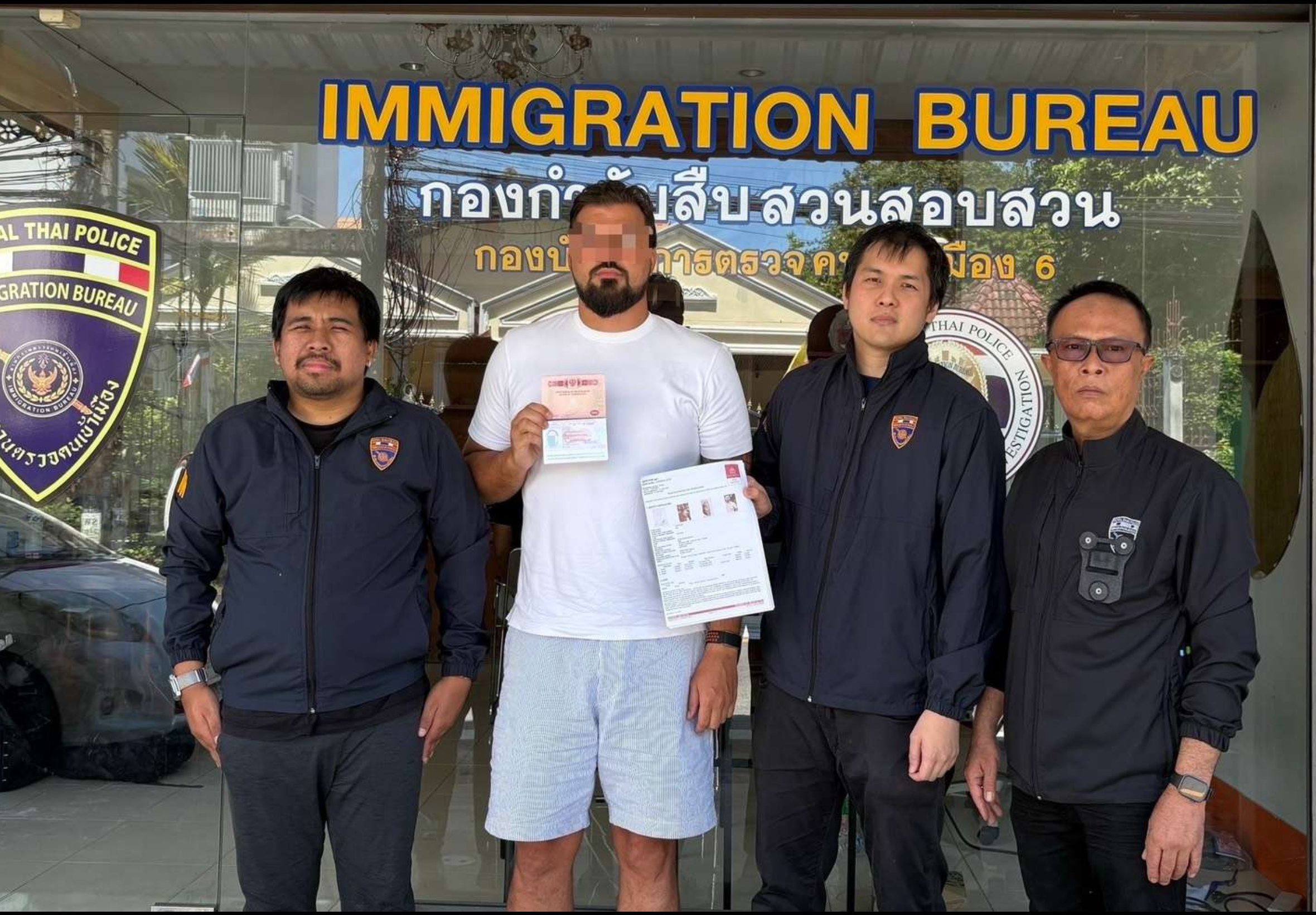
Thai immigration police and supporting units have arrested Australian national, identified by authorities only as Richard in a coordinated early morning raid on 28 April 2026 in Khon Kaen. The operation resulted in his detention at a residence in the city after authorities identified it as a hiding place for a wanted international offender. Officials confirmed he was taken into custody without resistance while staying inside the property.

Get today's headlines by email

The arrest followed an intelligence-led investigation involving the Investigation Division of Immigration Bureau Region 4, Khon Kaen Immigration, the Crime Suppression Division, and the Tourist Police. Authorities said the operation was conducted after close coordination with the Australian Federal Police (AFP) office in Bangkok and Australian agencies seeking the suspect. Richard has been hiding in Thailand after his passport was cancelled by Australian authorities in an effort to restrict his travel.

According to police sources, Richard is listed on Australia’s sex offender register and has a serious criminal record. His reported offences include sexual abuse and indecent acts involving children, possession of child sexual abuse material, assault and drug-related offences. Australian authorities had issued a warrant for his arrest, prompting concerns that he may attempt to use Thailand as a safe haven while evading prosecution.

Thai police said the case reflects an ongoing zero tolerance policy toward transnational crime and the use of Thailand as a refuge by foreign fugitives. Officials emphasised that cases involving child exploitation and human-related offences are treated as high priority due to their international implications. The arrest was described as a result of strengthened cross-border cooperation between Thai law enforcement and international partners.

Thaitabloid reported that authorities confirmed that Richard is currently being held for legal processing under Thai law, with further coordination expected with Australian authorities regarding extradition proceedings. He is likely to be repatriated to face charges in Australia once formal procedures are completed.

Join the discussion?

Already a member?

Adapted by ASEAN Now Thaitabloid 29 Apr 2026
Georgealbert
Georgealbert
Thailand has received no direct assistance from the United States as it struggles with the economic fallout of the American-Israeli war against Iran, Foreign Minister Sihasak Phuangketkeow said in an interview on April 27, 2026. The conflict has driven up fuel and fertiliser costs, placing significant strain on the Thai economy and its agricultural sector. In response, Thailand is turning to Russia and China for support.

Get today's headlines by email

The war, has disrupted global energy and supply chains, with Asia particularly affected due to its reliance on Middle Eastern fuel and fertiliser. Prices for urea fertiliser have nearly doubled, impacting more than 10 million Thai farmers, while diesel prices in Thailand reached historic highs. Efforts to secure supplies have included a visit by Thailand’s agriculture minister to Moscow and attempts to procure Russian crude, though concerns over US sanctions have slowed progress.

Sihasak said the only gesture from Washington was President Donald Trump’s suggestion that countries purchase American oil and gas. He added that US officials had not engaged directly with Thailand to offer support despite being aware of the consequences. Thailand has also sought assistance from China, including help to secure safe passage for eight Thai vessels stranded near the Strait of Hormuz, a critical shipping route affected by blockades and military risks.

The situation has been compounded by ongoing tensions in the Strait of Hormuz, where shipping remains hazardous despite a mid-April ceasefire. In March, a Thai-flagged vessel, the Mayuree Naree, was struck by Iranian missiles while transiting the area, killing three crew members. Sihasak said investigations into the incident are ongoing, noting conflicting accounts over whether the vessel had clearance to pass.

Sihasak expressed concern over what he described as unpredictable US policy, suggesting that shifting objectives in the conflict have added to uncertainty among allies. He also pointed to broader US actions, including tariffs and cuts to aid programmes, as factors forcing Thailand to reconsider its international partnerships. While he stopped short of directly criticising Washington, he said the war “should not have taken place”.

The Washington Post reported that Thailand continues diplomatic efforts to secure safe shipping routes and stabilise supply chains. Sihasak recently travelled to Oman to advocate for safe passage through the Strait of Hormuz but indicated pessimism about the prospects. As the conflict persists, Thailand faces mounting economic pressure and a need to diversify its strategic relationships.

Join the discussion?

Already a member?

Adapted by ASEAN Now Washingtonpost & Bangkokpost 29 Apr 2026
Georgealbert
Georgealbert
More than 1,300 Pad Thai dishes were sold within an hour during the Songkran Festival on April 26 in Los Angeles, setting a new Guinness World Record. The "2026 Thai New Year: Songkran Festival," hosted along a three-kilometer stretch of Hollywood Boulevard, attracted over 200,000 attendees and is regarded as the largest Thai festival outside of Thailand. The event featured a colorful cultural parade, live performances, and a cooking spectacle, alongside the record-setting Pad Thai sales.

Get today's headlines by email

The festival commenced with a parade showcasing Thai cultural elements, drawing large crowds to Hollywood Boulevard. Participants included Thai youth in traditional attire and contestants from the Miss Thai Town 2026 pageant. The highlight of the day was the Pad Thai sales challenge, where chefs from 48 restaurants collaborated to surpass the 1,200 dish target. By the end of the hour, 1,338 dishes were sold, securing the Guinness World Record.

Guinness representatives confirmed the achievement, awarded official recognition, and presented certificates to the participants. The Royal Thai Consulate-General in Los Angeles, Tor Sornlump, mentioned that the record attempt was spurred by a surge in pre-orders, encouraging organizers to aim for the official recognition. Alongside this accomplishment, the chefs engaged in a cooking competition, diversifying the Pad Thai offerings.

The festival was supported by multiple Thai authorities, including the Tourism Authority of Thailand Los Angeles Office, further enhancing the event with cooking demonstrations and cultural displays. Large pans were used for live cooking shows featuring public figures like Sudarat Keyuraphan and Pita Limjaroenrat. Food stalls were a major attraction, with festival-goers enjoying classic Thai treats like mango sticky rice and fresh durian, adding to the vibrant festival environment.

Join the discussion?

Already a member?

  Adapted by ASEAN Now · The Thaiger · 28 Apr 2026
snoop1130
snoop1130
Civil society groups and local activists in northern Thailand vigorously oppose plans to permit alcohol sales in public parks, including in Chiang Mai and Ranong. These proposals, framed as tourism boosters, have sparked public outcry, with concerns that they undermine the safety and primary purposes of these public spaces.

Get today's headlines by email

The issue centers around efforts to sidestep regulations and host events that allow drinking in parks. For instance, during Chiang Mai’s Songkran festival, alcohol was reportedly sold in a public area, clashing with the cultural significance of the event. Similarly, Grass Hill in Ranong faces potential transformation into a year-round venue with alcohol sales, although it currently serves as a public park under government oversight.

Teerapat Kahawong, from the Coalition for the Prevention and Reduction of Alcohol-Related Harm, highlighted the drawbacks, stating these initiatives serve a narrow group while imposing broader social and health costs. He emphasized the risks, including legal challenges, as the sale and consumption of alcohol in public parks are typically prohibited under Thai law.

Local communities have intensified opposition, citing years of work creating alcohol-free and family-friendly zones. Leaders like Sucheep Patthong of the Ranong Community Network argue that reversing this progress for commercial interests would endanger public welfare. Additionally, health networks have consistently worked to reduce alcohol-related harm across the region.

Looking forward, further resistance is expected as communities strive to maintain public safety and uphold the integrity of shared spaces. Activists emphasize the importance of maintaining parks as inclusive environments and caution against prioritizing short-term economic benefits over community health.

Join the discussion?

Already a member?

  Adapted by ASEAN Now · Bangkok Post · 28 Apr 2026
snoop1130
snoop1130
A delegation from the International Olympic Committee (IOC) is in Bangkok for a three-day evaluation visit as Thailand advances its bid to host the Youth Olympic Games in 2030. The visit includes detailed site inspections and essential meetings as Bangkok positions itself as a strong contender.

Get today's headlines by email

The IOC Working Group on the Youth Olympic Games 2030, guided by chair Danka Hrbeková, is conducting evaluations in Bangkok and Chonburi from April 28 to 30. This visit is part of the selection process leading up to the host city decision at the IOC Session in June 2026. Accompanying the delegation are Dr. Kongsak Yodmanee, Governor of the Sports Authority of Thailand, and officials from the National Olympic Committee of Thailand.

Site inspections encompass venues like the SAT headquarters and Rajamangala National Stadium, proposed for the opening and closing ceremonies. Various competition sites are being evaluated, including stadiums for extreme sports, climbing, table tennis, and gymnastics, alongside facilities for sports such as swimming and athletics. The proposed Youth Olympic Village at Chulalongkorn University and the adjacent Urban Park are also under consideration.

Organizers propose a comprehensive venue setup to accommodate a full range of events. The plan highlights the diversity of sports to be featured, aligning with the Youth Olympic Games' aim of combining sport with education and cultural activities. The involvement of youth-focused initiatives integrated into Bangkok's environment is also a key aspect of Thailand's bid.

With evaluations underway, Thailand aims to solidify its proposal ahead of the final decision in 2026. The potential hosting of the Youth Olympic Games could significantly boost the nation’s sports and tourism sectors, providing a platform to foster international youth engagement and cultural exchange.

Join the discussion?

Already a member?

  Adapted by ASEAN Now · Khaosod · 28 Apr 2026
snoop1130
snoop1130
Central Pattana has teamed up with China Mobile International and JegoTrip to enhance digital travel privileges for Chinese tourists in 14 malls across Thailand. This collaboration aims to increase tourist spending and support sustainable tourism.

Get today's headlines by email

The initiative targets Chinese and Asian visitors using JegoTrip, facilitating digital travel planning and lifestyle experiences at Central shopping centres nationwide. With China Mobile International’s vast user base, this partnership connects tourists with Thailand’s retail and tourism sectors, promoting the country as a premier destination.

Dr. Nattakit Tangpoonsinthana from Central Pattana highlighted the importance of Chinese tourists, emphasizing their role in driving Thailand’s tourism industry. The focus is on high-quality, independent travellers who enjoy seamless digital and lifestyle experiences. This trend could enhance footfall and spending in major tourist destinations.

Pattaraanong Na Chiangmai from the Tourism Authority of Thailand noted Chinese tourists as the largest group visiting Thailand. Between January and mid-April 2026, 1.77 million Chinese tourists visited, and the TAT aims to attract 6.7 million by year-end, a 40% increase from the previous year.

JegoTrip users can access e-vouchers for shopping, dining, and activities until March 2027, covering major tourist cities like Bangkok and Phuket. The campaign promotes a "one-platform, multi-destination" experience, easing travel planning and benefit redemption.

The discounts, up to 25%, apply across leading brands in the Central group, intending to draw high-value tourist traffic and support Thailand’s goal of being a global lifestyle destination.

Join the discussion?

Already a member?

  Adapted by ASEAN Now · The Nation · 28 Apr 2026
snoop1130
snoop1130
Thailand saw 11,364,781 foreign tourist arrivals from January 1 to April 26, 2026, representing a 3.40% year-on-year decline, according to the Ministry of Tourism and Sports. Despite the decrease, the country generated an estimated THB555,631 million in tourism-related spending. The top source markets for this period were China, Malaysia, Russia, India, and South Korea.

Get today's headlines by email

Top Five Source Markets (January 1-April 26, 2026):
China: 1,836,916
Malaysia: 1,228,057
Russia: 849,367
India: 805,208
South Korea: 465,702

In the week from April 20-26, short-haul travel showed signs of recovery, with arrivals increasing by more than 26% compared to the previous week. Chinese arrivals rose by 37.31% to 102,493, while Taiwan moved up to the fifth spot despite a 41.93% drop in weekly arrivals.

Top Five Markets (April 20-26, 2026):
China: 102,493 (+37.31%)
Malaysia: 73,571 (+20.91%)
India: 45,811 (-1.45%)
Russia: 26,015 (-15.32%)
Taiwan: 18,482 (-41.93%)

Overall, Thailand welcomed 536,401 foreign tourists during the week, marking a 15.42% increase from the previous week, averaging 76,629 daily arrivals. Looking ahead, Natreeya Taweewong of the Ministry indicated that arrivals are expected to rise, bolstered by upcoming Labour Day holidays, a return to normal energy conditions, and various government initiatives.

Join the discussion?

Already a member?

  Adapted by ASEAN Now · The Nation · 28 Apr 2026
snoop1130
snoop1130
Vietjet Thailand has introduced its "Fly2Ferry" service, integrating air and sea travel between Bangkok and the southern islands of Thailand. This new service streamlines travel for passengers to popular destinations like Koh Samui, Koh Tao, and Koh Phangan by offering a single booking system that includes flight and ferry reservations. The service, available from April 28, 2026, aims to enhance accessibility to these high-demand tourism hotspots.

Get today's headlines by email

Fly2Ferry marks a significant advancement in connecting air travel with marine tourism in Thailand. According to Pinyot Pibulsonggram, Vice President of Commercial and Customer Service at Vietjet Thailand, this service represents a strategic move to elevate travel convenience to sought-after island destinations, noted for their natural beauty, entertainment options, and diving opportunities. The initiative aligns with the airline’s broader strategy to broaden its travel network and potentially expand flight connections to other islands.

Passengers utilizing the service will travel via Surat Thani or Nakhon Si Thammarat airports, followed by a van transfer to Donsak Pier. From there, they will board ferries operated by Lomprayah High-Speed Ferries Co., Ltd., providing seamless transit to the islands. The service will continue to enhance travel efficiency and tourist experiences, with Koh Samui, Koh Tao, and Koh Phangan benefiting from this enhanced connectivity.

During the launch, Vietjet Thailand offers a 30% discount on ferry fares, with adult fares starting at THB1,100 and THB550 for children. These promotional fares are available for bookings made until May 31, with travel dates from April 22 to September 30. This initiative is expected to attract more tourists to the southern islands, boosting local tourism and associated economies.

Join the discussion?

Already a member?

  Adapted by ASEAN Now · The Nation · 28 Apr 2026
snoop1130
snoop1130

Account

Navigation

Search

Search

Configure browser push notifications

Chrome (Android)
  1. Tap the lock icon next to the address bar.
  2. Tap Permissions → Notifications.
  3. Adjust your preference.
Chrome (Desktop)
  1. Click the padlock icon in the address bar.
  2. Select Site settings.
  3. Find Notifications and adjust your preference.