



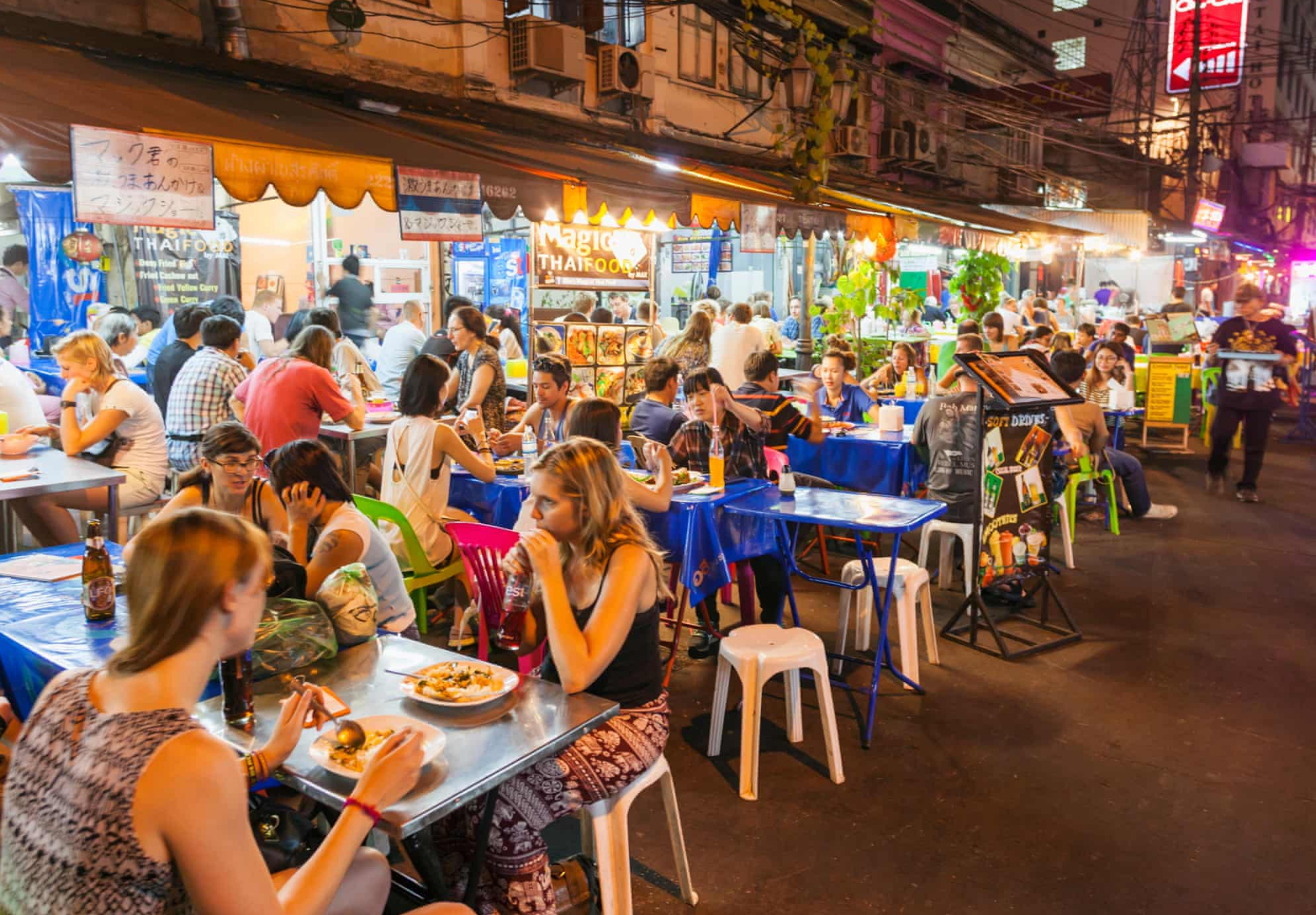

Thailand’s decision to reduce visa-free stays from 60 days to up to 30 days for visitors from more than 90 countries marks a significant shift in how the Thai government manages tourism. While the country remains heavily dependent on foreign visitors, the move reflects growing concern that the previous policy was being exploited by individuals involved in illegal activities, overstaying, or operating businesses without proper authorisation.
Get today's headlines by email 
The change follows months of public frustration over a series of high-profile incidents involving foreign visitors. Reports of tourists refusing to pay restaurant bills, drunken street fights, public indecency and disrespectful behaviour towards locals have fuelled debate over whether Thailand’s reputation as a welcoming destination has encouraged some visitors to ignore local laws and customs.
Government officials have increasingly linked the issue to broader concerns about national security and immigration control. Authorities have highlighted cases involving illegal business operations, questionable land ownership arrangements and the use of Thailand as a base for activities extending beyond tourism. Government spokesperson Rachada Dhnadirek said the previous visa system had created “a loophole for people without good intentions to take advantage”.
The tightening of visa rules has received support from many ordinary Thais, reflecting a noticeable shift in public sentiment. While tourism remains vital to the economy, there is growing pressure on authorities to ensure that economic benefits do not come at the expense of public order, local communities or cultural values. Social media discussions and repeated news coverage of tourist misconduct have amplified calls for stronger enforcement.
Industry representatives generally believe the impact on genuine tourists will be limited. Chutima Jeeramongkol, president of the Pattaya Business and Tourism Association, noted that most visitors stay well under 30 days, meaning the vast majority of holidaymakers are unlikely to be affected. Instead, the measure is viewed as a tool to improve screening and discourage long-term stays by people operating outside the law.
Some visitors questioned whether shorter visas will address the root causes of bad behaviour. Hungarian tourist Rudolf Guzsaly argued that disruptive tourists can create problems within days of arrival, suggesting that stricter enforcement may ultimately prove more effective than shorter permitted stays.
The policy also reflects a wider trend across popular tourist destinations in Asia, where governments are attempting to balance visitor numbers with community concerns. Thailand’s tourism sector contributes up to 20% of GDP and supports millions of jobs, making any restriction on visitor access a sensitive issue.
The Guardian reported that as authorities prepare to implement the new rules, attention will focus on whether the measures improve compliance and reduce abuse of the visa system without discouraging legitimate travellers. The government’s challenge will be maintaining Thailand’s appeal as one of the world’s leading tourism destinations while responding to growing domestic demands for tighter control and greater respect for local laws and culture.
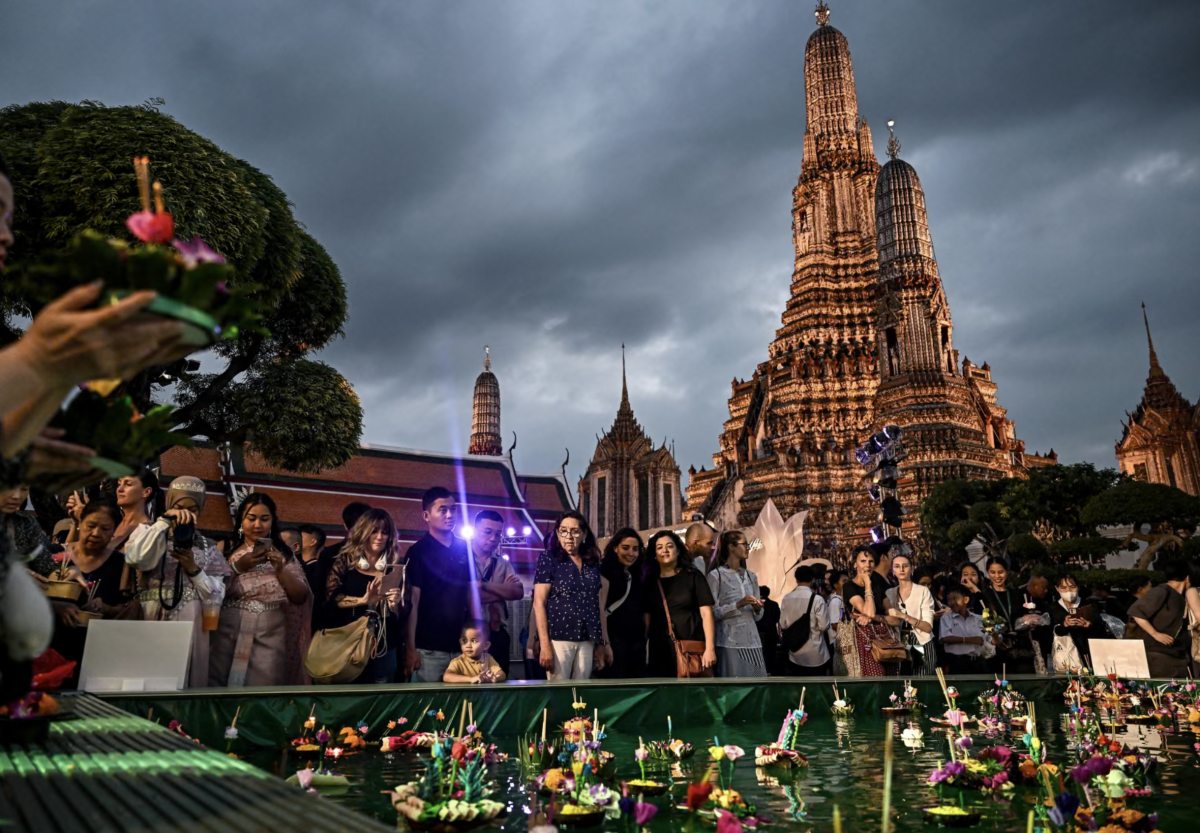
Picture courtesy of The Guardian
Join the discussion? 
Already a member? 
 Adapted by ASEAN Now TheGuardian 3 June 2026
Recommended Comments
Create an account or sign in to comment