



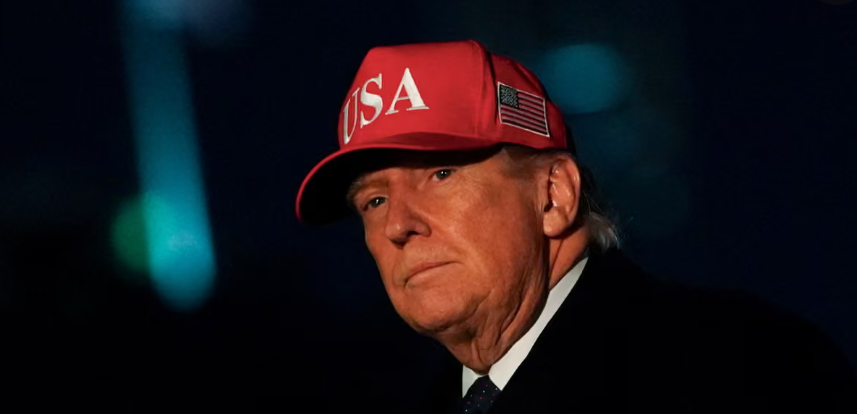

Critics warn Trump’s Iran war risks repeating past US military failures
Growing criticism is emerging over US President Donald Trump’s handling of the conflict with Iran, with opponents arguing that the war risks becoming another costly and damaging episode for the United States similar to past military campaigns in the Middle East.
As fighting continues, analysts and political critics say the war could undermine US global influence while increasing economic pressure at home and abroad.
Don’t miss the latest headlines from Thailand and around the world. Get the Asean Now Briefing newsletter, delivered daily. Sign up here.
Concerns over strategy
Critics argue that Washington entered the conflict without a clear long-term strategy. While US and Israeli forces have carried out extensive air strikes across Iran, the Iranian government has continued to resist, launching retaliatory attacks on US facilities and regional targets.
Some US bases in the Gulf region have reportedly come under fire, highlighting the risks facing American forces stationed there.
The situation has also affected global energy markets. Disruption around the Strait of Hormuz — one of the world’s most important oil shipping routes — has contributed to rising oil and gas prices, raising concerns about a wider energy shock.
Higher energy costs are already feeding into inflation and increasing pressure on global supply chains, with poorer countries expected to feel the greatest impact.
Israel’s expanded military operations
The war has also coincided with intensified military operations by Israel under Prime Minister Benjamin Netanyahu.
Israeli air strikes have targeted sites across Iran as well as positions linked to Hezbollah in Lebanon. Israeli officials say the operations are intended to weaken hostile military capabilities and reduce threats to Israeli civilians.
However, critics say the strikes have caused significant destruction and risk strengthening nationalist support for Iran’s leadership rather than weakening it.
The fighting in Lebanon has also raised humanitarian concerns, with reports of civilian casualties and large numbers of people displaced from their homes.
Risk of a prolonged conflict
Some analysts warn that the war could develop into a prolonged confrontation rather than the short campaign initially expected by supporters of the military action.
Iran’s conventional military capabilities have reportedly been weakened by the strikes, but Tehran retains missile and drone systems that continue to pose a threat to regional targets. Iran also maintains links with armed groups across the Middle East, which could extend the conflict beyond its current scope.
The continuing exchange of attacks suggests that a quick resolution may be unlikely.
Nuclear concerns remain unresolved
Another major issue is Iran’s nuclear programme, which was already a point of tension before the conflict began.
Although some Iranian nuclear facilities have reportedly been damaged during the strikes, experts note that the country retains technical knowledge and potentially hidden stockpiles of enriched uranium.
The future direction of Iran’s nuclear ambitions remains uncertain. Some hardline voices inside the country have argued that nuclear weapons could guarantee the regime’s survival, although Iranian leaders have previously said such weapons are forbidden under religious rulings issued by former supreme leader Ali Khamenei.
Political and legal criticism
The war has also triggered political debate within the United States about the legal basis for the military action.
Critics say the decision to launch strikes without formal authorisation from Congress raises constitutional concerns. Others have questioned whether the conflict complies with international law and the rules governing warfare.
The financial cost of the conflict has also become a point of contention. Some estimates suggest the war could be costing the United States billions of dollars each week, adding to concerns about long-term economic consequences.
International reaction
The conflict has strained relations between the United States and some of its allies. Several governments have expressed concern about the lack of consultation before the strikes and the potential risks of escalation across the Middle East.
At the same time, Washington has called on partners to help secure shipping lanes in the Strait of Hormuz, where attacks on vessels and infrastructure have raised fears about global energy supplies.
Meanwhile, geopolitical rivals such as Russia and China are closely monitoring developments, with some analysts suggesting the conflict could shift the balance of influence in the region.
Political consequences ahead
With US elections approaching in the coming years, the outcome of the conflict may carry political consequences for the administration.
Rising energy prices and the prospect of a prolonged military campaign could become significant issues for voters, particularly if the war continues to expand.
For now, the conflict with Iran remains unresolved, leaving uncertainty about how long the fighting may continue and what impact it will have on US strategy in the Middle East.
Join the discussion? 
Already a member? 
 Adapted by ASEAN Now · Source · 15.March 2026