



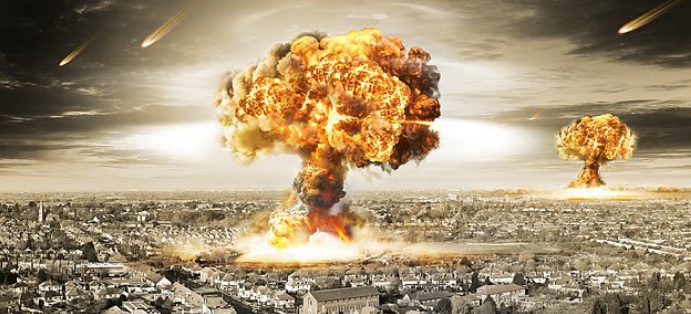

The Doomsday Clock, a symbol of humanity's proximity to annihilation, is now closer to midnight than ever before. On Tuesday, scientists at the Bulletin of Atomic Scientists moved the clock to 85 seconds before midnight. This historic shift underscores dire global threats, including nuclear dangers, climate change, and emerging technologies like AI and synthetic biology.
Bulletin CEO Alexandra Bell declared, "Every second counts," emphasizing the gravity of our current situation. The clock, a concept born during the Cold War, has been inching closer to midnight with growing global tension. This year marks the second consecutive advance, driven by escalating nuclear risks and climate instability.
Chair Daniel Holz voiced concerns about failing international cooperation. He noted that nuclear-armed states became more adversarial in 2025, pushing the clock forward. With a key US-Russia nuclear treaty set to expire, the risk of an arms race looms large.
The clock's hands reflect humanity’s record on addressing threats. Forward movement signals increased risk, while regression indicates progress. The clock has moved steadily towards midnight since 2011, with climate disasters worsening and novel threats like 'mirror life' and AI misinformation emerging.
Amid escalating conflicts and rising sea levels, Holz warned of synthetic organisms that pose potential pandemic threats. The ongoing war in Ukraine, American military actions, and global political tensions under President Trump exacerbate the sense of urgency.
Despite its symbolic nature, the clock remains a stark reminder of looming perils. Established in 1947 and marked by its inaugural seven-minute position, the clock’s adjustments have become a critical societal barometer. In 2026, humanity faces unprecedented challenges requiring urgent global cooperation.
Key Takeaways
Doomsday Clock reaches unprecedented proximity to midnight.
Nuclear tensions, climate change, and AI threats push humanity closer to catastrophe.
Global cooperation is crucial to mitigate escalating risks.


Adapted by ASEAN Now from Source 2026-01-27


-
 1
1
-
 1
1