



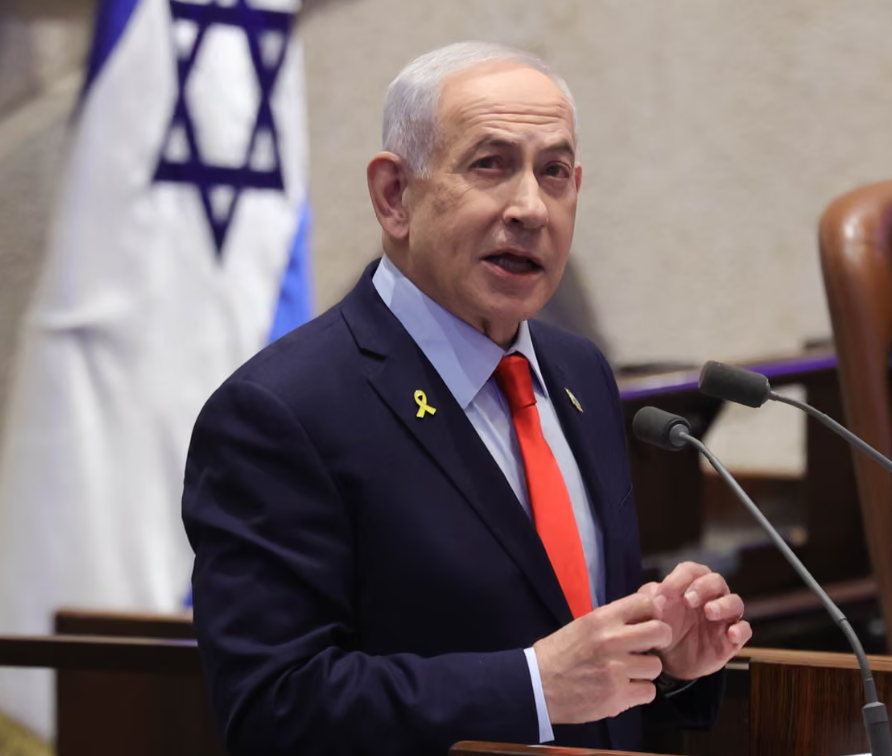

In a surprising move, Israeli Prime Minister Benjamin Netanyahu has agreed to join Donald Trump's "board of peace," a US-backed initiative originally aimed at overseeing a ceasefire in Gaza. Initially met with skepticism, the board's mission has expanded, sparking debate over its global implications.
Netanyahu's acceptance follows previous objections regarding the board’s executive committee, which includes regional rival Turkey. Despite these concerns, Netanyahu has decided to join, aligning with the US-led effort which has invited an array of nations, including the UAE, Morocco, and Hungary, to participate.
Criticism surrounds the board’s potential to undermine the United Nations. Trump has hinted that it could even replace the UN, describing the global body as ineffective, yet acknowledging its untapped potential. His remarks underline a broader strategy to distance the US from longstanding international commitments.
The board, chaired by Trump, extends invitations to numerous countries and hints at a possible broader role in global conflict resolution. This move has caused diplomats to worry that it may disrupt established international systems. The board's draft charter demands a hefty $1 billion contribution for sustained membership, challenging countries to reaffirm their commitment.
Netanyahu's decision comes despite internal criticism from far-right members of Israel’s coalition, who disapprove of US-led governance strategies in Gaza. They argue for more assertive Israeli policies, such as annexing Palestinian territories. Nevertheless, the Israeli Prime Minister has chosen cooperation with the US, signaling a strategic alignment.
Countries yet to respond to invitations include the UK, Russia, and the EU’s executive arm. As the board's scope potentially broadens, it raises questions about the balance of power in international relations and the role of existing multilateral organizations.
Diplomats remain cautious, concerned about the board’s ability to challenge entities like the UN. The charter staunchly criticizes past approaches, emphasizing the need for innovation and resolve. Trump, a known critic of the UN, recently announced US withdrawal from several international organizations, amplifying uncertainties about this new body's intentions.
Under the charter, Trump holds significant authority, with powers to remove or appoint member states, subject to a two-thirds veto by the board. This concentrated power raises concerns about governance and accountability.
Netanyahu’s involvement underscores Israel's strategic alignment with US interests, yet the move could have far-reaching impacts on regional diplomacy and beyond. As the board takes shape, its ability to navigate complex geopolitical landscapes remains in focus.
Key Takeaways
Netanyahu joins Trump's board, potentially redrawing global conflict mediation lines.
Criticism mounts over possible sidelining of the UN by a new US-led initiative.
Trump's board seeks $1 billion membership contributions, raising stakes in global diplomacy.
DISCUSS THIS NEWS STORY ON THE FORUM

Adapted by ASEAN Now from The Guardian 2026-01-21


-
 1
1