




Global oil prices surged above $110 a barrel on Monday while stock markets across Asia tumbled, as the escalating war involving Iran triggered fears of a prolonged disruption to energy supplies from the Middle East.
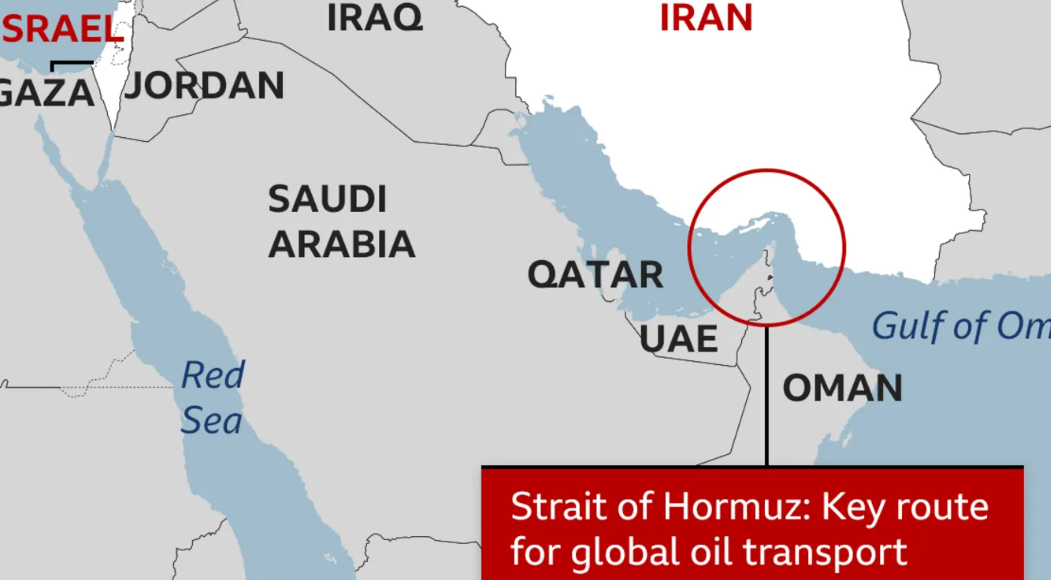
The conflict — involving strikes by the United States and Israel — has heightened concerns about shipments through the strategically vital Strait of Hormuz, a narrow waterway through which roughly one-fifth of the world’s oil supply normally passes.
With tanker traffic through the strait largely halted since the conflict began, markets reacted sharply to the possibility that global supplies could remain constrained for weeks.
Get the latest headlines in your email 
Oil Prices Spike
Benchmark crude prices rose dramatically in early Asian trading.
Brent crude climbed nearly 24% to about $114.74 a barrel, while West Texas Intermediate crude — traded on the New York Mercantile Exchange — jumped more than 26% to roughly $114.78.
The price surge happened rapidly. Oil first jumped about 10% within minutes of markets opening before climbing another 10% shortly afterward.
Analysts said the sharp move reflected a sudden shift in sentiment after markets had previously appeared relatively calm about the risks posed by the conflict.
Scenes of damage to energy infrastructure across Iran and the wider Gulf region over the weekend increased fears that supplies could be severely disrupted.
Some analysts now warn that if the shutdown of shipping through the Strait of Hormuz continues until the end of March, prices could climb above $150 a barrel — potentially reaching record levels.
Stock Markets Slide
The surge in oil prices coincided with steep losses across Asia-Pacific stock markets.
Japan’s Nikkei 225 fell more than 7%, while Hong Kong’s Hang Seng Index dropped over 3%.
In Australia, the S&P/ASX 200 lost more than 4%.
The sharpest fall came in South Korea, where the KOSPI index plunged over 8%, triggering a 20-minute trading halt under the market’s circuit breaker rules — a mechanism designed to prevent panic selling.
It was the second time the safeguard had been activated in recent days after the index fell 12% earlier in the week.
Economic Ripple Effects
Higher oil prices threaten to push up costs for consumers and businesses worldwide.
Petroleum products such as jet fuel could become more expensive, and rising energy costs may also increase the price of key industrial materials including fertiliser inputs.
Much of the oil shipped through the Gulf is consumed in Asia, meaning the region could feel the immediate impact of supply disruptions.
There are already signs of shifts in global energy flows, with some liquefied natural gas shipments originally bound for Europe reportedly being redirected toward Asian buyers willing to pay higher prices.
Political Response
Responding to the market turmoil, Donald Trump said temporary price increases were a “small price to pay” for eliminating what he described as Iran’s nuclear threat.
Meanwhile, Iran signalled political continuity during the crisis by naming Mojtaba Khamenei as the successor to his father, Supreme Leader Ali Khamenei.
Analysts say the move suggests that hardline leadership remains firmly in control of the country as the conflict enters its second week.
Join the discussion? 
Already a member? 
 Adapted by ASEAN Now · ·Source 09.03 2026