




Villages in Kwara devastated by brutal jihadist assault
In a tragic escalation of violence, over 100 armed jihadists, masquerading in army fatigues, launched a brutal assault on the neighbouring villages of Woro and Nuku in Nigeria's western Kwara state. This terrifying attack, driven by motives of revenge and extremist ideology, left at least 75 people dead and has sent shockwaves throughout the region.
The attack unfolded an hour before sunset as villagers were leaving their fields where they cultivate yams, maize, and millet. The militants first targeted the residence of traditional leader Umar Bio Salihu. They had previously requested permission to preach their radical interpretation of Islam—a request the community had refused. Finding Salihu absent from his home, the assailants set it ablaze, killing his two children.
Mohammed Dauda, a local official, termed the attack as a massacre, highlighting the extreme brutality whereby victims were found bound, with some having their throats slit and others shot. Amnesty International reported that the jihadists continued their deadly spree all night, eventually abducting 38 women and children, including members of Salihu’s family.
Their aim was to dismantle the existing governmental structures and impose their radical ideologies, insisting that the residents renounce Nigeria’s government and constitution. "It is against what the Quran teaches," Salihu remarked, expressing his dismay at their distorted interpretation of Islam’s holy book.
The Nigerian government has blamed Boko Haram, the infamous jihadist group known for the 2014 Chibok schoolgirls’ kidnapping. While Boko Haram has not officially claimed responsibility, this attack bears their hallmark. Their splinter faction, Mahmuda, now operates in remote areas of Kwara and neighbouring regions.
Reports from Amnesty International reveal that jihadists had been distributing leaflets to the villages, urging locals to accept their extremist beliefs. As resistance grew, the militants issued warnings, which culminated in this savage attack. Despite having informed security forces after receiving threats, the villagers experienced what Amnesty has called a "stunning security failure."
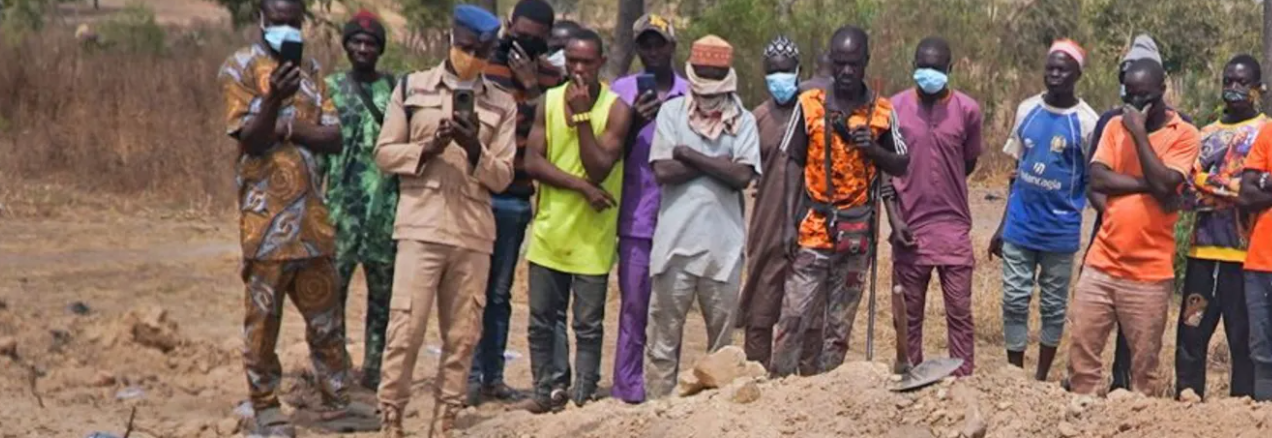
As the militants departed at dawn, they left behind scenes of devastation: burned homes, abandoned motorcycles, and deserted markets. Families faced the grim task of burying victims, with local officials aiding in the burial of dozens of bodies. The pain and exhaustion among mourners were palpable as they worked tirelessly in the wake of the attack.
Governor AbdulRahman AbdulRazaq visited the area, acknowledging the severity of the situation. He announced that President Bola Tinubu had authorized immediate deployment of military reinforcements to maintain security.
The tragic events have also posed a serious challenge to local vigilante groups, who had previously managed to repel attacks. This time, however, the jihadists were methodical in locating these defenders’ homes, ensuring a devastating blow to community resilience.
"We have never experienced this before," Dauda expressed, underlining the unprecedented nature of these events. The assault serves as a stark reminder of the ongoing threat posed by extremist groups in Nigeria, posing challenges to both local stability and national security frameworks.
Key Takeaways
Over 75 killed in a targeted jihadist attack on Nigerian villages.
Attackers aimed to impose extremist beliefs and dismantle government systems.
Criticism arises over a significant security lapse during the attack.


Adapted by ASEAN Now from Source 2026-02.06


-
 2
2
-
 1
1