



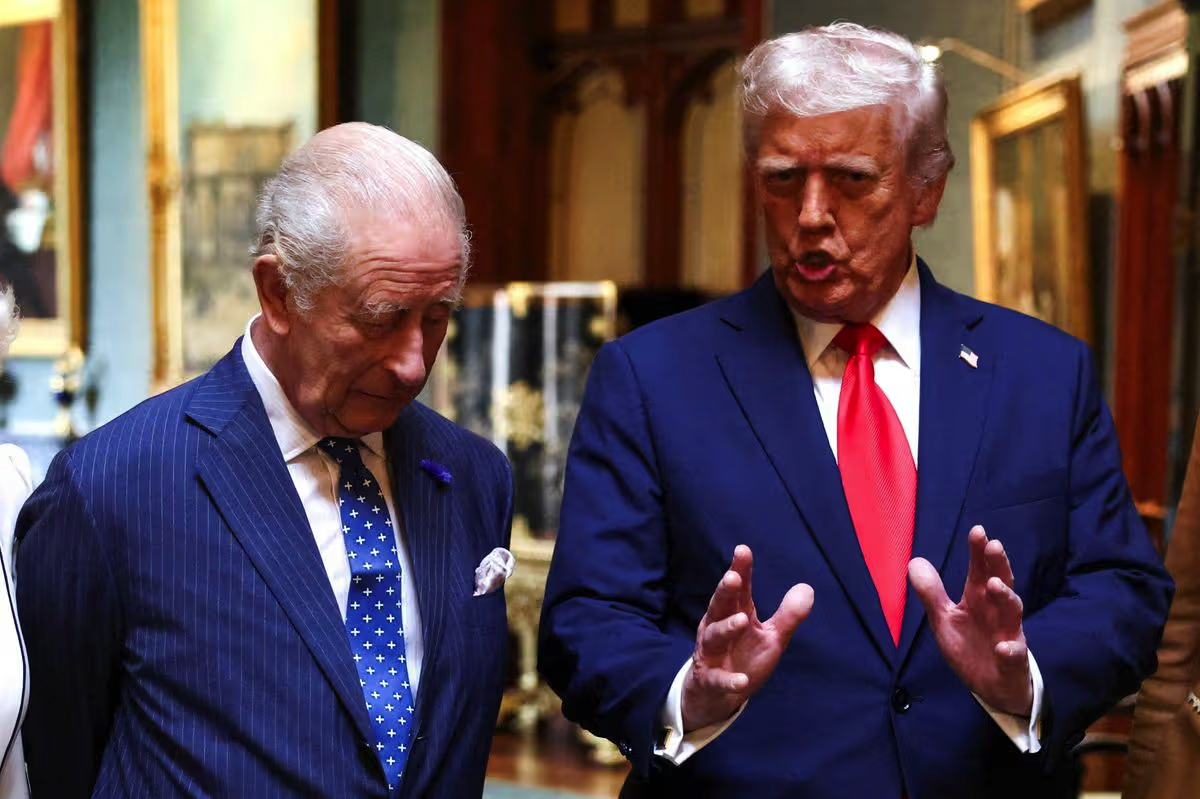

A growing diplomatic rift between the United States and the United Kingdom over the war in Iran is casting uncertainty over a potential state visit by King Charles III to Washington. The tensions follow increasingly sharp criticism from U.S. President Donald Trump directed at British Prime Minister Keir Starmer, raising concerns in London about whether the visit should proceed as planned.
Get today's headlines by email 
Earlier this year, Starmer had sought to cultivate a positive relationship with Trump, even presenting him with an invitation from the monarch for a second state visit to the UK. The move was widely seen as part of a broader strategy to maintain close ties with Washington and secure favourable outcomes on issues such as trade and security.
Strategy of engagement under strain
However, that approach now appears under pressure. Trump has publicly criticised Starmer’s leadership and questioned Britain’s reliability as an ally, remarks that have unsettled political figures in the UK.
Dispute over military support
The dispute stems largely from Britain’s reluctance to fully back U.S. military efforts against Iran. While the UK declined to allow the use of its bases for offensive operations—citing legal concerns—it did participate in defensive actions after its assets in the region came under attack.
Trump has since alternated between dismissing Britain’s offers of support and criticising London for not doing enough. He has also voiced frustration over the UK’s hesitation to contribute naval forces to secure the Strait of Hormuz, a key shipping route disrupted by the conflict.
Concerns over royal visit
Amid the escalating rhetoric, some British lawmakers have urged caution over the proposed visit by King Charles, which had been expected to coincide with celebrations marking the 250th anniversary of U.S. independence.
Emily Thornberry, a senior Labour MP, warned that the monarch could face embarrassment if tensions persist, suggesting the trip might need to be reconsidered or delayed.
Officials have not confirmed details of the visit, and Downing Street has declined to comment on future royal engagements.
Political reactions and shifting positions
The row has also prompted shifts in domestic political positions within the UK. Nigel Farage, initially supportive of joining U.S.-led military action, has since argued against British involvement in another foreign conflict.
Similarly, Conservative leader Kemi Badenoch, who had earlier backed participation, later criticised the tone of exchanges between Washington and London, describing the dispute as unproductive.
Uncertainty over next steps
Despite the tensions, Trump has indicated he expects King Charles to visit the United States soon, though no firm timeline has been announced.
Analysts say the situation places the British government in a difficult position—balancing the risk of diplomatic embarrassment against the potential fallout of postponing a high-profile visit.
As relations between the two allies come under strain, the decision on whether to proceed with the royal visit may hinge on whether both sides can stabilise ties in the coming weeks.
Join the discussion? 
Already a member? 
 Adapted by ASEAN Now. Source 18 March 2026