



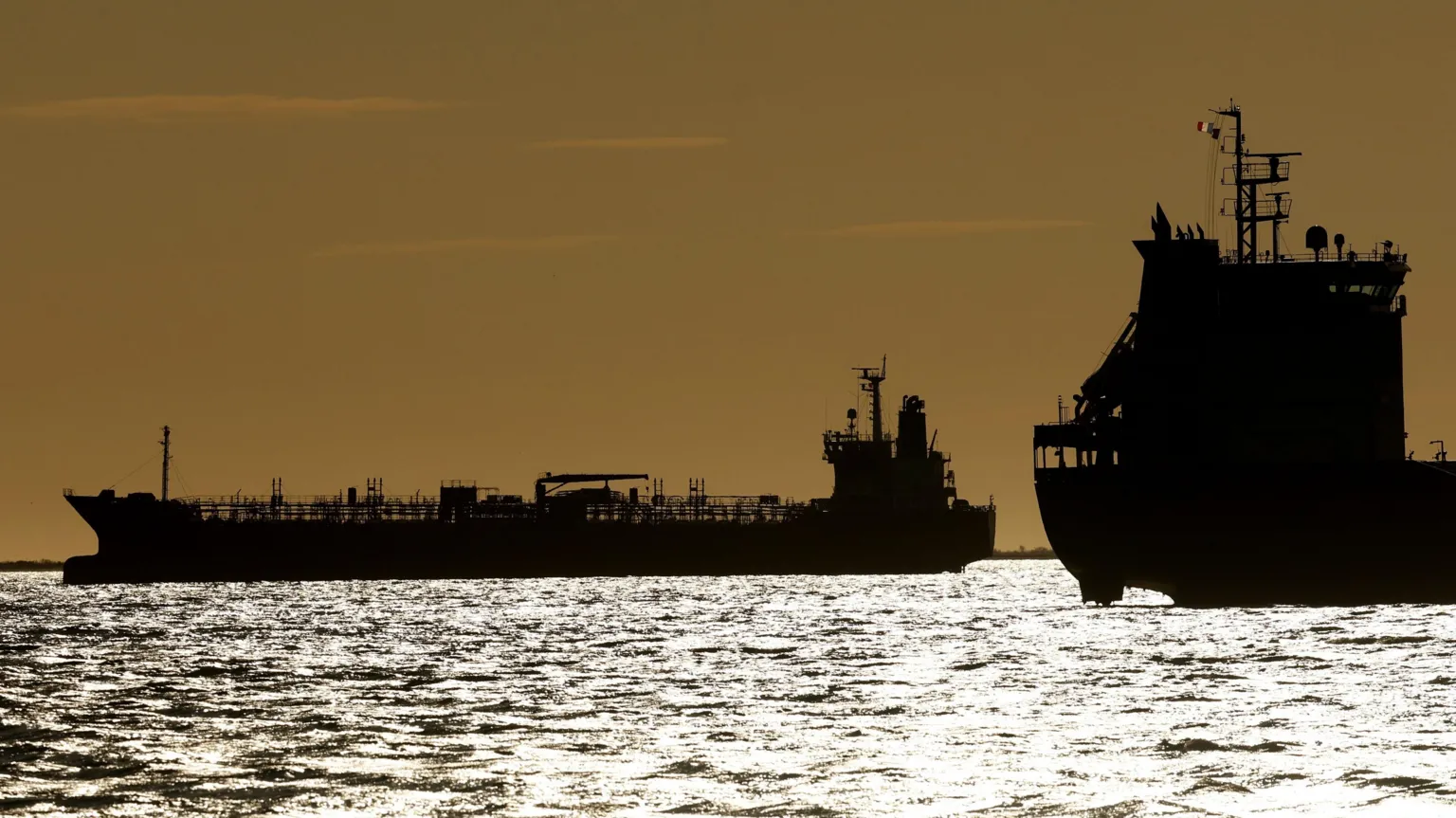

The United States has temporarily relaxed sanctions on certain Iranian oil exports, as it seeks to stabilise global energy markets disrupted by the ongoing conflict in the Middle East. US Treasury Secretary Scott Bessent confirmed that a limited, short-term authorisation has been granted to allow the sale of Iranian oil already loaded onto tankers and currently at sea.
Get today's headlines by email 
The move represents a notable shift in longstanding US policy and comes as fuel prices rise sharply worldwide due to supply disruptions.
Short-Term Measure To Boost Supply
According to the Treasury Department, the waiver applies specifically to crude oil and petroleum products of Iranian origin that have already been shipped. The authorisation is set to remain in effect until 19 April.
Officials estimate that the measure could release around 140 million barrels of oil into global markets in the coming weeks.
The decision is part of broader efforts by Washington to increase supply as the war continues to affect production and shipping routes, particularly through the strategically vital Strait of Hormuz.
Concerns Over Limited Impact
Energy analysts have questioned how much difference the move will make to global prices. Some experts say the additional supply is relatively small compared with overall demand and may only provide temporary relief.
There are also concerns about the potential consequences of allowing Iranian oil sales while the US is engaged in military operations against Tehran.
David Tannenbaum, a sanctions specialist, described the decision as contradictory, warning it could effectively enable Iran to generate revenue that might support its ongoing activities.
Similarly, Rachel Ziemba, a senior fellow at the Center for a New American Security, said the policy raises practical challenges, particularly in ensuring that proceeds from oil sales do not reach the Iranian government.
Strategic And Political Considerations
US President Donald Trump offered little clarity on the broader strategy when asked about the policy shift, stating only that his administration would take necessary steps to manage rising energy costs.
Before the conflict, much of Iran’s oil exports were purchased by China at discounted rates due to existing sanctions. Officials now suggest the waiver could redirect some of those supplies to other countries, including India, Japan and Malaysia.
However, details on how such redistribution would be managed remain unclear.
Wider Energy Market Pressures
The policy change comes amid mounting pressure on global energy supplies. The conflict has significantly disrupted shipping through the Strait of Hormuz, a key route through which roughly one-fifth of the world’s oil normally passes.
Although some shipments have been rerouted, analysts estimate that the war has removed about 10% of global oil supply from the market.
The US has already taken additional steps to ease the strain, including releasing oil from strategic reserves and easing some restrictions on Russian exports—moves that have drawn criticism from European leaders.
Ongoing Uncertainty
Despite these efforts, concerns persist about the long-term impact of the conflict on energy markets. Continued attacks on critical infrastructure, including major gas facilities in the region, have heightened fears that supply capacity could be constrained for years.
While the temporary waiver may offer short-term relief, analysts say it underscores the scale of the current energy crisis and the limited options available to governments seeking to contain it.
Join the discussion? 
Already a member? 
 Adapted by ASEAN Now. Source 21 March 2026