



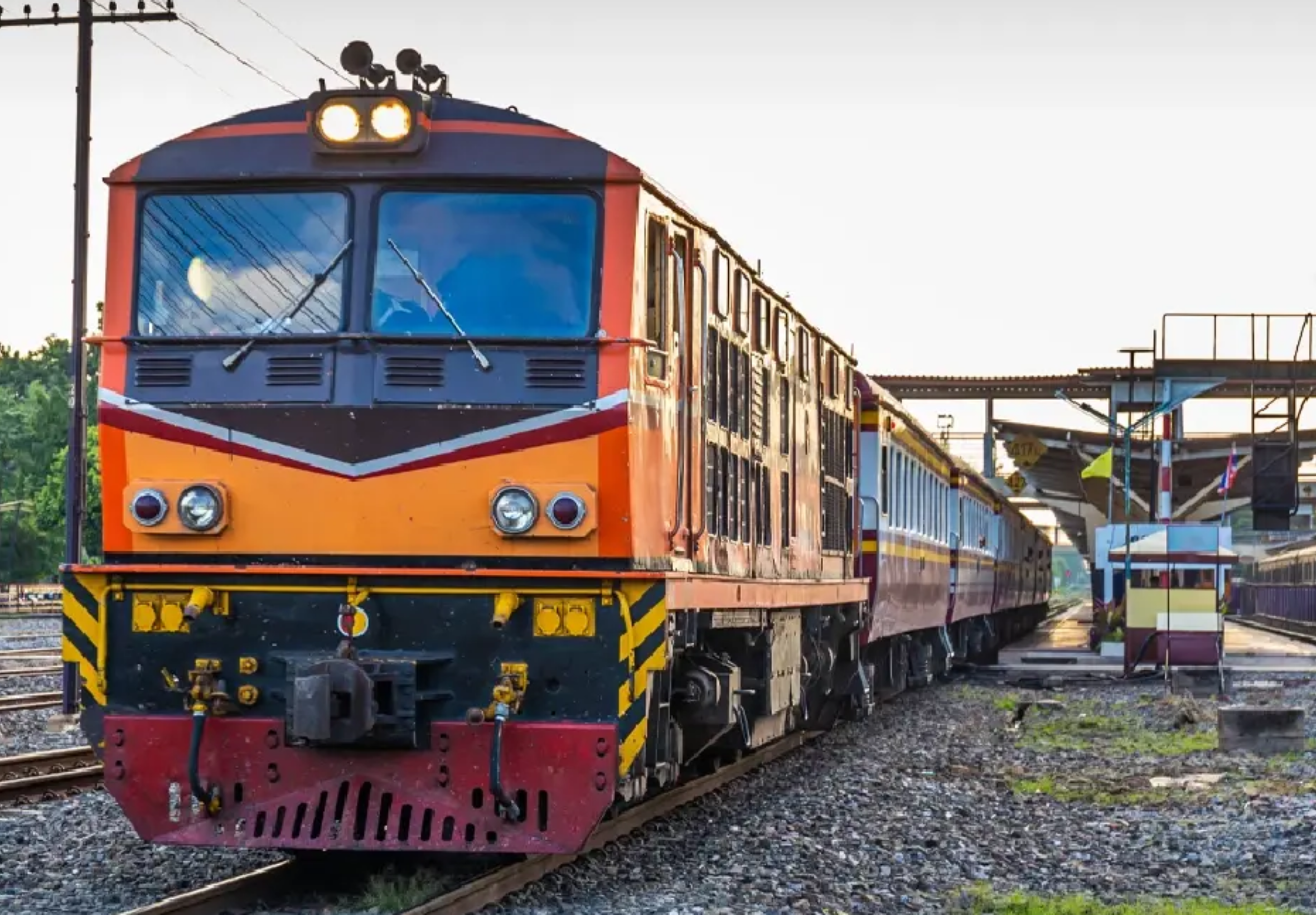

Thailand has officially opened its state-owned railway network to private operators for the first time, allowing companies to apply for track access to run passenger, tourism and freight train services. The move follows the publication of the State Railway of Thailand’s 2026 Network Statement and is intended to make use of unused track capacity while creating new transport options, strengthening logistics and generating additional revenue for the state.
Get today's headlines by email 
The policy is being implemented under Section 70, Paragraph Two of the Rail Transport Act, B.E. 2568 (2025). It comes after years of government investment in dual-track and new railway lines that significantly expanded the national rail network. However, the State Railway of Thailand (SRT) has been unable to purchase enough rolling stock to fully utilise the increased capacity, leaving many track slots unused outside peak periods.
The 598-page Network Statement provides private operators with detailed technical information, infrastructure specifications, access conditions, timetable allocation procedures and routing guidelines. Under Section 73 of the Act, track-sharing agreements will not be treated as traditional Public-Private Partnerships, avoiding lengthy approval processes and instead operating under simplified contracts.
Fixed Track Access Charges have also been introduced. Passenger services will pay 44 baht per carriage per kilometre, with a minimum of four carriages per train. Tourism services will pay 77 baht per carriage per kilometre, while freight operators will be charged 0.2065 baht per tonne-kilometre based on gross tonnage. An example provided by the authorities shows that a four-carriage tourist train travelling from Bangkok to Hua Hin, a distance of 229 kilometres, would pay about 70,532 baht in track access fees for a single journey.
Pichet Kunadhamraks, director-general of the Department of Rail Transport, described the initiative as a major turning point for Thailand’s transport sector. He said the policy would diversify travel options, modernise the logistics industry and improve returns on public infrastructure investment. Acting SRT governor Anan Phonimdang added that increased competition should encourage investment throughout the logistics sector while lowering costs and improving service standards for passengers.
The Nation reported that the policy is now entering its final regulatory stage, with the Cabinet considering appointments to a new Rail Transport Slot Allocation Committee. The independent body will oversee timetable allocation and prevent scheduling conflicts. The SRT said all access decisions will comply with Section 68 of the Rail Transport Act, ensuring neutrality, transparency and non-discrimination. The full 2026 Network Statement is now available for public download through the SRT’s official website.
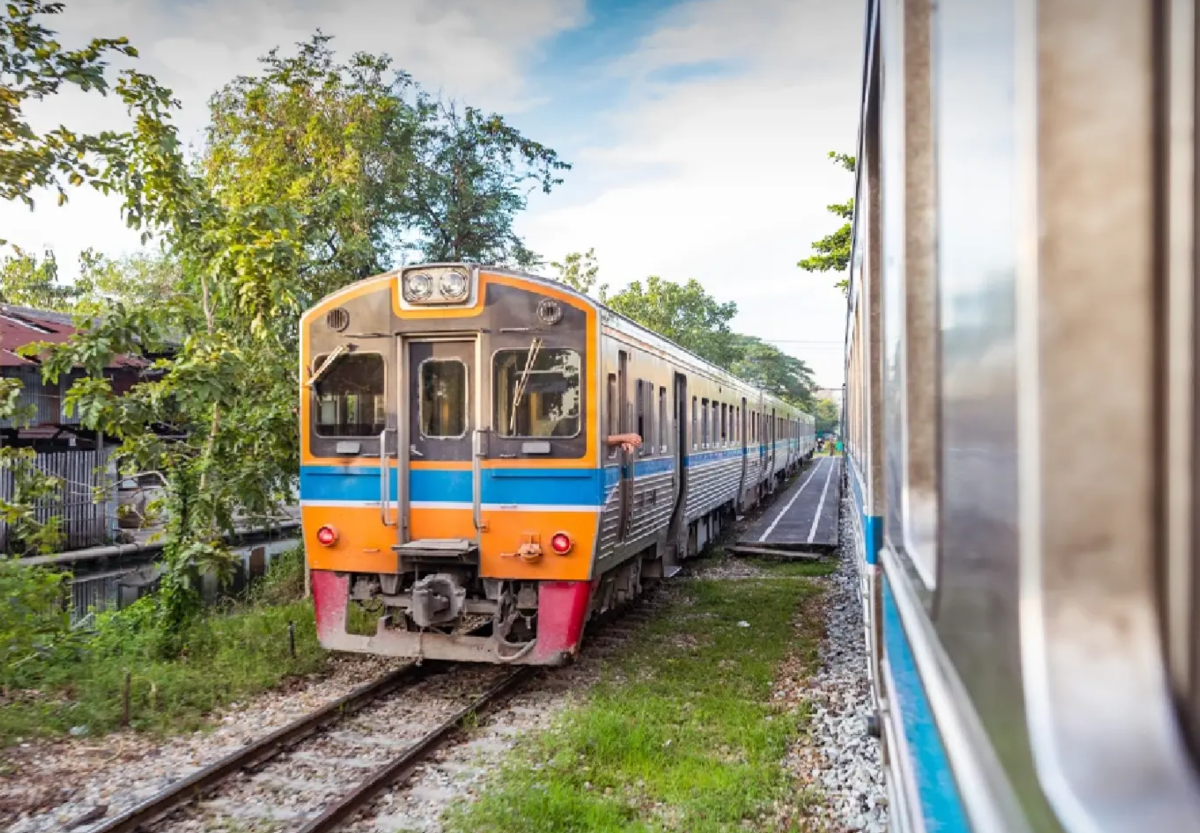
Picture courtesy of The Nation
Join the discussion? 
Already a member? 
 Adapted by ASEAN Now Nation 28 June 2026
Recommended Comments
Create an account or sign in to comment